
Commercial Skylight and Penetration Flashing in Topeka, KS
Home / Commercial Roofing Services / Commercial Skylight and Penetration Flashing
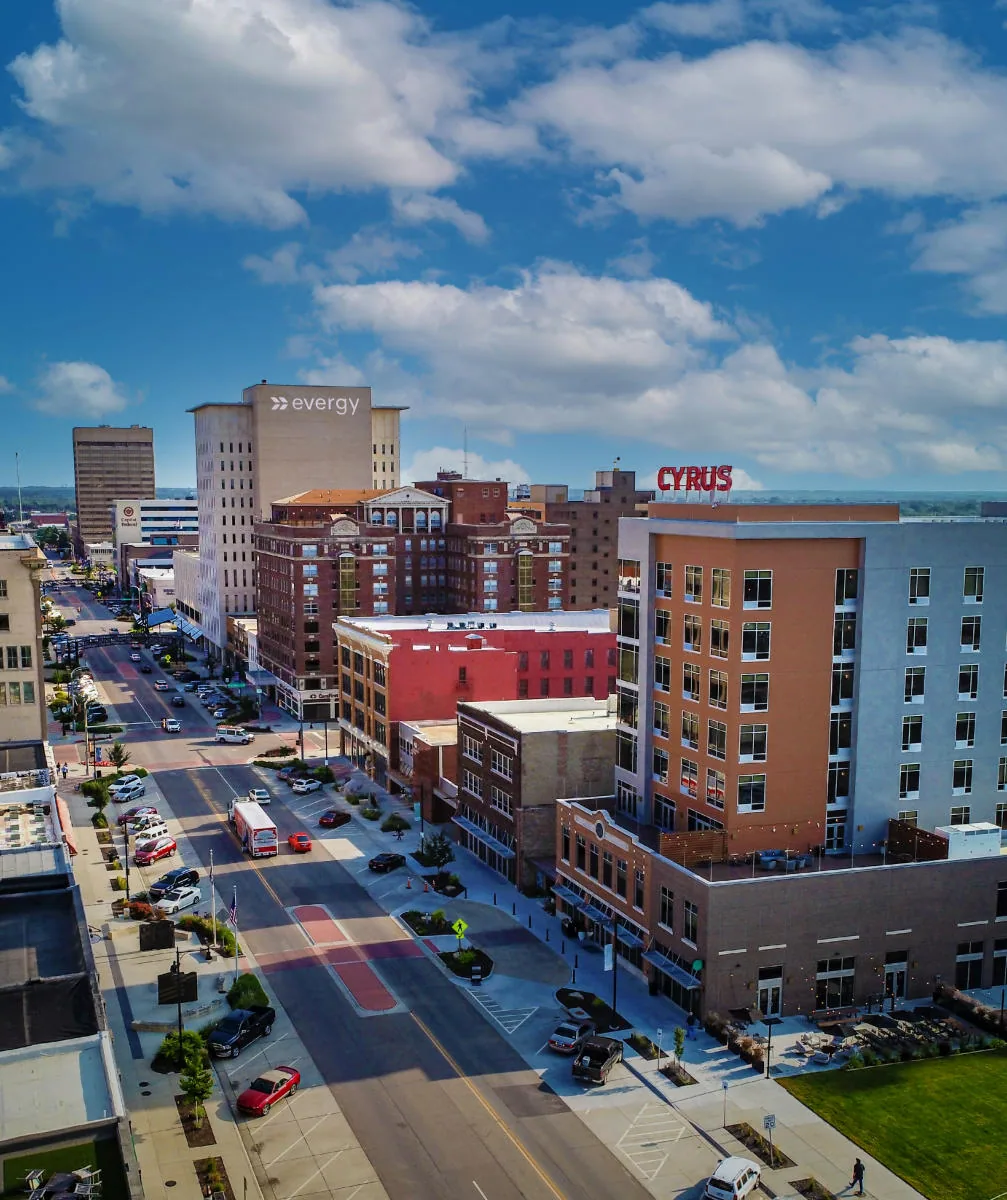
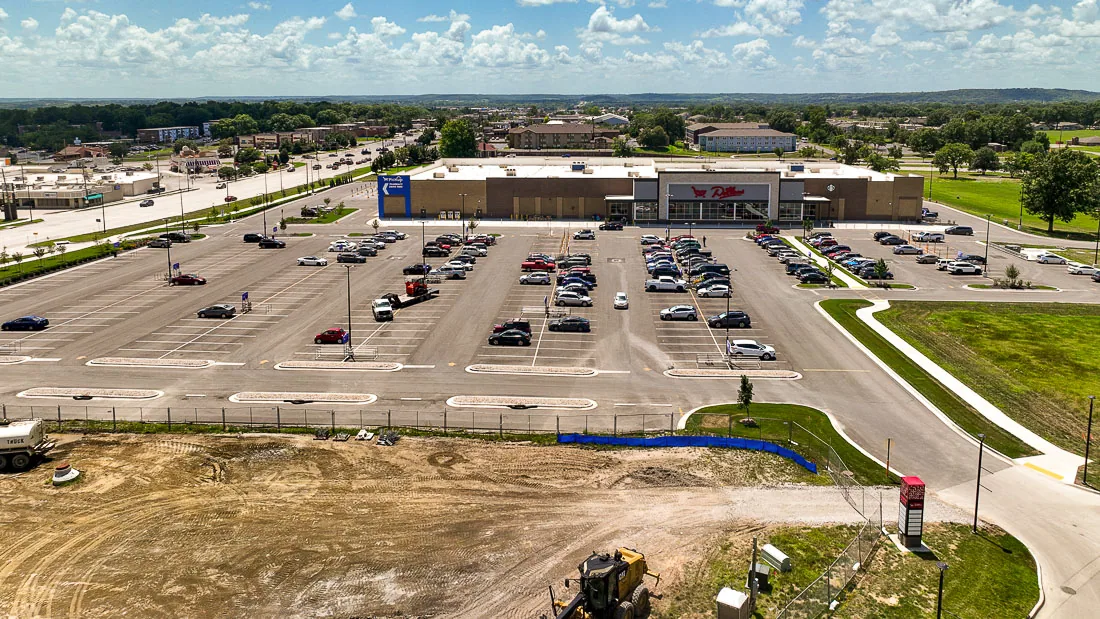
A damp ceiling beneath a skylight puts three details on the inspection list: glazing, curb, and nearby roof membrane. We compare the interior location with the roof plan and inspect the full transition. Topeka’s annual precipitation and documented hail and wind events make these transitions worth checking after severe weather. In East Topeka, property access is coordinated with the building contact; Central Crossing Commerce Park buildings bring their own equipment and staging limits. The roof assembly controls the repair method.
Path: Which part of the opening is admitting water?
We inspect glazing, frame joints, curb corners, counterflashing, membrane turns, fasteners, and any sealant applied during earlier repairs. At a pipe or conduit, we check the boot, clamp, pitch pan, and surrounding sheet. A leak can travel before it appears indoors, so the reported room is a starting point rather than the repair boundary. A leak investigation can trace the likely path and record any area that needs a test opening.
Condensation can resemble a flashing leak when humid interior air meets a cold surface. We ask when the moisture appears, whether it follows rain, and what nearby equipment is operating. Then we compare that timing with roof and interior conditions. A roof inspection can document adjacent seams, drains, curbs, and penetrations, preventing a repair from stopping at the first visible mark.
The interior drip point does not show whether water crossed the glazing, frame joint, curb, or roof-side flashing. We inspect these interfaces from safe access, document deterioration, and note when a glazing contractor must repair a component outside the roofing scope. At the curb, confirm height, membrane transition, metal counterflashing overlap, and the route for water to drain away. A nearby pipe or conduit uses a separate penetration detail. Close photographs paired with the roof plan help the owner track which trade and boundary own the repair, rather than turning the skylight and surrounding roof into one unsupported replacement line.
Skylights: What should the assembly show?
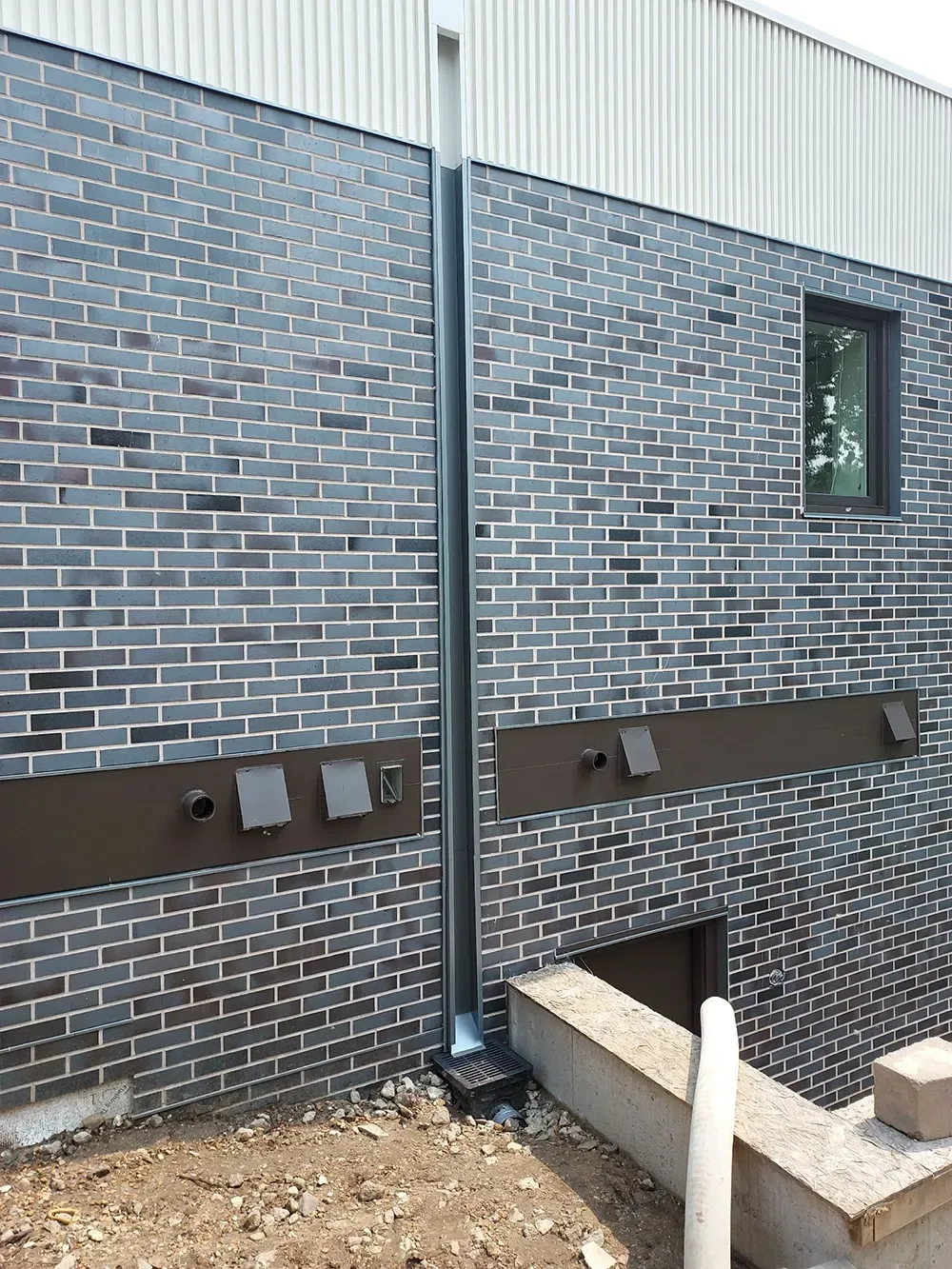
We check the lens or glazing, frame, fasteners, curb height, perimeter flashing, and connection to the roof membrane. Cracked glazing and failed curb flashing need different treatment. If water is trapped between layers, we document the condition and identify what can be opened safely. Skylights near equipment or occupied rooms also need protection below before work begins. The owner receives photos that show both the close detail and its location on the roof. We check whether the curb is insulated, how the membrane turns up its sides, and where the cap flashing sheds water. Photos capture the joint before fasteners are loosened and document the completed transition back to the roof field.
Frame condition, water testing, and the surrounding roof determine whether a skylight repair or replacement is supportable. We compare a localized correction with the effort to remove and reset the unit. The scope names any glazing or curb component included and states whether the assembly was water-tested. If the unit is serviceable but the transition fails, replacing the surrounding membrane detail may preserve the existing opening. If the frame itself is damaged or the lens no longer seats correctly, those components appear as separate line items so the owner can compare a repair with replacement.
Penetrations: How do curbs and pipes differ?
A rooftop unit sits on a curb with corners, vertical flashing, and a top termination. A small pipe may use a prefabricated boot, while grouped conduits can pass through a pitch pan. We identify each penetration and its material before choosing a repair. A curb and equipment review can include supports, vibration, clearance, and access needs where the unit affects the flashing detail. We also ask whether a mechanical contractor recently serviced the unit or added conduit, since a new fastener or cut can alter the path.
Sealant applied over a moving or poorly supported penetration can split again. We check whether the curb is stable, whether the flashing connects to sound membrane, and whether maintenance work has disturbed fasteners or boots. At industrial addresses in Harlan Industrial Park, confirm which equipment can be shut down and who authorizes access. The repair plan records those limits before work is scheduled. When the unit must remain in service, the owner contact helps sequence the detail work without assuming an outage is available.
Weather: When should a detail be reinspected?
Topeka has documented hail and wind events, and the city receives both summer storms and winter precipitation. After a severe event, we inspect glazing, frames, curb edges, boots, and exposed sealant for new damage. A hail review can document impact concerns, while a wind assessment can check displaced flashing and fasteners. The finding remains tied to the actual opening and surrounding roof.
Winter conditions can restrict roof access and change when a water test is safe. We note whether a transition could be examined fully and return when ice or wet surfaces no longer prevent a careful review. If the leak is active, temporary protection may be possible without opening the full curb. The emergency visit records what was secured and what remains exposed until a permanent correction is made.
Closeout: What does the repair record establish?
The closeout identifies the opening, roof zone, preparation, materials, flashing limits, and the detail checked after repair. Photos show how the new work ties into the existing roof and which nearby sections remain unchanged. If a water test was performed, we record the method and result; if access prevented testing, that limit is explicit. A condition report can preserve the photos and next inspection point. The record also states which unit, pipe, or skylight was left in place and which component was replaced.
When another trade later replaces a rooftop unit or adds cabling, facilities staff can use the roof map to protect the repaired transition. We document any clearance or access restriction that the property contact identifies. If water returns, the dated record helps compare the same curb, boot, or skylight with the earlier work. The owner can then decide whether to test the opening again or expand the investigation to an adjacent roof zone.
Commercial Roofing Questions
How can you tell if a skylight or curb is leaking?
We inspect the glazing, frame, curb, flashing, membrane tie-in, and nearby roof details, then compare the findings with the interior report and weather timing. A test may be needed if the path remains uncertain. The closeout names which portions were accessible during the visit.
Can you repair flashing around a rooftop unit without removing it?
That depends on access to the curb and the condition of the existing assembly. We identify what can be reached, any shutdown needed, and whether lifting or removing equipment is required before defining the scope.
Why does a pipe boot need replacement?
A split, loose clamp, failed bond, or incompatible patch can leave an opening around the pipe. We inspect the boot and surrounding membrane, then replace or repair only the confirmed transition.
Can condensation look like a roof leak?
Yes. We compare when moisture appears with rain, temperature, ventilation, and equipment operation, then inspect the roof detail. If roof evidence is absent, the record says what remains unconfirmed and what conditions should be monitored.
What should happen after a flashing repair?
Keep the roof-zone photos, material and preparation notes, test result if performed, and access limits. We identify a follow-up point and any maintenance activity that could disturb the new transition. Share the repair location with mechanical staff before the next service visit.
Related Roofing Work
East Topeka
Central Crossing Commerce Park
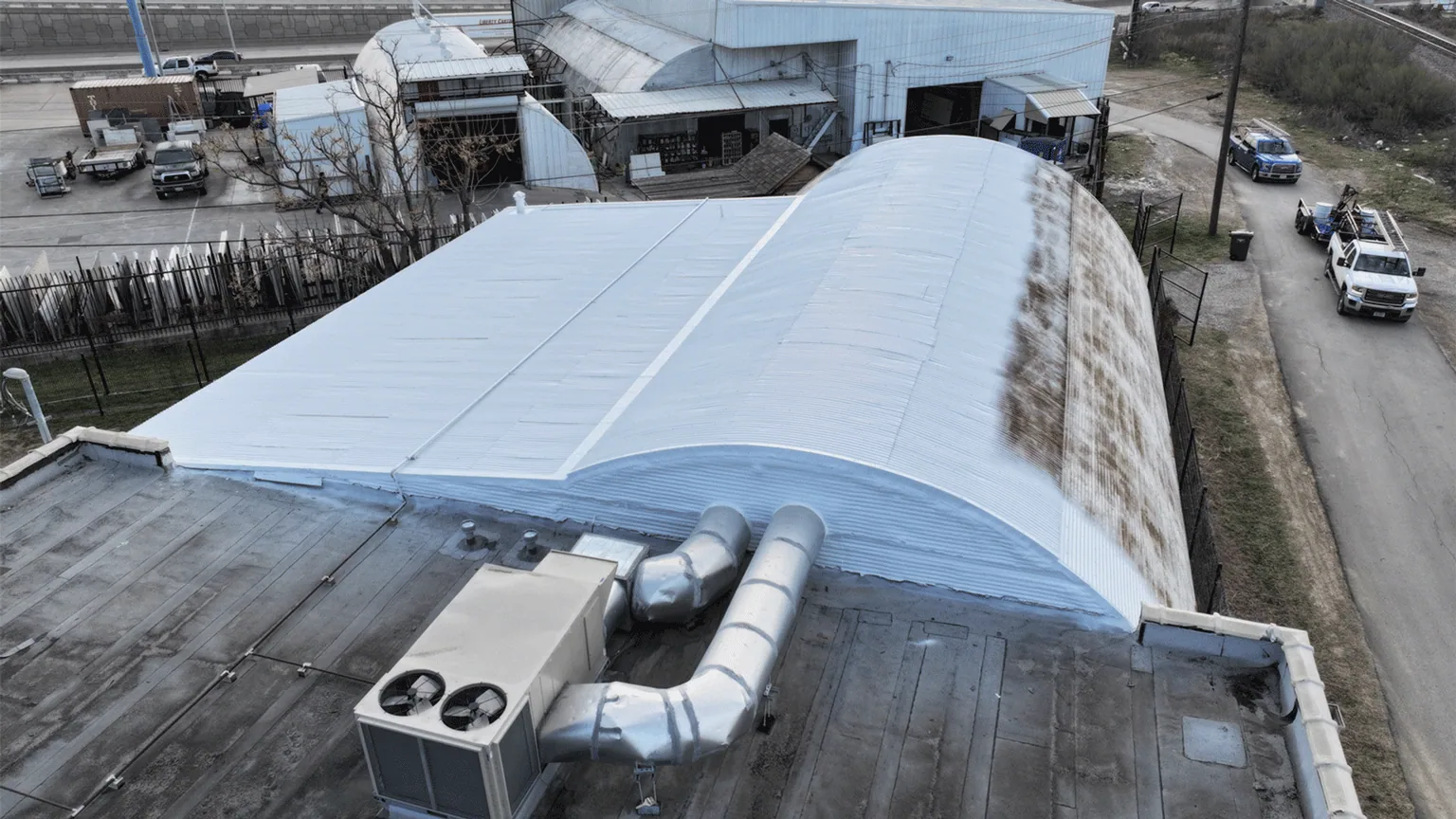
Commercial Roof Leak Repair
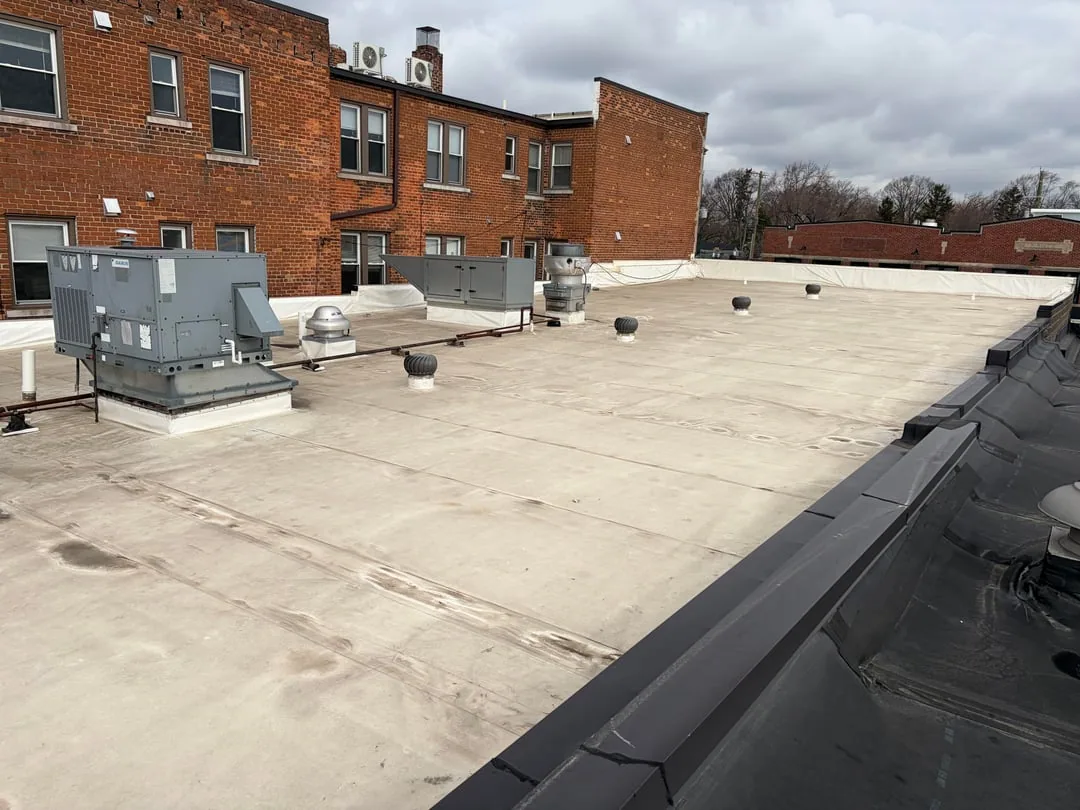
Commercial Roof Inspection
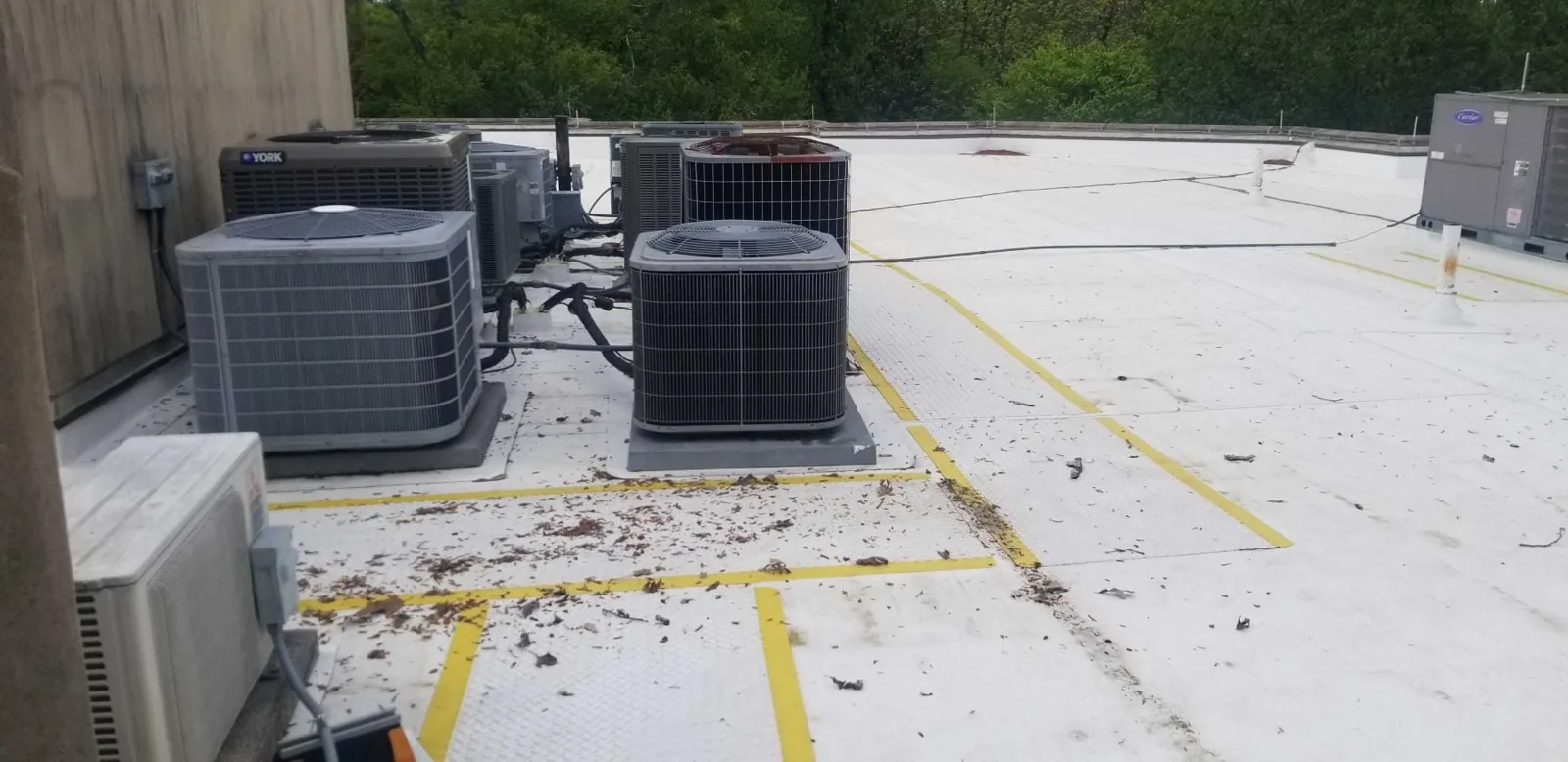
Commercial Rooftop Equipment Curbs and Supports
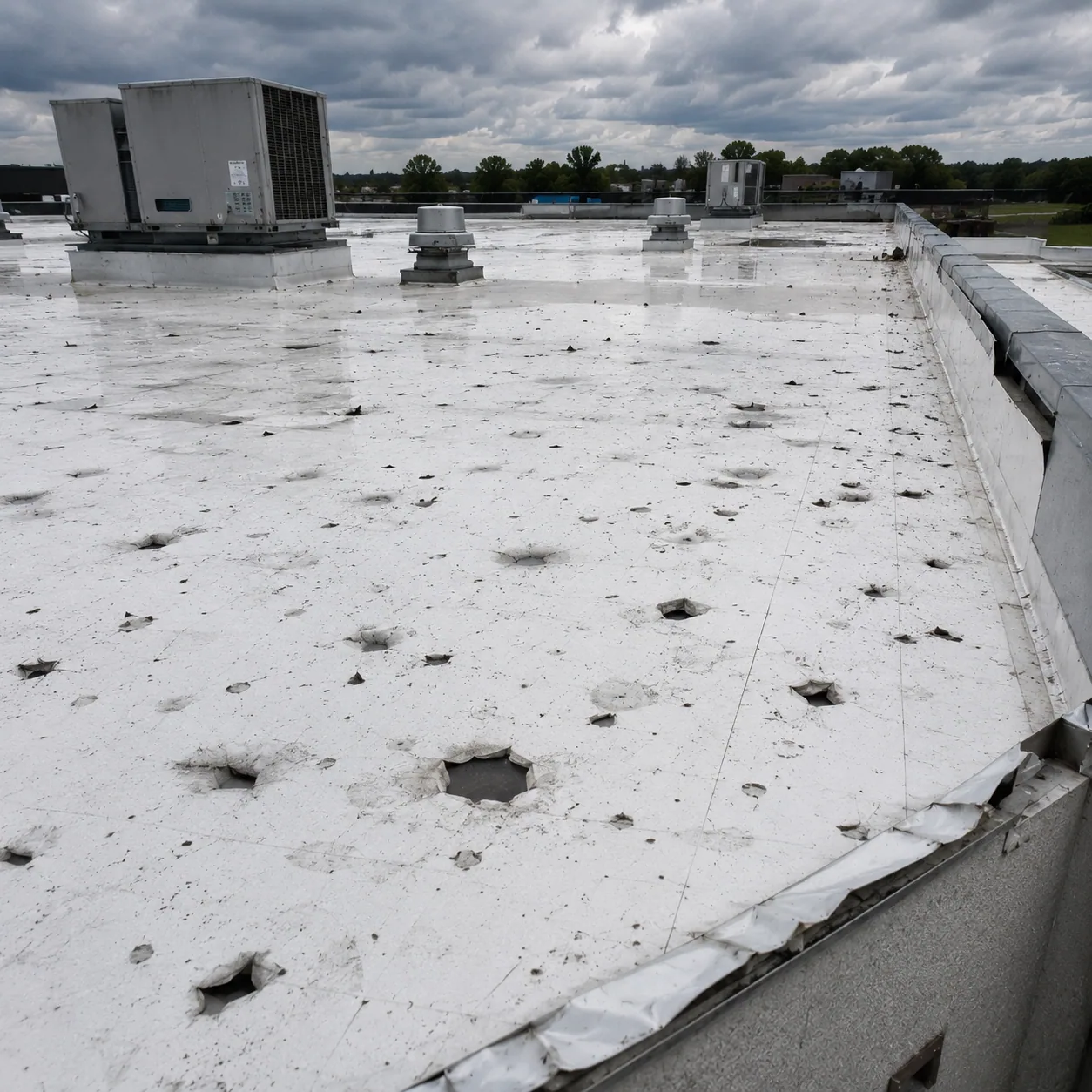
Commercial Hail Damage Roof Repair
Trace the leak at the opening
Service Area
Topeka, Auburn, Silver Lake, Carbondale, Rossville and Shawnee County, KS
Quick Contact
Email: [email protected]
Phone: 555-555-5555
Request a Roof Assessment
Send the Topeka address, affected room, opening or equipment location, recent photos, and access contact. We will inspect the transition and define a repair or test based on the roof condition and available access.