
Commercial Roofing in Wanamaker and 12th Street Area, Topeka, KS
Home / Service Areas / Wanamaker and 12th Street Area
Wanamaker Road and 12th Street form a retail and service area with access from I-470 and nearby commercial destinations. This intersection is one part of the larger Wanamaker Corridor, where each building has its own operating contact, delivery route, tenant schedule, and roof history. We confirm the property and roof zone before mobilization. Restaurant and retail activity make staging, delivery timing, and pedestrian protection part of the work plan. During the roof walk, we identify the installed membrane and details above the assigned space. Inspection findings rely on accessible seams, drainage, flashings, curbs, penetrations, and tested areas. A marked report keeps observations for separate structures distinct when one organization manages more than one location.
Roof details: Which points get checked?
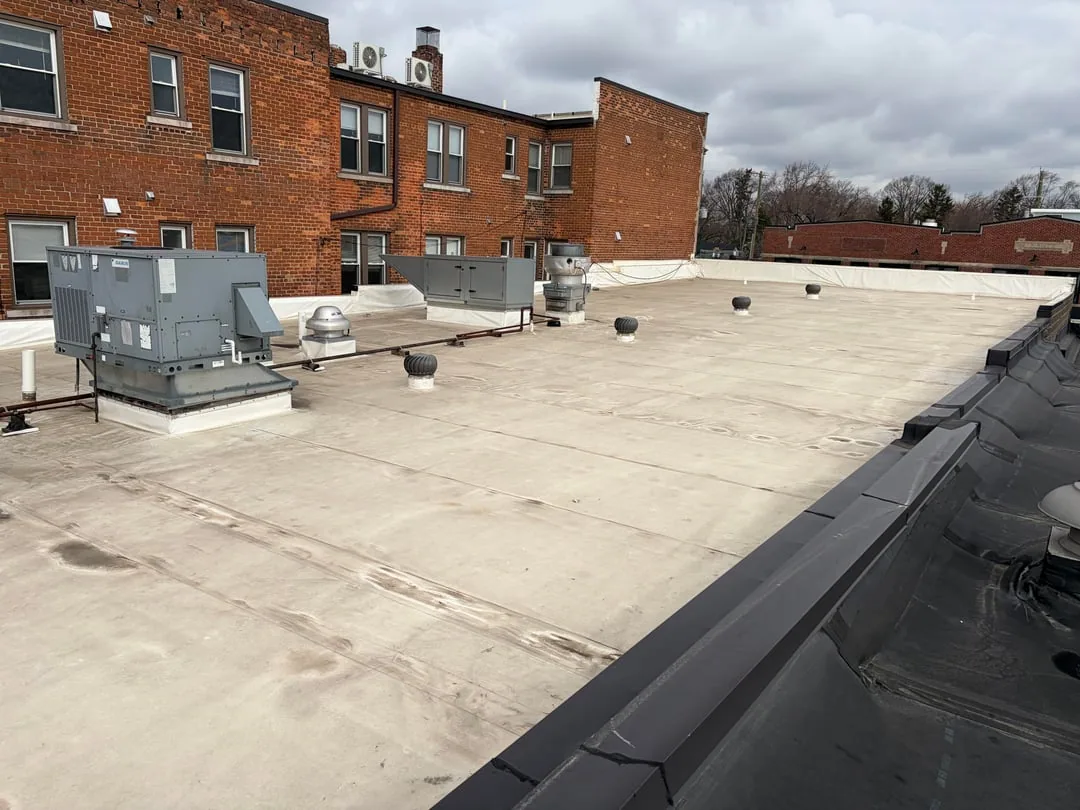
The first walk follows the reported leak to the roof zone above the affected tenant. We check membrane laps, wall transitions, curbs, penetrations, drain bowls, and edge terminations that fall within the assignment. Restaurant use can make exhaust or service penetrations relevant if they are present, but the tenant list alone does not confirm them. We document observed details, measure the affected area, and record any roof section that could not be reached.
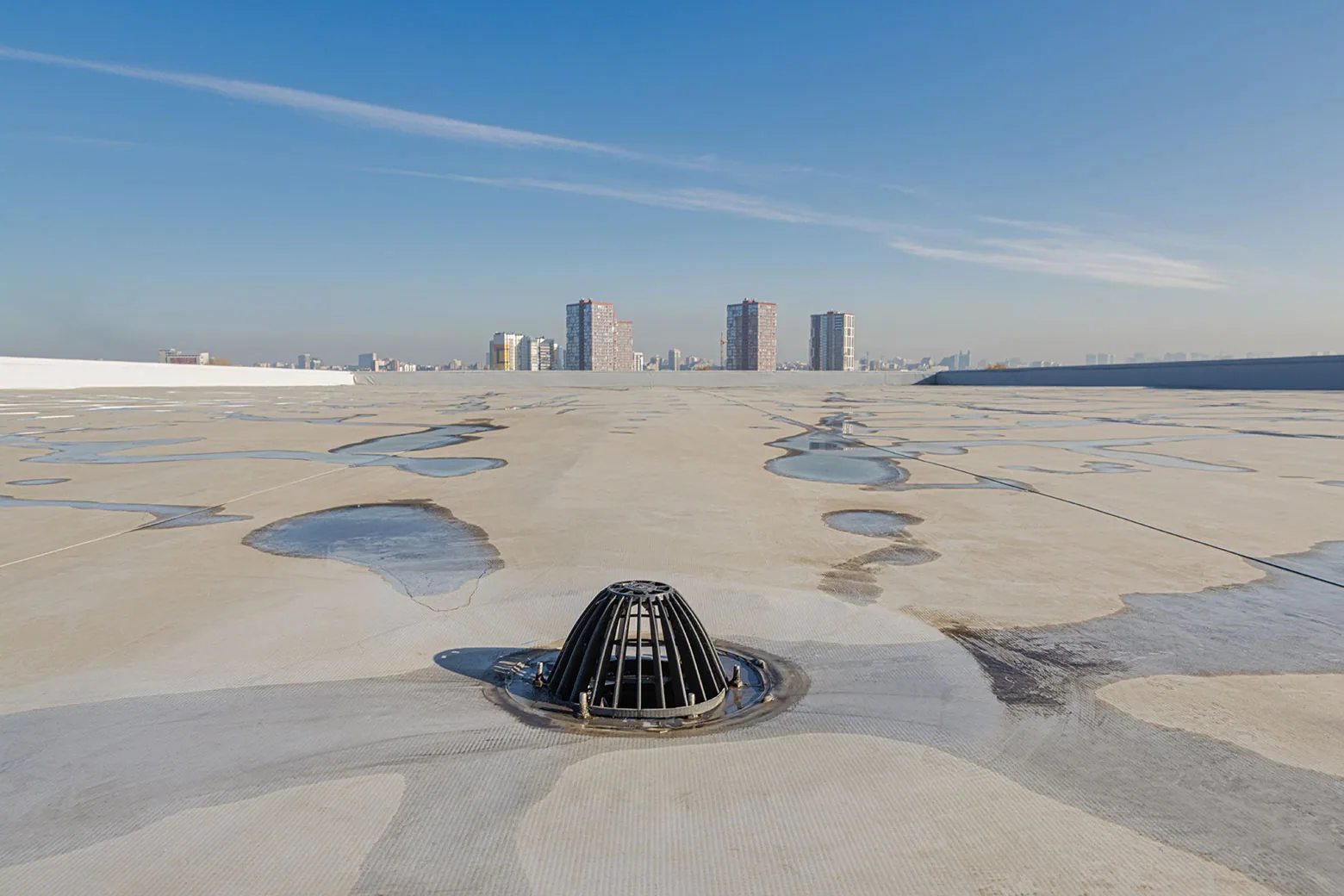
A ceiling mark may follow a longer path across insulation or deck before it appears inside. We compare the tenant's report and timing with the roof surface above, then test where the assembly and conditions allow. Each moisture reading is tied to its location and method. A commercial inspection report separates visible deterioration from confirmed wet insulation. Where an outlet is implicated, a drain check records whether the bowl, leader, and surrounding membrane are affecting the water path.
Wanamaker Road and 12th Street form a retail and service area with access from I-470 and nearby commercial destinations. This intersection is one part of the larger Wanamaker Corridor, where each building has its own operating contact, delivery route, tenant schedule, and roof history. We confirm the property and roof zone before mobilization. Tenant hours and loading patterns guide material delivery and safe pedestrian routes. The inspection records the roof system, curbs, drains, and flashing details above the space in the work order. Inspection findings rely on accessible seams, drainage, flashings, curbs, penetrations, and tested areas. A marked report keeps observations for separate structures distinct when one organization manages more than one location.
Tenant schedule: How is service protected?
A multi-tenant center requires one point of contact for access and clear instructions for the suite below. We confirm sign-in, roof entry, staging, deliveries, interior protection, and any hours when noise or temporary separation is permitted. Food service may have specific customer and staff circulation to preserve. The manager and tenant identify the working boundary; our sequence names when the roof can be opened and how it will be secured before the crew leaves.
Wanamaker Road and 12th Street identify the center's location, while the project contact identifies the contractor route and loading instructions. We do not use a public entrance as a material path without approval. A phased occupied-property plan can split larger repairs into short, watertight stages. If the leak reaches a food-preparation or storage area, the tenant determines what interior protection and release steps are required before that area returns to service.
Repair versus renewal: What changes the scope?
A focused repair can work when the failed detail is isolated, nearby material is stable, and the substrate is dry. We prepare the surface and use compatible materials to close the defect at sound roofing. If testing identifies wet insulation or a damaged deck, the measured removal quantity may reach beyond the interior symptom. The proposal gives the reason for that boundary and identifies any concealed area that needs an owner decision before added work.
When deterioration appears in multiple zones, we compare targeted repair with recover or replacement. The decision accounts for the existing layers, deck, drainage, edges, and the practical cost of repeating access above active tenants. We use field dimensions rather than the number of restaurant listings to price roof work. A repair estimate can isolate known defects, while a replacement review identifies what assembly questions need to be answered before capital work is priced. Immediate leak control stays separate from longer-term recommendations. A cost review also lists access equipment, protection below, testing, disposal, and the time needed to secure the roof between shifts. If a repair can proceed in a short window, we state that assumption. If the work needs more tenant coordination, the estimate identifies the sequence and the person who can release each phase.
Topeka weather: What changes after a storm?
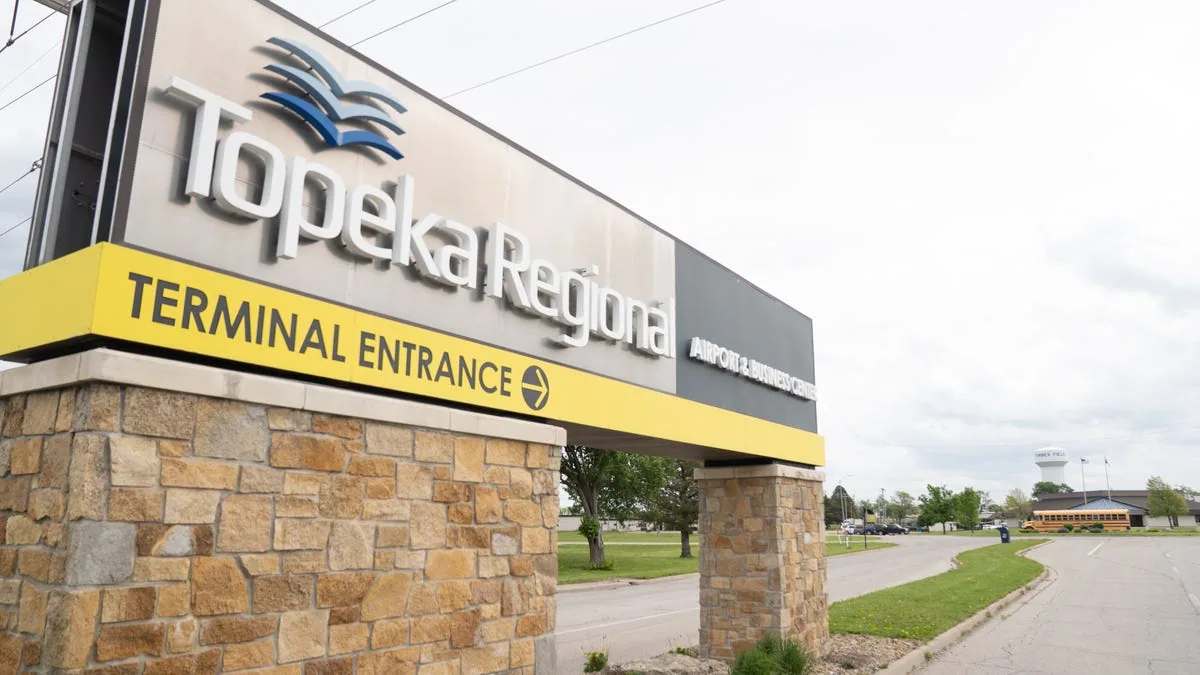
Topeka's climate normals show about 36.5 inches of annual precipitation, split across summer thunderstorms and winter precipitation. That pattern makes clear outlets and secure temporary cover relevant to a repair schedule. When a tenant reports possible storm effects, we inspect the roof zone named by the owner, check edges and exposed details, and photograph marks or displacement. The scope records observed evidence and does not treat the report alone as a diagnosis.
Winter conditions can delay roof access or leave water held near an outlet. We note unsafe or inaccessible sections, protect any open work, and set a return visit when conditions allow. 29th Street and Wanamaker Corridor is another named retail center in the 29th Street and Wanamaker corridor; Fairlawn and 29th Street Commercial Area is in the Fairlawn commercial area near 29th Street. Those places help describe Topeka's retail context, but their roof conditions do not describe the assigned property. A wind-damage review ties findings to visible evidence and the tested area.
Owner handoff: What stays in the file?
Closeout records the date, roof section, photos, field dimensions, materials installed, and any limit on inspection. We state whether the roof is permanently repaired or temporarily protected. If a tenant room or roof zone remained inaccessible, that exception stays visible along with the next action required. The record gives the manager a baseline for future work and prevents an untested area from being treated as cleared.
For a multi-tenant property, the maintenance file should keep suite reports tied to the roof zone above them. We can label the work by building, tenant, and area, then list any follow-up test or monitoring date. A roof condition report carries those observations into capital planning. To start an inspection, provide the center address, suite or room, leak timing, access contact, and available roof documents. We return a scope with measured quantities and the approval point for concealed conditions.
Commercial Roofing Questions
Does the tenant list prove there are restaurant exhaust curbs on this roof?
No. It tells us which operations may need coordination, not what is installed above them. We inspect accessible roof details and record any curb, penetration, or flashing that is actually present. The repair scope follows those findings.
How do you keep a repair from affecting customer access?
The manager and tenant set the approved route, work hours, and any area that needs separation. We stage materials accordingly, protect the interior where required, and close each shift with a secure roof. The plan names who can release the affected space.
Can you use the I-470 access as a crew entrance?
The intersection locates Wanamaker Crossing, but it does not define contractor entry or delivery rules. We confirm the approved loading point and route with the property contact before mobilization. That confirmation becomes part of the work plan.
What evidence supports a storm repair?
We inspect the assigned roof area for impact, displaced edges, open seams, and related details. Photos and test locations identify what was observed. A regional hail or wind record supports timing context but does not replace the property inspection.
Why might roof testing add time before permanent work?
A concealed wet area can change removal limits and materials. Testing helps mark that boundary before the owner approves added work. If the schedule requires immediate protection, we can document a temporary measure separately and return for the permanent scope.
Related Roofing Work
Commercial Roof Inspection
Commercial Roof Drains and Scuppers
Occupied Commercial Building Reroofing
Commercial Roof Repair
Commercial Roof Replacement
29th Street and Wanamaker Corridor
Request a Wanamaker Crossing inspection
Service Area
Topeka, Auburn, Silver Lake, Carbondale, Rossville and Shawnee County, KS
Quick Contact
Email: [email protected]
Phone: 555-555-5555
Request a Roof Assessment
Provide the center address, affected suite, roof concern, access contact, and any maintenance records. We will identify the work zone and return a measured scope.