
Commercial Roof Edge Metal, Coping, and Gutters in Topeka, KS
Home / Commercial Roofing Services / Commercial Roof Edge Metal, Coping, and Gutters
A separated coping joint can admit water behind a parapet long before a ceiling mark appears. We inspect the cap, cleat, fasteners, seams, edge metal, gutter, and membrane termination as one connected detail. Topeka’s documented wind events make attachment worth checking, while annual precipitation puts drainage capacity into the same review. At Goodyear Topeka Plant, industrial operations shape access and staging; occupied offices downtown can change the work window. The property and detail set the repair boundary.
Inspect: Which edge components move together?
We follow the assembly from membrane termination across the edge or parapet and into the gutter or downspout. The inspection checks laps, cleats, fasteners, sealant, corners, joints, end dams, and visible movement. We compare that detail with the roof condition nearby instead of treating a loose cap as an isolated piece of metal. A roof condition inspection can map edge sections, photographed defects, access limits, and the next test needed.
Water entry at a wall may travel behind the metal before showing indoors. We compare room locations with parapet transitions, seams, penetrations, and drainage paths. A leak trace can help identify whether water entered at coping, flashing, a roof lap, or another detail. The report labels confirmed openings separately from suspected paths so a repair estimate does not extend beyond evidence.
Wind: What does movement tell us?
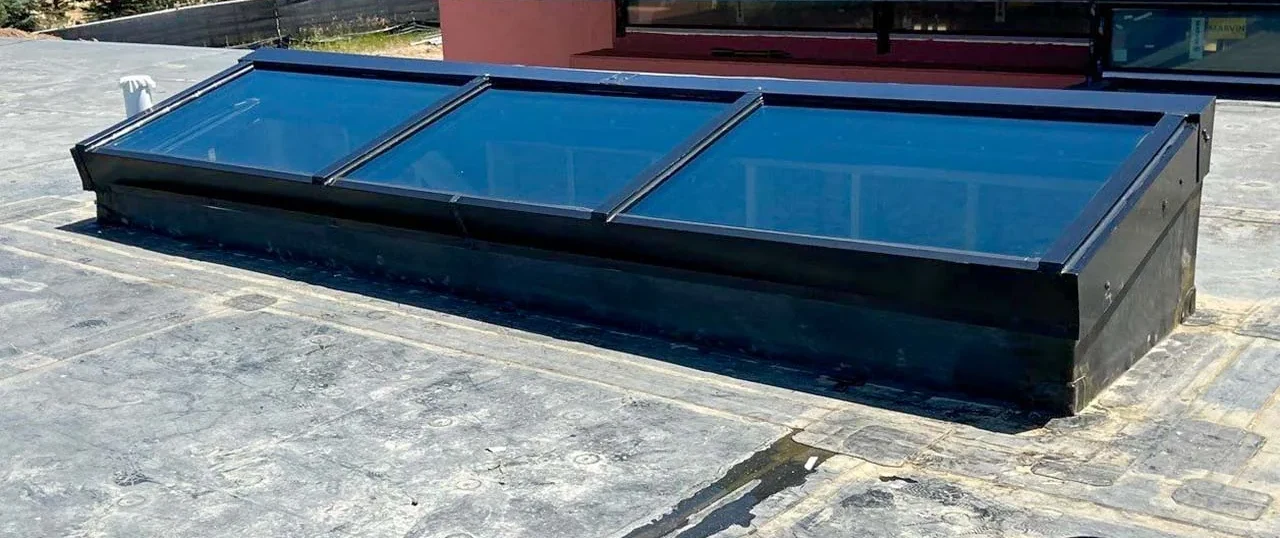
Lifted edge metal, opened joints, loose fasteners, and displaced coping can expose the roof perimeter. We photograph attachment points and adjacent membrane, then note whether movement is isolated or continues along a longer run. Topeka’s severe wind record supports inspection after an event, but the field condition establishes what repair is needed. A wind damage review can record displacement by elevation and roof zone.
Where fasteners have loosened, we inspect the substrate and spacing rather than adding sealant over a moving joint. Corners and terminations can experience different loads from a straight run. At the Topeka Regional Airport Business Center, operators use freight, trucking, fuel transport, distribution, construction, and warehouse space; that property mix does not reveal a roof’s edge detail. We verify the actual assembly and contact before scheduling a lift or barricade.
Drainage: Where should runoff go?
Gutters and downspouts must carry runoff without backing water toward a roof edge or wall. We check slope, hangers, seams, outlets, joints, discharge points, and signs of overflow. Debris removal may restore flow, while a detached section, failed outlet, or undersized transition needs a defined repair. A drainage assessment can check how the roof surface feeds the outlet and whether ponding extends beyond the gutter. We inspect splash blocks and discharge paths at grade where accessible, since water released beside a foundation can create another building concern. The scope states which portion of the route was inspected.
Winter precipitation can leave ice at a discharge point or slow drainage near a parapet. We note safe access limits and schedule a return if frozen conditions prevent inspection. A blocked downspout may push water behind a fascia; a roof drain issue may leave water within the membrane field. Those paths require separate observations. Near Heartland Synergy Park, we confirm each tenant’s loading and service routes before staging equipment below an edge or gutter line. If runoff crosses a walking or vehicle path, the contact identifies a safe temporary route while the correction is scheduled.
Scope: What belongs in an edge repair?
A repair scope identifies the metal profile, measured run, corner or joint, attachment method, membrane tie-in, and any substrate work. We confirm material compatibility and the point where new work connects to sound existing construction. If concealed wood nailer, deck, or insulation may be damaged, the proposal names the opening and approval needed before quantity expands. A repair plan separates known edge work from conditions that remain hidden. We also account for corner pieces, end conditions, laps, and transitions that can add fabrication or field-measurement time. Those quantities are listed by location for review.
Replacement of a long coping run may require lift access, traffic control, protection below, or temporary weather cover. We calculate those needs from the building and installation sequence. The owner sees options when a localized joint repair can be compared with replacing a longer section. We do not bundle a full perimeter into a small leak scope without measurements and approval. Each choice states what is included and how the finished termination will be checked.
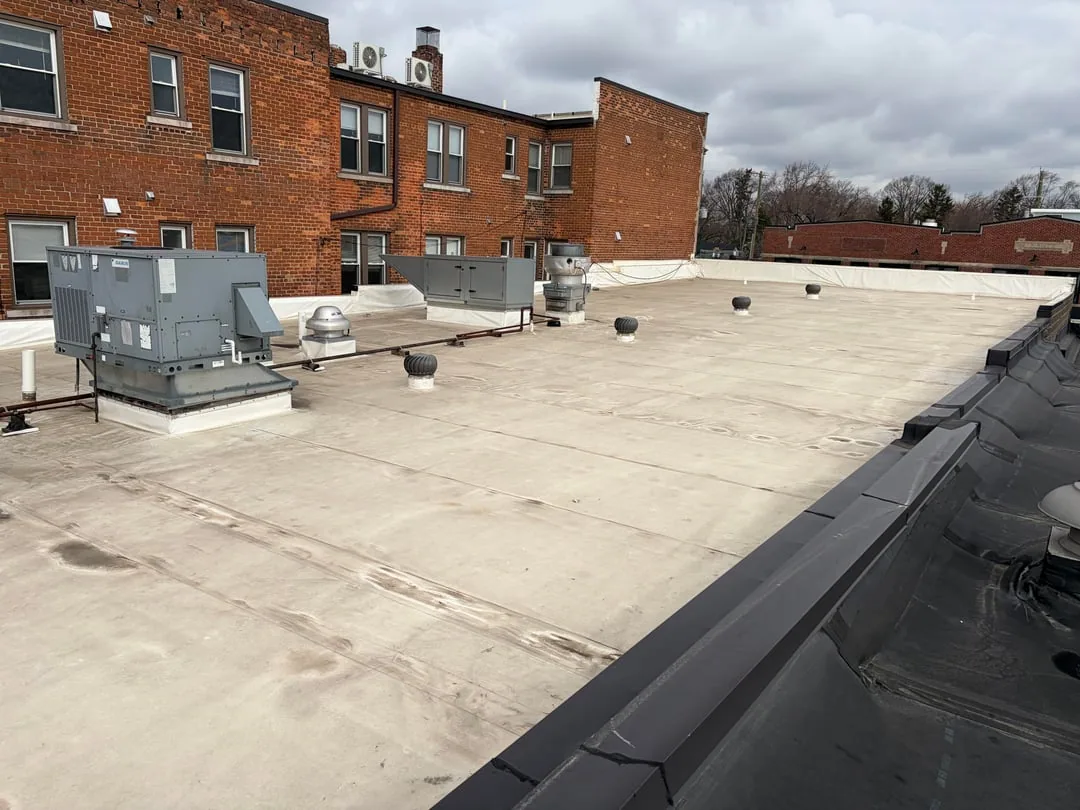
At a parapet and roof perimeter, inspect membrane termination, cleat attachment, joint cover, and counterflashing as connected layers. A loose coping cap cannot be corrected with sealant alone if its splice or fastening has opened; a secure cap still leaves the membrane termination to inspect. We photograph both sides of a joint, map movement, and note adjacent gutter or downspout condition. The proposal identifies whether the repair is a splice, fastening, replacement length, or membrane tie-in, with any substrate repair listed separately. That keeps water-entry and wind-resistance work within the assembly actually examined. Unreached corners remain outside this repair quantity.
Closeout: How is the perimeter documented?
We photograph before and after conditions, label elevation and roof zone, record material or attachment details where known, and note any section left for monitoring. The closeout identifies the repair limit and whether gutter flow or a joint test was checked. A condition report can attach the images to the roof plan so future service starts at the same perimeter section. We list concealed areas that were not opened and note any temporary cover, new fasteners, or metal fabrication completed during the visit.
After heavy weather, compare new photos with the repair record before assuming that a moved cap is the original defect. A nearby opening can come from another seam or penetration. We document each finding at its own location and distinguish completed work from a return item. That gives facilities staff a clear maintenance list and lets the owner decide whether to repair another isolated detail or evaluate a longer edge assembly. When a gutter or downspout is replaced, the record identifies the discharge point and any adjacent paving or walkway that should be checked during the next rainfall.
Commercial Roofing Questions
Why is water showing below a roof edge?
Water can enter at a coping joint, membrane termination, gutter connection, or nearby wall flashing, then travel before it appears inside. We inspect connected details and map the likely path before setting a repair boundary.
Can sealant stop a loose coping cap?
Sealant does not correct failed attachment or movement. We check the cleat, fasteners, substrate, and joint design, then specify a compatible correction at the section that has shifted.
How do you check a gutter that overflows only during heavy rain?
We inspect debris, slope, hangers, seams, outlets, downspouts, and discharge conditions. The visit records what can be observed and whether a flow test or another inspection window would clarify the cause.
Does wind damage require replacing the full perimeter?
Not automatically. We measure displacement and inspect adjacent attachment, corners, and membrane termination. The estimate separates a local repair from a longer replacement option when both fit the documented condition. The owner can review each quantity before selecting a scope.
What access information should I provide?
Share the building address, affected elevation, lift or escort rules, traffic routes, operating hours, and any interior leak location. We use those details to plan safe staging and protect occupied areas below. Include after-hours contacts if the work window may change.
Related Roofing Work
North Topeka US-24 Industrial Corridor
Commercial Roof Inspection
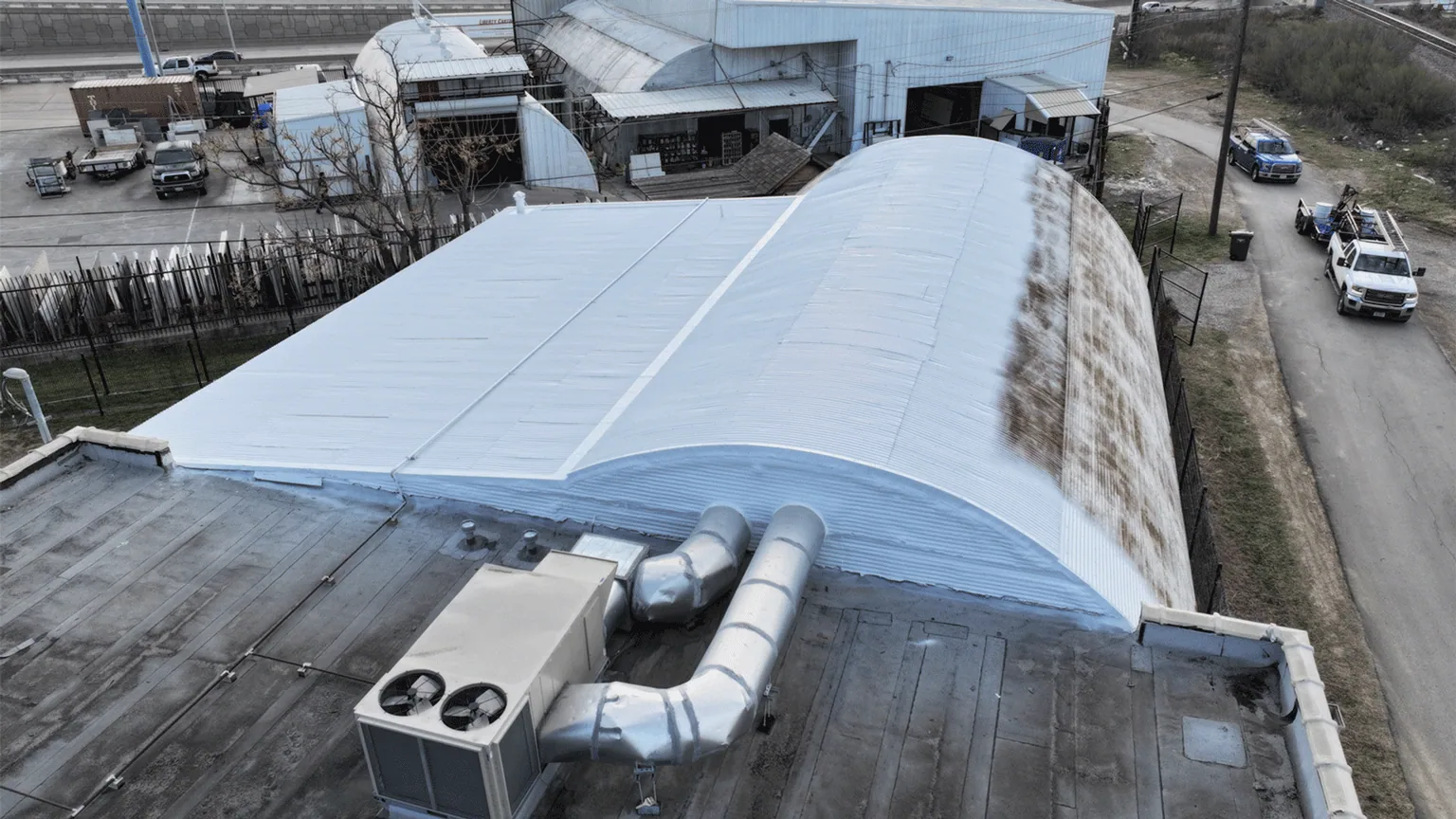
Commercial Roof Leak Repair
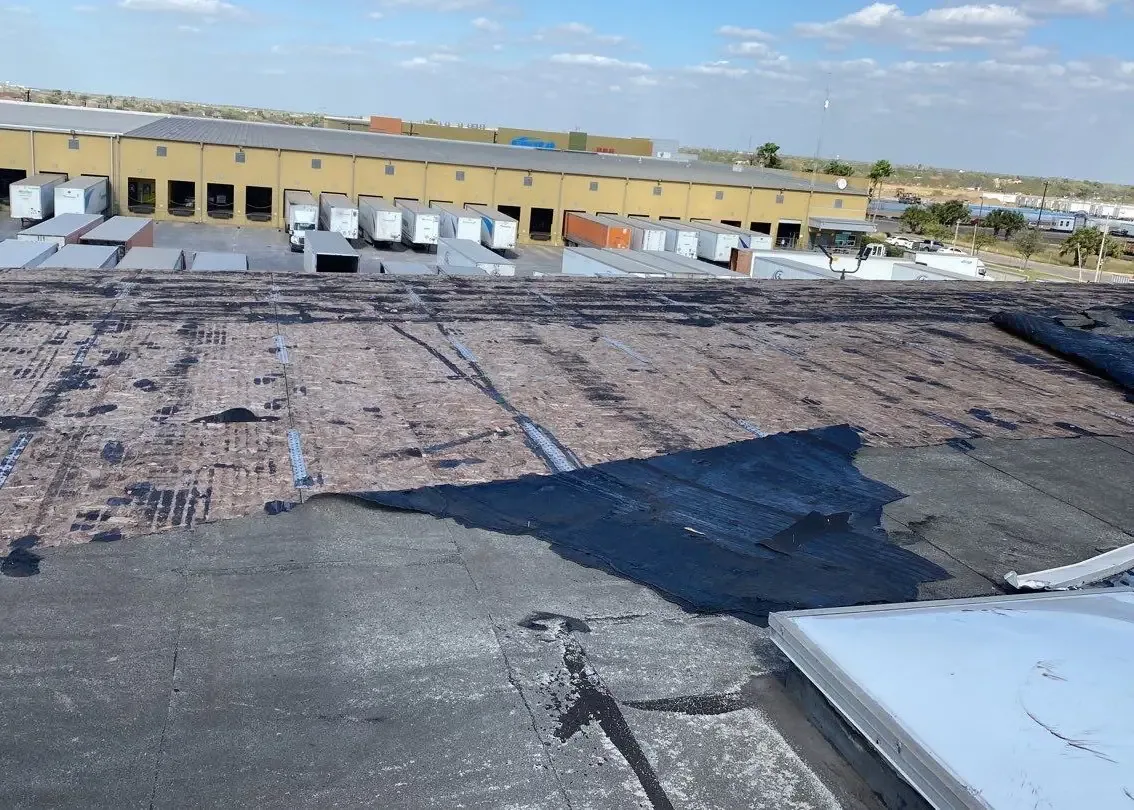
Commercial Wind Damage Roof Repair
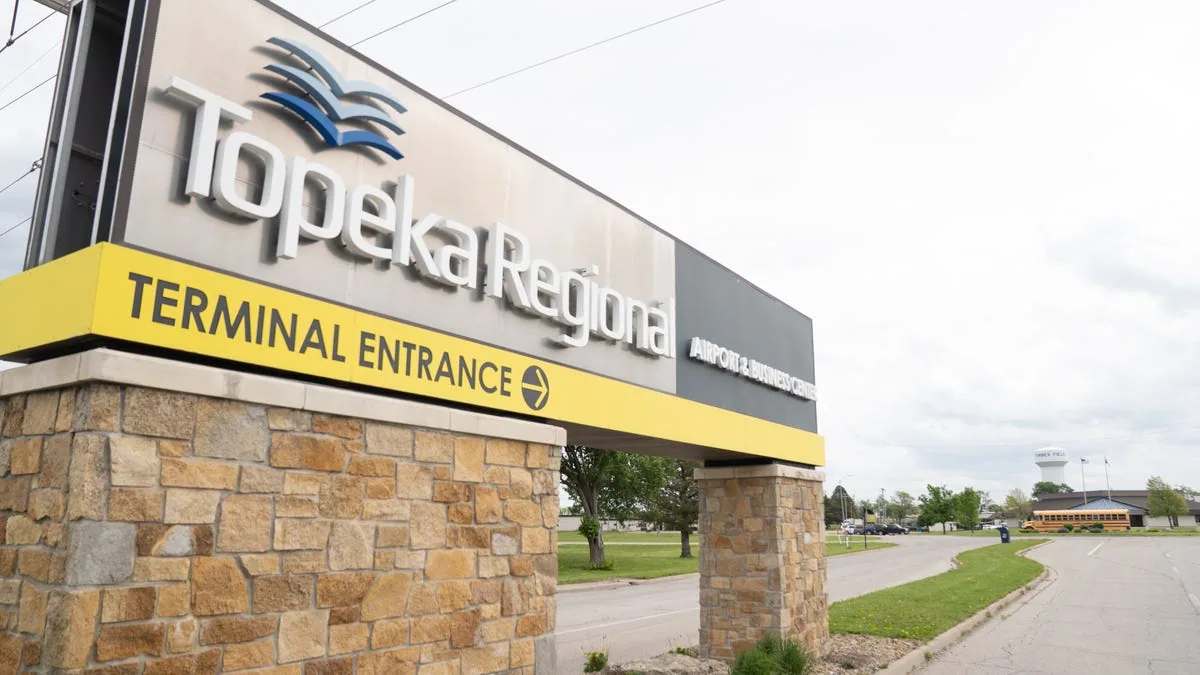
Topeka Regional Airport Business Center
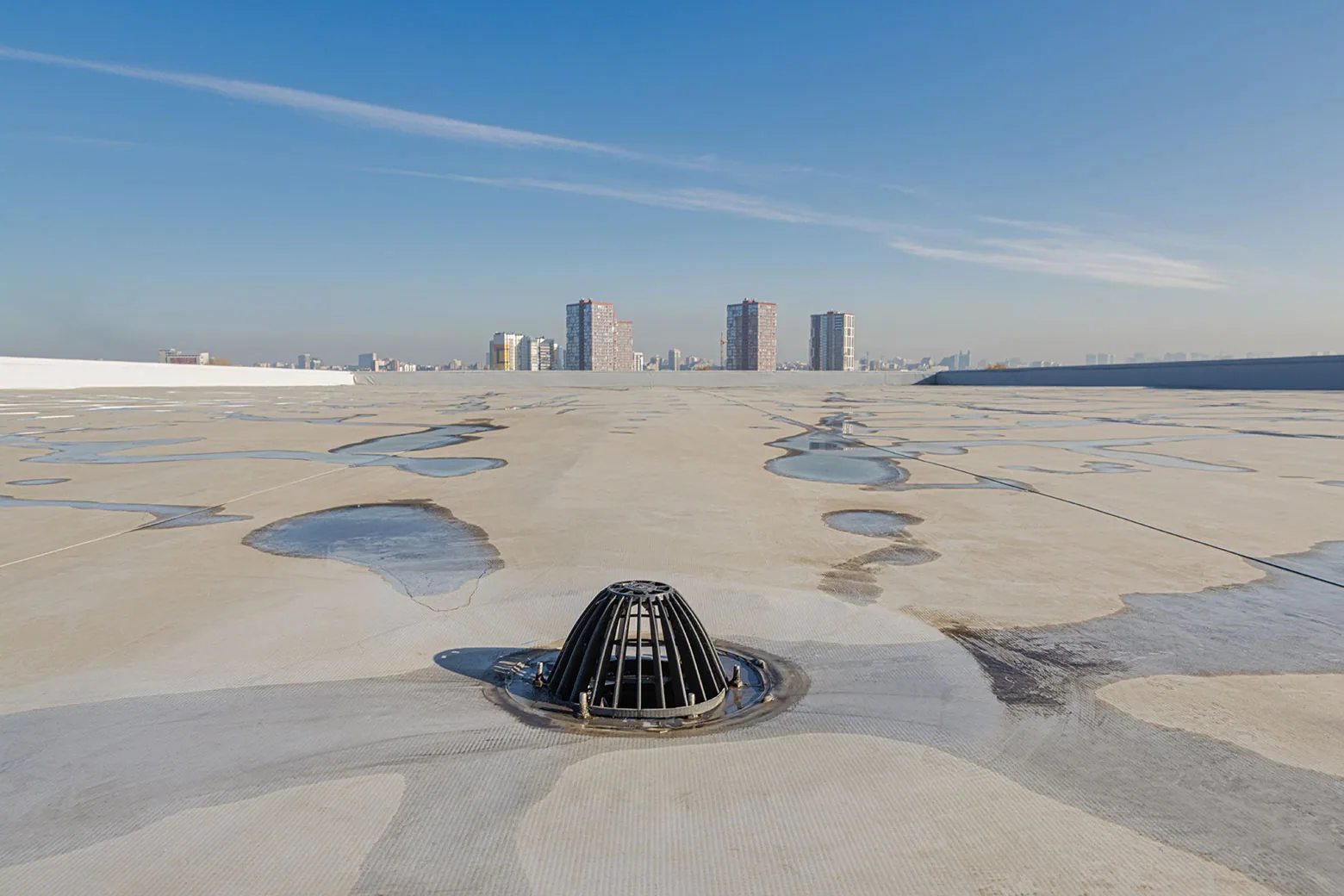
Commercial Roof Drains and Scuppers
Inspect the roof perimeter
Service Area
Topeka, Auburn, Silver Lake, Carbondale, Rossville and Shawnee County, KS
Quick Contact
Email: [email protected]
Phone: 555-555-5555
Request a Roof Assessment
Send the Topeka address, affected edge or gutter location, roof plan, access contact, and photos from safe ground-level positions. We will inspect the connected details and return a measured repair scope before work is scheduled, based on the field conditions.