
Commercial Roofing at Washburn University, Topeka, KS
Home / Service Areas / Washburn University
A membrane breach above classroom space needs a defined dry-in plan before removal starts. Washburn University occupies a campus first established on 120 donated acres in Topeka, and its record includes significant tornado damage in 1966. The tornado belongs in the campus weather record; a current inspection maps each roof's condition. We check the approved building, trace reported water, and document seams, flashings, drains, and tested areas. The repair boundary follows what the inspection confirms. Topeka's precipitation and winter weather also make drainage a practical part of the campus maintenance record.
Campus inspection: Which roof details are measured?
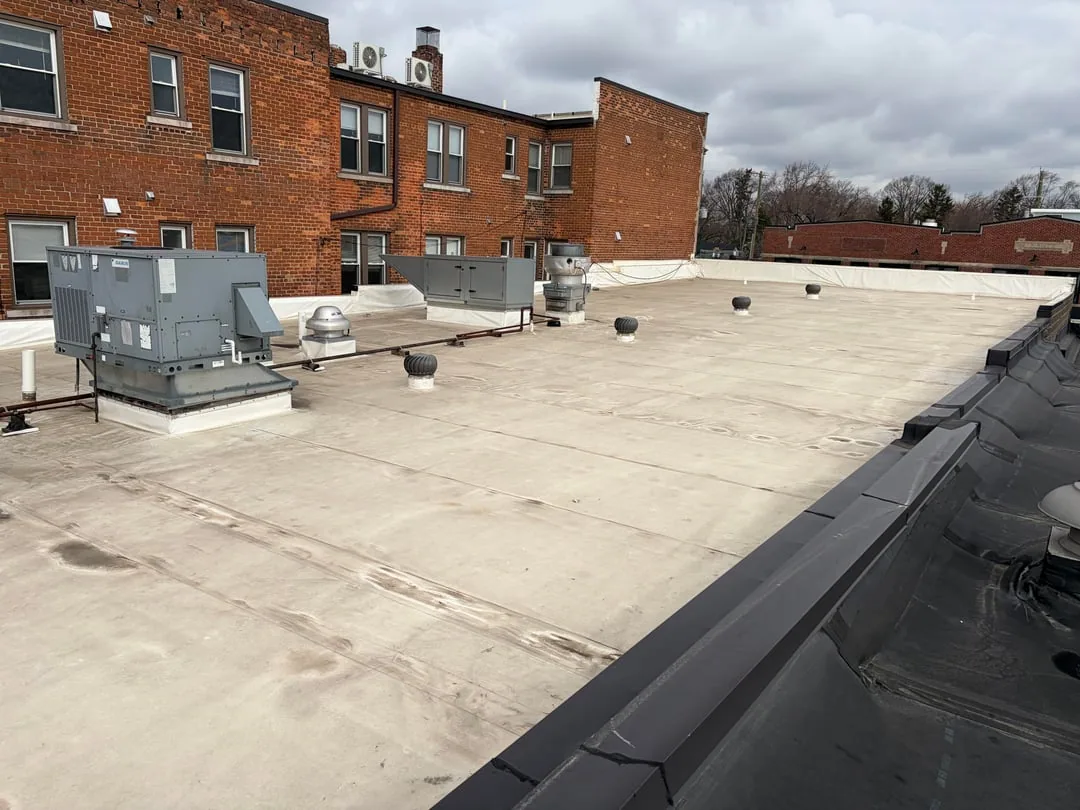
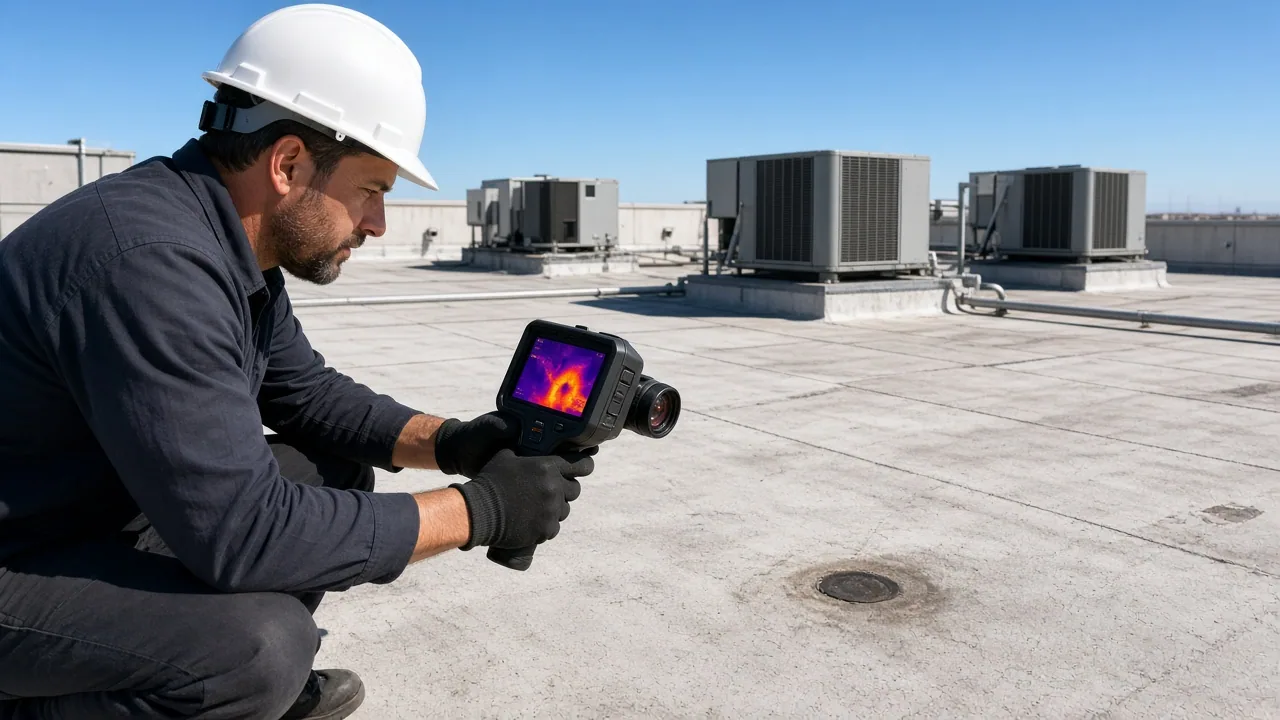
We start with the building contact's leak report, roof access instructions, and any prior repair sketch. On the roof, we inspect membrane seams, wall transitions, curbs, penetrations, edge metal, and drain bowls around the reported area. A ceiling stain may sit away from the entry point, so we follow the water path across adjoining details. Moisture testing can help locate wet insulation, but a reading applies to the tested section only. The report separates visible damage, confirmed moisture, and areas that remained concealed.
Campus maps and access rules help locate a building, but roof entry and interior permissions still need confirmation. We coordinate hatch keys, escorts, and any rooms that need protection. If an elevation is difficult to reach, drone images can preserve its condition while hands-on checks assess accessible seams and terminations. A campus roof inspection gives facilities staff dated photographs, field dimensions, and a list of repair, maintenance, or testing items. A separate moisture survey may help prioritize selective openings when the roof assembly warrants additional confirmation.
A large campus can contain multiple roof types, construction periods, and maintenance records, so inspection should be organized by building and roof section. Facilities staff identify the priority buildings, approved access, and any rooms or equipment needing protection. We compare plans with visible edges, drains, penetrations, and previous repairs, then note differences that may affect repair quantities. Weather history helps set inspection priorities but does not show current damage. A phased asset record lets the university compare urgent leaks, preventive work, and longer-term replacement needs while retaining separate evidence and approvals for every structure.
That record supports campus planning without overstating what a single roof walk establishes.
Storm history: How does the 1966 event inform a roof walk?
During the 1966 Topeka tornado, damage reached each building on the Washburn University campus. That event gives the campus a documented severe-weather history. We inspect each roof zone for displaced edge components, punctures, loose flashings, open seams, and water entry, then photograph details and compare them with interior reports. We record each affected roof zone, photograph details, and compare interior reports with the exterior path. If an insurance file is needed, the condition record separates storm observations from earlier maintenance concerns.
Topeka also has documented hail and wind events in the northeast Kansas archive. After a storm report, we check exposed edges and roof penetrations before deciding whether an urgent patch or a broader investigation is appropriate. We photograph surface marks separately from openings or membrane failure. If water is entering, a storm repair assessment can stabilize the opening while preserving photographs for follow-up. A claim record keeps observed damage, temporary work, and permanent repair quantities separate.
Repair choice: When is a local patch enough?
A localized repair can fit when the membrane around a seam or flashing remains secure and testing does not find wet insulation beyond the defect. We clean and prepare the surface, use compatible materials, and tie the repair into sound roofing. If water has moved beneath the membrane, opening the roof may reveal a larger area or damaged deck. We mark the added condition, show the revised measurement, and contact the authorized campus representative before extending non-emergency work.
Replacement planning looks at insulation, drainage, deck condition, penetrations, and other roof layers. A recover requires review of attachment, drainage, and the layers below the visible surface. We price immediate leak control separately from long-term capital work so facilities staff can compare timing. A commercial repair scope addresses the confirmed failure. The proposal identifies assumptions that would change material quantities or access time. Facilities staff approve expanded removal before the crew exceeds a measured boundary, except for immediate protection authorized in the response scope.
Campus work window: How are classes and operations considered?
We confirm approved hours, access routes, staging, and areas below the roof before scheduling. The campus contact supplies the academic calendar, building schedule, approved hours, and access route. Work that exposes a deck needs temporary dry-in, interior protection, and a weather contingency. A repair involving odor, equipment, or repeated material lifts may require a different window from a surface patch. The superintendent records who can approve a scope change and who receives progress updates.
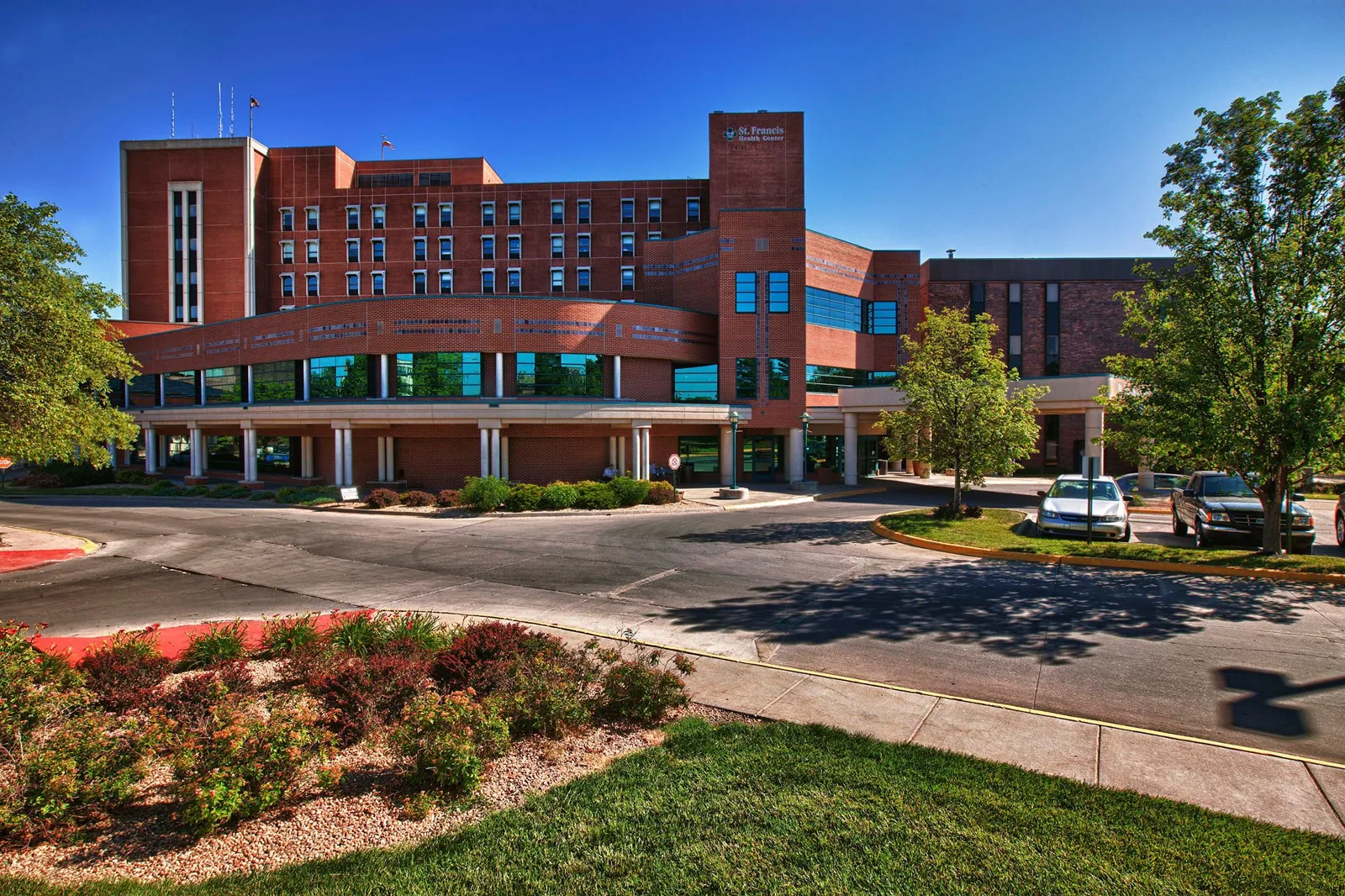
Topeka's major institutional properties include the Kansas State Capitol Complex and University of Kansas Health System St. Francis Campus. Each has a separate contact and operating plan. Washburn's own access and occupant conditions guide its work sequence. For planning several buildings, campus roof coordination can keep records consistent while preserving separate repair boundaries. Related work at Washburn Tech Main Campus or the Capitol District still requires its own inspection and authorized entry.
Closeout record: What should stay with facilities?
Keep the marked roof plan, photos, material notes, repair date, and any limits on access or testing. The closeout should state what was repaired, where the repair boundary ended, and whether moisture testing confirmed wet insulation. If a temporary seal remains, the record identifies its location and follow-up date. These details let a facilities manager compare a future leak with the original condition instead of guessing whether it is a new path.
Washburn's campus history belongs in the site's severe-weather context, while today's roof decisions depend on current evidence. A condition report can rank immediate repairs, maintenance, and longer-range replacement needs by building. The same record can identify roof areas that were not accessible and what approval would be needed to inspect them. A roof condition report provides that field basis. An unresolved item should name the roof zone, next inspection step, and party responsible for arranging access. That assignment keeps a follow-up from becoming an untracked note. Keep each building's findings in its own record.
Commercial Roofing Questions
Does the 1966 tornado history mean Washburn roofs have storm damage now?
No. The documented tornado is historical context, not a diagnosis of a current roof. We inspect the present membrane, edges, flashings, and interior reports, then distinguish visible damage from moisture confirmed by testing. Any recommendation follows current field evidence.
What should be included in a campus leak work order?
Include the building and room, date and time noticed, recent weather, and any changes in ceiling or equipment conditions. We use that information to locate the likely roof zone, then record our tested area and access limits. Photographs link the report to the repair boundary.
Can the university phase a larger reroof around building use?
Yes, when the assembly and project plan allow it. We identify phases, temporary tie-ins, material staging, and dry-in at each stopping point. Facilities staff confirm the acceptable work windows and affected rooms before the sequence is priced.
When does moisture testing change the repair scope?
A test can show whether water has reached insulation beyond a visible seam or flashing defect. We map the tested section and record the method. If results show wet insulation, the estimate can include its removal and replacement; if the area was not tested, that uncertainty remains explicit.
Related Roofing Work
Commercial Roof Inspection
Commercial Roof Infrared Moisture Survey
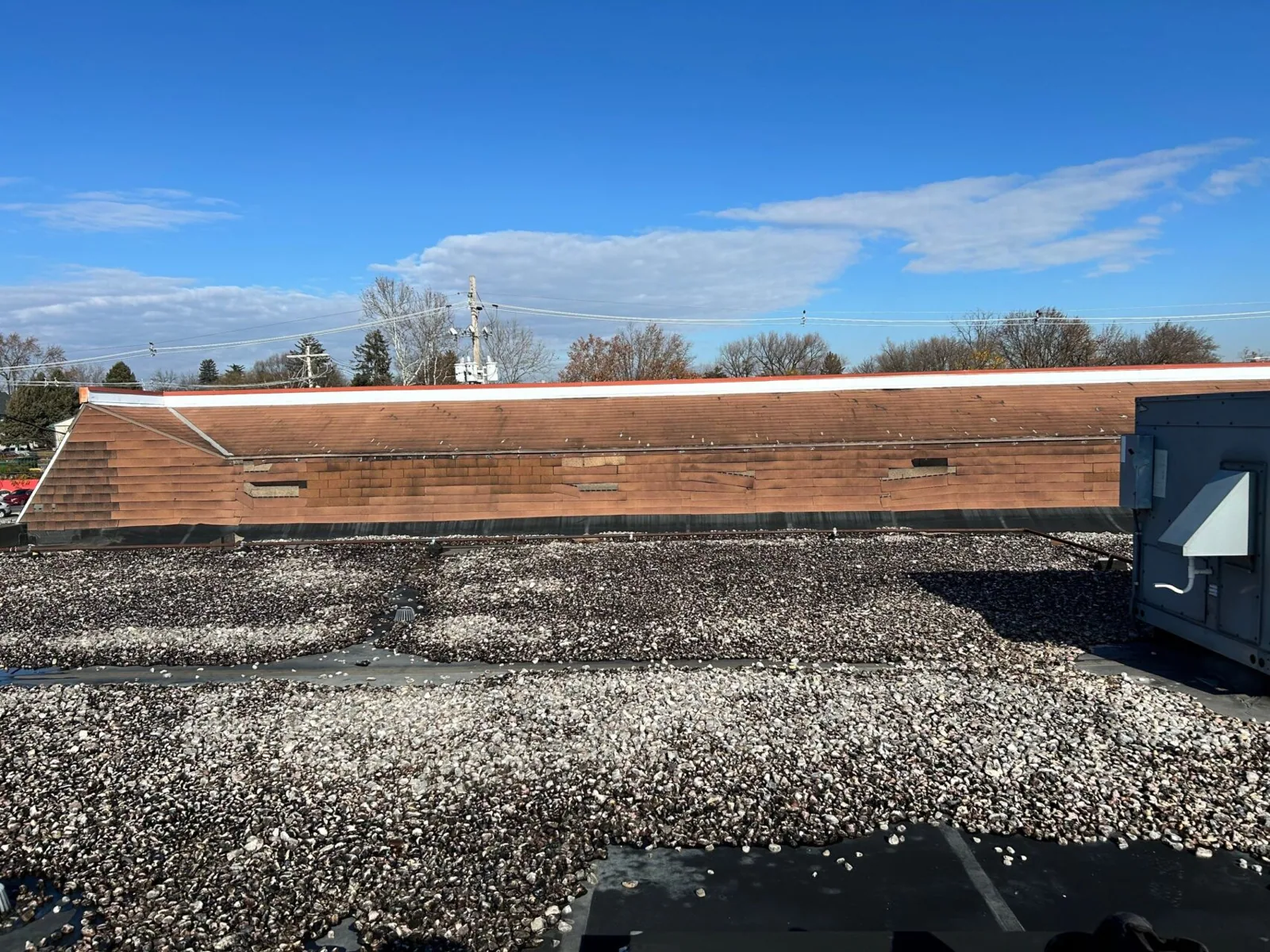
Storm Damage Roof Repair
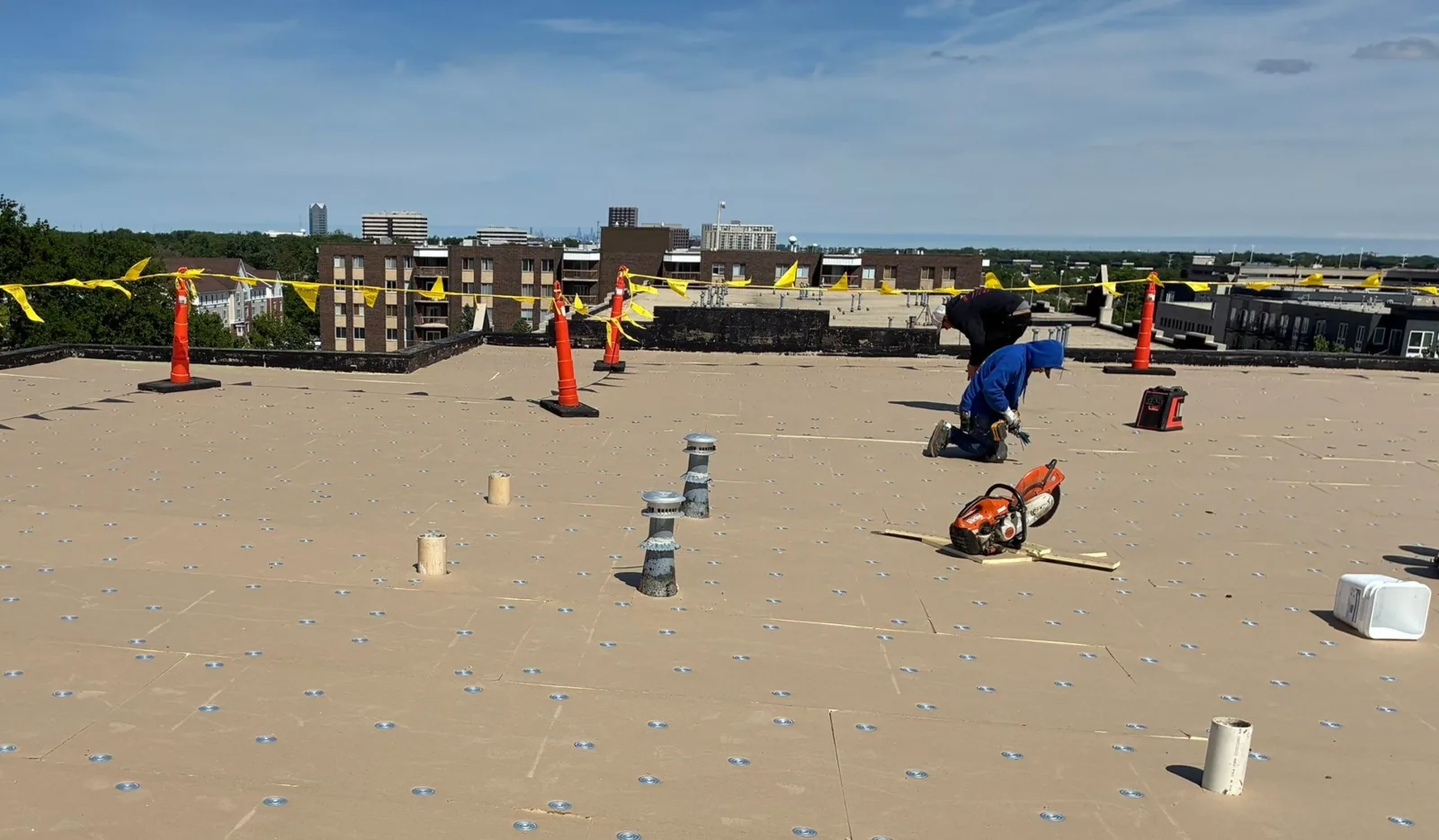
Commercial Roof Repair
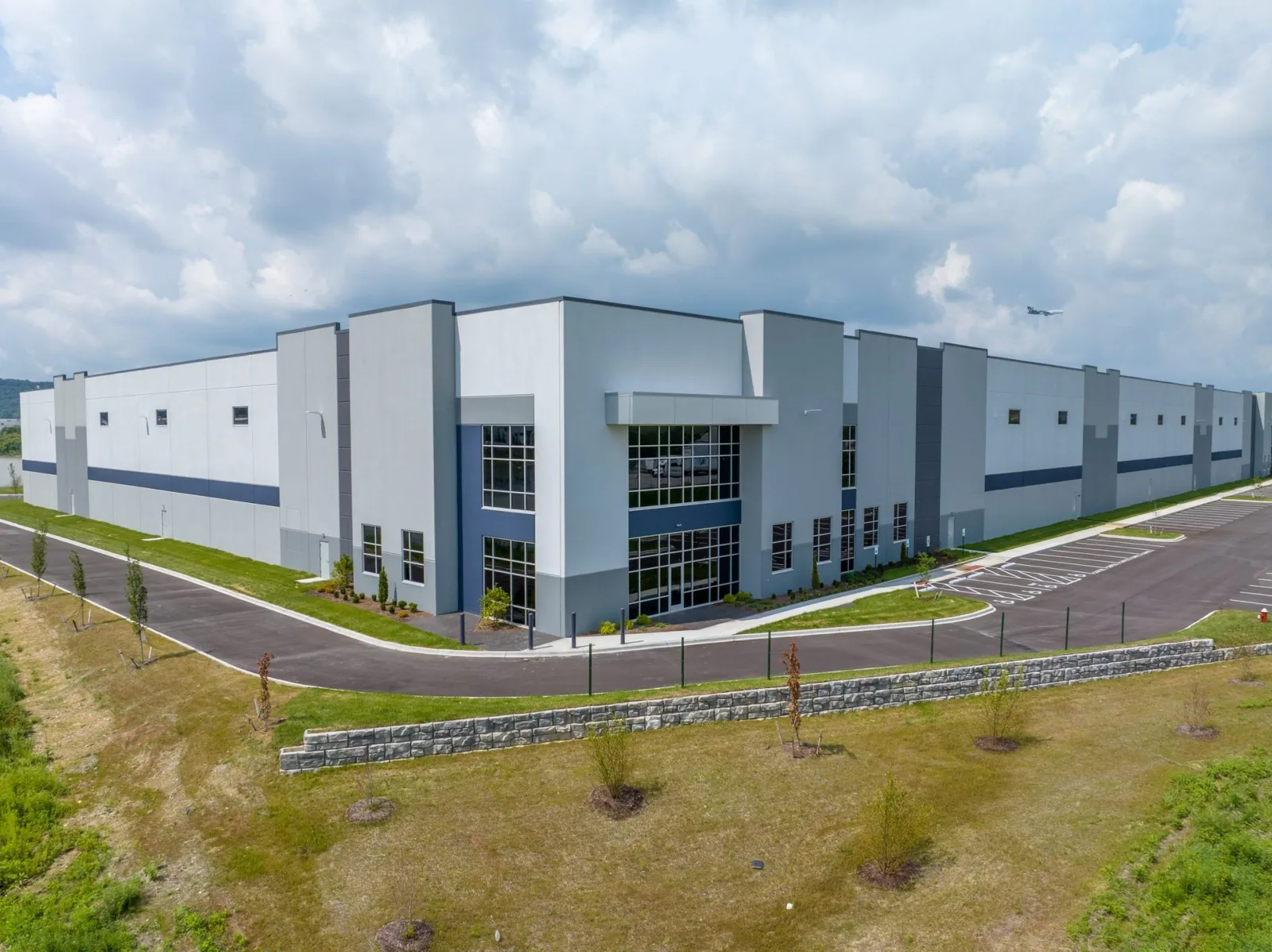
Multi-Site Commercial Roof Programs
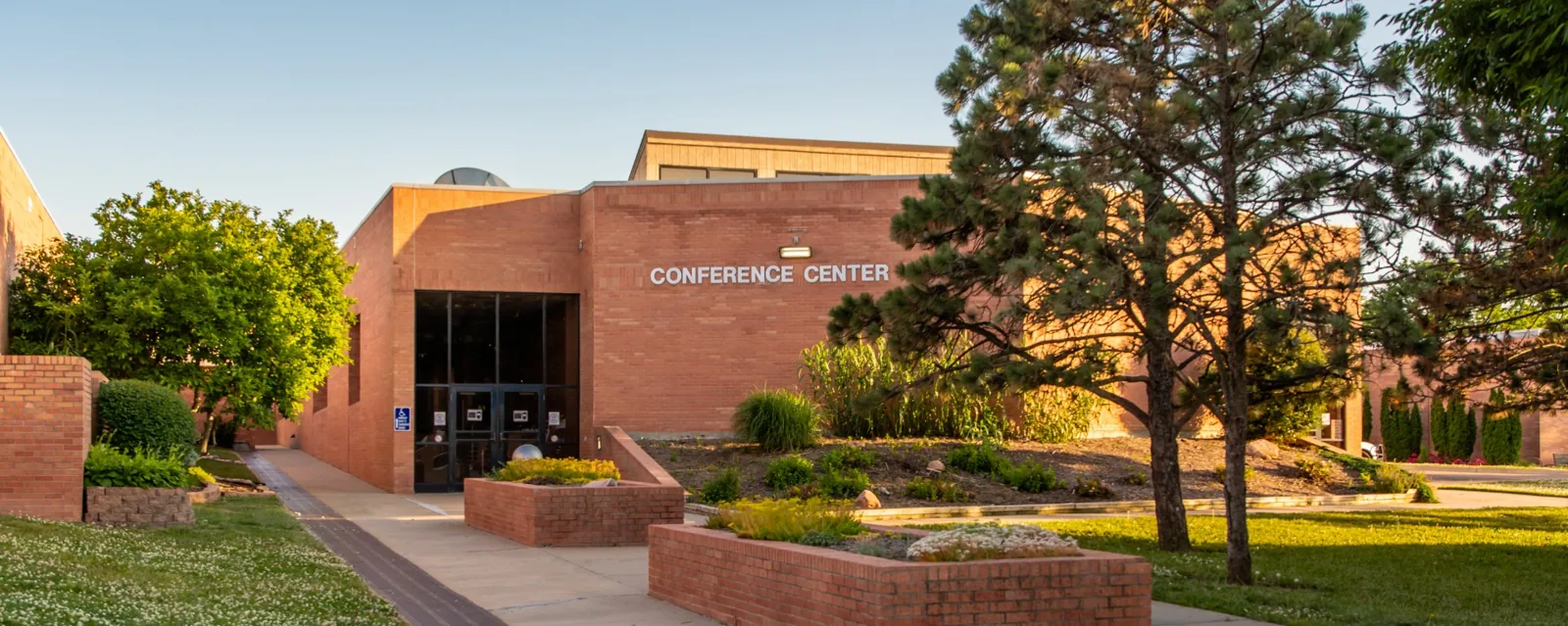
Washburn Tech Main Campus
Arrange a Washburn roof inspection
Service Area
Topeka, Auburn, Silver Lake, Carbondale, Rossville and Shawnee County, KS
Quick Contact
Email: [email protected]
Phone: 555-555-5555
Request a Roof Assessment
Share the building address or roof zone, current concern, campus access contact, and available repair records. We will confirm the approved route, inspection needs, and work window before defining the next step.