
Commercial Roof Insurance Claim Assistance in Topeka, KS
Home / Commercial Roofing Services / Commercial Roof Insurance Claim Assistance
A claim file gets harder to review when roof photos have no date, location, or scale. We document the reported condition at the Topeka property, map each finding to a roof zone, and separate observed damage from questions that need testing. Severe hail and wind appear in the city’s event record, but event context does not decide coverage or prove a building’s loss. At Topeka Regional Airport Business Center, operators may have distinct access rules; public properties near the Civic District need their own approval contact. The evidence stays tied to the address.
Record: What should the first inspection capture?
We note the date and time of the report, areas affected inside, roof zones reached, visible details, and any temporary protection installed. Photos include close views and context that shows the condition on the building. We label wet ceilings, lifted edge metal, punctures, displaced components, open seams, and existing wear separately. A commercial roof inspection can establish the assembly and current condition beyond the single area named in the initial call. We also note the route used to reach each photograph, so a reviewer can understand whether the crew inspected the whole roof or only the accessible section. Measurements identify repair dimensions without implying that unseen material has been opened.
Access limits belong in the record too. The report says which sections could not be reached and why, whether wet insulation was tested, and what evidence remains unconfirmed. A dated condition report preserves photos, roof plans, measurements, and follow-up actions in a format facilities staff can keep with the claim file. We identify the person who provided access and any interior rooms that were unavailable during the visit. If conditions require a second trip, the report lists what must be available and what question that visit will answer. That keeps the record useful even when weather or operations interrupt the first inspection.
A condition report documents roofing observations; it does not decide policy coverage or claim eligibility. We keep reported event details separate from dated photographs, measured areas, test results, and prior repair records. If the owner has an adjuster or claim representative, we can label the roof sections consistently so both files refer to the same locations. We do not assign a cause where the inspection cannot support one. Any visible older wear or unrelated maintenance item remains distinct from the reported damage. A clear record helps the owner and insurer discuss the physical evidence while keeping the roofing scope tied to work that the inspection supports.
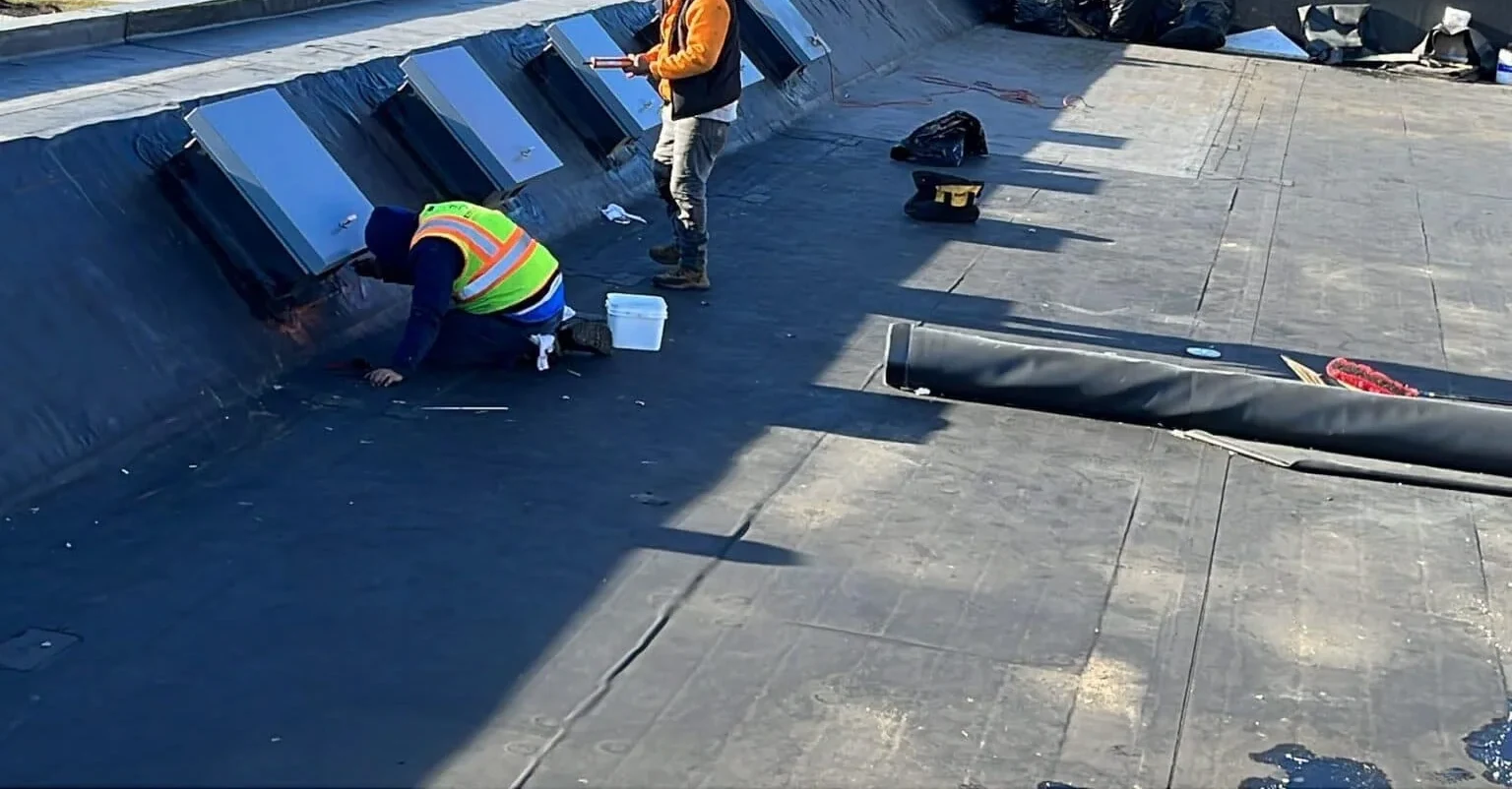
Damage: How is storm evidence separated from older wear?
Topeka has documented severe hail and wind events, and the 1966 F5 tornado crossed about 22 miles through the city. Those records provide regional context only. At the property, we look for impact marks, displaced metal, open laps, punctured membrane, or damaged flashing and compare those details with prior repairs and weathering. A hail damage inspection or wind damage assessment can organize observations by roof section.
Timing matters when matching an interior report to a roof condition. Water may move along a deck or insulation joint before appearing in a room, so the ceiling location alone does not establish the opening. We map likely paths and identify a targeted test if concealed conditions could change the repair. When a leak remains active, a temporary response can limit exposure while the claim documentation and permanent scope are prepared.
Scope: What work is supported by the inspection?
We describe each repair by material, preparation, measured area, access, and the point we will inspect at closeout. A local repair and a broader replacement are listed as separate choices when the evidence supports both. If opening the roof could reveal wet insulation or damaged deck, we state the condition that would change quantity and seek owner direction before proceeding. A repair estimate keeps the confirmed work separate from exploratory or concealed items.
The owner can submit our photos, notes, and scope for review with other claim materials. We do not determine policy terms, coverage, or settlement. We can answer questions about observed roof conditions, measurements, repair methods, and the limits of the inspection. If another inspection raises a technical question, we compare it with the same roof-zone map and identify any location that still needs access or testing.
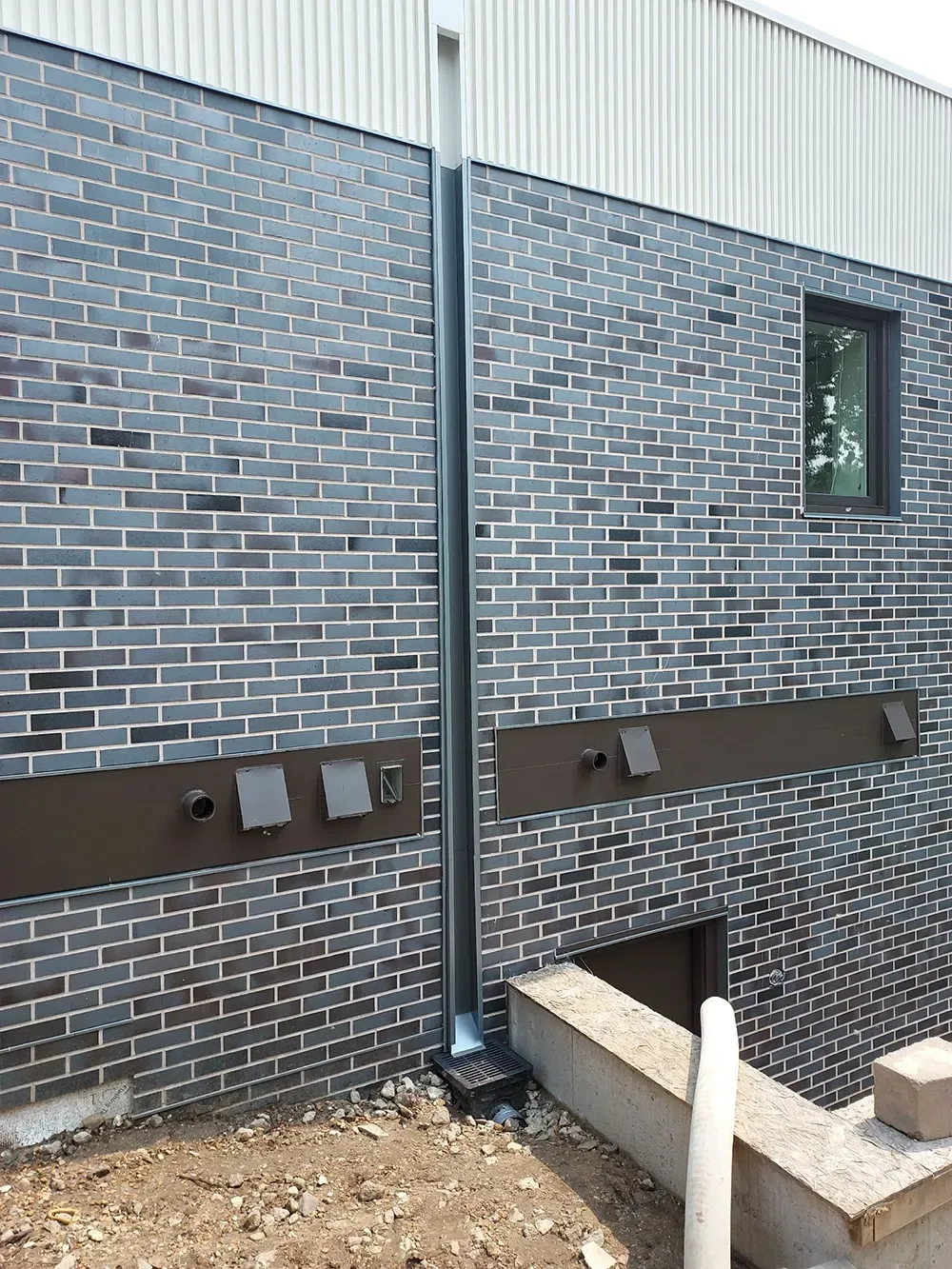
Coordinate: How do site rules affect documentation?
Before returning to measure or open a section, we confirm access, staging, escorts, equipment shutdowns, and any areas the property representative cannot release. An airport-adjacent tenant, state office, and healthcare building may use different procedures. The facility contact identifies its process rather than relying on a general property label. At Central Crossing Commerce Park, rail and truck activity can affect staging windows, while each operator controls its own work area. We record the contact who authorized entry and whether a lift, escort, or safety briefing is required, then schedule the work around those conditions.
For occupied buildings, our sequence includes interior protection and clear notice about noise, barriers, and service interruptions. We record the work window and who approved temporary closures. A phased work plan can help schedule follow-up repairs around operations. When a claim file includes multiple structures, we keep separate addresses, roof maps, dates, and estimates so conditions at one building do not get assigned to another. If a contractor or adjuster needs to revisit a finding, the owner can identify the section and access contact without rebuilding the site history.
Handoff: What should stay with the claim file?
Retain the inspection record, original photos, roof-zone labels, measurements, temporary work notes, repair estimate, and owner approvals together. Save later invoices and follow-up images against the same location. The file should distinguish installed protection from completed permanent work. Store original files and keep edited or annotated copies separate, with a note describing any markup. The estimate should identify whether quantities came from visible measurements, testing, or a condition that remains unknown.
When a building has a recurring leak, compare current images with earlier repair dates before assigning the latest event as its cause. A technical review may need to connect facilities staff and maintenance personnel; the same principle applies to any multi-building owner. We leave a measured roof condition, work boundary, and open question clearly labeled so the next review starts from evidence rather than assumption. Keep correspondence dates beside inspection and repair dates. The sequence helps reviewers see what was known when work was authorized and what observations came afterward.
Commercial Roofing Questions
Can a storm report establish that my roof loss is covered?
No. A report can help document event timing, but coverage follows the policy and the insurer’s review. We provide roof observations, photos, measurements, and repair methods without making a coverage decision.
What should I send before a claim inspection?
Share the address, date water or damage appeared, affected rooms, safe photos, prior repair records, and the person who can arrange roof access. Keep original images when possible so timestamps and context remain available.
Will the inspection include hidden moisture?
Only if the scope includes a suitable test. We identify areas where a scan or opening could change the repair boundary, then record what was tested and what remains concealed.
Can you meet with an adjuster?
We can explain observed roof conditions, measurements, repair details, and access limits from our inspection. The owner coordinates the appointment and policy questions with the insurer.
How are emergency repairs documented for a claim?
We record arrival, the exposed location, temporary materials, how they were secured, photos, and remaining work. Permanent correction receives a separate scope after the assembly can be examined safely.
Related Roofing Work
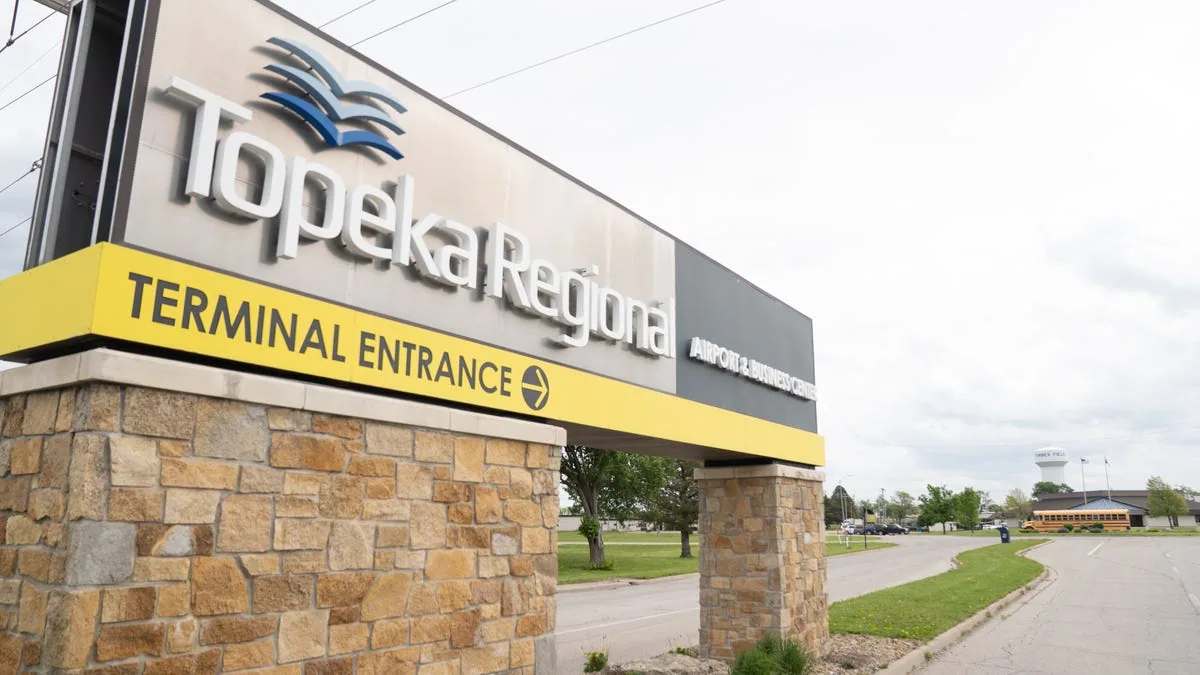
Topeka Regional Airport Business Center
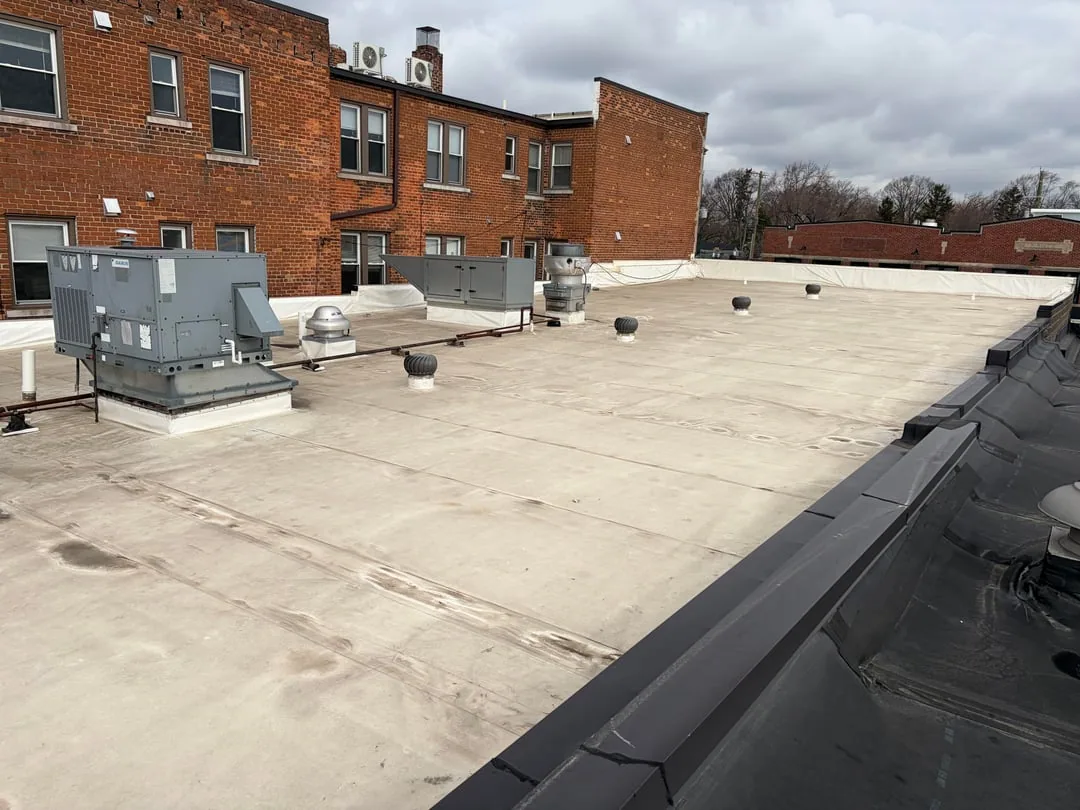
Commercial Roof Inspection
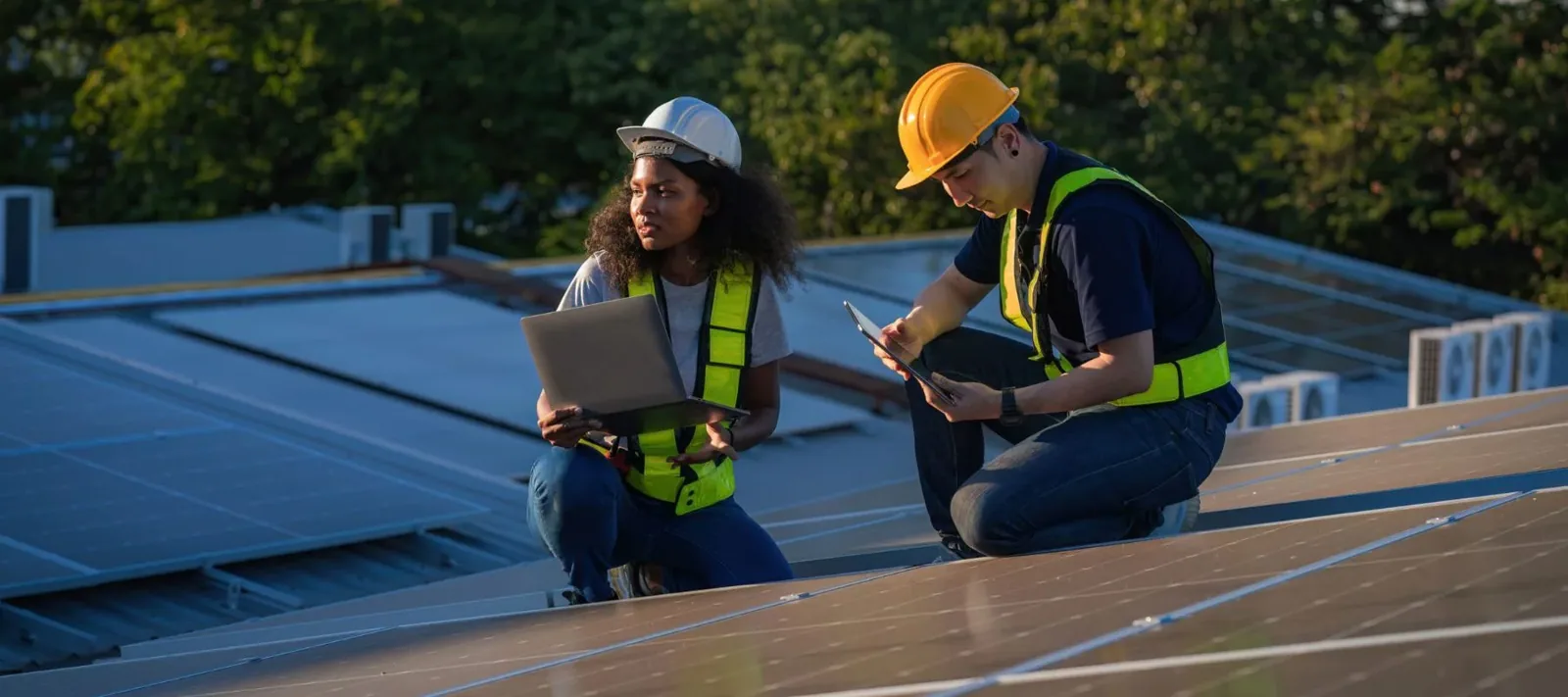
Commercial Roof Condition Reports
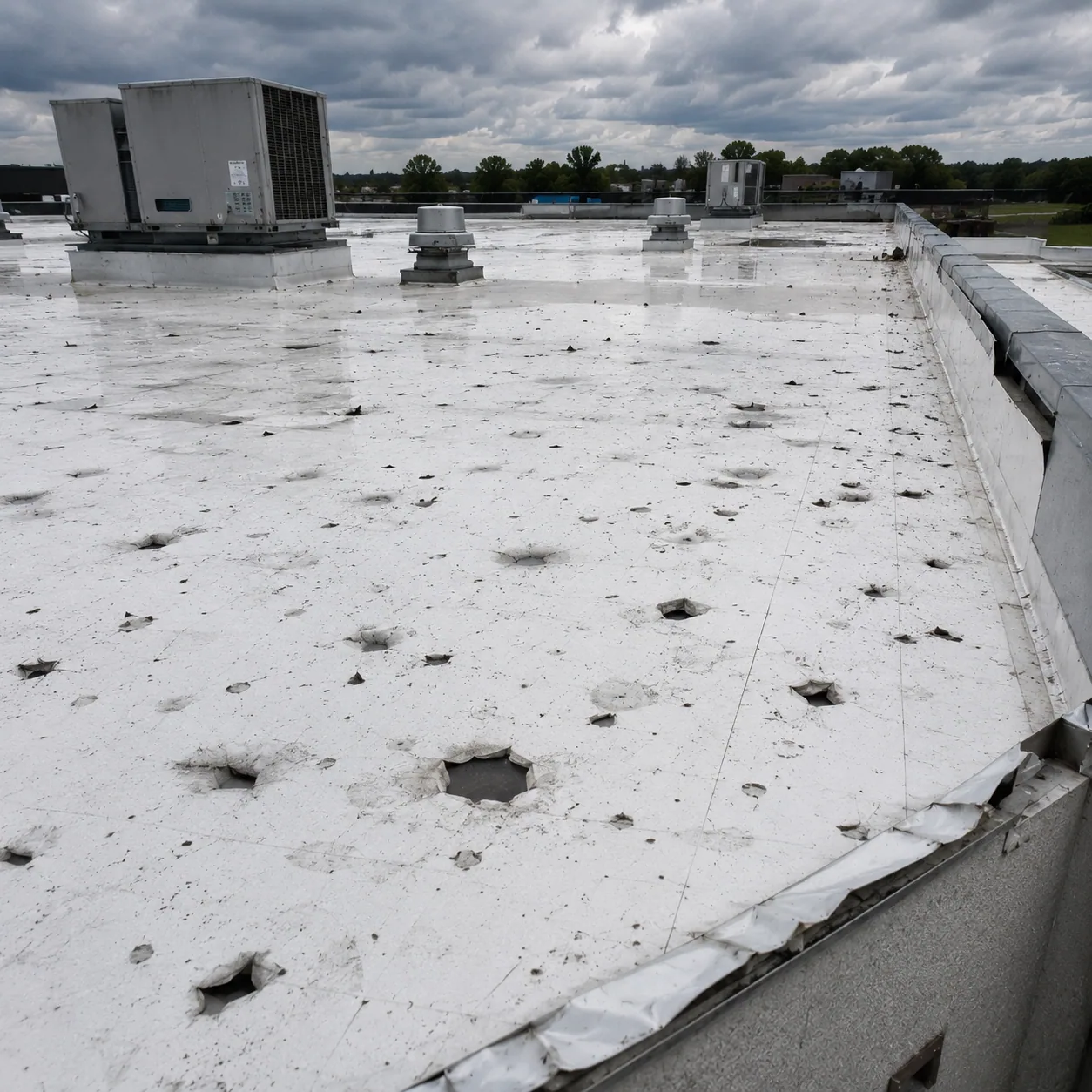
Commercial Hail Damage Roof Repair
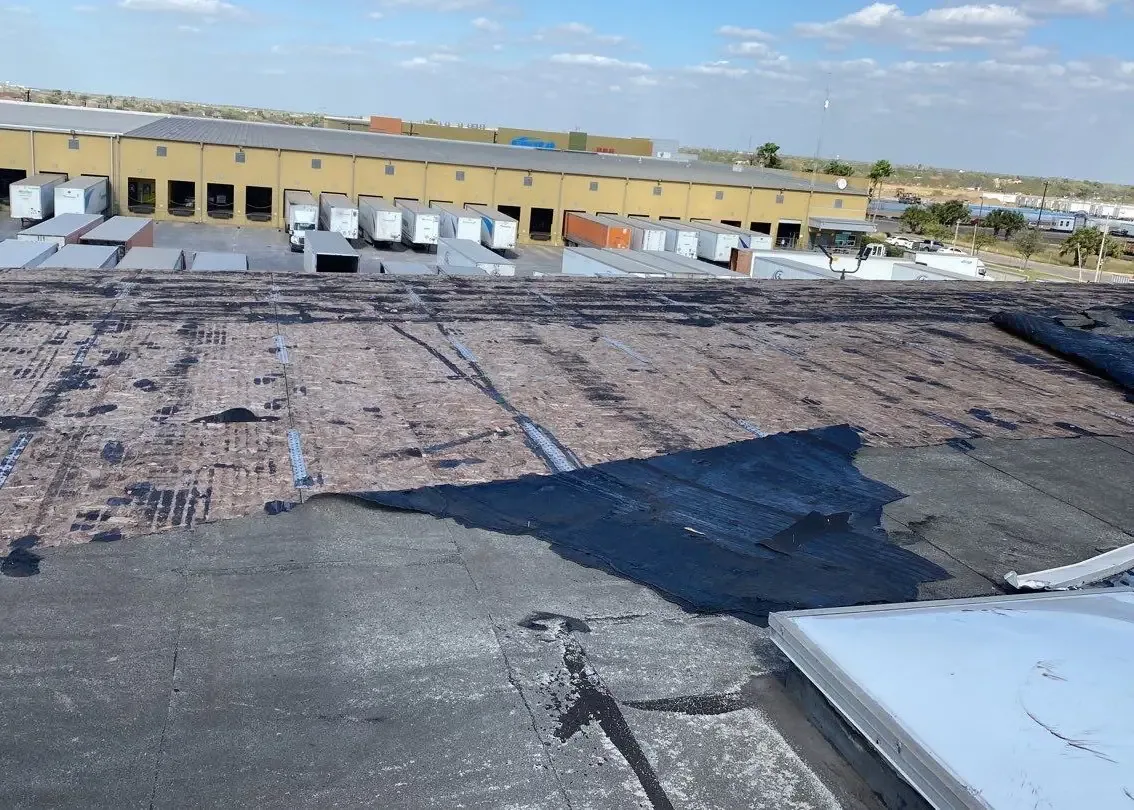
Commercial Wind Damage Roof Repair
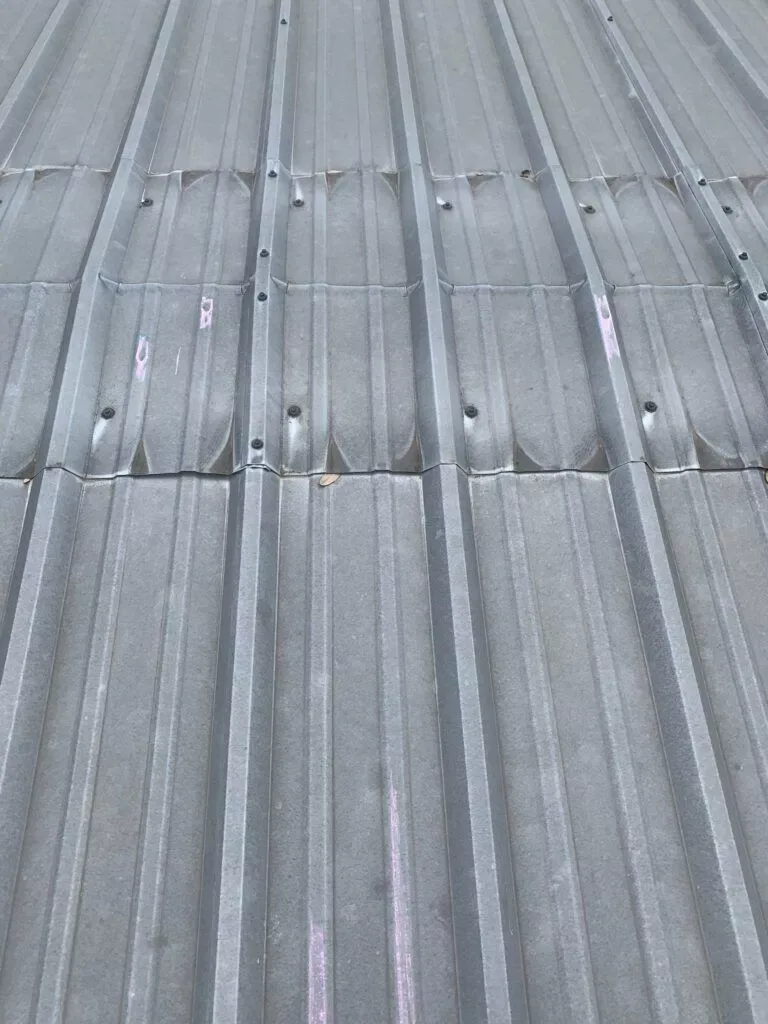
Emergency Commercial Roof Repair
Build the roof evidence file
Service Area
Topeka, Auburn, Silver Lake, Carbondale, Rossville and Shawnee County, KS
Quick Contact
Email: [email protected]
Phone: 555-555-5555
Request a Roof Assessment
Provide the Topeka address, reported event date, affected rooms, prior roof records, and access contact. We will document observable conditions, identify needed tests, and prepare separate repair quantities for owner review.