
Commercial Rooftop Equipment Curbs and Supports in Topeka, KS
Home / Commercial Roofing Services / Commercial Rooftop Equipment Curbs and Supports
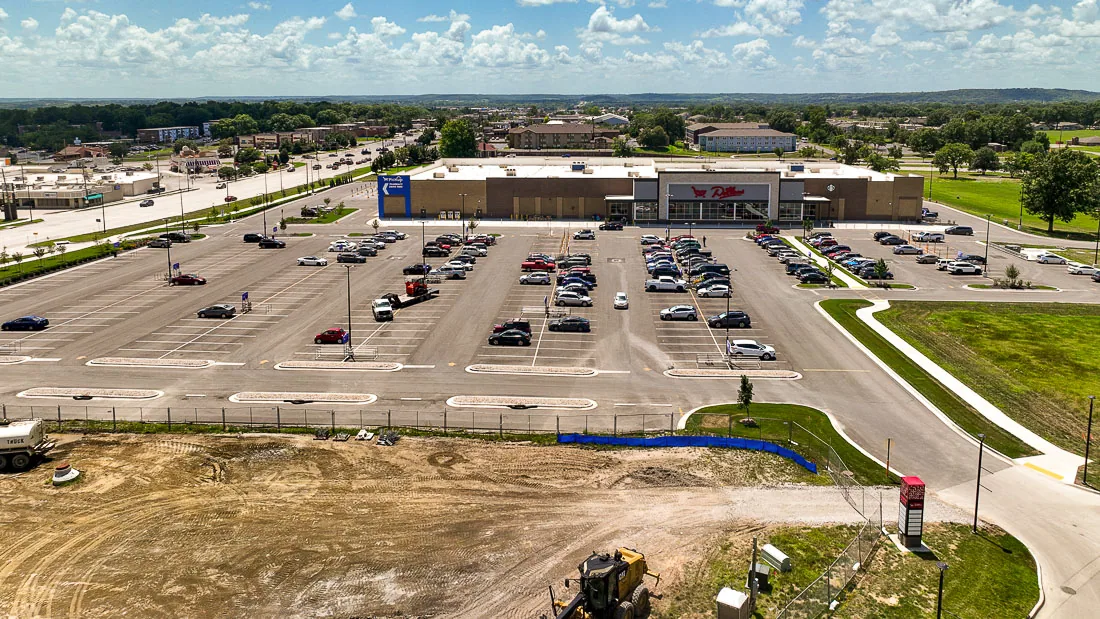
A curb that rocks when a unit starts can stress the flashing at every corner. We check the support, attachment, curb height, equipment movement, and membrane transition before setting a repair limit. Topeka’s summer storms and winter precipitation can test those joints after installation. At Hill’s Pet Nutrition Research and Innovation Campus, active operations make equipment access a facility decision; Central Crossing Commerce Park tenants may coordinate lifts around freight work. We identify the exact unit and roof zone, then separate structural support concerns from waterproofing repairs.
Movement: What is shifting at the curb?
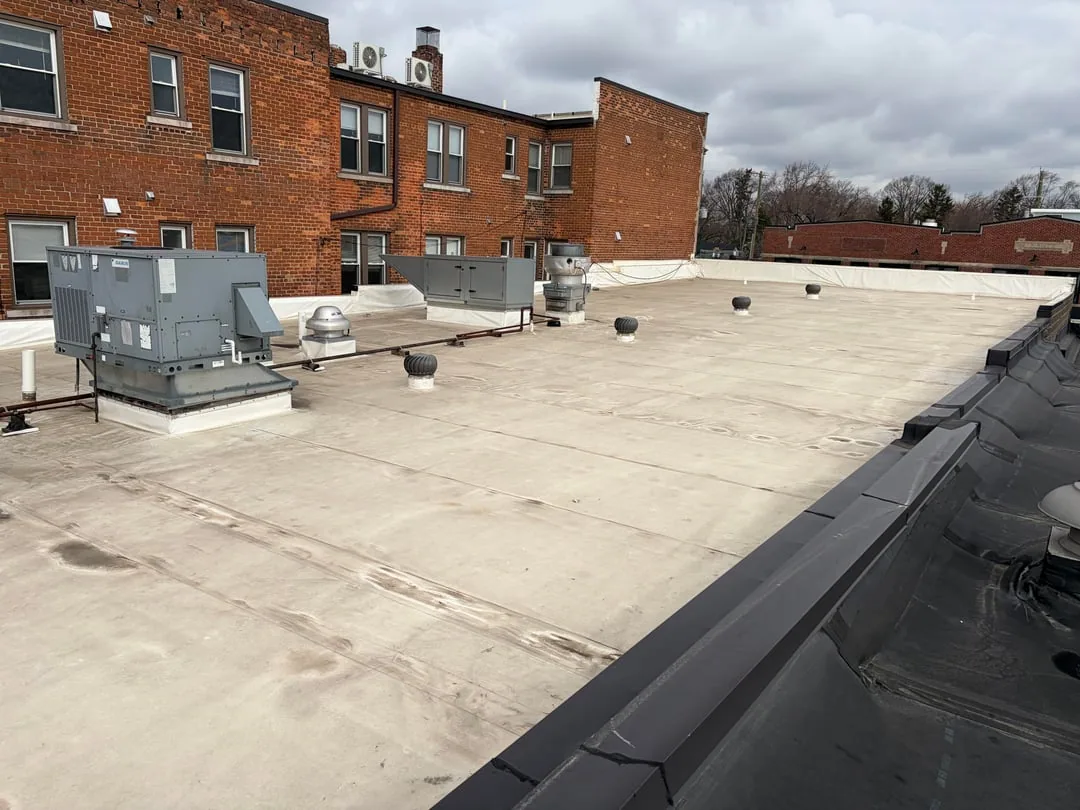
We inspect curb corners, seams, counterflashing, fasteners, sealant, support rails, and the surrounding membrane. A loose curb can move when equipment cycles; vibration may also loosen a rail or transfer stress to a nearby penetration. We photograph contact points and note whether the unit is level, visibly displaced, or difficult to access. A flashing inspection can check how the curb and roof membrane meet without treating sealant as a substitute for stable support.
The mechanical connection and roofing transition should be evaluated together, but their repair scopes may belong to different trades. We identify whether the curb itself is sound, whether the attachment has loosened, and whether the membrane has split or pulled away. A roof inspection can record other curbs and penetrations across the same section. If the equipment must be shut down or lifted, the property contact coordinates the mechanical sequence before we begin.
Water: Which flashing detail has failed?
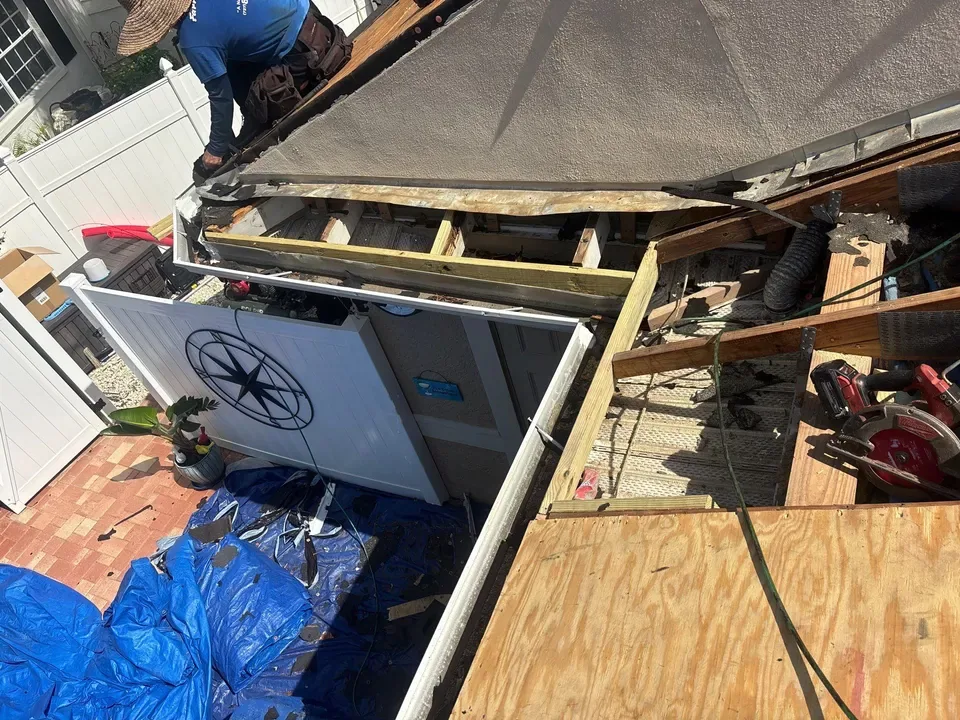
Water can enter where a vertical curb flashing meets the horizontal roof field, at an open corner, or around a pipe support. We trace the reported interior leak to the nearest roof details, then inspect the membrane turn-up and termination. Topeka receives about 36.5 inches of annual precipitation, so drainage around curbs matters as well as the flashing itself. A leak investigation can distinguish a curb opening from water traveling from a nearby seam or drain.
We confirm the existing membrane type and whether the repair will use compatible material. A patch that bridges a moving joint can split again, while a transition over wet insulation may not bond as intended. If a test opening is needed, the report states its location and how the roof will be closed that day. At Topeka Regional Airport Business Center, tenant activity can affect staging, but the actual curb condition determines the waterproofing detail.
Support: What carries the unit and its service loads?
Equipment weight, service access, vibration, and wind exposure all affect the support assembly. We look for corroded or displaced rails, loose fasteners, damaged blocking, and concentrated loads at the curb. The roof deck and underlying structure must be suitable for the load path; a roof surface alone does not establish structural capacity. If support adequacy needs engineering review, we identify the question and keep that work separate from membrane repair. We record visible deflection, rust, and movement, then route structural capacity questions to the appropriate professional before new equipment is set. The review should identify the member carrying each point load and document movement during startup, shutdown, or service access.
Clearance also affects maintenance and replacement. A unit installed too close to a parapet, drain, or adjacent curb can restrict service access or leave difficult flashing transitions. We measure the current layout and note routes needed for future mechanical work. The insulation and cover board plan may change curb height during reroofing, so the owner and mechanical contractor should review that transition before new layers are installed. If controls, conduit, or condensate lines cross a proposed work area, we mark them on the roof plan and confirm which trade will move them.
Sequence: How do roof and mechanical work coordinate?
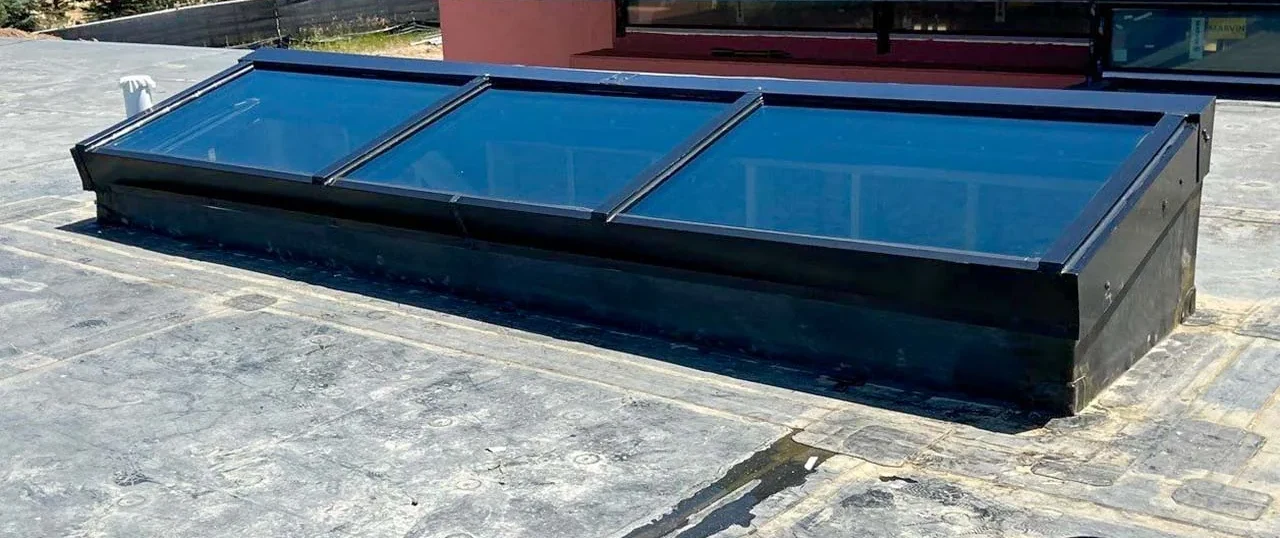
We confirm the unit’s operating status, service contact, lift path, electrical or piping restrictions, and the area below before mobilization. If a mechanical contractor will disconnect, raise, or replace equipment, we agree on the roof opening and temporary protection before the unit moves. A phased work sequence can keep occupied areas protected while access is coordinated. The schedule identifies who releases the equipment and who accepts the roof after each shift.
Open curbs should not remain exposed if weather changes the work window. We set a secure stop point, keep temporary covers identified, and note the person responsible for checking protection. Topeka thunderstorms can interrupt field work, while a winter roof surface may limit safe access. Permanent flashing and support corrections remain separate tasks with their own inspection point. Before the crew leaves, the facility contact receives the unit status, any temporary measure, and the next access need.
Roof flashing and equipment support are separate details even when they meet at one curb. The roofing scope protects membrane and curb interfaces; mechanical work handles the unit connection and any equipment adjustment. We photograph curb corners, fasteners, rails, penetrations, and adjacent sheet before work begins. If curb height, support movement, or added load needs an engineering decision, we identify that hold point for the responsible design professional instead of enlarging the roofing repair by assumption. After the equipment trade releases the area, we inspect the completed flashing and record any line or conduit support left for that trade to restore.
Closeout: What should the equipment record include?
The closeout labels the unit, roof zone, curb or rail repaired, materials used, fasteners replaced, membrane connection, and any work assigned to the mechanical trade. Photos show the detail before and after. If movement or support capacity remains unverified, we state that limitation and the review needed. A roof condition report can keep the equipment map with service records and future reroof plans. A service contractor can use the label and photos to avoid confusing similar units on a large roof.
After mechanical work, check that new fasteners, conduit, or service cuts did not disturb the flashing. Facilities staff can compare new photos with the closeout and call out a changed detail before water enters. At a production property like the Hill’s campus, keeping unit identifiers consistent helps coordinate maintenance teams across the site. Each curb remains tied to an address, equipment label, and observed roof condition rather than a generic unit count. If a new vibration or leak appears later, the record helps separate a roofing issue from a change to equipment or support.
Commercial Roofing Questions
Why does flashing split around a rooftop unit?
Movement, a loose support, incompatible patching, or wet substrate can stress the curb transition. We inspect the attachment and membrane tie-in together, then separate mechanical correction from roof repair where both are needed.
Can a roofer repair a curb without shutting down the unit?
Some perimeter work can proceed with the unit operating, but access, electrical or piping limits, and the repair method determine that decision. We coordinate with the facility and mechanical contact before scheduling.
How do you decide if equipment supports need replacement?
We document visible corrosion, movement, loose attachment, and service clearances. Structural capacity requires the appropriate engineering review when the roof inspection cannot establish the load path.
What happens when a unit must be lifted for reroofing?
The mechanical contractor coordinates disconnection and lifting. We agree on opening dimensions, weather protection, curb work, and the point where the completed membrane transition will be checked.
What records help with recurring curb leaks?
Keep unit labels, roof-zone photos, prior repair details, service dates, and any mechanical work orders. We compare those records with the current condition to identify a changed flashing or support detail.
Related Roofing Work
Central Crossing Commerce Park
Commercial Skylight and Penetration Flashing
Commercial Roof Inspection
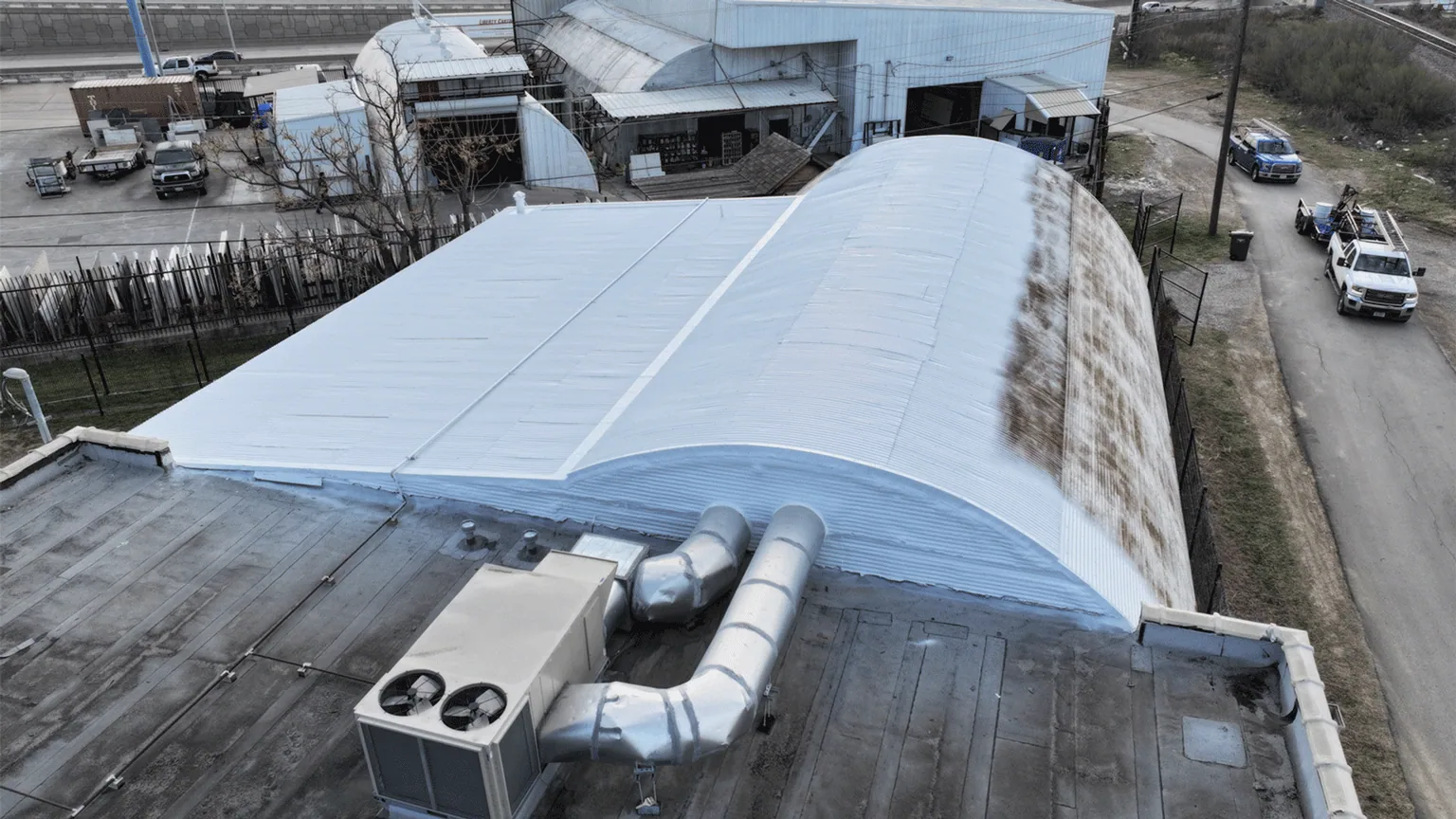
Commercial Roof Leak Repair
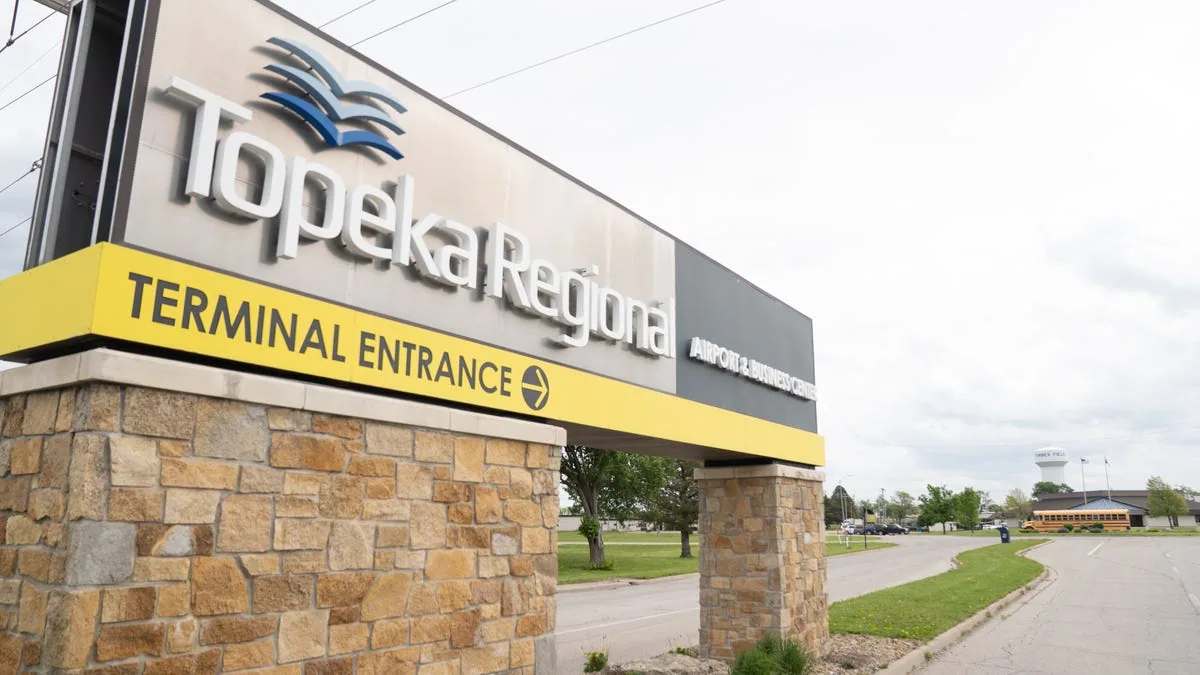
Topeka Regional Airport Business Center
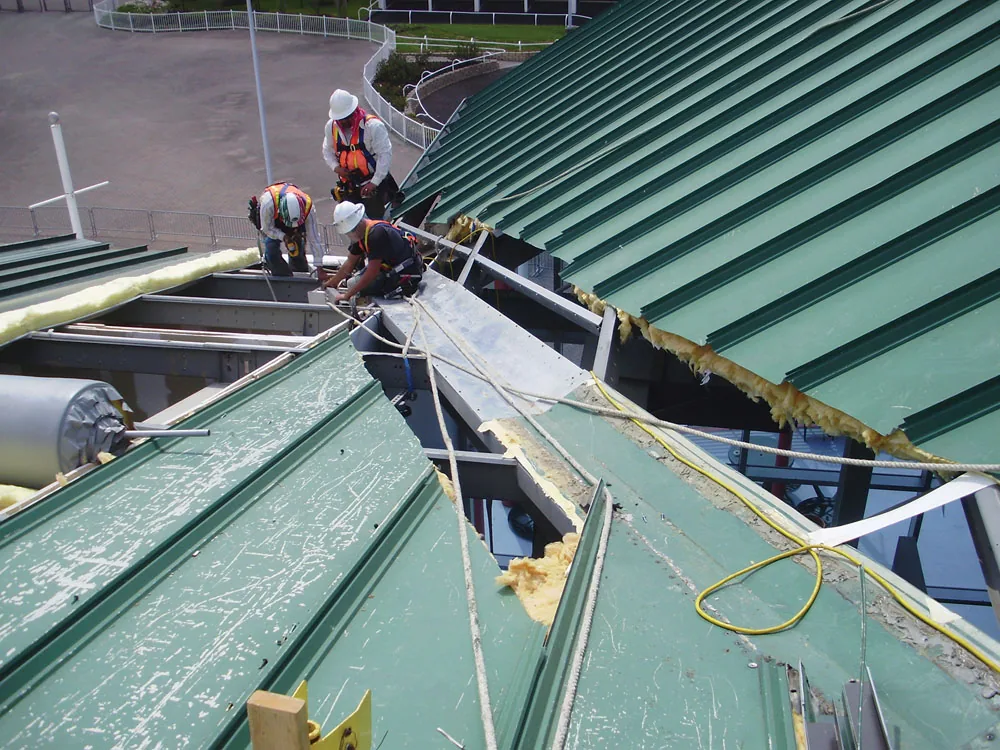
Commercial Roof Insulation and Cover Board
Inspect the curb and the support
Service Area
Topeka, Auburn, Silver Lake, Carbondale, Rossville and Shawnee County, KS
Quick Contact
Email: [email protected]
Phone: 555-555-5555
Request a Roof Assessment
Send the Topeka address, unit label, leak or movement concern, roof plan, mechanical contact, and access requirements. We will inspect the support and flashing and define the roofing work by unit and roof zone.