
Commercial Snow and Ice Roof Damage Repair in Topeka, KS
Home / Roof Damage Repair / Commercial Snow and Ice Roof Damage Repair
Ice held at a roof drain can leave a second problem after the visible snow melts. We check outlet flow, seams, edges, and nearby insulation when the roof can be entered safely. Topeka climate normals include measurable winter snowfall, and local records include daily snowfall extremes. That seasonal context supports drainage checks, but the roof determines the repair. At North Topeka East or North Topeka West, access and operating constraints must be confirmed with the site contact before inspection.
Access: When is the roof safe to inspect?
We do not walk on a surface with unassessed ice or snow cover. The site contact confirms whether the roof access route, hatch, and perimeter are clear. We identify overhead hazards and interior rooms affected by water before selecting a safe inspection time. A temporary response can protect active exposure from an approved access point, but it does not justify entering an unsafe roof zone.
Snow can hide drains, skylights, low areas, and changes in roof level. We locate those features from available plans or safe observations before moving across the surface. If a section cannot be reached, the report marks it for a return visit after conditions improve. The owner receives the date, access limit, and any immediate interior action needed to protect equipment or finishes.
Before the return visit, we review roof plans, hatch locations, drain maps, and any prior repair records supplied by the owner. Those records help identify covered equipment or a change in elevation hidden below snow. The superintendent can then choose an access route that does not cross an unknown area. If no usable plan exists, we record the visible limits and confirm each location with the site representative rather than treating an assumed route as safe.
On a large property, we confirm which building and roof sections are accessible rather than assuming the whole site has the same conditions. BNSF Topeka Shops is a rail maintenance facility, and Washburn Tech North houses technical training functions. Those uses make site coordination important, but the roof condition and access procedure still come from the building representative.
Drainage: What happens when meltwater cannot leave?
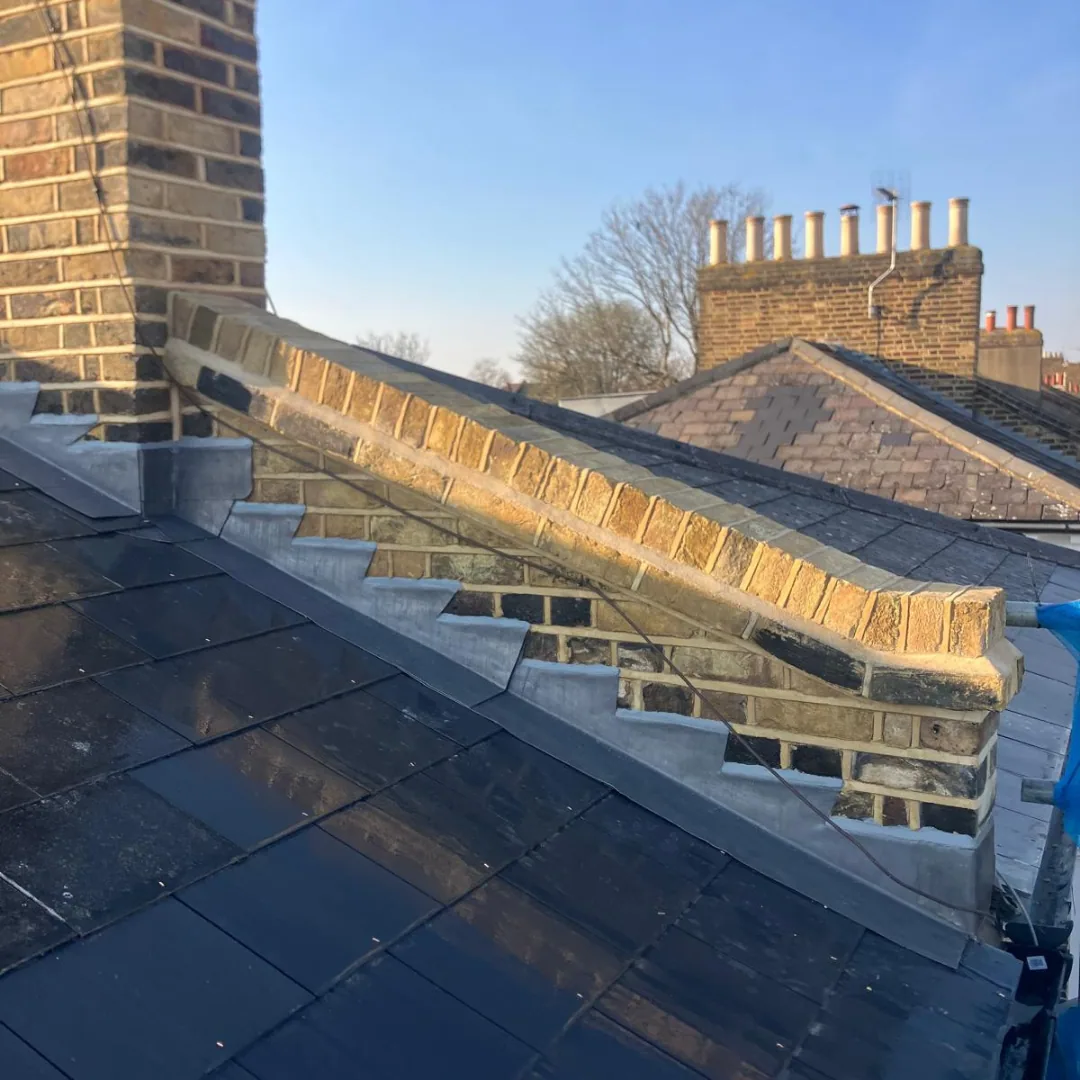
We inspect drain bowls, strainers, scuppers, leaders, and the membrane around each outlet. Ice can block flow; debris may remain after the melt. The drain and scupper service documents outlet condition and water marks by roof zone. We note whether the water cleared after access was restored and whether a low area continues to hold it.
Standing water can refreeze near seams or at the perimeter. We check for split laps, lifted flashing, displaced metal, and cracks around penetrations. A ponding water assessment can address a depression that remains after the drain is open. We keep that drainage work distinct from any damage to the membrane or insulation below the ice.
Snow depth and water accumulation should not be converted into a structural conclusion from a visual roof visit. If the owner or authority raises a load concern, the responsible structural professional determines what measures are needed. Our roofing team records leaks, visible movement, blocked drains, and accessible roof conditions after clearance. That keeps repair observations separate from a structural assessment.
Snow and ice require a safe-access decision before a drainage inspection. We do not treat a roof that cannot be reached safely as cleared; the report identifies visible areas, unsafe routes, and a return condition. If accumulated snow, ice, or water raises a structural-load concern, the owner obtains the appropriate engineering review before removal or rooftop work. From accessible points, we document outlets, overflow paths, blocked scuppers, and ice at edges without directing untrained staff to break it loose. After thaw, a dated walk can connect interior reports with any seam or flashing that remained hidden.
Interior signs: How is the leak traced after thaw?
A ceiling mark noticed during a thaw may result from meltwater at a drain, a seam, or a wall transition. We compare the reported room with roof slope, outlets, curbs, and the likely water path. A commercial roof inspection records the surface conditions and test locations. If readings suggest moisture below the membrane, an approved opening confirms whether insulation is wet before removal quantities are set.
Water can move laterally above the deck, so the interior mark may be offset from the entry. We inspect adjacent seams and flashings rather than cutting directly above the stain by default. If a curb or wall detail has opened, a flashing repair scope can define that transition separately. Photos and measurements show what connects to the initial report and what remains untested.
Topeka receives precipitation during both warm and cold seasons. A roof that drains normally in summer may still need attention after freezing conditions restrict an outlet. We note the date and roof condition at the inspection, then recommend a follow-up only for the section that could not be reached or checked. The owner receives a clear next test rather than a citywide assumption about winter damage.
Repair: What work restores the roof after ice?
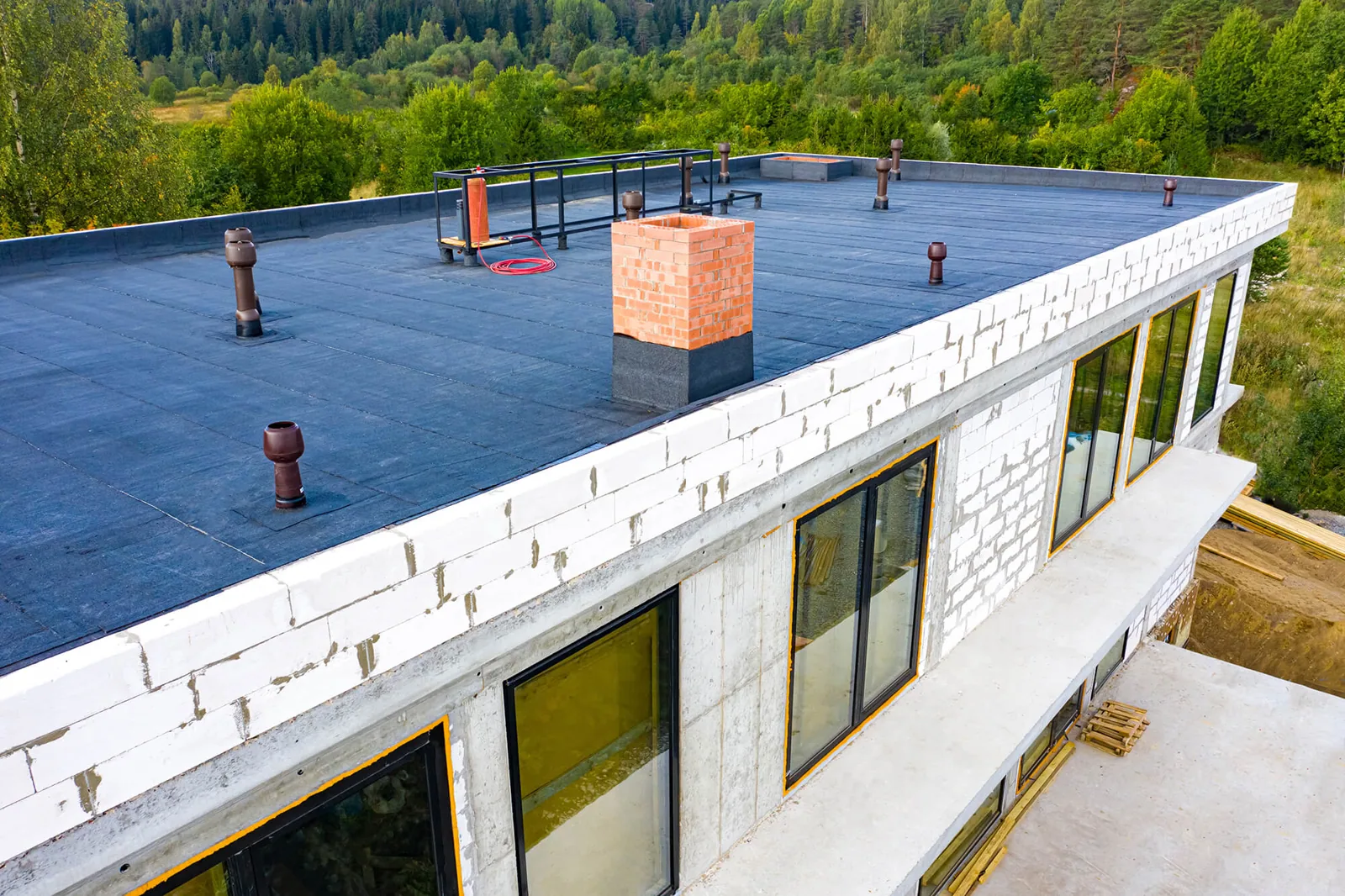
A repair can include reopening a drain, replacing damaged flashing, patching a seam, or renewing an edge detail. The repair estimate states the assembly, material, field dimensions, access equipment, and final checks. If meltwater has reached insulation or deck, we document the exposed area and keep added removal separate for approval. The work scope should identify both the damaged detail and its tie-in.
Cost and timing depend on the roof height, access route, amount of ice or debris, dry time, and whether occupied rooms need protection. A repair cannot be tied in reliably to a wet substrate. We plan a secure stopping point if weather changes during removal and describe temporary protection separately from the finished work.
When a heating cable, downspout extension, or drain modification is present, we note its visible condition and identify the trade responsible for operation or repair. We do not assume those components are installed at a particular building. The site record lists only items observed or supplied by the owner, with any follow-up assigned clearly.
After repair, we check the outlet or seam that failed, inspect nearby material, and photograph the closeout. If a drain remains under observation, we record who will check it and when access is expected. The service file lists areas not reached during the first visit. A later thaw can provide a useful comparison, but a return inspection should be tied to a specific unresolved condition.
Commercial Roofing Questions
Can your crew inspect a roof while snow or ice remains?
We inspect only from a safe, approved route. Any covered or slippery section stays marked as inaccessible until it can be reached without creating another hazard.
Does ice at a drain mean the roof is damaged?
It shows that drainage is restricted, but the membrane and insulation need their own check. We record the outlet, nearby details, and any interior water report.
Should a roof be cleared of snow before repairs?
The owner and responsible safety professional determine any snow-removal plan. We do not recommend walking an unassessed surface; our repair visit follows confirmed access and clearance.
How do you tell a blocked drain from a low roof area?
After the outlet is clear, we compare the remaining water boundary with the roof slope and prior photos. A persistent low area is measured for further evaluation.
Who checks whether a building can carry snow load?
A structural professional or responsible authority evaluates load capacity. Our roofing inspection records visible leaks, movement, and accessible roof details for that review.
Related Roofing Work
North Topeka East
North Topeka West
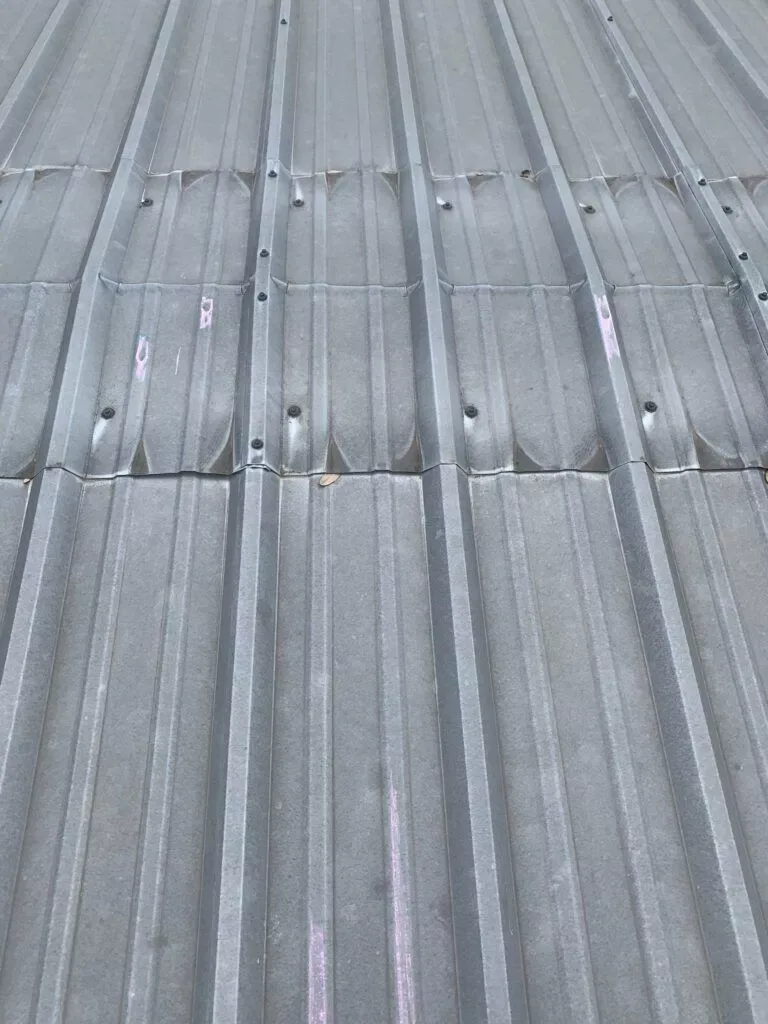
Emergency Commercial Roof Repair
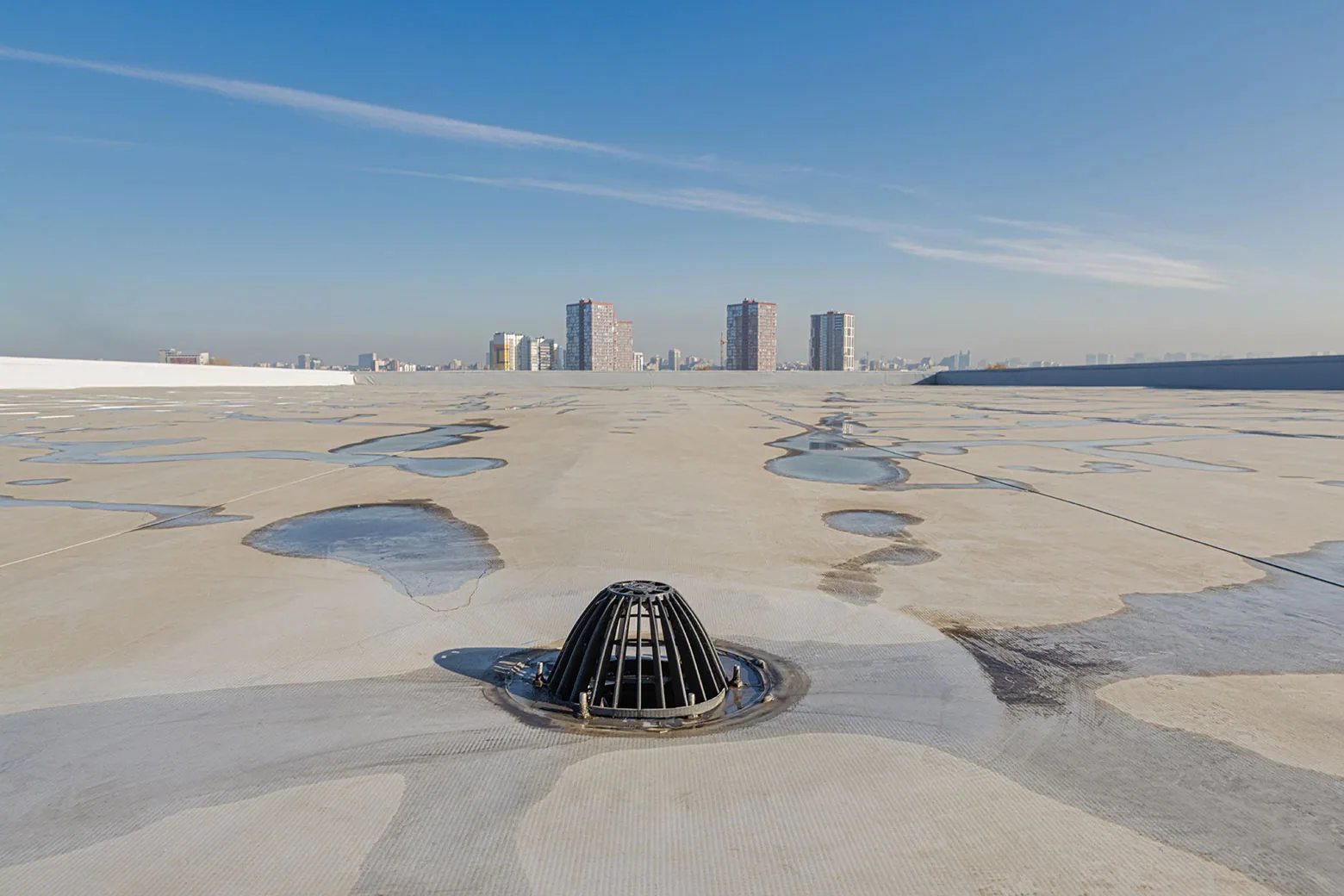
Commercial Roof Drains and Scuppers
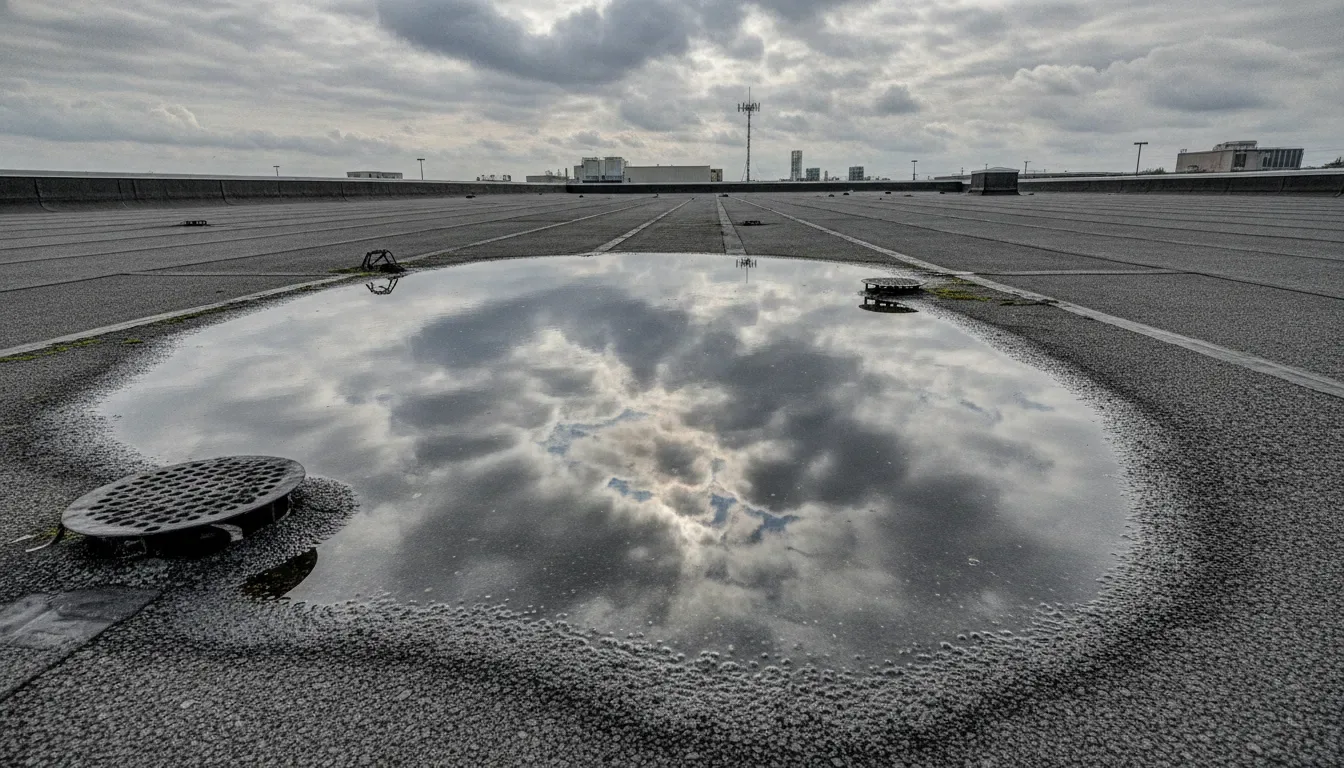
Commercial Ponding Water Roof Repair
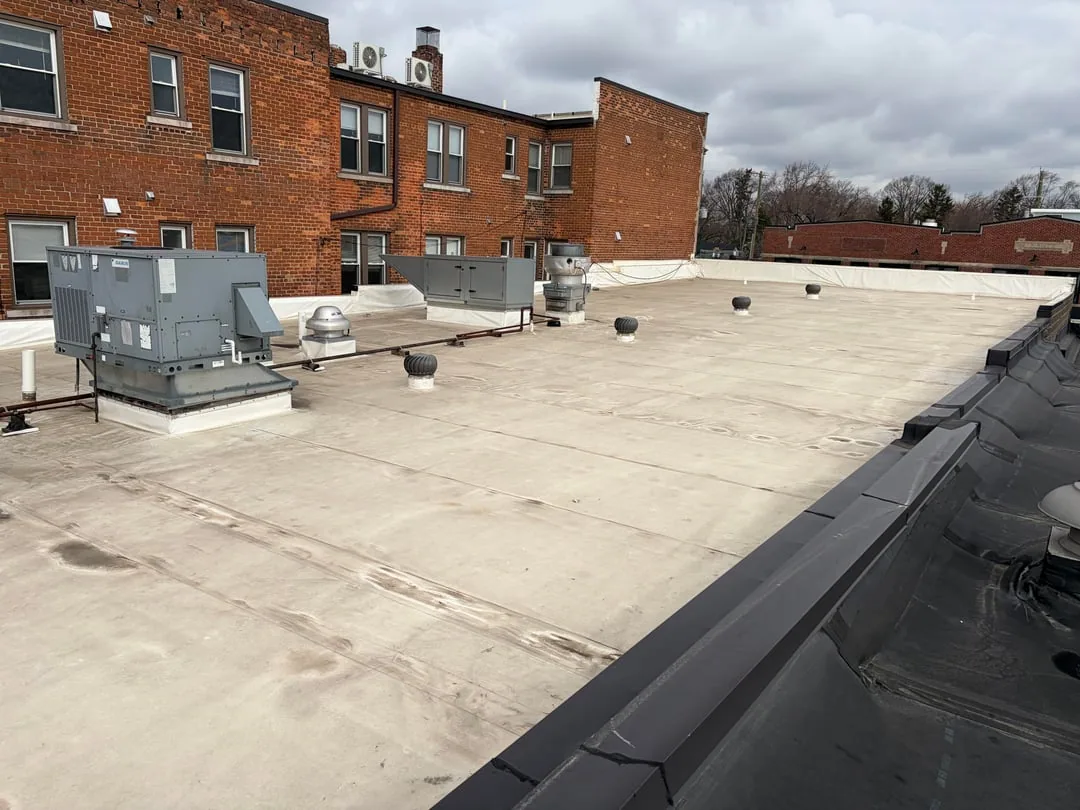
Commercial Roof Inspection
Arrange a safe winter roof inspection in Topeka
Service Area
Topeka, Auburn, Silver Lake, Carbondale, Rossville and Shawnee County, KS
Quick Contact
Email: [email protected]
Phone: 555-555-5555
Request a Roof Assessment
Share the property address, roof access status, affected rooms, and drain location. We will check accessible conditions and identify any section that needs a return visit.