
Commercial Roofing in North Topeka West, Topeka, KS
Home / Service Areas / North Topeka West
North Topeka West is a recognized neighborhood area with a mix of commercial, institutional, and community properties. Washburn Tech North is a local training destination within the broader North Topeka setting, not the boundary of roofing coverage. A service request starts with the property address, affected room or equipment, and an authorized contact. We confirm roof access, operating restrictions, loading routes, and protection below at that property. A neighboring facility can help orient the district, but its roof system, work hours, and access rules do not carry over. Inspection records identify the building and roof zone actually reached, with separate notes for tested and concealed areas.
First walk: What does the neighborhood roof evidence show?
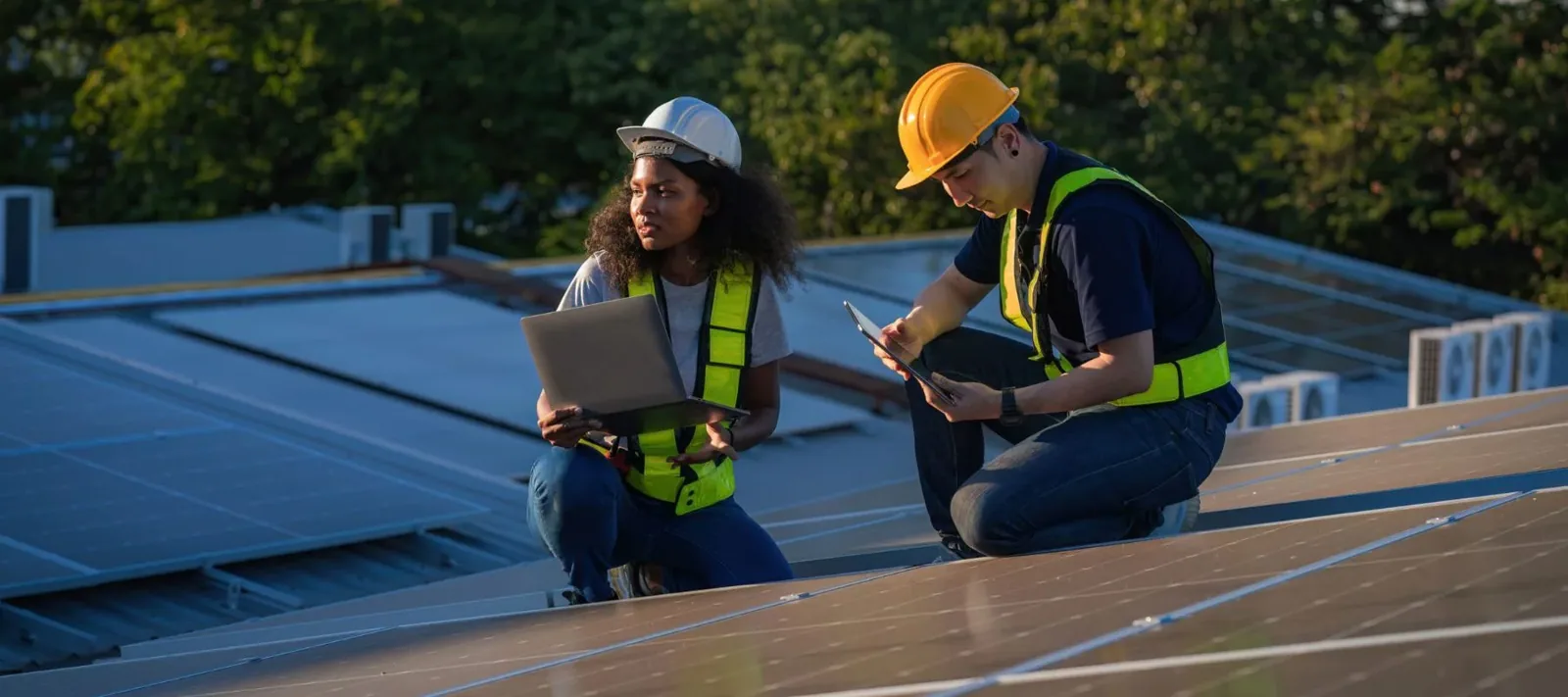
We start with the reported room, roof access instructions, and property contact who can approve inspection or testing. On the roof, we check seams, wall flashing, penetrations, curbs, edge metal, drains, and any visible movement. If a leak appears below manufacturing training or cosmetology instruction, we compare the interior location with the nearest roof details without assuming the source. A water path can move across the deck. We mark visible conditions, test where appropriate, and keep untested areas distinct.
We compare current roof access and visible details with dated plan revisions and turnover records, noting discrepancies such as an added curb or a repair that is absent from the file. A roof condition inspection provides photos, field dimensions, and a list of confirmed repairs or follow-up tests. Moisture testing can help direct a selective opening when conditions allow. A drawing revision should be dated so the next inspection can distinguish current field detail from the prior plan.
For a neighborhood with retail and training destinations, planning must account for customers, deliveries, and occupied rooms without assuming that nearby properties share one manager. We verify the entry route, material staging, pedestrian controls, and interior protection at each building. When a leak is reported during business hours, temporary protection should have a named check time and a documented limit. Permanent work follows after the roof assembly and moisture boundary are understood. A multi-property owner can still use one reporting format, but photographs, test points, quantities, and approvals remain tied to the specific roof inspected.
Occupied properties: What needs a schedule check?
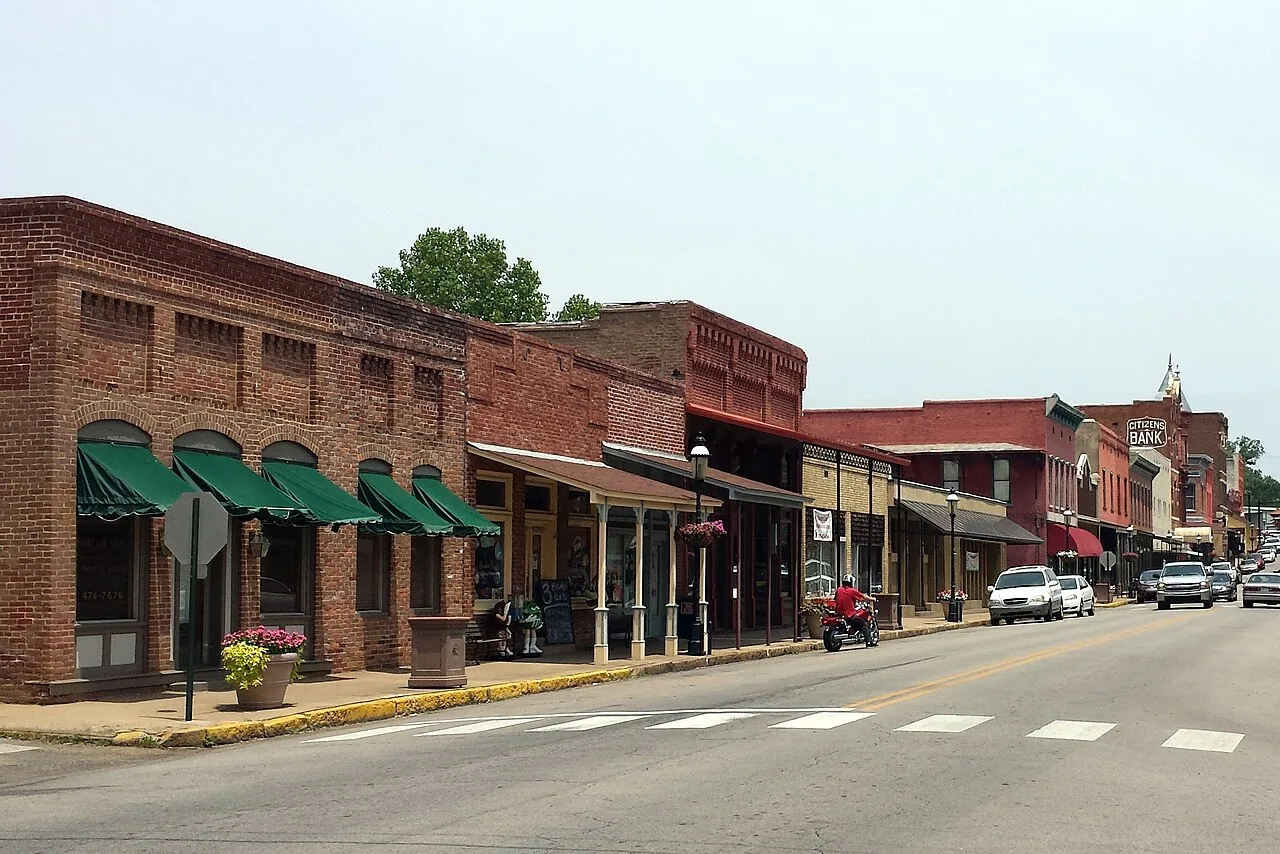
Commercial, institutional, and community properties in North Topeka West can have different operating schedules. The property contact identifies rooms, equipment, or customer areas that need to remain available. We plan noisy removal, material movement, and temporary openings around the approved constraints. Work notices name affected rooms, permitted routes, and the person who can release each area. Before cutting, the superintendent confirms dry-in materials, weather timing, and the person authorized to approve added work if the deck or insulation differs from the record.
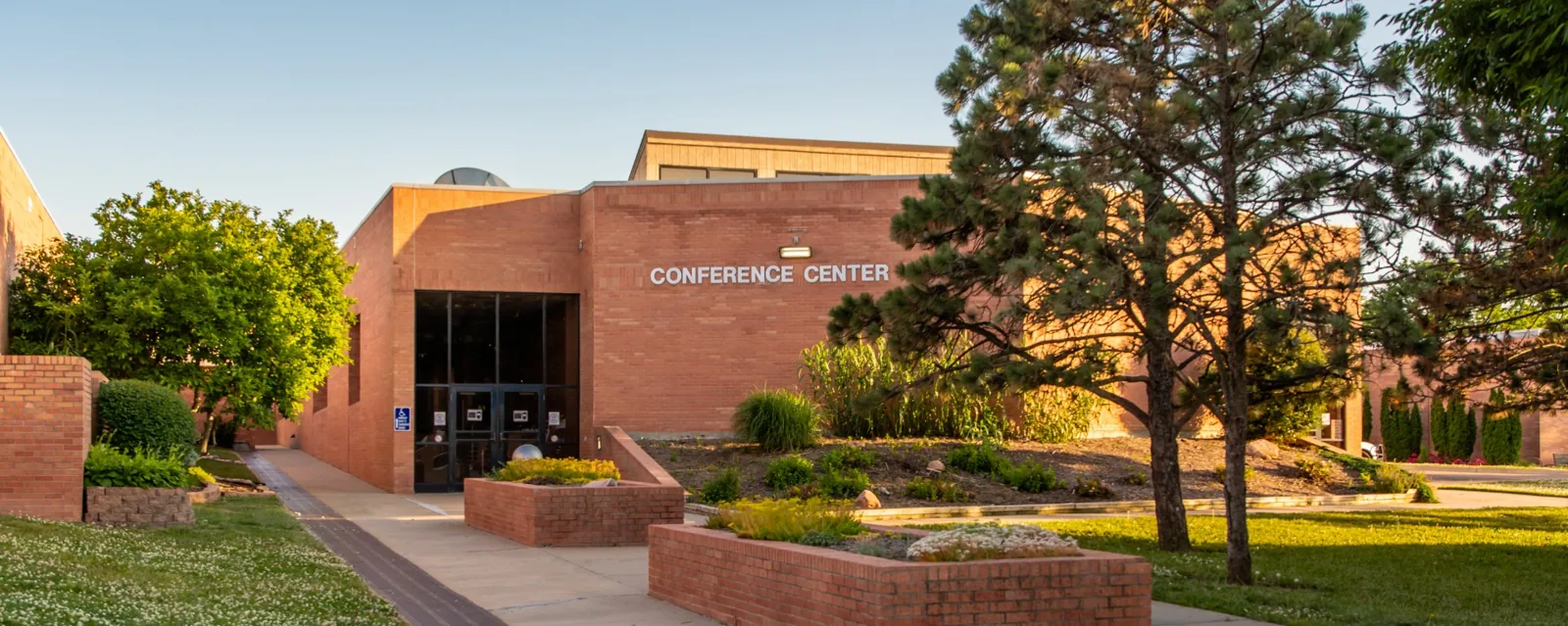
A multi-property maintenance program can track priorities across several buildings, but each inspection record remains tied to its own roof and access plan. The Washburn Tech Main Campus is a separate seven-building property, and East Topeka has its own mix of occupied buildings. Those examples do not set access rules for a North Topeka West property. We confirm the work boundary and interior protection with the local contact.
Scope choice: What evidence changes the price?
A small membrane or flashing defect may support a focused repair when adjoining material is stable. We clean and prepare the repair area, verify compatibility, and tie new material into sound roofing. If moisture testing confirms wet insulation, we measure its boundary and explain the removal quantity. If the substrate cannot be tested without an opening, the proposal identifies that uncertainty before work starts. The repair estimate distinguishes known work from possible concealed conditions.
A recover or replacement review examines drainage, deck attachment, insulation, existing layers, and the amount of equipment or penetration detail. The building’s actual use guides coordination, while roof condition guides the system choice. Installation records date the roof; a current inspection records its condition. A repair scope can address an active leak. A separate replacement plan can address longer-term needs when inspection evidence supports it.
When several businesses occupy a property, the manager should confirm which suite reported water, what was operating when it appeared, and whether the condition changed after rain or equipment use. Those details help focus the roof walk without presuming a cause. The inspection then maps the reported area to seams, drains, penetrations, and transitions overhead. If testing is warranted, the owner approves the test point and the protection below it. The findings distinguish active defects, maintenance items, and conditions that need a return visit after drying or access is available. This gives the next decision a clear evidence boundary.
Topeka weather: Which roof areas get seasonal attention?
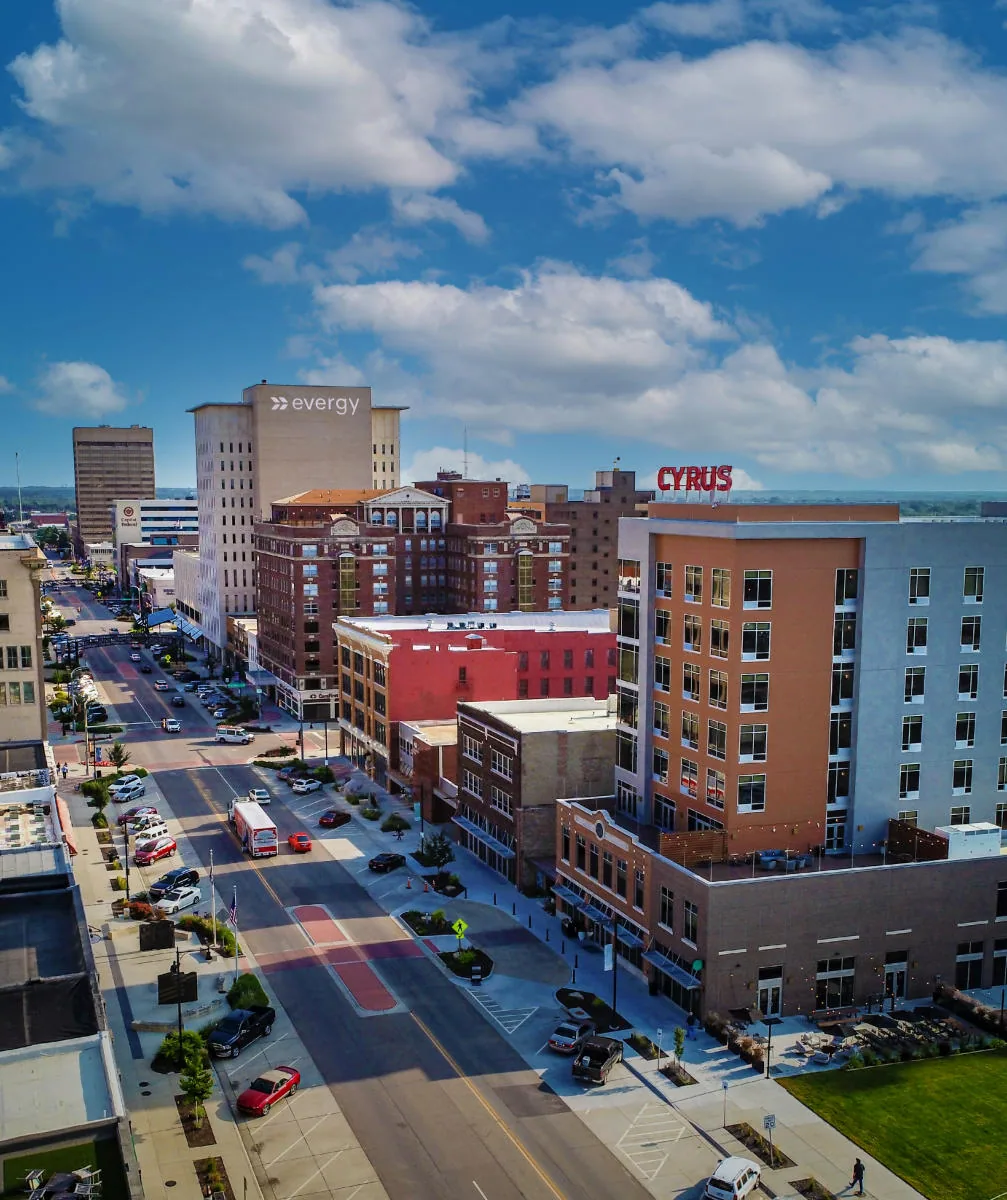
Topeka's normal annual precipitation is about 36.5 inches, and its weather record includes hail, wind, thunderstorms, and winter precipitation. We inspect drains, scuppers, roof edges, membrane seams, and penetrations after a reported event. The field report records displacement or a breach separately from cosmetic marks. If a ceiling report follows a storm, we compare it with the roof zone and any related moisture findings. This helps the property contact decide between temporary protection, targeted repair, and additional testing.
Freeze-thaw can make trapped water a maintenance issue, especially where outlets are blocked or low areas retain moisture. We note whether drainage clears, inspect nearby seams, and photograph conditions that should be checked again. Washburn University's 1966 tornado history informs Topeka's severe-weather context, while current inspection findings come from the roof zones actually examined. A drain and scupper inspection can record outlets and low areas. For observed hail impact, a hail damage review documents functional findings.
Turnover file: What keeps neighborhood roof history useful?
Keep roof plans, commissioning or turnover documents, repair photographs, and access notes with the facility record. At closeout, we add the repair date, material, marked limits, and test results. Any temporary seal gets its own location and review date. If records identify a detail that could not be reached, we state the access requirement for the next visit. A future manager can then see which findings are current and which were left open.
Each North Topeka West property should have a separate roof record. Nearby state and education facilities have distinct owners and access contacts. A roof condition report preserves tested areas and next actions for the building inspected. Keep a current roof sketch with the work order so later reports can locate the exact seam or drain. Include any repair approval and unresolved test question in the turnover file for the next facilities lead. List the person authorized to arrange any follow-up opening.
Commercial Roofing Questions
Does a building opening date confirm that its roof is new?
No. The opening date identifies when a property began operating, not when its roof was installed. We review available construction and repair records and inspect the assembly’s current condition.
How should roofing work be coordinated around active businesses?
The property contact identifies operating hours, equipment restrictions, ventilation needs, and access limits. We build the work window around those instructions and define protection for occupied areas below. Any roof opening needs dry-in materials and an approval contact for concealed conditions.
What should be confirmed before interior protection is planned?
We confirm which room or tenant is affected, what equipment or contents need protection, and who can release the space. Those details are recorded separately from roof observations and tested moisture so the work plan reflects the actual property.
What if a turnover drawing does not match the roof?
We photograph the field detail and mark the discrepancy on the roof sketch. If the difference affects attachment, flashing, or drainage, we identify the needed test or repair. The owner can decide whether to correct it now or carry a defined follow-up into planning.
Related Roofing Work
Commercial Roof Inspection
Washburn Tech Main Campus
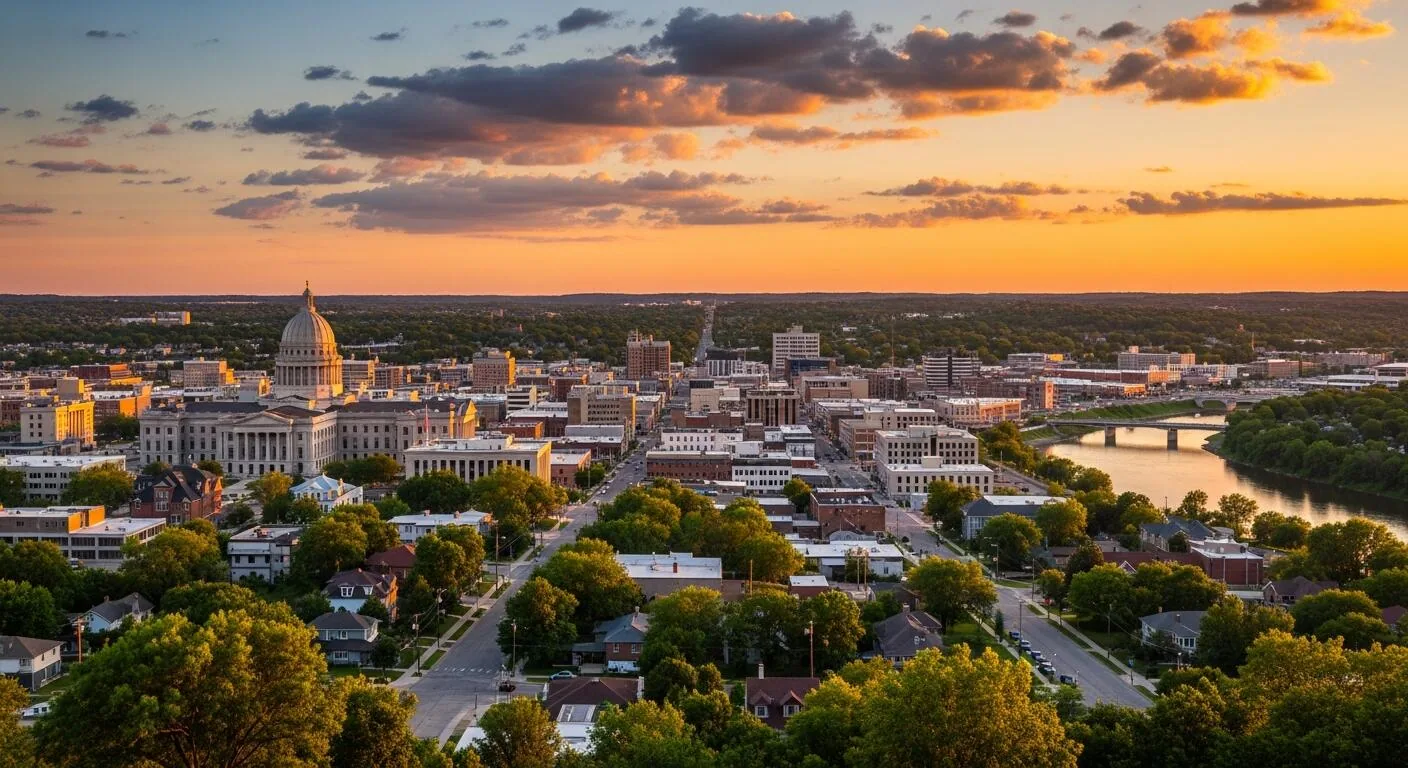
East Topeka
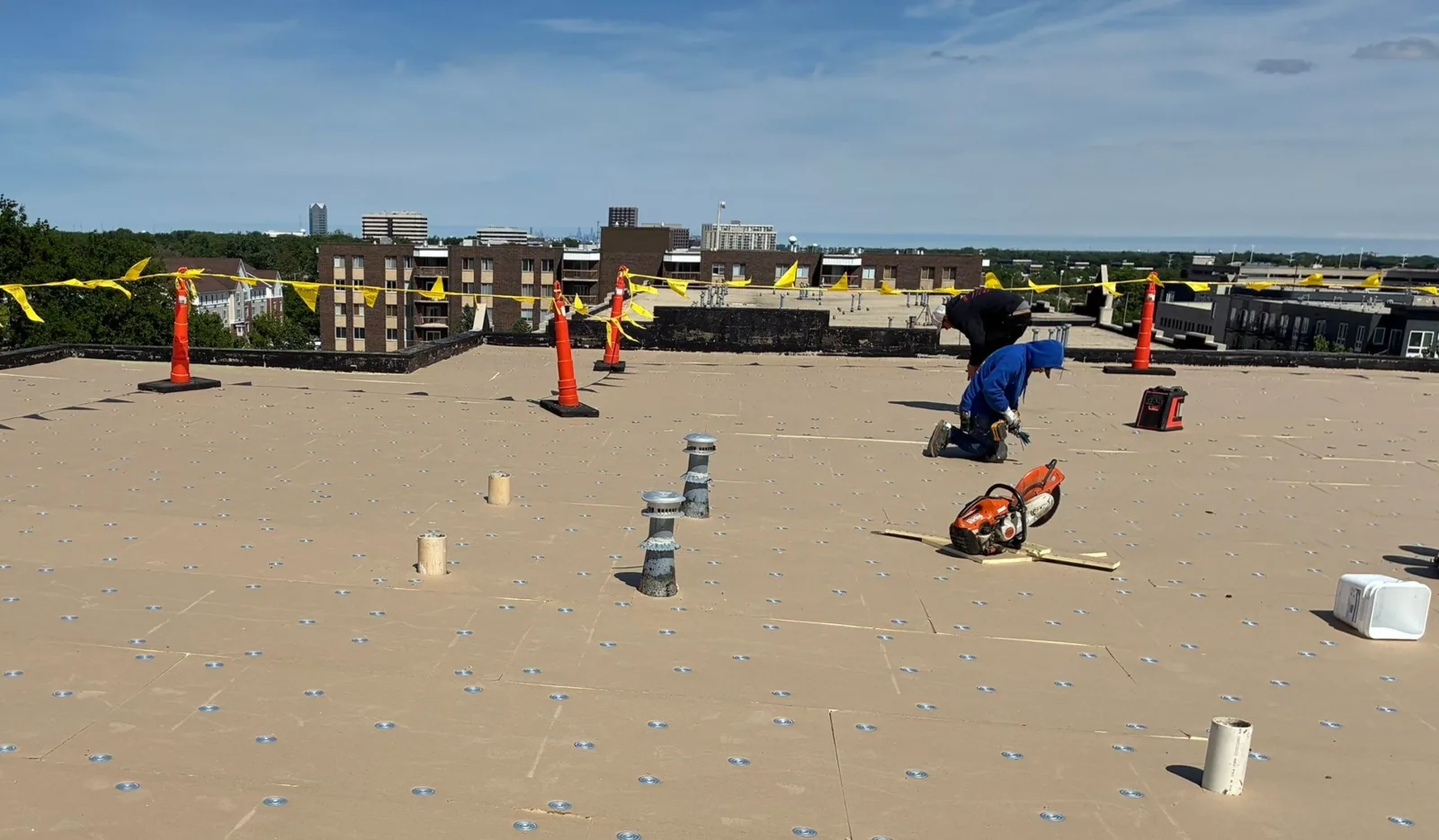
Commercial Roof Repair
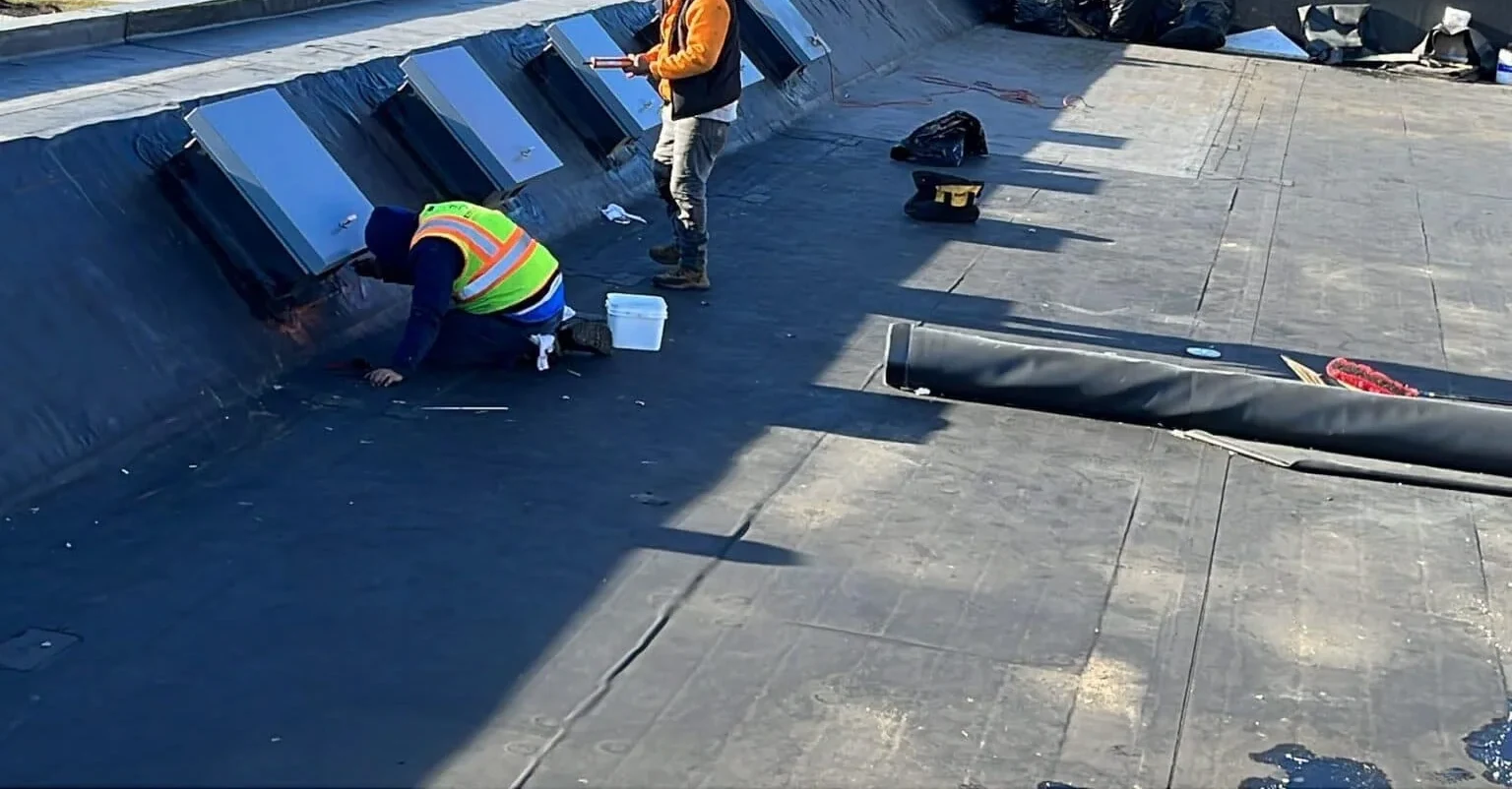
Commercial Roof Replacement
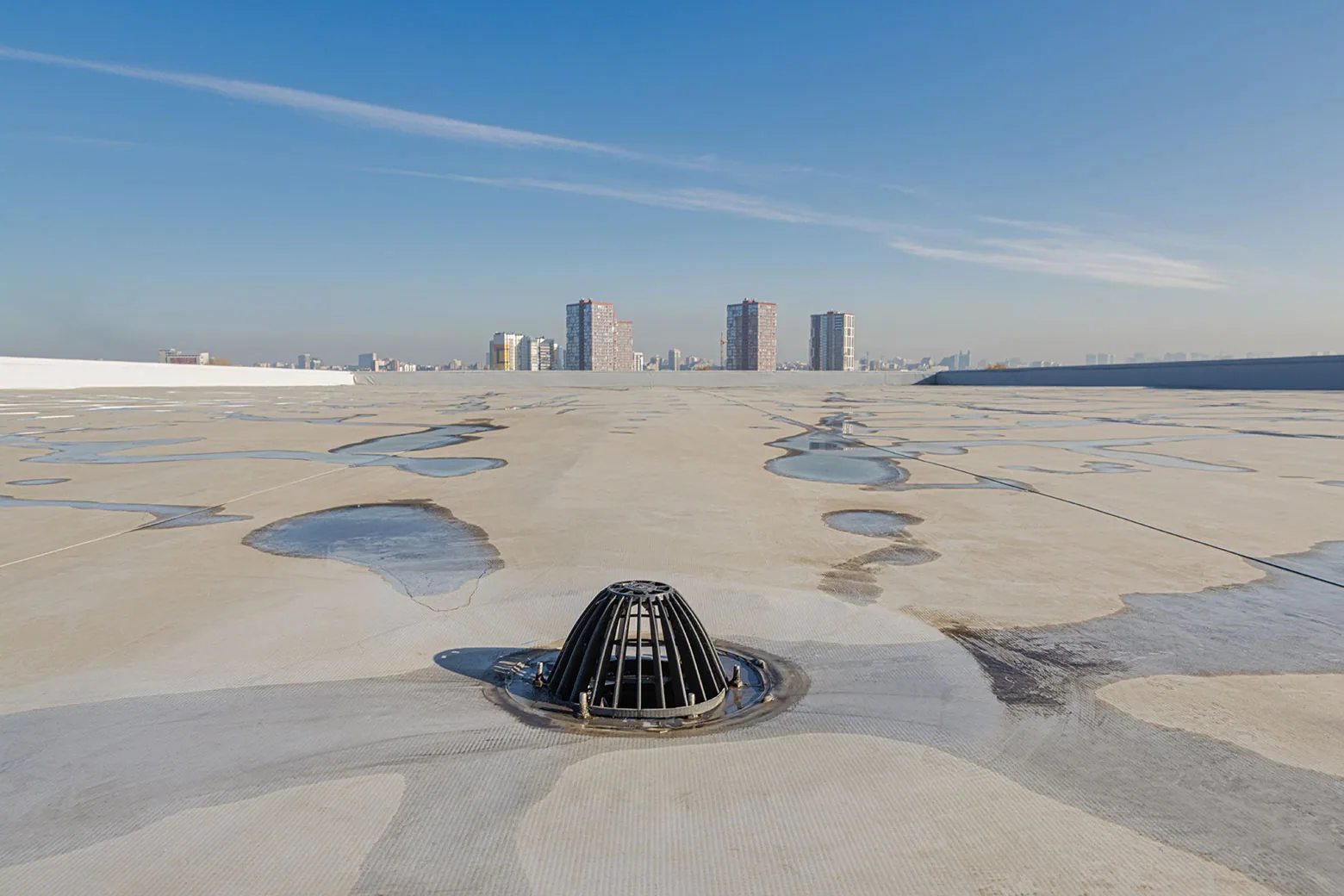
Commercial Roof Drains and Scuppers
Book a North Topeka West roof inspection
Service Area
Topeka, Auburn, Silver Lake, Carbondale, Rossville and Shawnee County, KS
Quick Contact
Email: [email protected]
Phone: 555-555-5555
Request a Roof Assessment
Send the property or roof zone, current concern, access contact, and any turnover or repair records. We will confirm approved entry, protection, and the work window for a measured scope.