
Commercial Tornado Damage Roof Repair in Topeka, KS
Home / Roof Damage Repair / Commercial Tornado Damage Roof Repair
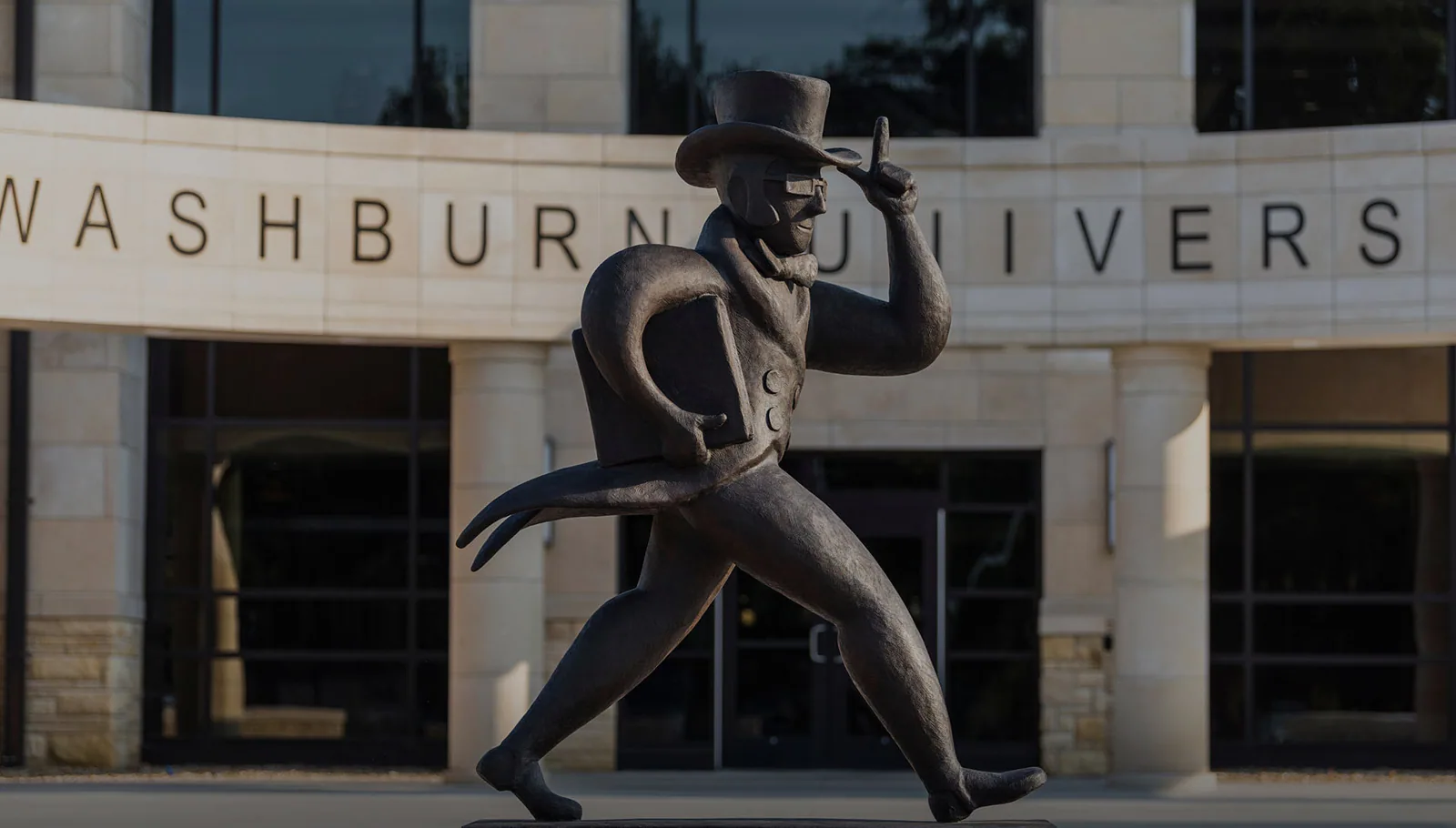
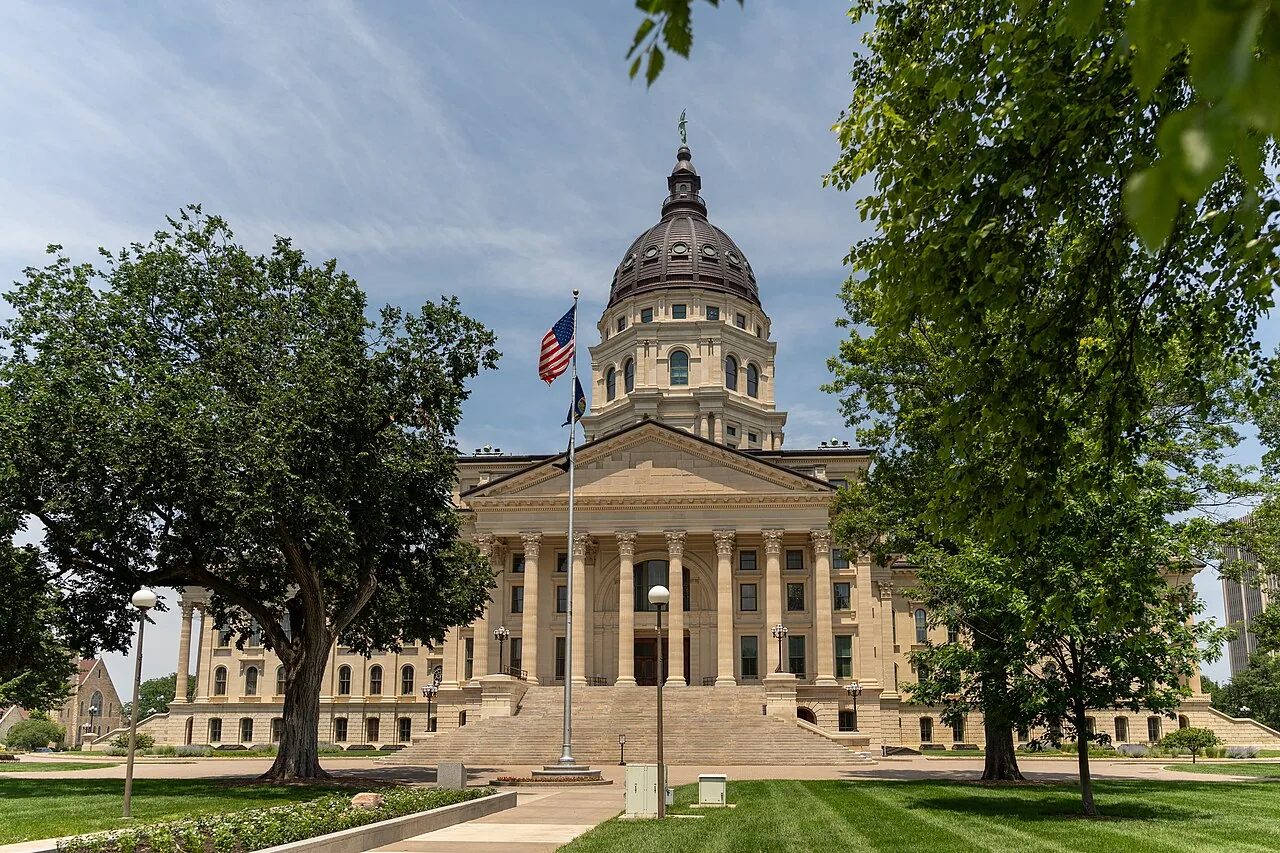
A roof with exposed deck or missing panels needs a safe perimeter before a repair quantity can be set. We document the opening, check what remains attached, and coordinate entry after the property is released. Washburn University lost or sustained damage to every campus building during Topeka’s 1966 tornado. That history frames regional severe-weather exposure; the current roof scope follows findings at the property under inspection. The Capitol District is another named public property in downtown Topeka, where the site contact confirms the approved access route.
Safety: What must be secured before inspection?
We start from a safe access point and stay out of areas restricted by emergency personnel or the building representative. Tornado damage can leave loose metal, compromised deck, wet electrical equipment, or falling debris. The owner identifies exclusion zones and confirms when the roof can be entered. A emergency stabilization visit can protect exposed areas when attachment and access are safe enough for temporary work.
We do not assess structural capacity from a roof surface walk. If deck, framing, or wall stability is uncertain, the owner coordinates a qualified structural professional or authority. Our report records the roofing assembly and visible conditions after release, including portions that cannot be reached. That distinction matters when a roof opening is visible from inside but the approach above remains unsafe.
Interior protection also needs a clear boundary. The site contact identifies occupied rooms, equipment, inventory, or public routes below the damage. We document the water entry and any temporary protection, then show which areas remain closed. For a civic property, staff may need to redirect visitors; an industrial location can have a separate vehicle or production route. The work plan names those controls before material is moved.
Survey: Which roof sections remain repairable?
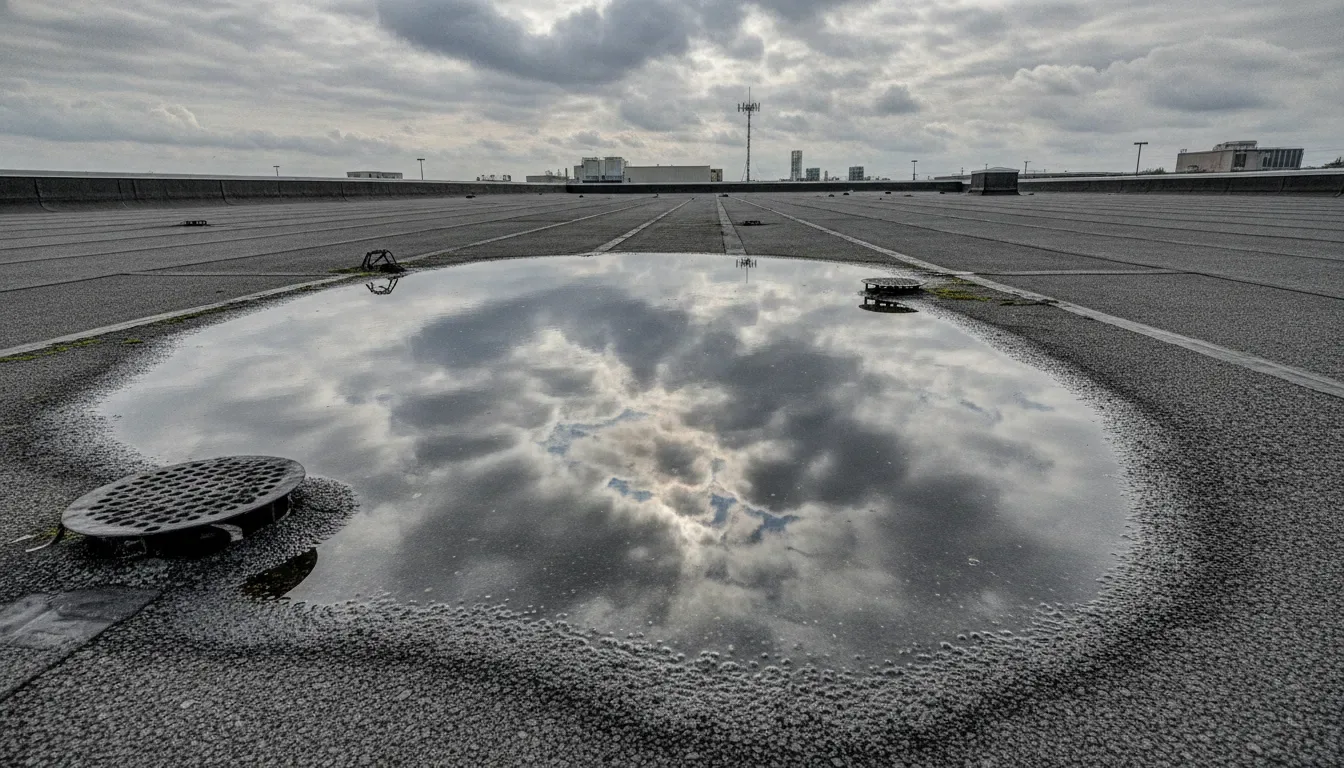
We map displaced panels, torn membrane, lifted coping, damaged curbs, punctures, and areas exposed to rain. A roof inspection report records materials and dimensions by roof zone. We note whether the deck is visible, whether insulation is wet, and where a test opening is needed. The crew also records loose debris, standing water, and any section covered by emergency materials so those conditions can be revisited once access improves. Damage from impact, wind pressure, or debris is described as an observation unless a qualified evaluation establishes the cause.
Water can travel along a deck or below insulation before reaching an interior ceiling. We compare the room report with roof slope, seams, equipment, and drain locations. A moisture survey can help select openings, but the report labels readings separately from confirmed wet material. The owner approves testing that expands beyond the surface assessment. We keep untested areas visible instead of treating the entire roof as damaged by default.
Large complexes may include several roof elevations, canopies, mechanical screens, and connecting corridors. We inventory each section before combining quantities, and photograph any material that moved but stayed attached. Drain locations and equipment curbs also help orient the map when the original roof plan is incomplete. If a building has more than one assembly, each one receives its own repair detail and material list.
Topeka’s weather archive includes severe hail and wind events. After a tornado report, the inspection may also find punctures, loose edge metal, and hail marks. We record each type because the repair method can differ. A wind damage assessment can define perimeter movement, while a separate roof zone may need a puncture patch or full panel replacement. Each scope follows the tested condition.
Dry-in: How is the building protected while decisions are made?
When the assembly is open, we remove only loose material that can be handled safely and cover the exposed area with an appropriate temporary system. The record states where the cover is attached, what it protects, and what weather or access could limit its performance. A temporary measure supports stabilization; it does not establish the final repair quantity or confirm the full extent of concealed damage.
We identify the safe stopping line before removal starts. If a shift ends or weather changes, the roof must be left with a secure boundary. The owner receives a photo and a clear check point for the temporary protection. If another trade needs to enter the building, we coordinate the route and identify any area that should remain isolated until the permanent roof work is inspected.
Winter precipitation and summer storms create different work constraints in Topeka. A wet surface can prevent a reliable membrane tie-in, while ice may restrict access. We schedule permanent work when the substrate and weather suit the selected system. The hail damage review can be kept separate when impact marks require their own testing or repair line.
Options: What belongs in the permanent roof scope?
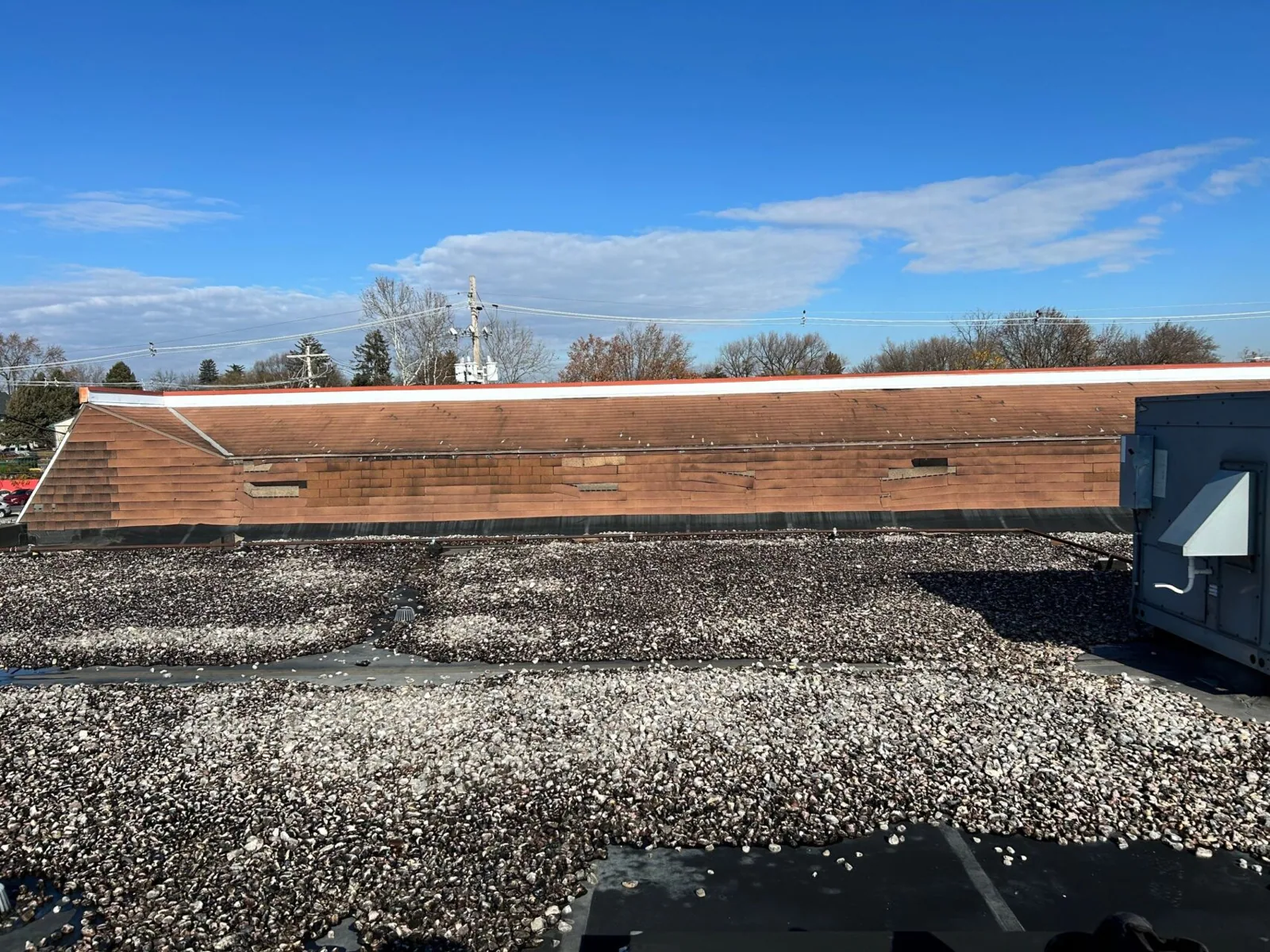
A section may be repairable if the surrounding membrane, panel attachment, insulation, and deck remain sound. Broad openings, repeated loss of attachment, or wet material across multiple zones may call for larger replacement work. The repair estimate lists material, dimensions, preparation, access, disposal, and closeout checks. Any change in quantity after opening is presented for owner approval before the scope expands.
Cost and timing depend on roof height, deck condition, material availability, equipment access, removal volume, and the number of areas released together. A metal roof may need matching panels and secure edge details; membrane work needs compatible tie-ins and dry conditions. If structural review or interior restoration is still underway, we can separate temporary work, permanent roofing, and later follow-up so the owner can sequence each decision.
Before returning the area to normal use, we inspect the tie-in, edge securement, penetrations, and roof access path. Completion photos show the boundary restored and any nearby material left for observation. If the roof needs broader monitoring, we state which area and why. That keeps a post-event roof file useful for facilities staff rather than relying on an event headline alone.
After severe wind, first separate emergency stabilization from permanent reconstruction. We identify openings, displaced perimeter metal, damaged penetrations, debris, and areas where safe access is restricted. Temporary protection should be attached only where the substrate can support it, and the closeout states what remains exposed. If deck, framing, or structural connections need evaluation, that decision goes to the qualified design professional before roofing work proceeds over the area. The permanent scope records material, attachment, and tie-in limits for each section rather than treating a broad weather report as a roof diagnosis.
Commercial Roofing Questions
Can a roof be inspected while emergency crews are still on site?
We follow access restrictions from the responsible authority and property representative. Roof entry begins after the area is released and the route is safe.
Does the 1966 Topeka tornado show what happened to my building?
No. It documents a historic city event and severe local exposure. The current property needs its own roof inspection, measurements, and any required structural review.
Can a temporary cover stay in place until insurance decisions are made?
We document the temporary system and its limits, then identify a safe follow-up interval. The owner should not treat it as a permanent repair or assume it removes the need for inspection.
What if the roof deck is exposed or appears unsafe?
We keep clear of the affected area and notify the site contact. A structural professional or authority evaluates capacity before roofing work proceeds there.
How do you separate repair from replacement after a tornado?
We compare measured openings, attachment, insulation, deck, and remaining roof condition. Each option states what was tested and what remains uncertain.
Related Roofing Work
Washburn University
Capitol District
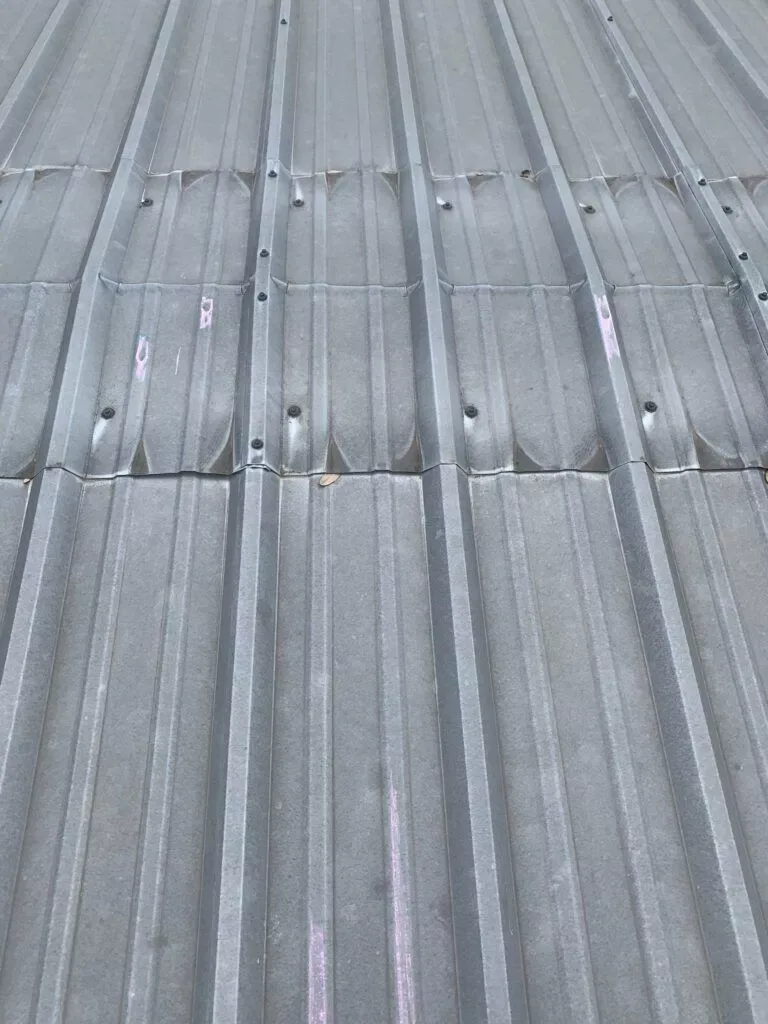
Emergency Commercial Roof Repair
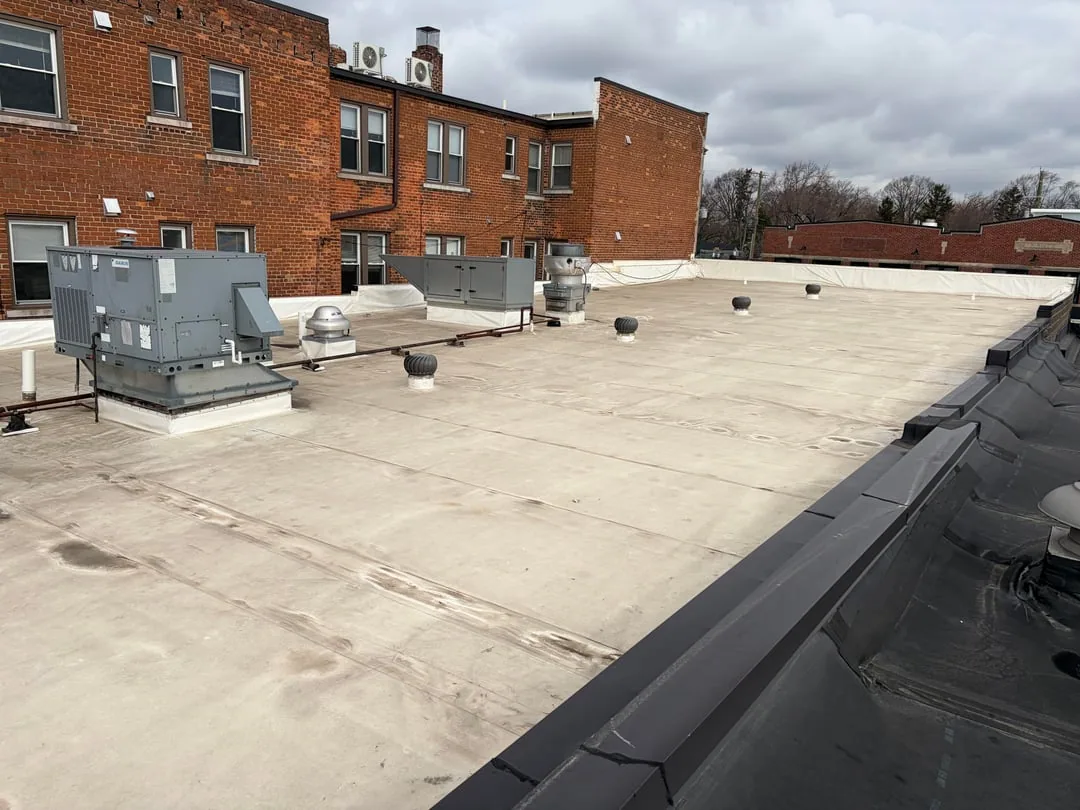
Commercial Roof Inspection
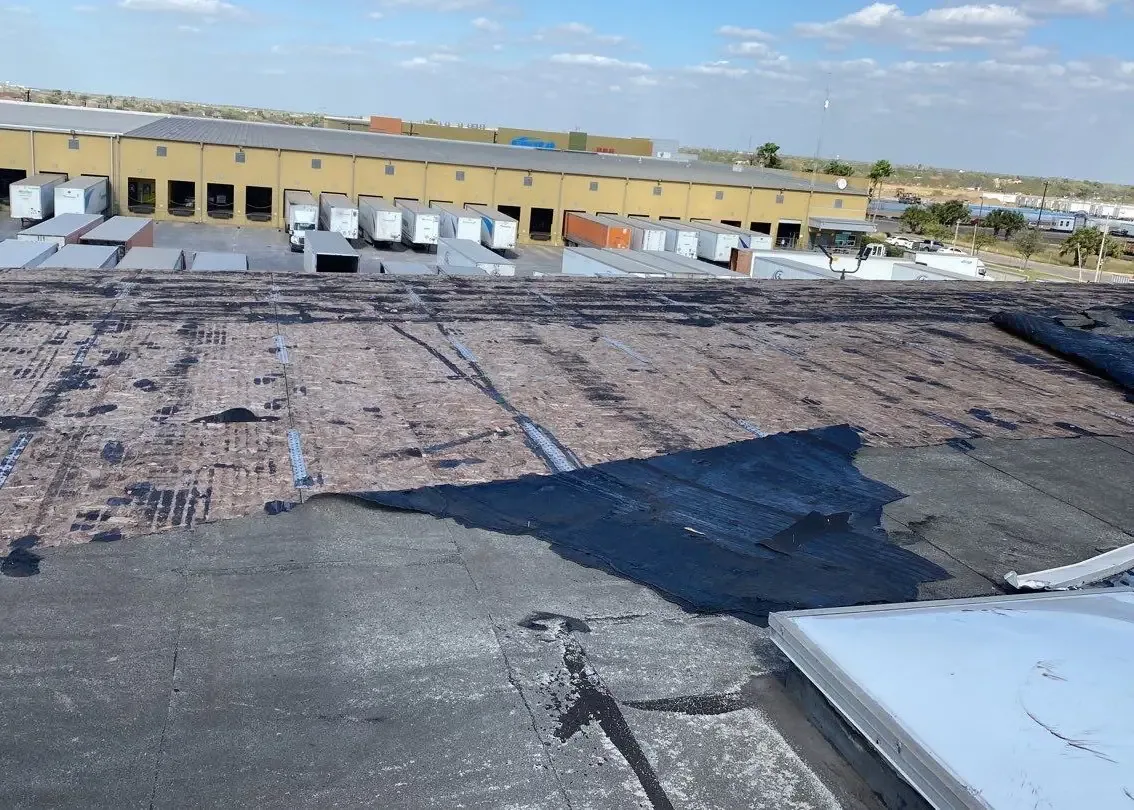
Commercial Wind Damage Roof Repair
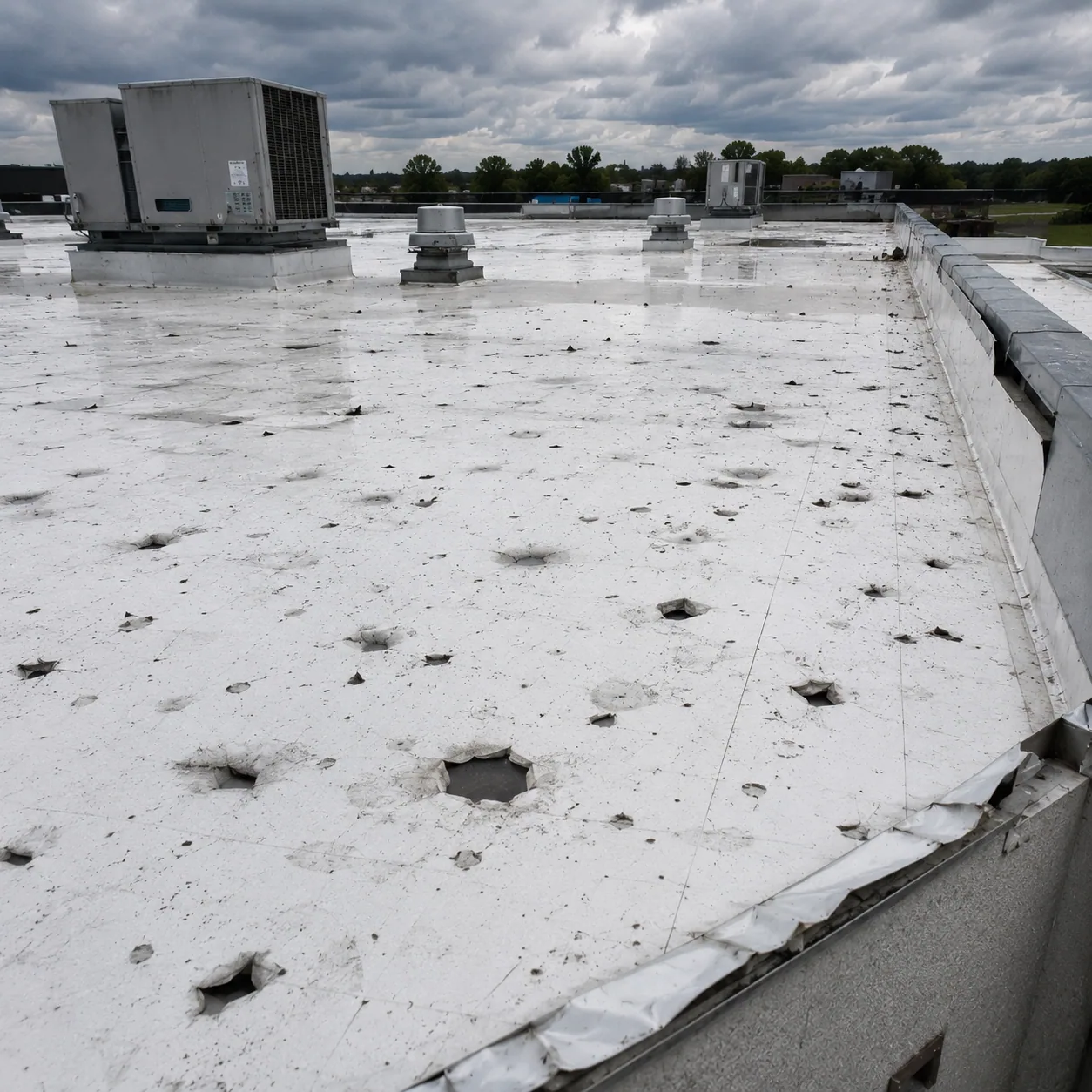
Commercial Hail Damage Roof Repair
Request a Topeka tornado roof assessment
Service Area
Topeka, Auburn, Silver Lake, Carbondale, Rossville and Shawnee County, KS
Quick Contact
Email: [email protected]
Phone: 555-555-5555
Request a Roof Assessment
Share the address, release status, affected rooms, access contact, and any available roof plans. We will document safe-to-access conditions and separate stabilization from permanent repair.