
Air Force Facility Roofing in Topeka, KS
Home / Property Types We Roof / Air Force Facility Roofing
A leak above an aircraft-support room can affect a mission area before water appears on the floor. We identify the reported building, trace the roof path, and mark the section that needs testing. The mission contact sets access and work timing; inspection results set the repair boundary. Topeka’s military aviation presence is the 190th Air Refueling Wing at Forbes Field, an Air National Guard installation that operates KC-135 Stratotankers.
Mission: Which facility areas can be released?
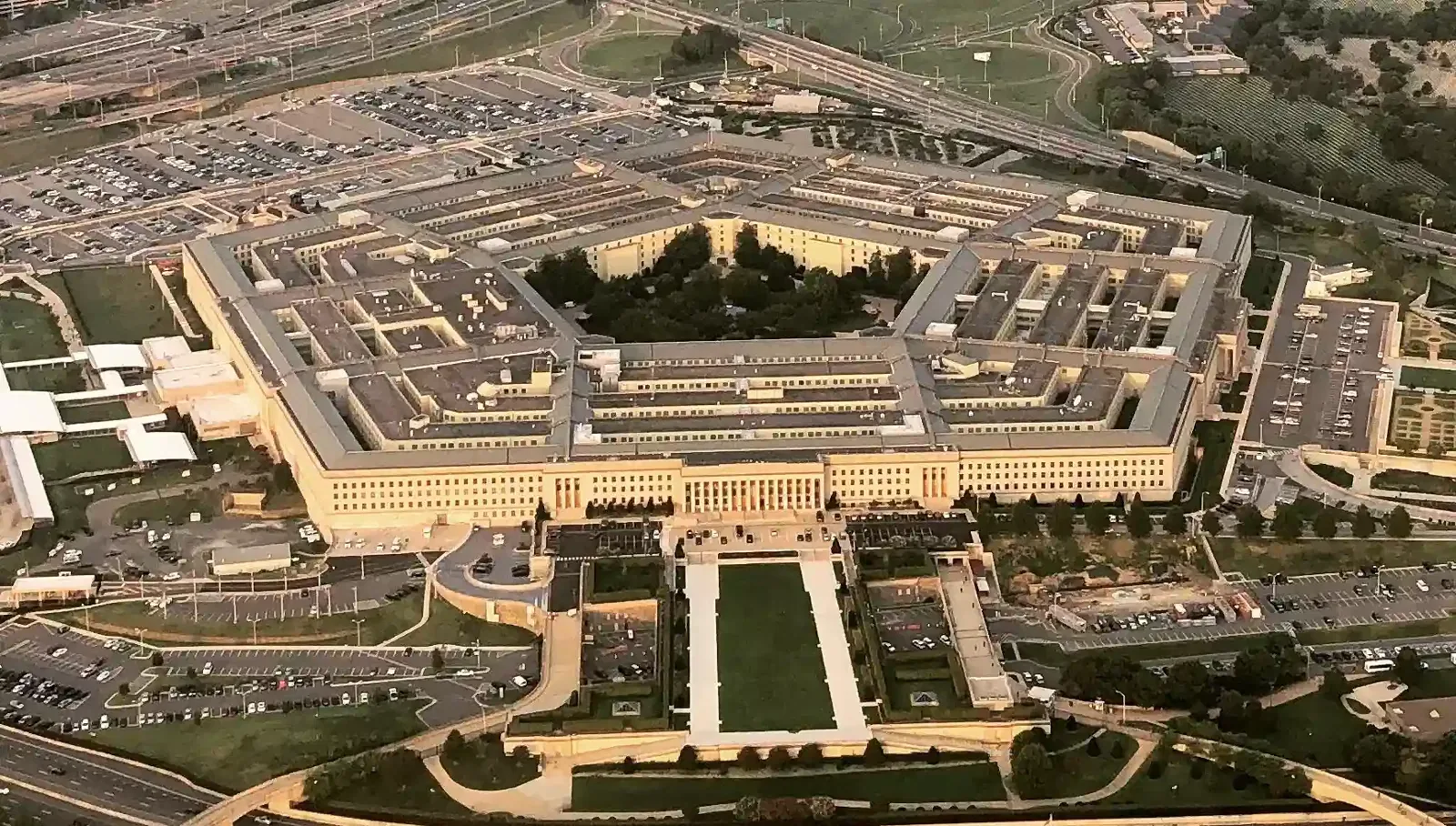
The 190th ARW uses administrative, industrial, and service facilities across its Forbes Field installation. Roof work can involve an office, aircraft-support space, or a service building, each with its own contact and mission constraint. We map the named building and roof zone before setting a work date. A military installation roofing plan lists the work boundary, escort requirement, staging point, and tie-in expected at shift end.
Any roof access remains subject to the installation’s directions. The designated contact confirms badging, vehicle entry, escort, restricted areas, safety orientation, and whether operations allow a lift or material delivery. If another trade must isolate equipment, that dependency goes into the scope before the work zone is released.
The Forbes Field Joint Forces Headquarters is a Kansas National Guard facility with office, assembly, media, classroom, conference, locker, and shower spaces. Those uses require a different roof map from an aircraft-support building. We identify the actual room below the repair and the contact who can release it before confirming interior protection or public access controls.
Survey: What should the roof report identify?
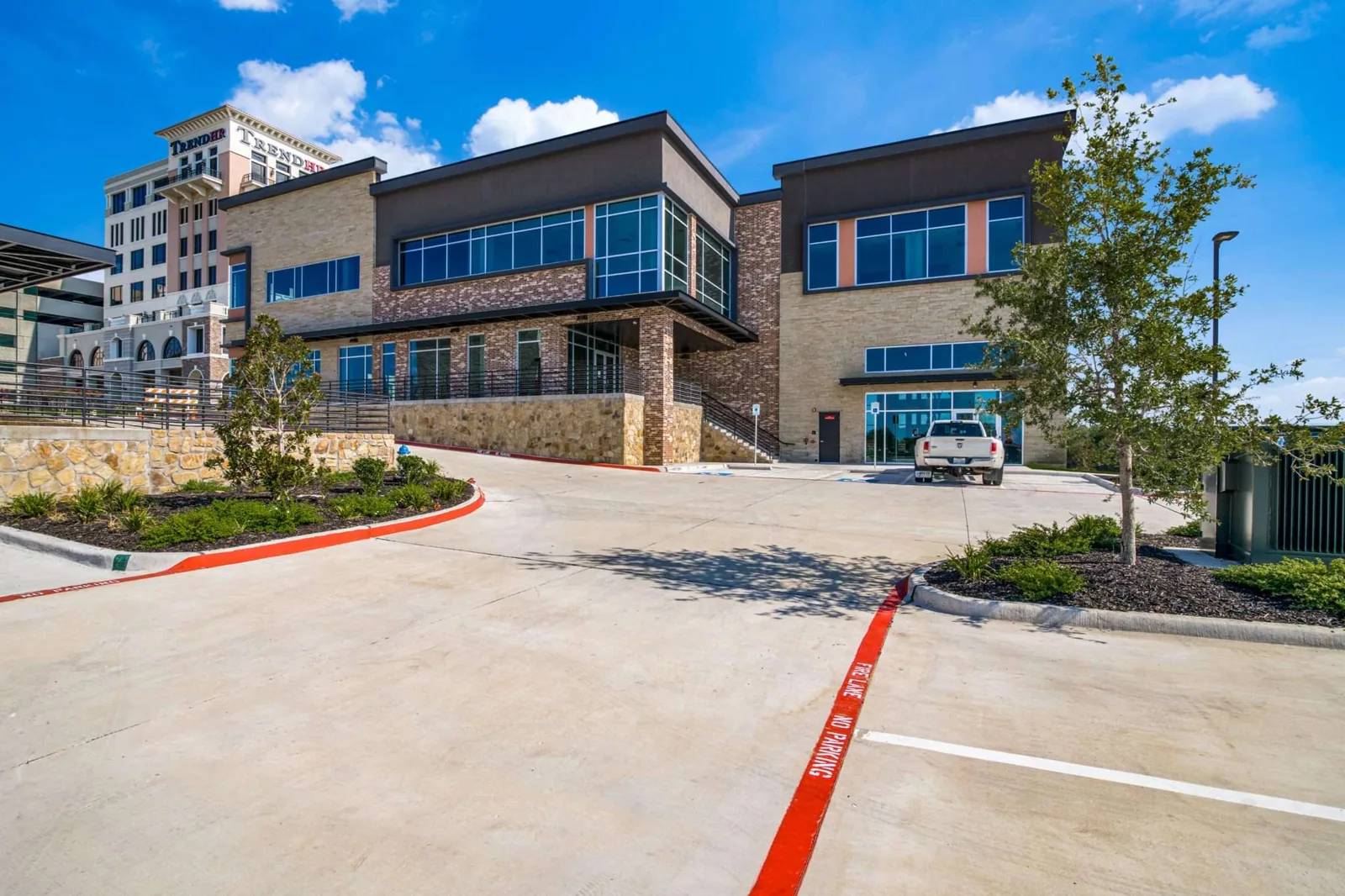
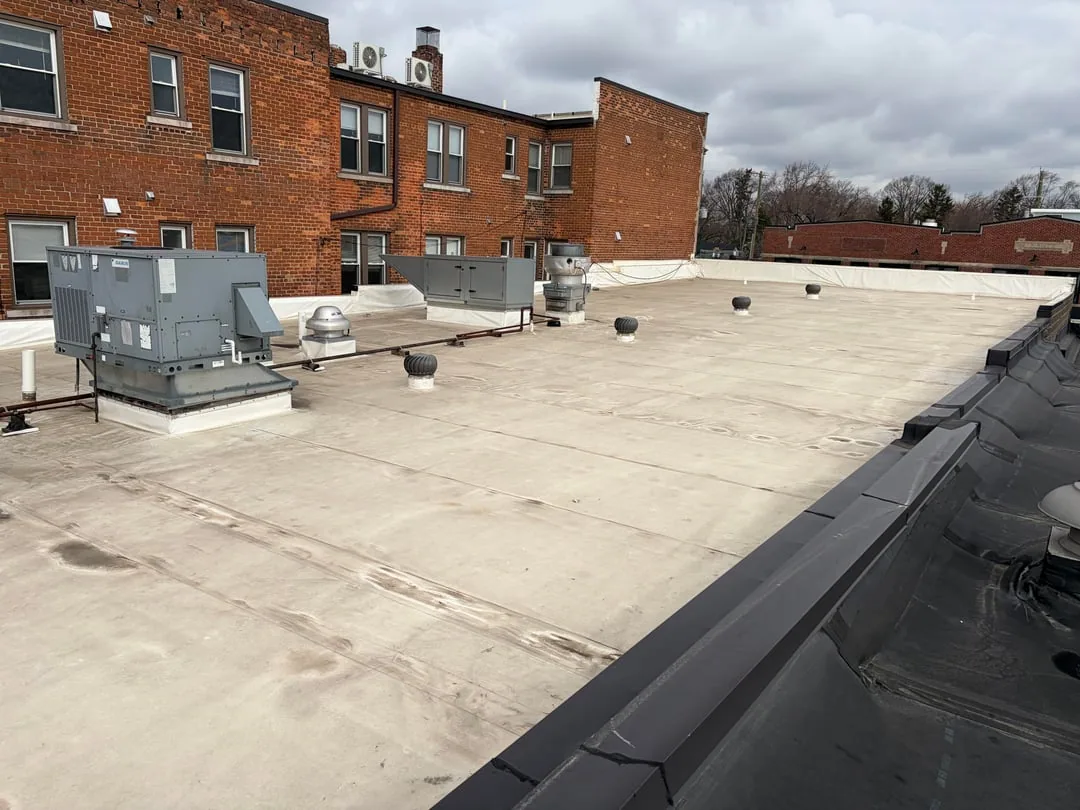
A roof leak may follow a curb, seam, drain, or wall transition before reaching an interior report. We inspect the installed assembly, photograph visible conditions, and note where equipment or security restrictions limit access. A commercial roof inspection records the tested section and distinguishes observed damage from areas that remain unverified.
Hangar-adjacent roofs can have large spans, roof penetrations, ridge closures, and service access points. Administrative and industrial buildings may instead have different transitions and rooftop equipment. We label each opening and measurement by building and zone. If moisture testing changes the removal quantity, the report shows its readings separately from wet material confirmed through an opening.
Forbes Field is about five miles south of downtown Topeka, and the wing’s flight operations make aircraft-support access a site-specific issue. Philip Billard Municipal Airport has a separate tenant mix that includes aircraft storage, a flight school, fuel service, and a corporate hangar. The two aviation settings inform local scheduling context, but the project owner provides the controlling site instructions.
Weather: When does the roof need another look?
Topeka’s 1991 to 2020 normals place annual precipitation near 36.5 inches. Summer thunderstorms and winter precipitation create separate inspection windows. Before spring storms, we inspect drains and high-wall flashings; after ice leaves the roof, a follow-up confirms that outlets carry water and nearby seams remain closed. Ice or wind may also close a roof route, so the report marks any section that could not be reached safely.
The National Weather Service has documented severe hail and wind events across northeast Kansas. After a report from an installation contact, we inspect roof edges, fasteners, panel laps, coping, and equipment flashings at the specified building. Photographs and field dimensions establish actual condition. A weather date alone does not set a military repair scope.
Washburn University’s Topeka campus lost or sustained damage to every building during the 1966 F5 tornado. Current installation repairs still begin with dated roof photos and measurements from the assigned facility, not the city’s storm record. Following high wind, we list the surfaces inspected, any displaced component, and any access limit imposed by mission activity or weather safety.
Repair: What can be approved at the opening?
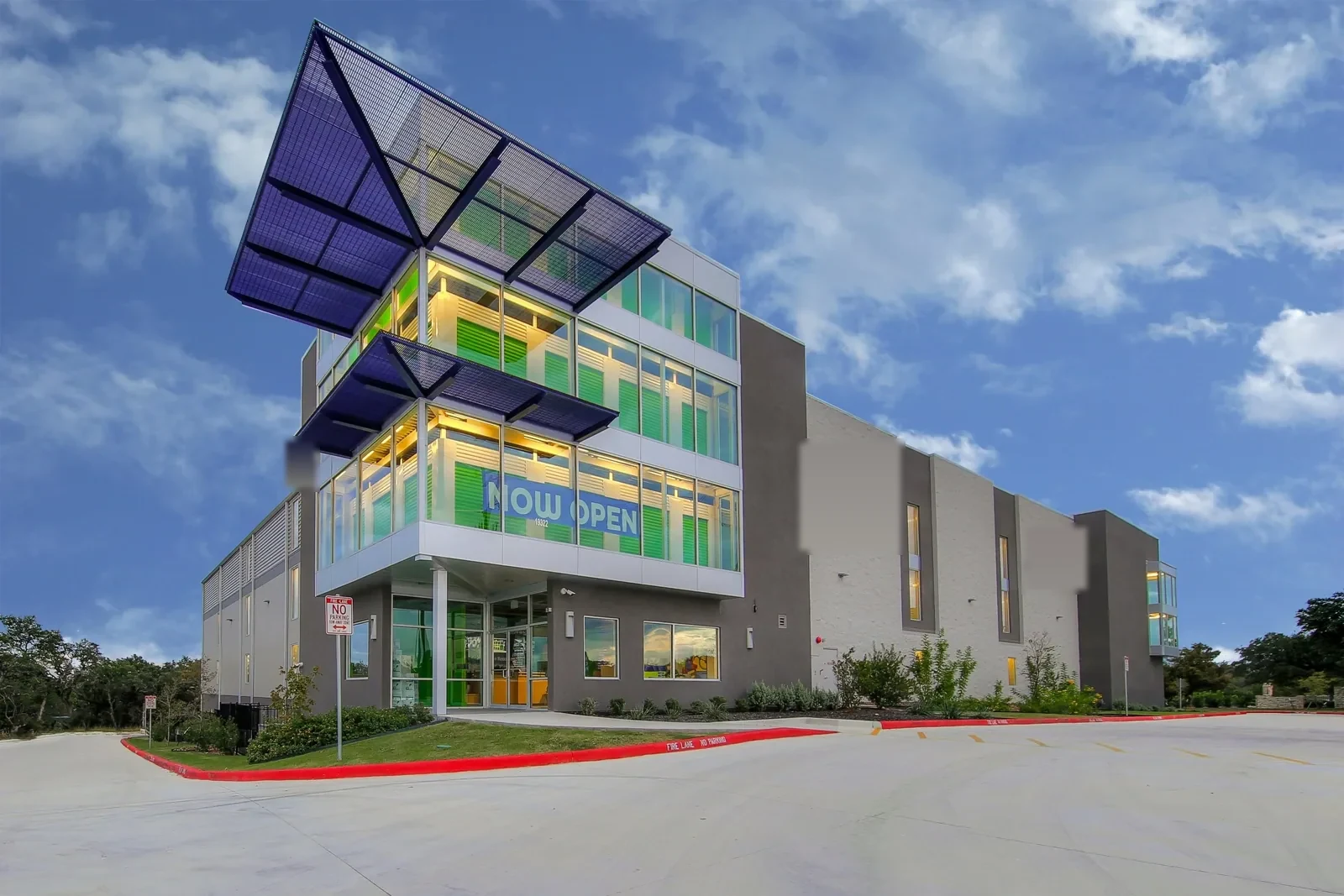
A localized seam, curb, or flashing failure can support a bounded repair when the surrounding membrane and insulation remain sound. The commercial repair scope states preparation, compatible material, measured dimensions, interior controls, and the closeout check. Any additional removal requires the approval path named by the installation contact.
If the opening reveals wet insulation or a compromised deck beyond the test area, we secure the exposed assembly and document the new boundary. The facility can authorize the measured addition, direct a separate phase, or request a broader survey. No crew should leave the building with an unprotected opening or an undocumented access restriction.
Emergency response can be arranged after normal office hours, weekends, and holidays. We coordinate through the installation point of contact, protect the affected space, and record temporary mitigation. Permanent work follows when access and system compatibility are confirmed. The report names what is complete and what still requires a mission-approved window.
Options: When should facilities compare replacement?
Failures across multiple zones, broad corrosion, or moisture confirmed through separate openings may warrant a capital review. A replacement study prices localized work beside a cover-over or full removal, with roof framing, water route, equipment, and access approvals listed as cost drivers. Timing depends on material handling, security, weather, and how many zones the installation releases at once.
A National Guard armory roof plan may involve assembly and readiness rooms, while a military hangar assessment centers on aircraft maintenance clearances. This Air National Guard facility has its own mission and access rules. We separate each building’s test results and state any UFC criteria supplied for the project.
Topeka Regional Airport and Business Center includes freight, trucking, and warehouse uses alongside the aviation setting. That business center has a different operating profile from Forbes Field. For any installation roof, the comparison identifies the building, assembly, tie-ins, security dependencies, and follow-up inspection needed before an owner decision.
Record: What should the facility file retain?
Keep the roof plan, building designation, access approvals, escort notes, photos, test locations, material data, and repair dimensions together. Record which zone was released, when the tie-in was inspected, and any area not reached because of mission or weather limits.
If a later leak is reported, compare its time and interior location with the last roof repair and equipment work. A new report may follow a different path. The map helps maintenance staff request a focused survey without assuming the previous section is the source.
Send the Topeka facility address, building number, mission contact, access instructions, roof plan, and available maintenance records. We will mark the test boundary and list the approvals needed to set a work window.
Hangars and support buildings can have different spans, curb layouts, door lines, and access controls. We map the roof separately from the operational area below, then coordinate equipment, aircraft or vehicle movement, escorts, and any shutdown needed to reach a detail safely. The scope distinguishes roof observations from installation security procedures, which remain controlled by the facility. If records are incomplete, we identify the specific test needed before pricing a wider reroof.
Commercial Roofing Questions
Does Topeka have an Air Force base?
The local military aviation installation is Forbes Field, home to the Air National Guard’s 190th Air Refueling Wing. The project owner identifies the facility and access rules for each requested roof scope.
How do you schedule work in a controlled facility?
We use the designated contact’s instructions for badging, escort, vehicle entry, staging, and mission limits. Those requirements are listed before a crew is scheduled.
Can you inspect a hangar roof while aircraft are inside?
Only where the facility releases a safe section and provides the required clearance. We identify the restricted bay, inspect accessible areas, and return when the owner permits closer access.
What supports a storm-related repair request?
The building report date helps set inspection timing. Roof photos, dimensions, and confirmed defects establish the repair scope, with any untested area kept separate.
When should installation staff compare a larger reroof?
Multiple failing zones, repeated seam work, or moisture confirmed across several tests can support that review. We document the assembly and mission access assumptions for each option.
Related Roofing Work
Military Installation Roofing
Commercial Roof Inspection
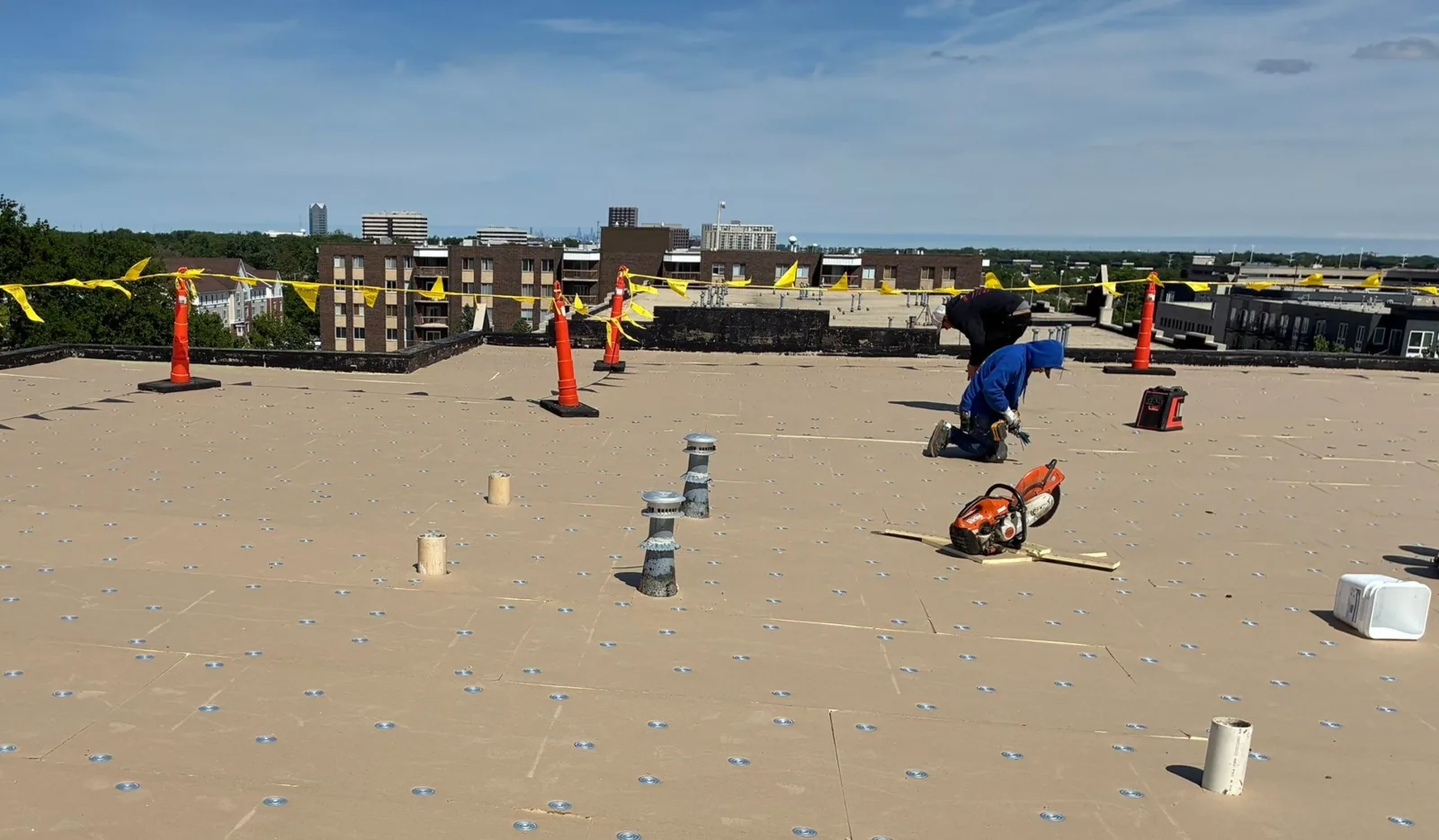
Commercial Roof Repair
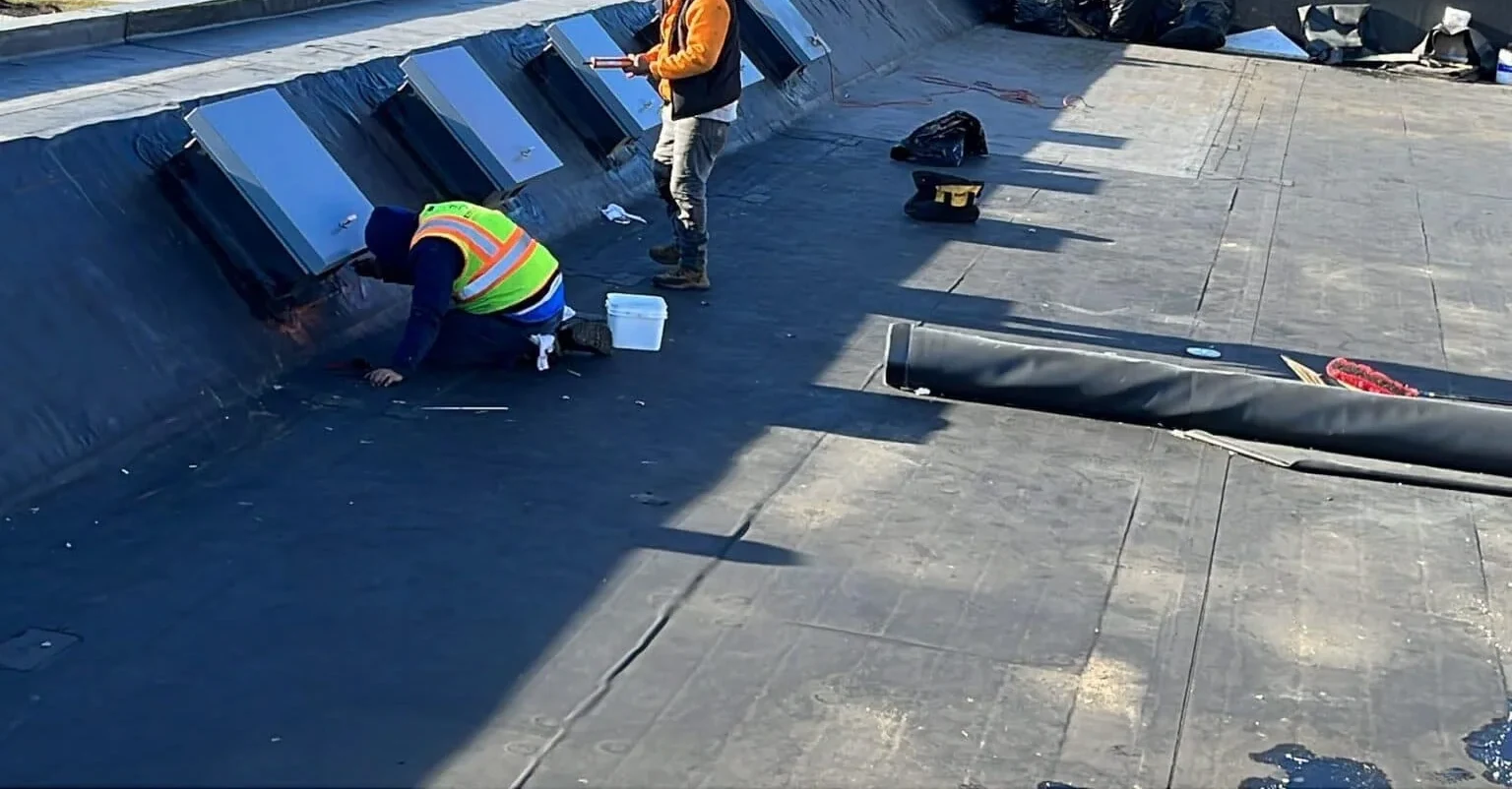
Commercial Roof Replacement
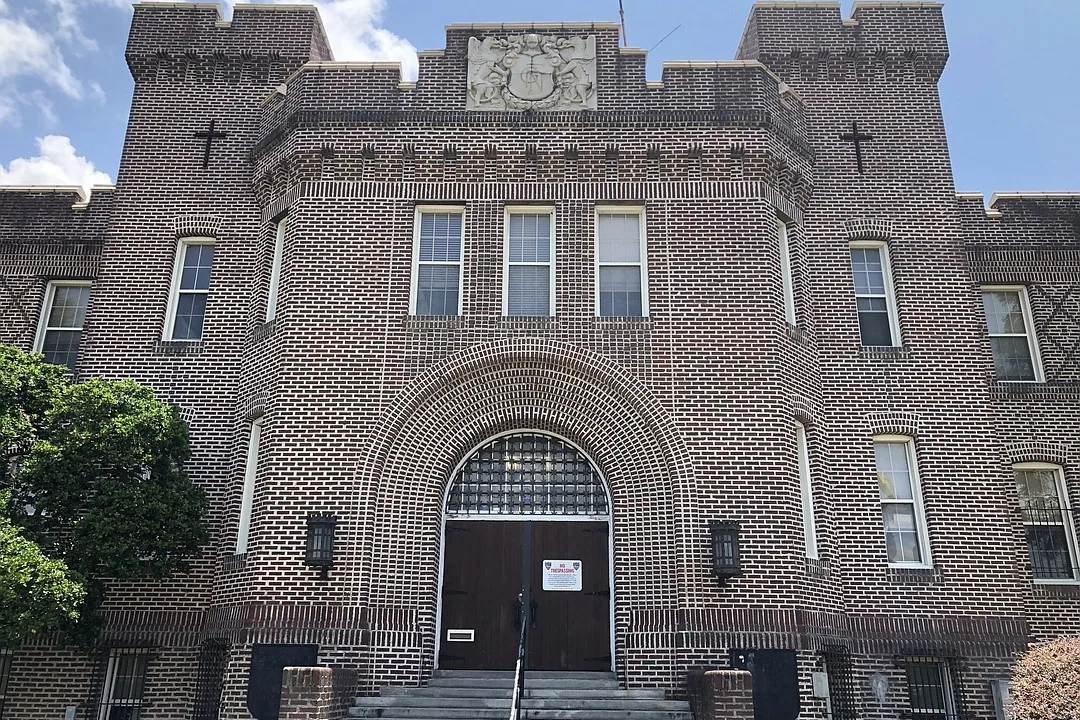
National Guard Armory Roofing
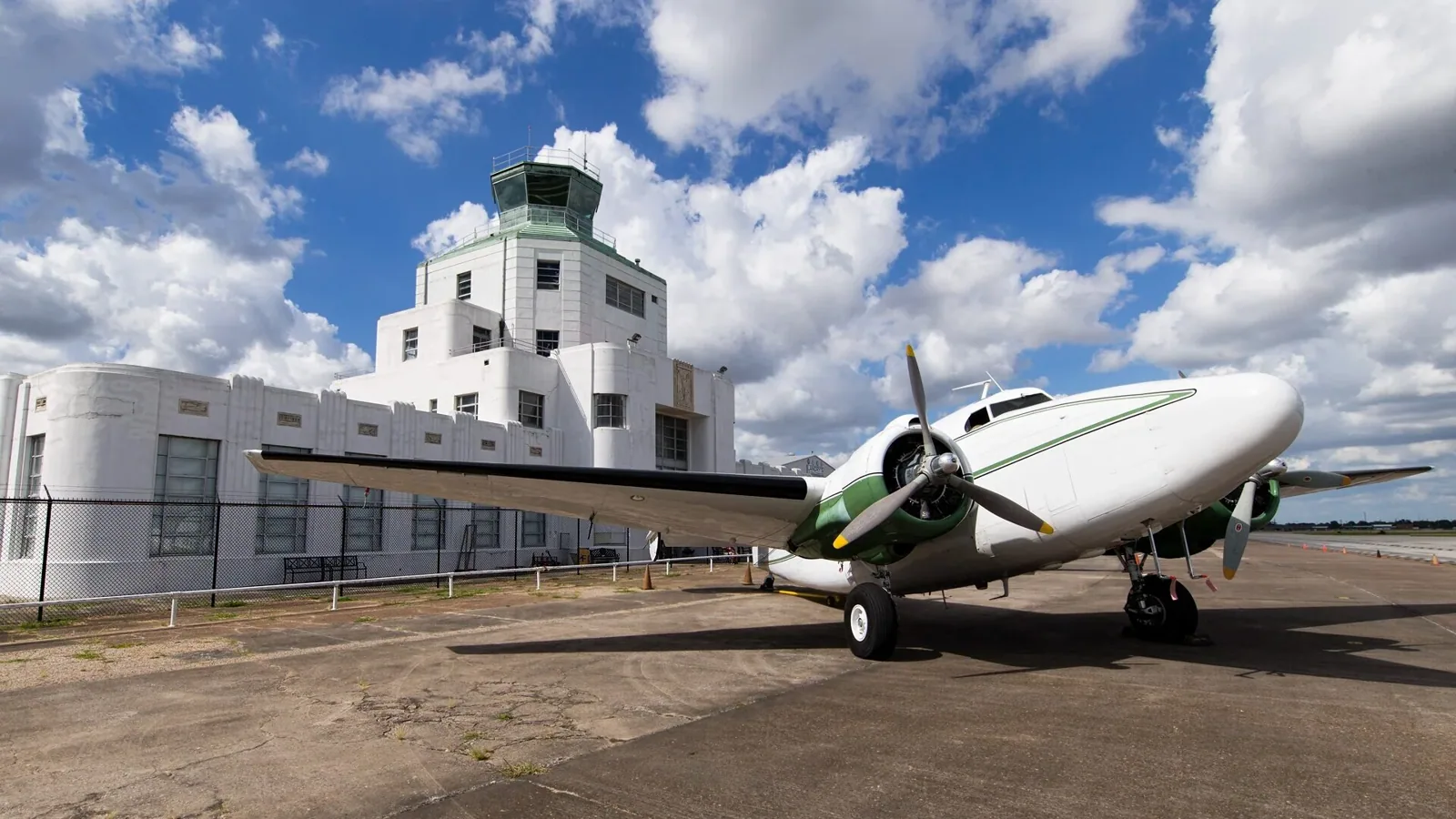
Military Hangar and Maintenance Facility Roofing
Set an installation roof survey
Service Area
Topeka, Auburn, Silver Lake, Carbondale, Rossville and Shawnee County, KS
Quick Contact
Email: [email protected]
Phone: 555-555-5555
Request a Roof Assessment
Send the Topeka building designation, mission contact, access instructions, roof concern, and available inspection records. We will identify the tested area and required approvals.