
National Guard Armory Roofing in Topeka, KS
Home / Property Types We Roof / National Guard Armory Roofing
A ceiling leak in a classroom or assembly room can interrupt readiness activity before the roof source is located. We compare the room report with the roof plan, inspect the nearest drain and transition, and define the section that needs testing. The unit contact controls building access; measurements control the repair quantity. Topeka’s Kansas Army National Guard headquarters is at Forbes Field, where facility use includes office, assembly, media, classroom, conference, locker, and shower space.
Readiness: Which rooms can be released?
An armory may serve administrative work, training, assembly, distance learning, or equipment support. The Forbes Field Joint Forces Headquarters includes several of those functions under one facility designation. We identify the room beneath the reported roof area, then coordinate the inspection time with the assigned contact. A military facility work plan records the released zone, escort, staging point, and tie-in that must be complete before the next use.
The Kansas Army National Guard also lists a distance-learning classroom at the Forbes Field installation. A classroom schedule differs from an assembly or locker space, so the building contact confirms occupancy and any equipment restrictions. We set interior protection, noise limits, and the safe route before a lift or material delivery is scheduled.
Topeka’s Washburn Tech North campus houses a Business and Industry Center and manufacturing training. It is a separate training site, but it shows how roof work over instructional rooms must preserve planned access. At an armory, the unit contact provides its own class, drill, and readiness windows, which set the access and protection schedule.
Inspection: What gets mapped to the roof?
A leak around a classroom can travel from a parapet or penetration before it reaches the ceiling. We log the room, date, and weather, then compare the report with roof slope, drains, laps, curbs, and earlier repairs. The commercial roof inspection identifies the membrane, visible defects, and roof sections that could not be reached.
If readings suggest wet insulation, we select a test opening that can confirm its depth and boundary. An infrared survey can narrow the search, but it does not replace the material check. We photograph the opening, record the deck and insulation, and map any dry area nearby. The owner receives measured findings before authorizing removal beyond the initial limit.
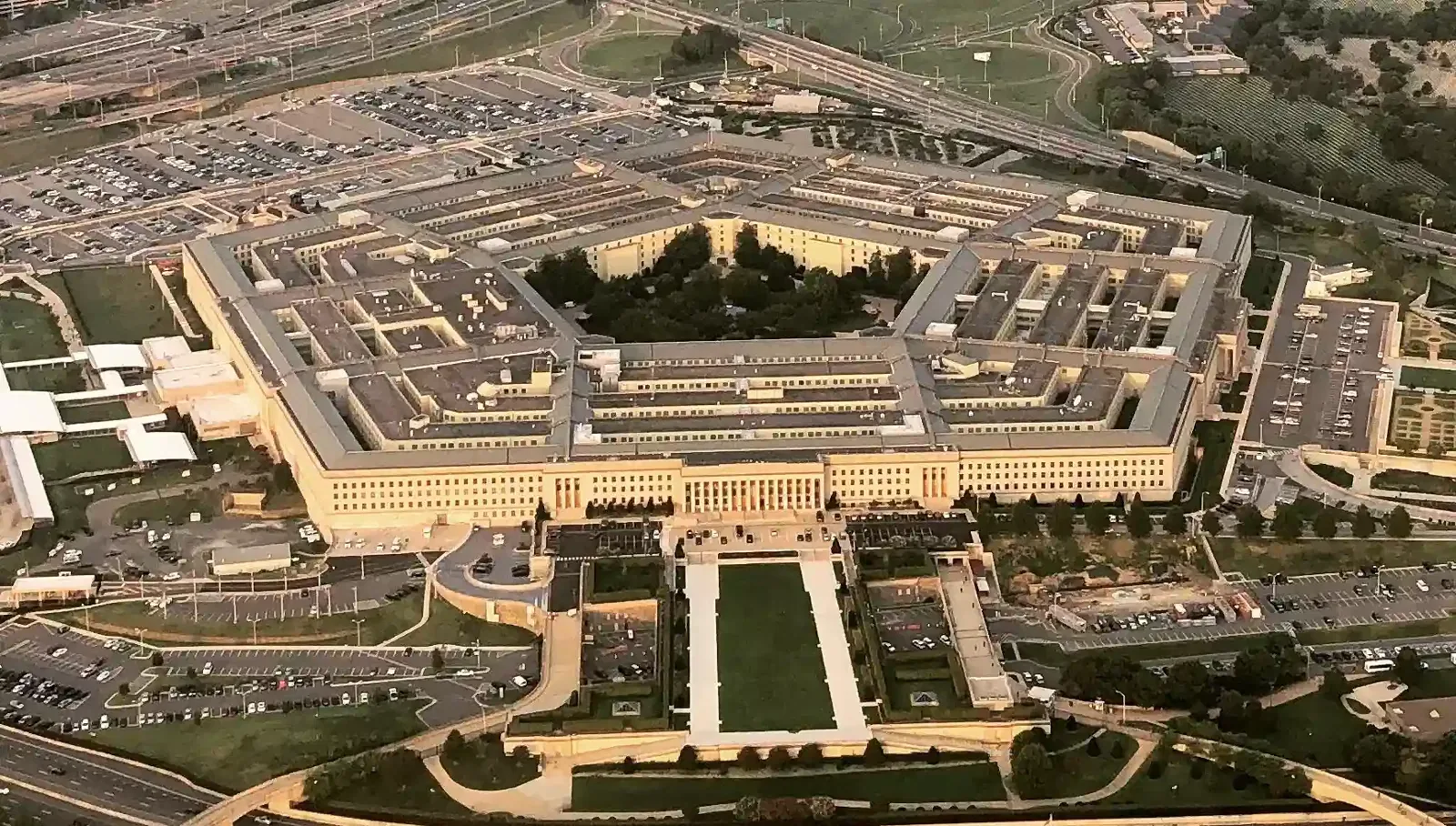
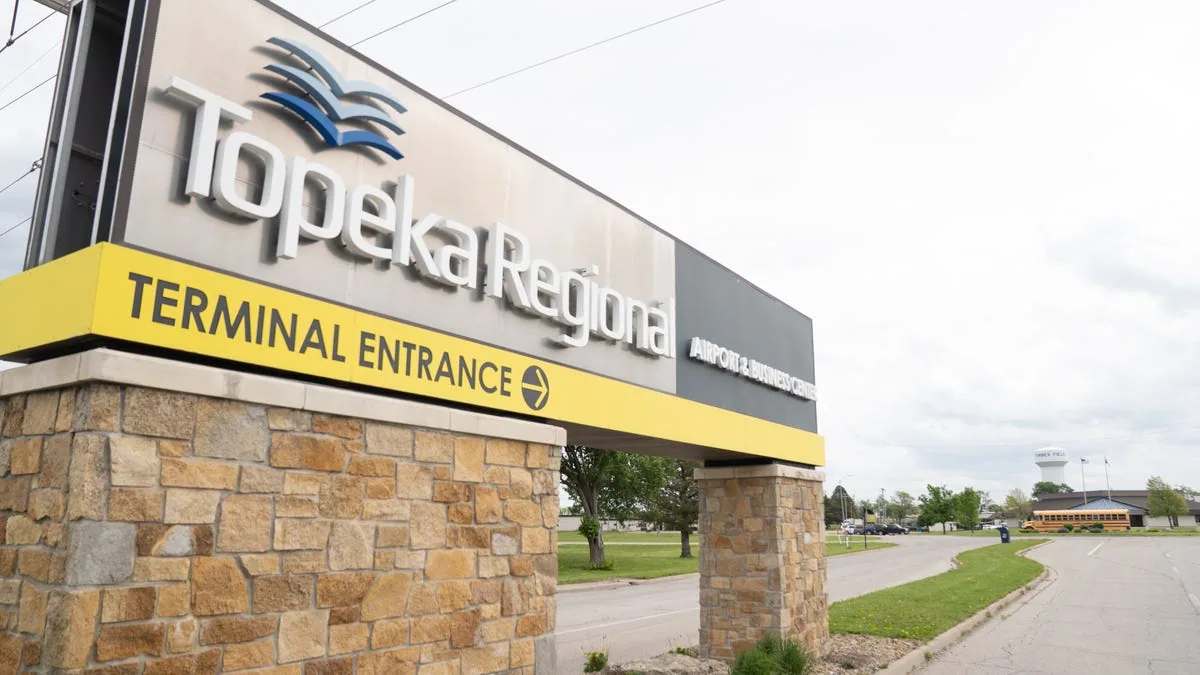
The nearby military installation at Forbes Field is about five miles south of downtown Topeka, while the Topeka Regional Airport and Business Center has separate freight and warehouse tenants. Those sites have distinct access requirements. The armory’s security and schedule are set by the unit’s current instructions and recorded before work is mobilized.
Access: What controls the work window?
Entry procedures may require a roster, escort, vehicle inspection, badging, or a limited gate. We obtain instructions from the authorized installation contact and include them in the crew plan. No access route is assumed from a public airport map. If another trade must disconnect an antenna, rooftop unit, or communication line, that dependency is assigned before the roof opening is approved.
Material staging must avoid armory access roads, emergency egress, and equipment areas. We identify the lift, delivery location, pedestrian controls, and weather tie-in. A occupied-facility sequence states which rooms or routes remain unavailable during each shift. The closeout check confirms the roof detail and the room below before the unit releases the area.
Emergency roof service can be reached at any hour, including weekends and holidays. We coordinate through the designated unit contact, protect the affected room, and document the temporary measure. Permanent work follows under the installation’s approved access process. The service record states what remains pending so a readiness schedule can be updated accurately.
Each installation sets its own visitor clearance, escort, photography, and delivery rules. The authorized contact confirms those steps and the approved work boundary before materials arrive.
Weather: What should the unit inspect after a storm?
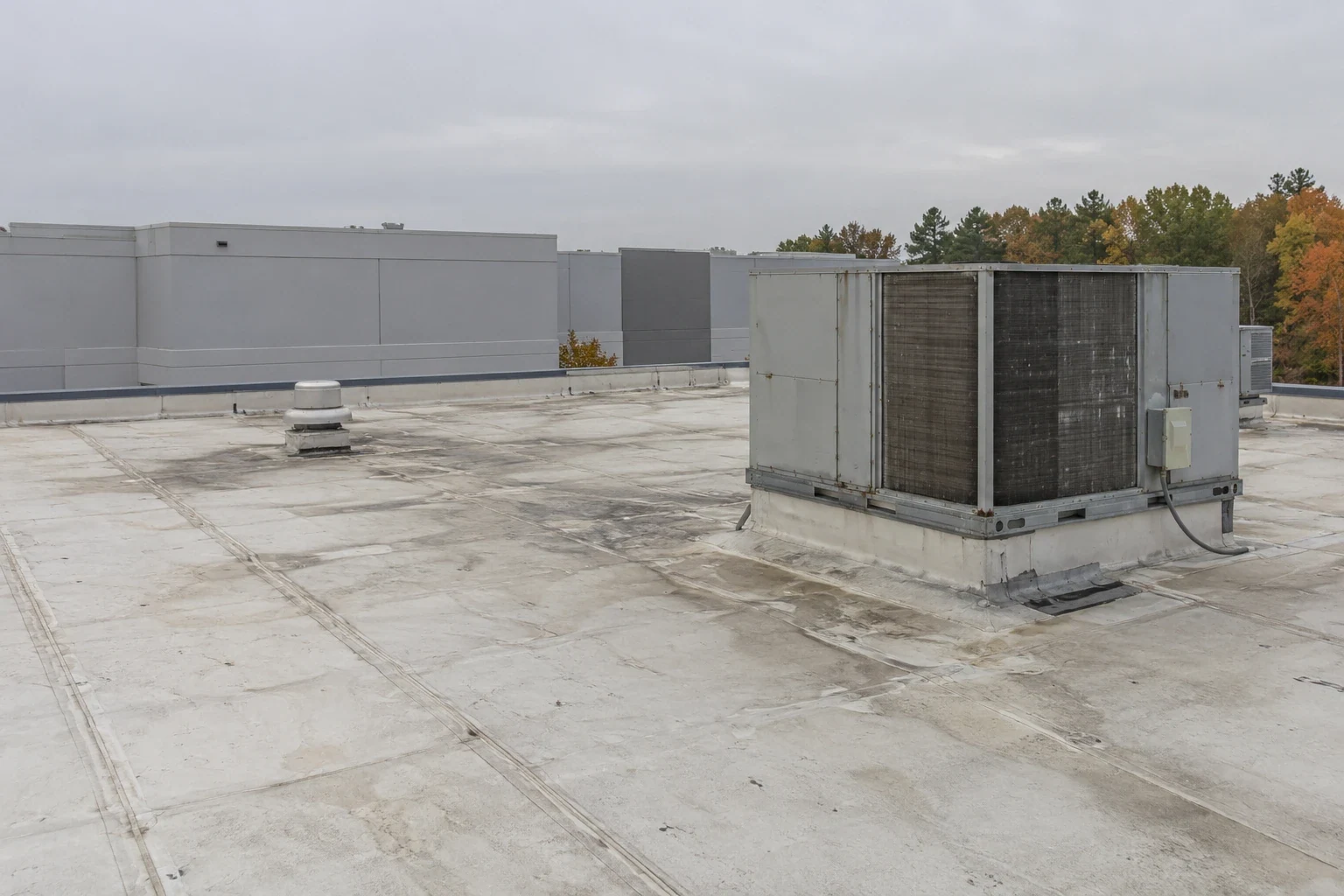
Topeka’s climate records include measurable snowfall and notable daily snow extremes. During the seasonal survey, we check for debris in drains, ice damage at edges, and seams that opened through freeze-thaw; any snow-covered area stays on the return-inspection list. Snow or ice can make a roof path unsafe; restricted sections are listed for a later visit.
The 1966 tornado caused severe damage throughout Washburn University’s campus, a local reminder that wind can affect institutional buildings. An armory still needs its own inspection after a storm report. We photograph fasteners, coping, seams, and penetrations at the building and keep observed damage separate from any prior repair or routine maintenance item.
Forbes Field’s aircraft operations create a separate access condition from classroom use at that installation. If weather delays a survey, we record whether the limitation came from roof safety, unit scheduling, or both. That distinction helps the unit decide when to release a return inspection and whether temporary interior protection should remain.
Options: When should the facility compare larger work?
A recurring leak at one curb may need a focused repair; wet insulation in multiple zones or failing seams across the roof can support a broader assessment. The repair scope identifies preparation, dimensions, and the authority for added removal. The replacement review compares repair, recover, and tear-off with deck condition, drainage, equipment, and mission schedule.
A military aviation facility assessment may involve different building uses and flight schedules. A hangar roof scope also needs aircraft and maintenance clearance. Armory work instead maps readiness spaces, classroom, and assembly uses. The options should identify each tested roof section and any UFC or other project requirement supplied for the job.
For records tied to a building acquisition or capital decision, roof due diligence can organize test locations, remaining access limits, and observed conditions. We do not infer roof life from a single stain. The unit receives the measurements, repair assumptions, and work window needed to compare alternatives.
Record: What should the unit retain?
Keep the roof map, room report, building designation, access approvals, escort notes, photographs, material data, and repair dimensions together. Record which room and roof zone were released, when the tie-in was inspected, and any portion blocked by security or weather.
If a later leak appears, compare its room and timing with the previous repair and any equipment work. A new ceiling mark may follow a different route. The log gives the next inspector a precise starting point and keeps untested areas visible.
Send the Topeka facility address or building designation, unit contact, access instructions, roof plan, and maintenance notes. We will map the tested section and list approvals needed for the work window.
Commercial Roofing Questions
Can roof repairs be scheduled between readiness activities?
The unit contact can release a roof zone and identify room, equipment, and access limits. We state daily tie-ins and the return-to-use check for each phase.
What access details do you need before a site visit?
We need the authorized contact’s instructions for badging, escort, vehicle entry, safety orientation, and staging. Those controls determine when the crew can arrive.
Does infrared scanning define the roof repair quantity?
It can narrow where a test opening may be useful. We confirm material conditions and dimensions before adding wet insulation or deck work to the scope.
Can an emergency call be handled after drill hours?
An on-call response can be arranged after hours and on holidays. Entry goes through the authorized contact, and temporary protection is documented separately from permanent work.
When is a full reroof comparison warranted?
Multiple leaking zones, repeat seam failures, or moisture found across separate tests can justify that review. The report shows which areas were tested and what remains unknown.
Related Roofing Work
Military Installation Roofing
Topeka Regional Airport Business Center
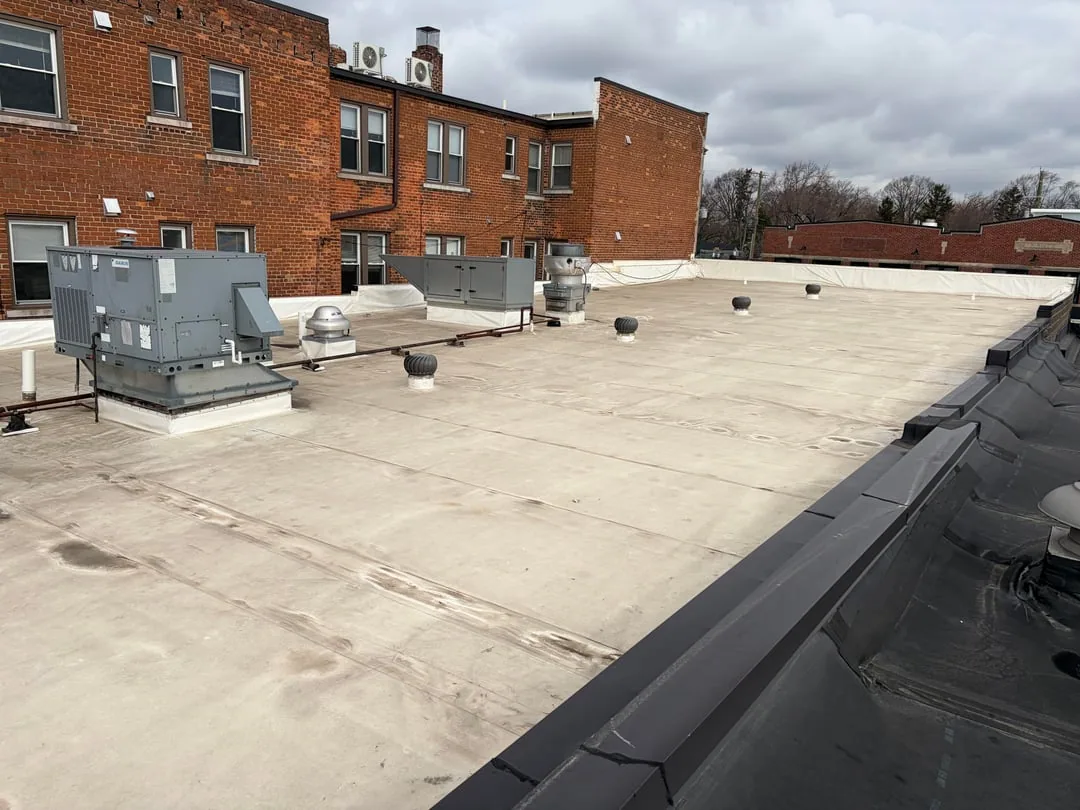
Commercial Roof Inspection
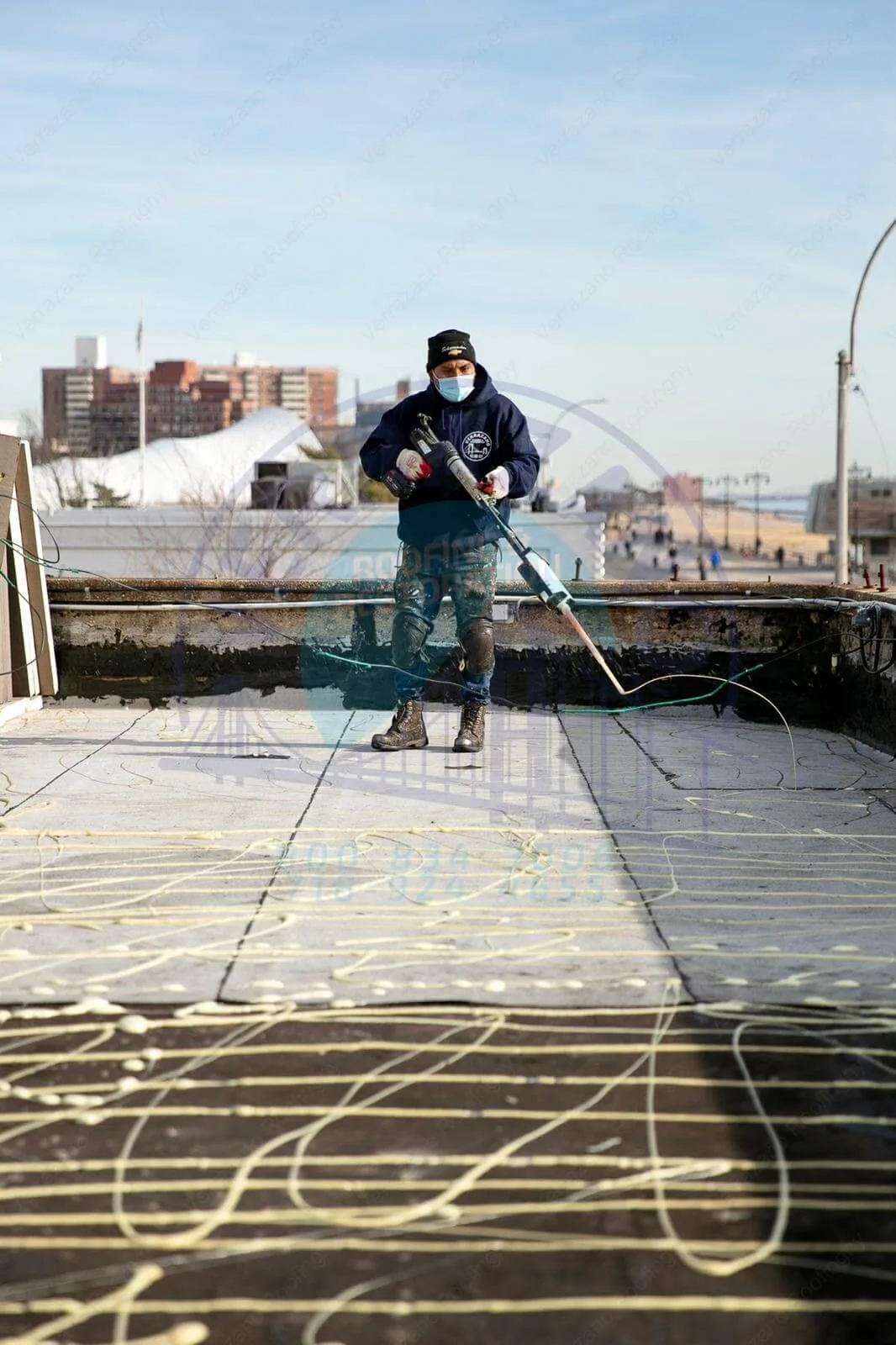
Occupied Commercial Building Reroofing
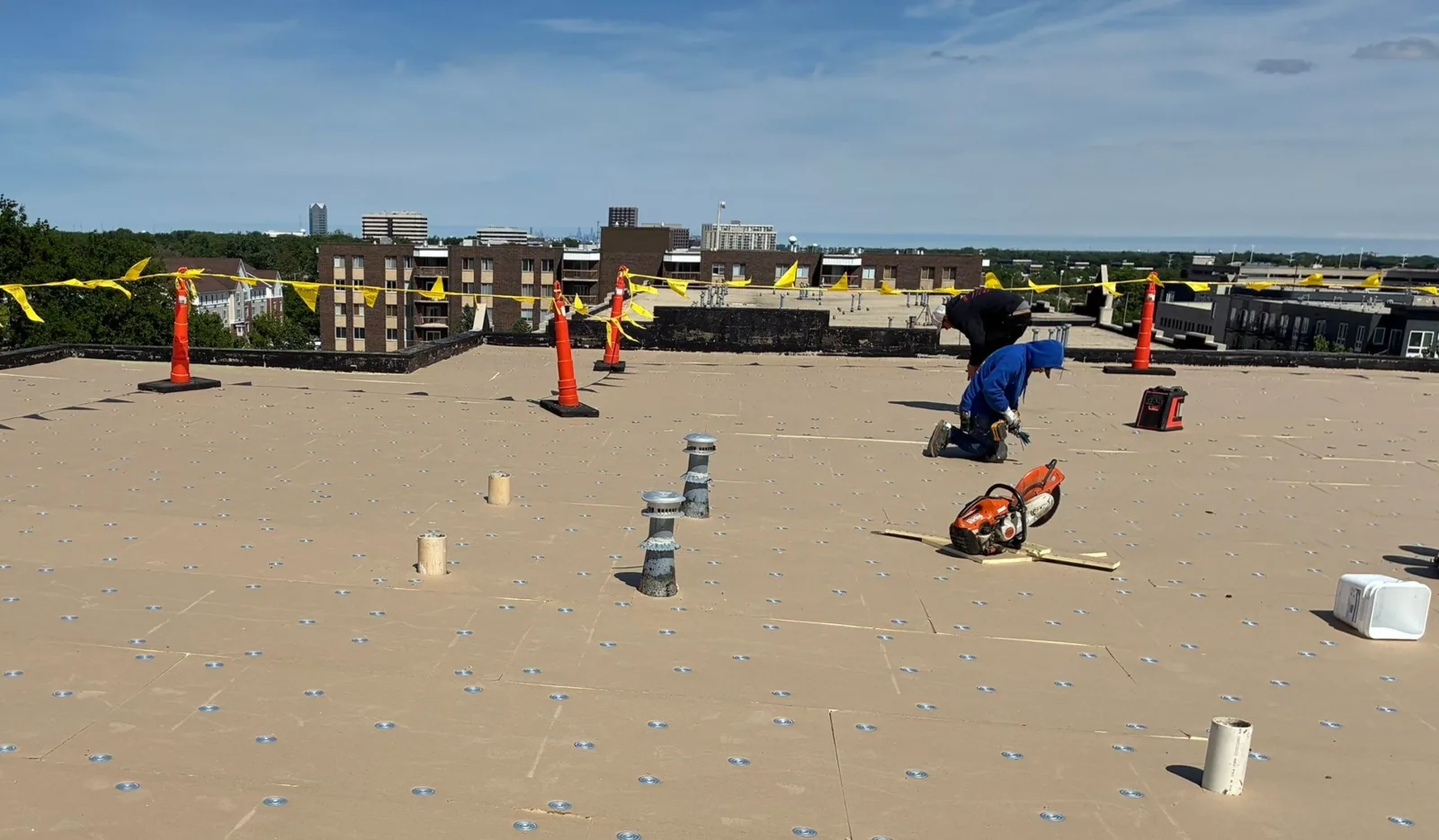
Commercial Roof Repair
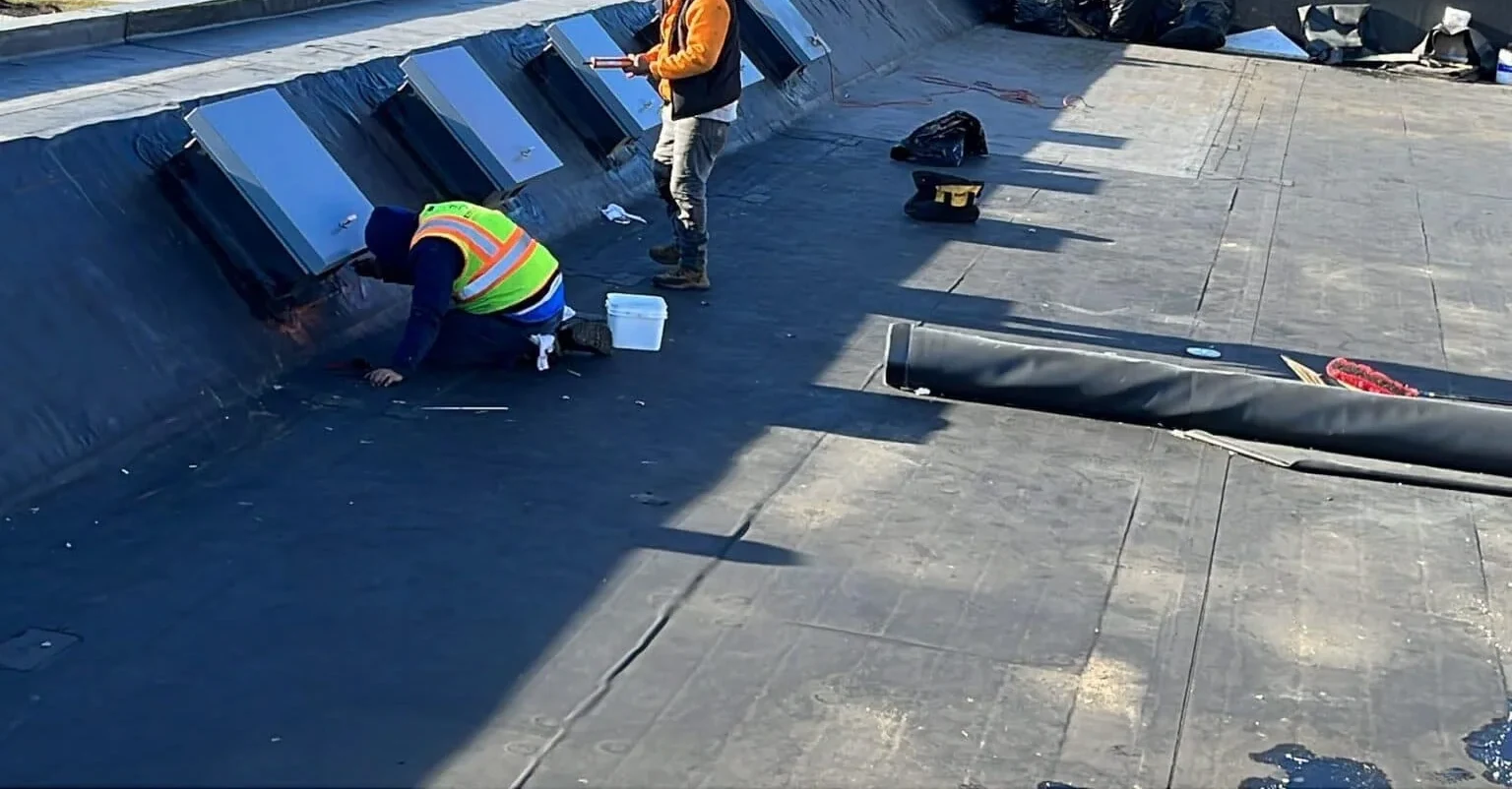
Commercial Roof Replacement
Schedule an armory roof inspection
Service Area
Topeka, Auburn, Silver Lake, Carbondale, Rossville and Shawnee County, KS
Quick Contact
Email: [email protected]
Phone: 555-555-5555
Request a Roof Assessment
Send the Topeka building designation, unit contact, access procedure, reported roof concern, and available plans. We will define the test area and required approvals.