
Aircraft Hangar Roofing in Topeka, KS
Home / Property Types We Roof / Aircraft Hangar Roofing
A roof leak beside a hangar door can reach stored equipment or aircraft before it shows along the floor. We locate the reported water path, inspect the nearest seam and door transition, and mark the section that needs testing. That boundary determines whether the first work window can proceed with aircraft inside. Topeka has distinct civilian and military aviation settings. Philip Billard Municipal Airport’s tenant roster includes aircraft storage, flight instruction, fuel service, a corporate hangar, and a control tower; Forbes Field supports the 190th Air Refueling Wing. The property contact sets the actual roof-access and work limits.
Movement: Which aircraft and service paths remain clear?
Before opening a roof, we confirm the hangar door cycle, aircraft position, tow path, fuel access, and any zone that must stay clear. The site contact identifies who controls apron access and who can release the interior. A phased aircraft-building plan lists the work bay, daily tie-in, staging point, and time the area can return to operation.
Lift placement and material handling can compete with an aircraft route. We mark the roof section and equipment path on a site sketch, then confirm any temporary closure before mobilization. If aircraft must be moved, the operator controls that decision and schedule. The roofing scope names the clearance needed, protection below, and the detail that will be closed before the crew leaves.
For a roof in the North Topeka East area, the property contact sets the access route and operating limits. At Forbes Field, installation authorities also control mission coordination and entry. A city property and an installation have different approval paths. The owner identifies the structure, personnel who can authorize access, and the work boundary before staging begins.
Aircraft availability and maintenance operations define restricted tow and service zones. The authorized site contact confirms equipment clearance and material routes before staging.
Industrial roofs in Central Crossing Commerce Park have a different operating route, even though the same roof-zone record can identify seams, drains, equipment supports, and the approved stopping point. The park is a broad light-industrial employment area with rail access, not a single building target. The access plan still comes from the property contact.
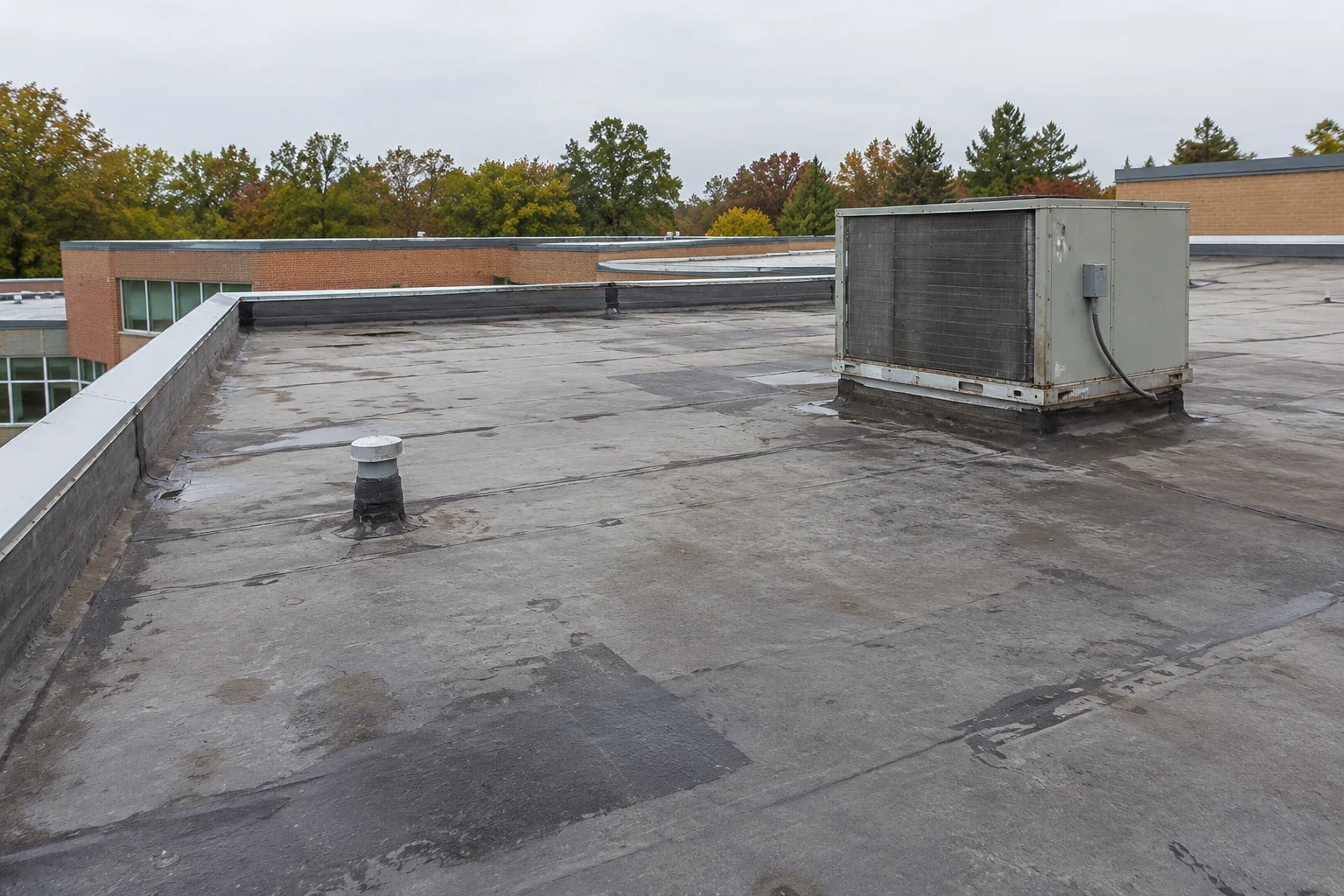
Survey: Where can a hangar roof lose weather protection?
A broad roof field can remain dry while water enters at a ridge, eave, wall transition, or door frame. We inspect seams, fasteners, panel laps, skylights, vents, and equipment supports, then compare those details with the interior report. A commercial roof inspection records roof type, visible movement, and sections blocked by aircraft or equipment.
Hangar doors create large framed openings that need continuous perimeter seals and sound transitions between wall and roof. We inspect the head condition, side flashing, track support area, and adjoining wall panel. A edge and flashing review identifies loose trim or failed sealant separately from a panel or membrane issue. We photograph the tested details before naming a repair quantity.
The 190th Air Refueling Wing operates KC-135 Stratotankers from Forbes Field and has aircraft-support needs tied to its flying mission. Those facts make hangar access and mission scheduling relevant to Topeka roofing. For controlled property, the installation contact supplies the approved badge, escort, route, and work window.
Repair: How do we close a panel or door detail?
A localized leak at a fastener, panel lap, curb, or door transition may be repaired when adjacent material remains sound. The hangar roof repair scope states preparation, compatible materials, dimensions, aircraft protection, and the closeout check. We also name the maximum opening and who may authorize additional removal.
If corrosion, wet insulation, or damaged deck extends past the test boundary, we secure the opening and report the exposed condition. The facility can approve a measured addition, move aircraft for a later phase, or request another inspection. Any temporary cover and its removal date are included in the record. That makes the owner decision clear without leaving a roof section unprotected.
Urgent water entry can be routed to an on-call crew at any hour, weekends and holidays included. We coordinate entry and aircraft protection with the authorized contact, then record temporary mitigation separately. Permanent work follows once the roof system and safe access are confirmed. The closeout notes whether the door, apron, or work bay remains restricted.
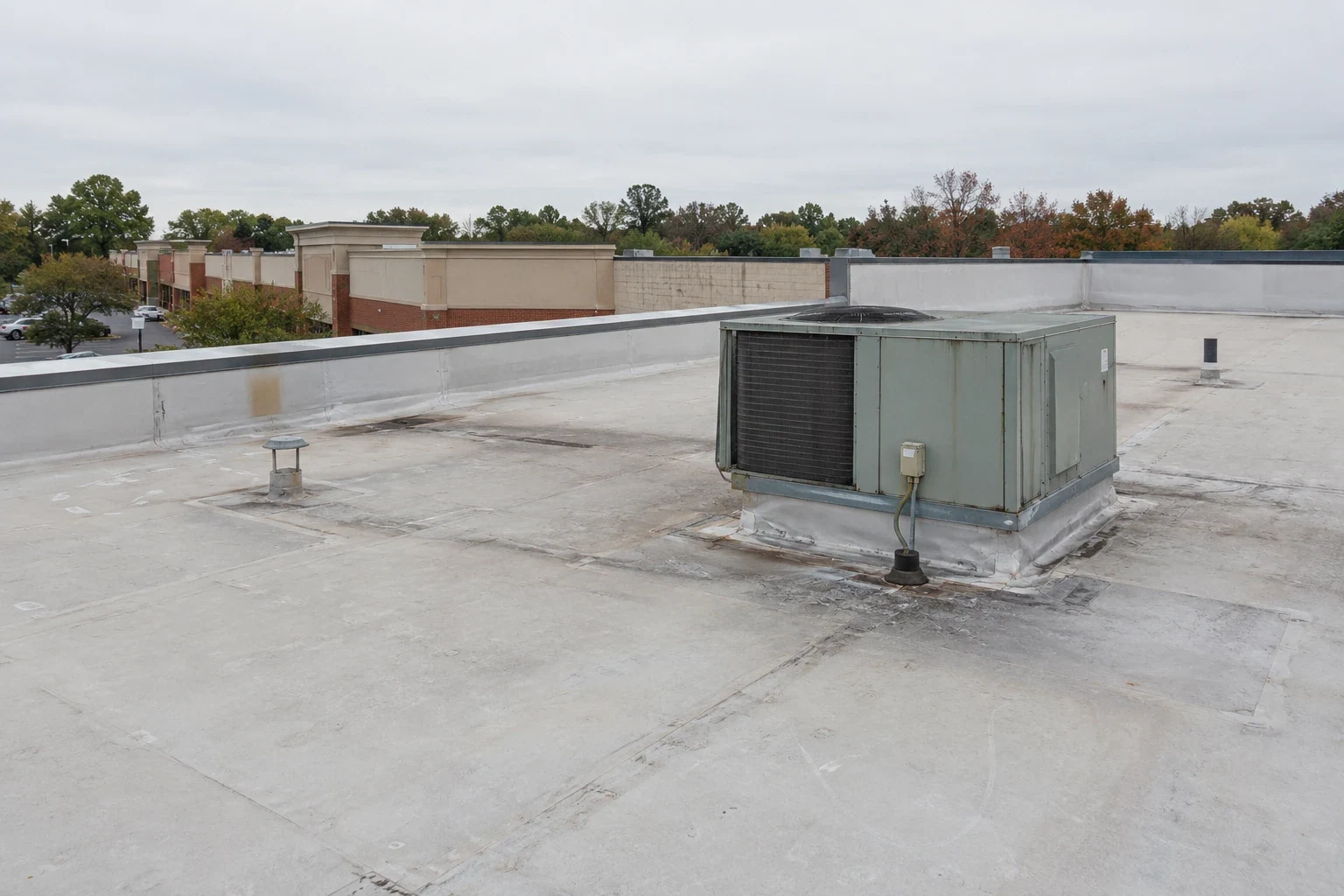
Weather: Which roof details need a post-storm look?
Topeka averages about 36.5 inches of annual precipitation, including thunderstorms and winter precipitation. On a hangar, we check eaves, door heads, gutters, drains, and low areas where water can collect. After snowmelt, we confirm that outlets clear and that no seam remains wet. Ice or snow can also limit access to high panels, so those areas receive a return inspection when safe.
The National Weather Service documents severe hail and wind events in northeast Kansas. After an event is reported at the facility, we inspect panel edges, ridge closures, fasteners, and door perimeter flashing for movement or impact. The inspection records the condition at the hangar. Photographs help distinguish a fresh defect from prior corrosion or repair work.
The 1966 Topeka tornado damaged or destroyed every building at Washburn University. It provides regional severe-wind context. At the current hangar, we record the inspection date, zones reached, and any area where aircraft position or wind safety prevented close access.
Options: When does a hangar need a larger scope?
Several failing panel lines, extensive corrosion, or wet material across separated bays call for a broader cost comparison. A capital roof comparison weighs sectional panel work, recover, and tear-off against framing, door clearance, drainage, and aircraft scheduling. Cost and duration depend on roof height, panel profile, lift setup, and the number of bays available at one time.
Standing-seam metal, retrofit metal, and membrane assemblies have different attachment and closure details. A standing-seam option is evaluated against the existing framing and project requirements, including movement at long panel runs. The comparison lists ridge, eave, door, and penetration details so the owner can see what is included in the assembly.
A warehouse roof plan can share long-span access and staged material movement, while a military hangar scope adds installation-specific controls. The actual property determines escort, badging, operating limits, and criteria such as UFC requirements where applicable. We list those confirmed dependencies before assigning the work window.
Record: What should aviation operations retain?
Keep roof drawings, panel or membrane identification, inspection photos, test locations, repair dimensions, access rules, and aircraft movement notes. Record which bay was released, when temporary protection was removed, and whether the door cycle was checked after work. Mark the portions not reached because aircraft or weather restricted access.
If water appears again, compare the drip location with the repaired seam, door frame, roof pitch, and maintenance history. A second report at the opposite side of a hangar can follow a separate path. The map gives the next inspector exact roof references instead of a general note about a leak.
Send the Topeka site address, hangar plan, reported location, access contact, and aircraft schedule. We will mark the test boundary, movement controls, and work window before preparing a repair option.
Commercial Roofing Questions
Can roofing proceed with aircraft inside the hangar?
A bay can remain in use when the facility releases a safe work zone and protection covers the aircraft below. The owner controls any move, and the sequence lists clearance and tie-in requirements.
What should the inspection include around a large hangar door?
We check the head, side transitions, adjacent roof edge, tracks, and interior water report. Photos distinguish a perimeter flashing defect from a panel or membrane failure.
How do you plan around controlled airfield access?
The facility contact identifies escort, badging, vehicle, and operating restrictions before scheduling. We put confirmed access dependencies into the work plan and do not assume entry permissions.
Can emergency service respond outside flight operations hours?
The on-call crew can be reached nights, weekends, and holidays. We coordinate the approved entry and aircraft protection, then scope permanent roof work after inspection.
When is metal panel repair no longer enough?
Repeated seam leaks, broad corrosion, or confirmed wet insulation can justify a larger comparison. Testing and roof measurements define which bays belong in repair or replacement options.
Related Roofing Work
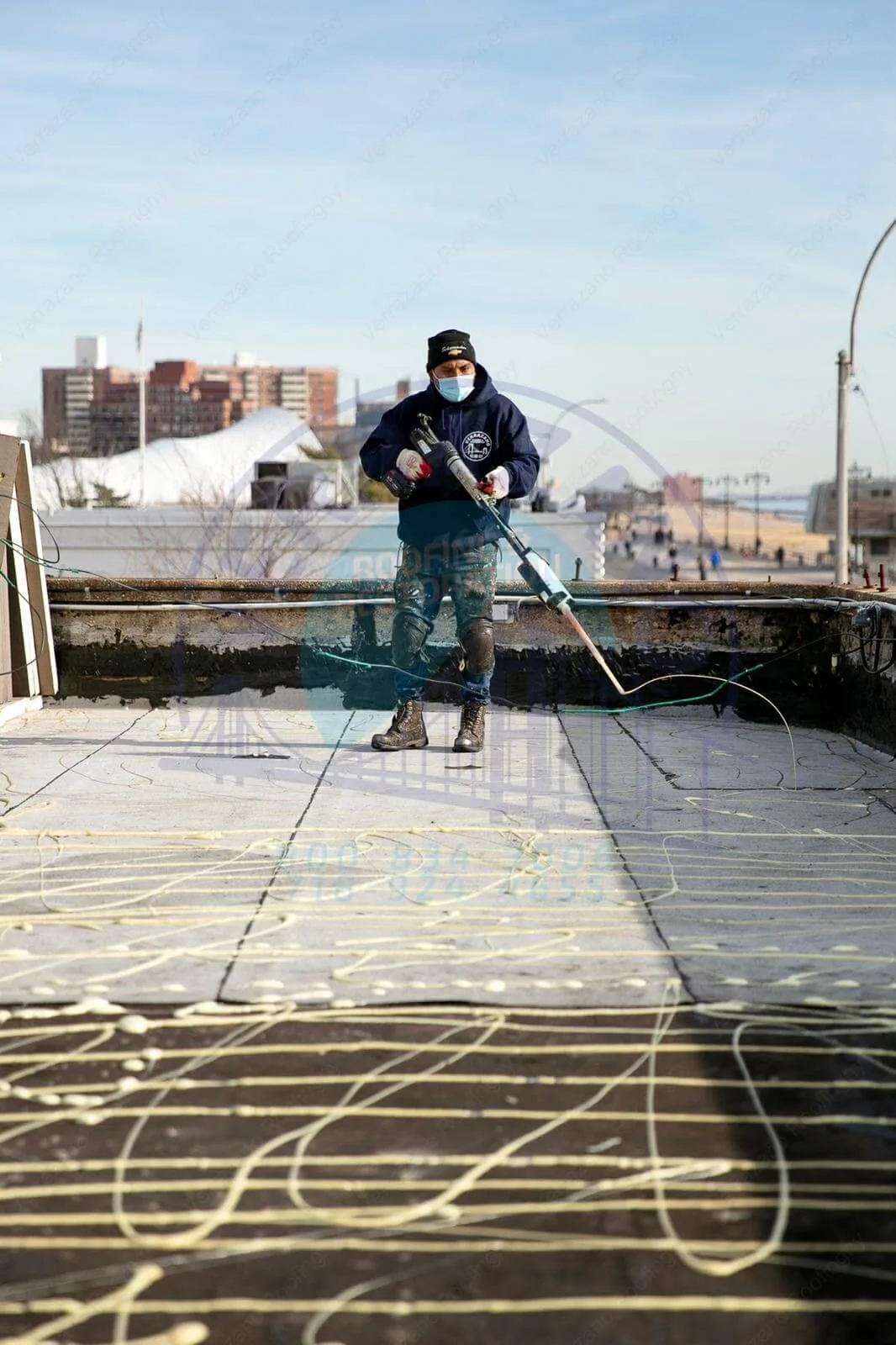
Occupied Commercial Building Reroofing
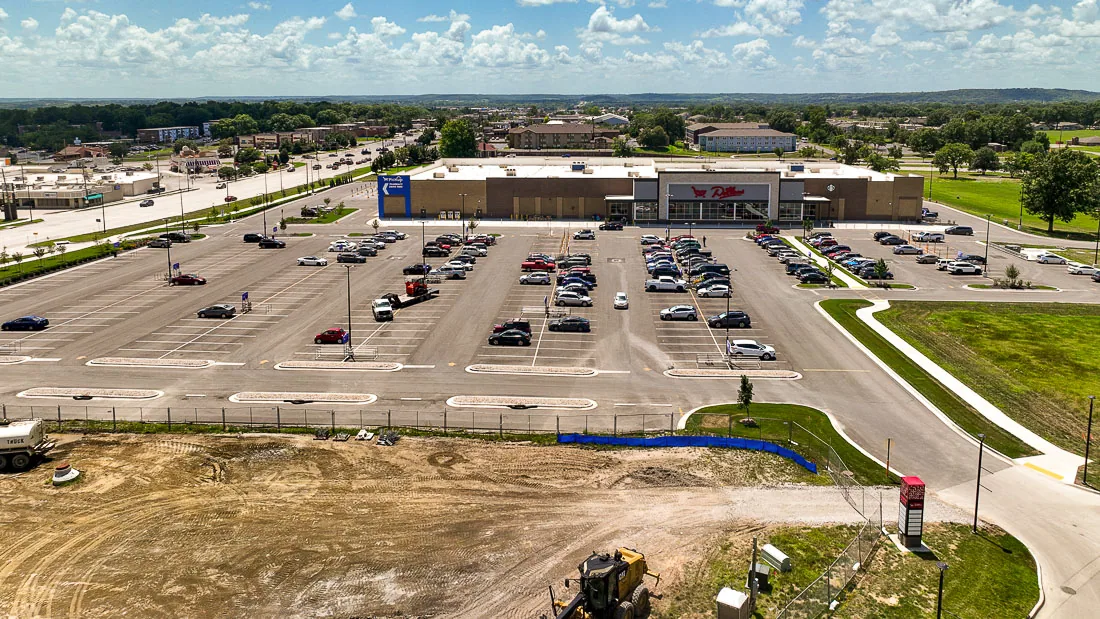
Central Crossing Commerce Park
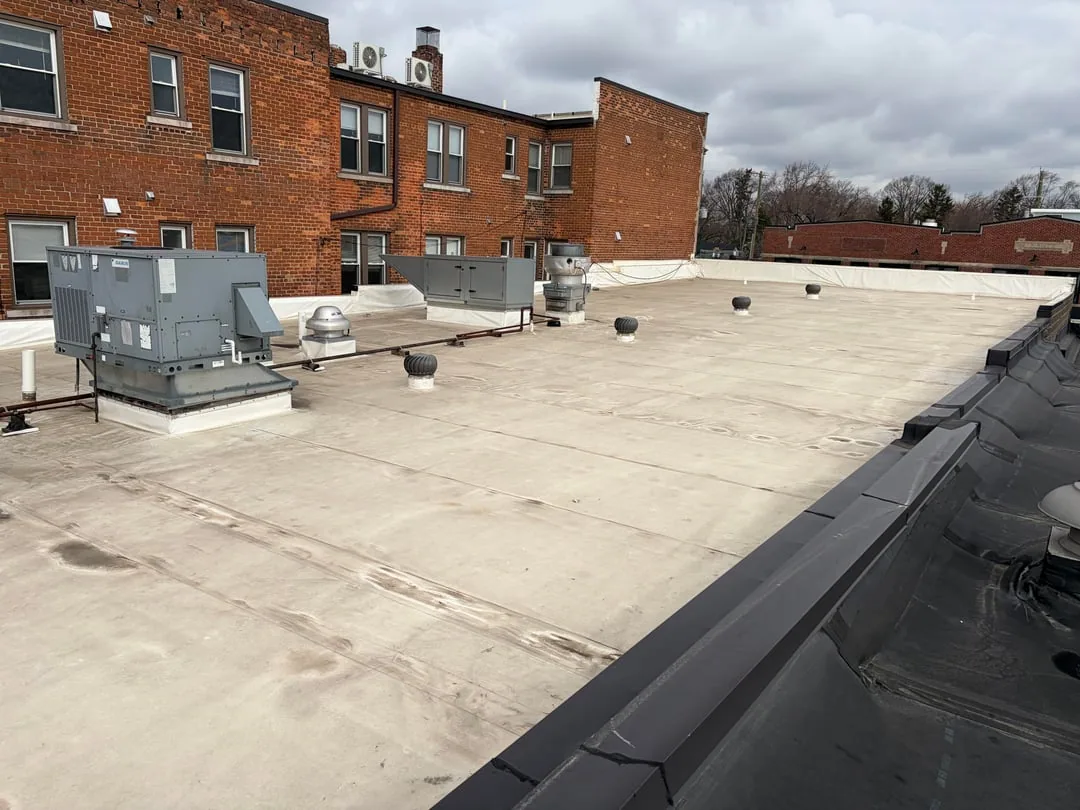
Commercial Roof Inspection
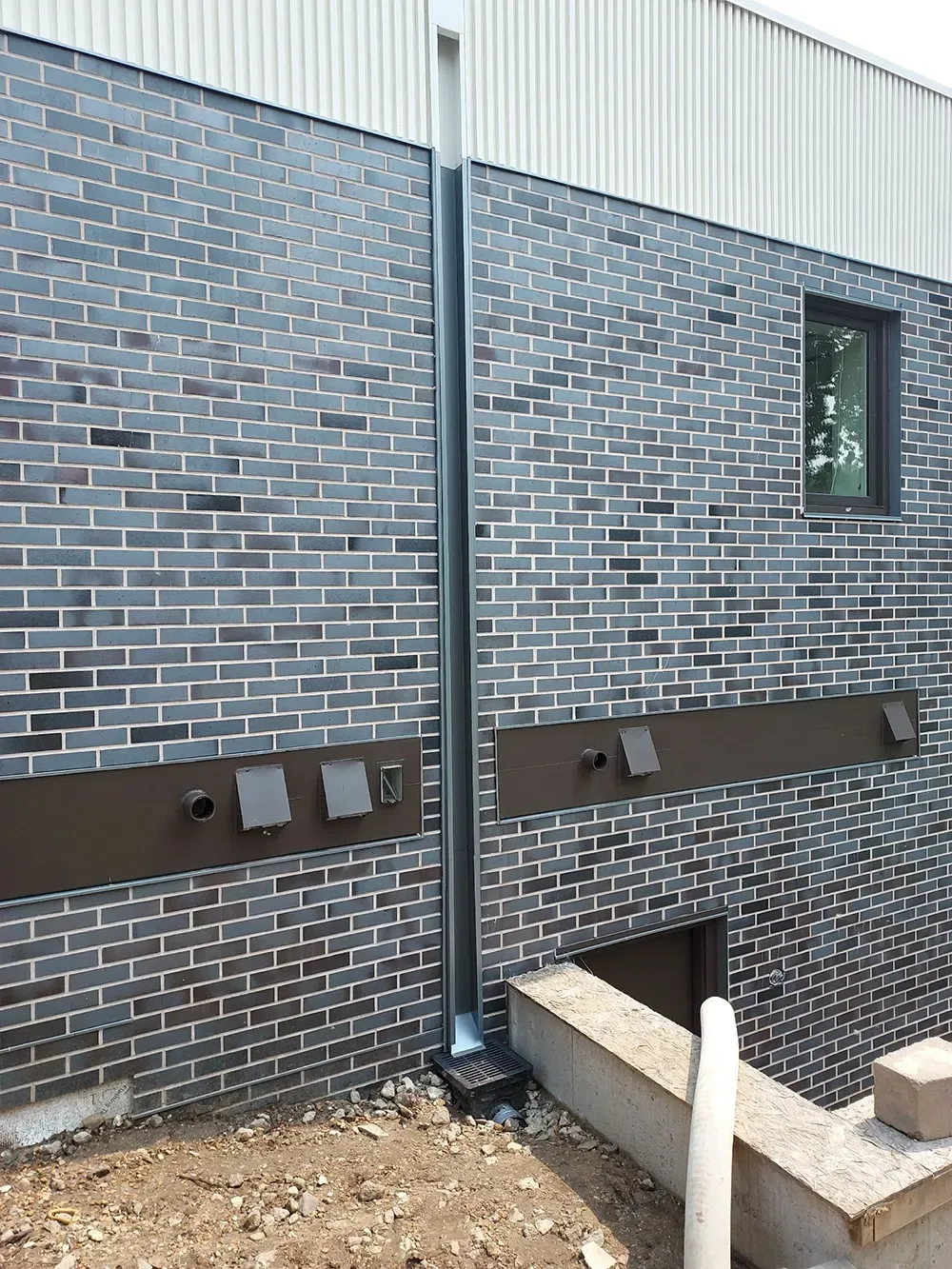
Commercial Roof Edge Metal, Coping, and Gutters
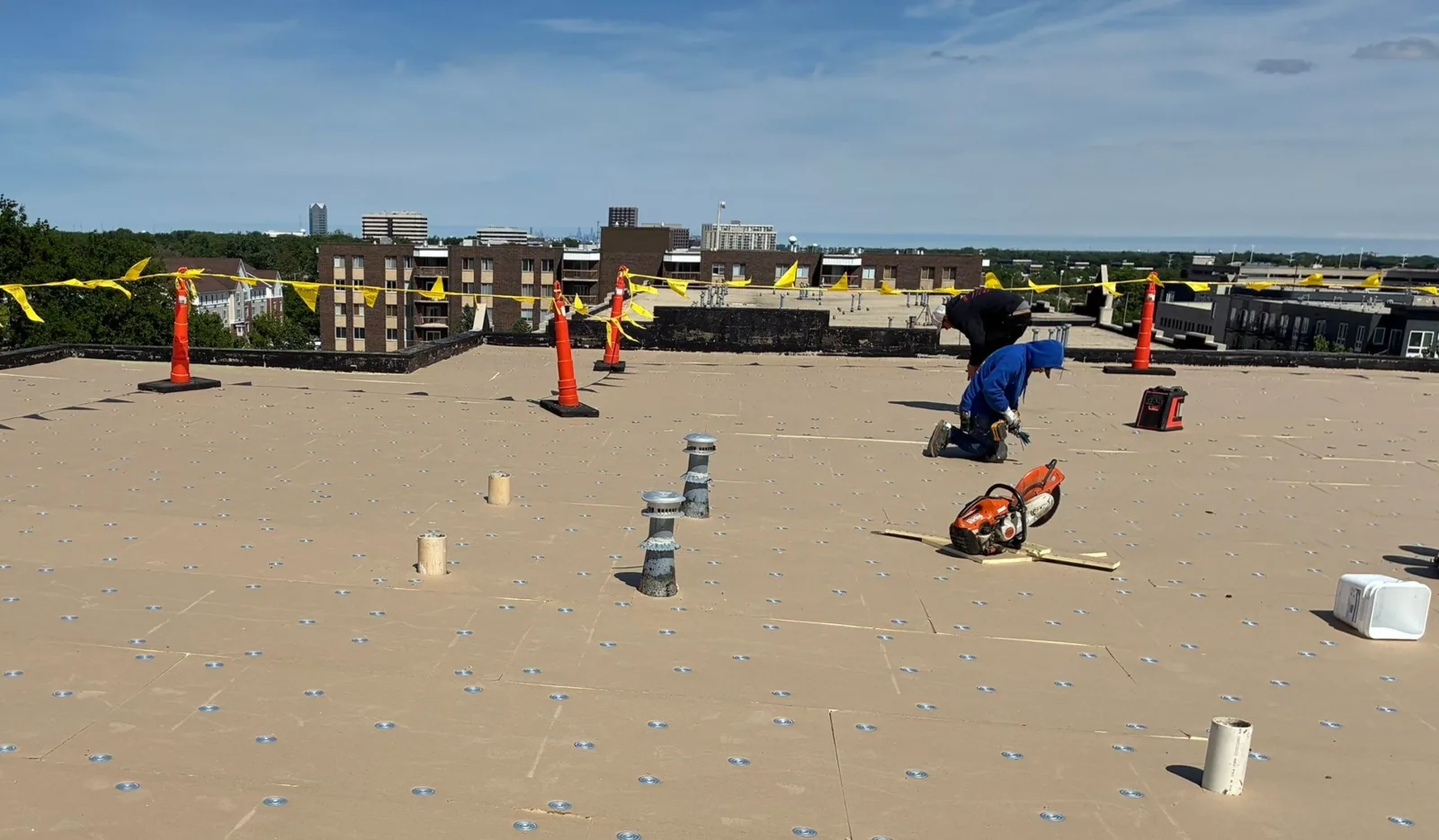
Commercial Roof Repair
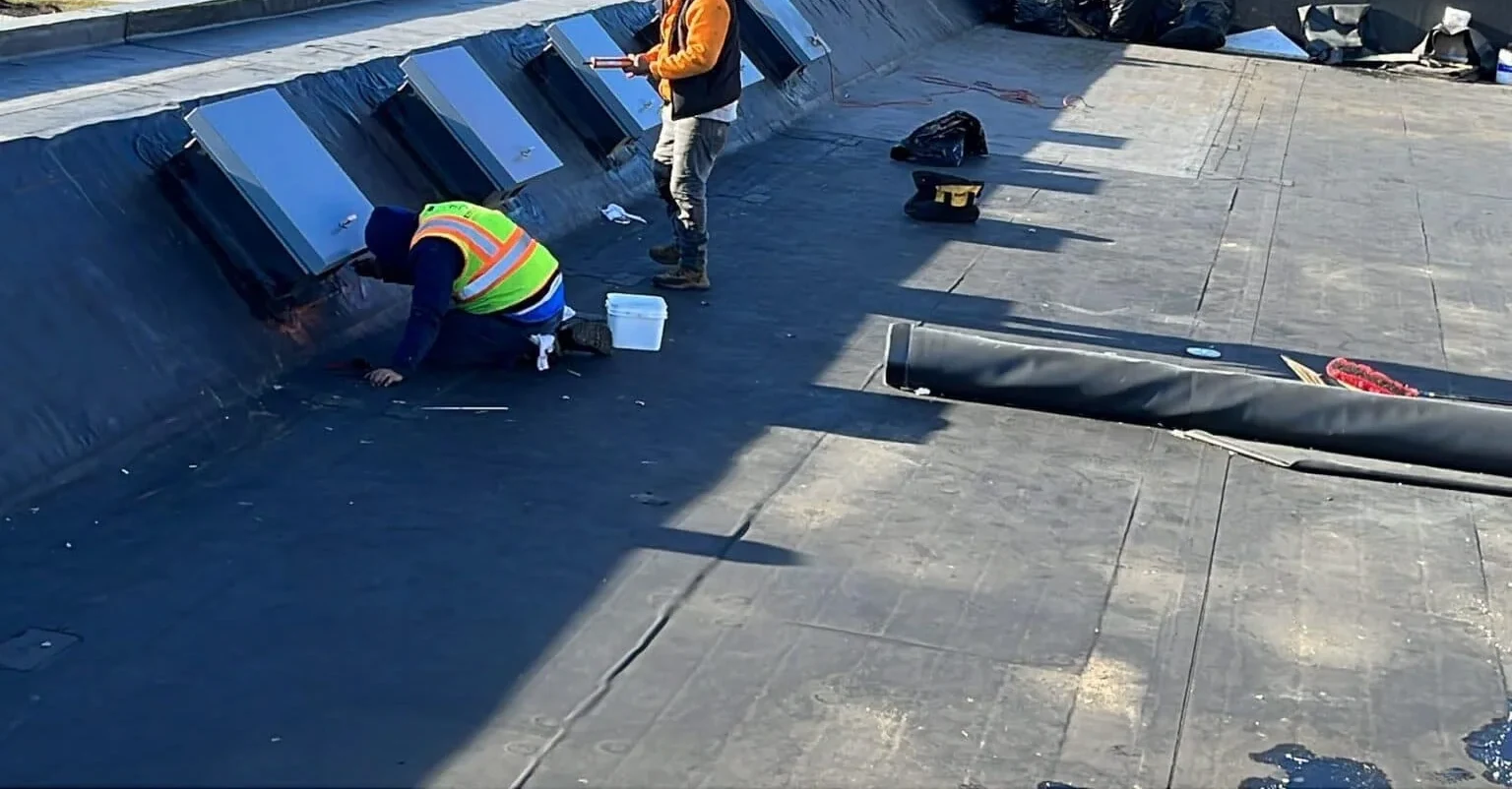
Commercial Roof Replacement
Set an aircraft hangar inspection window
Service Area
Topeka, Auburn, Silver Lake, Carbondale, Rossville and Shawnee County, KS
Quick Contact
Email: [email protected]
Phone: 555-555-5555
Request a Roof Assessment
Send the Topeka address, hangar drawing, roof concern, aircraft schedule, and access contact. We will identify the tested section and clearance needs.