
Grocery Store Roofing in Topeka, KS
Home / Property Types We Roof / Grocery Store Roofing
A damp tile above a dairy case needs a source check before the store closes a larger aisle. We compare the symptom with roof curbs, drains, refrigeration lines, and equipment logs, then set a test boundary. Topeka’s Central Crossing Commerce Park includes food production and distribution occupants, while Wanamaker Crossing lists restaurant and food tenants. Food production and restaurant activity make receiving windows and stock protection part of the local operating mix. For a grocery project, we confirm the store's actual equipment, delivery schedule, and work restrictions with its property manager.
Equipment: Which roof connections serve the store?
Grocery buildings can have rooftop refrigeration equipment, HVAC units, exhaust fans, pipe penetrations, and multiple curb sizes. We inspect flashing corners, seal transitions, supports, and nearby membrane seams. A rooftop equipment and curb review identifies details that may require a mechanical or refrigeration trade before roofing begins.
A condensate line or equipment service issue can leave water below a roof detail without a membrane opening. We compare the ceiling location with equipment operation and service history. If the source remains uncertain, we identify which test can distinguish condensate from roof entry. The report notes any work that requires the refrigeration system to be isolated, moved, or protected.
At exhausts and kitchen penetrations, we check flashing, metal transitions, and residue that can affect preparation. We also inspect nearby drains and low areas. A repair detail should fit the substrate and remain accessible for future service; it should not block an equipment route or drainage path.
Stock: How is work phased around refrigerated goods?
Before a crew enters, the store contact identifies stock areas, receiving lanes, cooler access, and rules for overhead work. We confirm which aisle can be closed and how products or fixtures will be protected. A phased store roofing plan schedules roof zones, daily tie-ins, material staging, and the time each space can reopen.
Topeka's Central Crossing includes food manufacturers and distribution users such as Frito-Lay and Bimbo Bakeries. For a grocery property, planned roof work must fit the store's actual receiving window, staging area, and interior-protection needs. We confirm those details with the property manager before setting a material route or work sequence, then keep customer entrances and active loading areas clear.
A leak near a cooler or stock area can be reported while the store is closed. The duty crew confirms roof and floor access with the manager, protects exposed equipment or goods, and logs the temporary action. Permanent work follows after the roof detail is inspected and any added removal is approved.
Water: How do we tell roof entry from condensation?
Moisture can appear at a cold display case, prep room, stock area, or ceiling joint for different reasons. We record the exact location and timing, then inspect the roof slope, seams, drains, curbs, and nearby equipment. An inspection maps visible conditions before repair is priced. When a scan or core could change removal quantities, the test locations are marked.
Topeka has measurable winter snowfall and documented daily snowfall extremes. During a seasonal check, we look at outlet paths and roof transitions after meltwater moves through the system. If ice or unsafe conditions block access, we identify a return window. A drain and scupper review can separate a slow outlet from an open seam or failed flashing.
Hail and wind also appear in northeast Kansas event records. After a store reports a storm, we inspect that property's metal edges, membrane laps, rooftop screens, and penetration flashings. We photograph any impact, displacement, or open detail and tie each finding to its roof zone. The report separates observed storm damage from routine wear, giving the owner a clear basis for repair decisions.
Repair: What should a grocery work order state?
A localized seam, puncture, curb, or drain repair may be suitable when nearby insulation and deck remain sound. We define the surface preparation, compatible material, measured quantity, and closeout inspection. A commercial roof repair order also lists aisle protection, equipment coordination, and the limit that requires further approval.
If testing finds wet insulation or a damaged deck, we close the opening safely and report the new condition. The store can authorize a separate quantity, schedule a different zone, or defer wider work. The written record identifies which goods or equipment were protected, when the aisle reopened, and what roof detail remains to be completed.
Repairs near an exhaust or refrigeration curb need a secure transition and enough clearance for future equipment service. We check whether counterflashing, metalwork, or a separate trade is needed. If the approved scope excludes mechanical work, that boundary appears before mobilization. Closeout photos show the completed detail and any area the crew did not reach.
Options: When should the owner compare a full reroof?
Repeated leaks in multiple zones, wet insulation beyond a localized repair, or system-wide flashing failure can support a broader assessment. A replacement assessment compares repair and replacement against structure, drainage, equipment transitions, access, and store phasing. Cost drivers include test openings, ceiling protection, refrigeration coordination, and work hours available.
A grocery property can compare cold-storage roofing or big-box retail roofing plans, while recognizing that cooler equipment, wet areas, and customer traffic vary by site. The roof system must fit the existing assembly, fire and wind criteria, drainage, and project requirements. Central Crossing's food-production and distribution businesses make delivery planning a familiar concern across the market; the grocery roof's own layers and details determine the suitable assembly.
Wanamaker Crossing sits at Wanamaker Road and 12th Street, directly off I-470, and lists restaurant and food tenants. That location is part of the local retail context. For each grocery project, management confirms delivery routes, customer access, store hours, and staging limits before we sequence the work.
Closeout: What should the manager file?
Retain a roof map, leak reports, equipment service notes, test locations, photos, repair quantities, material records, and the timing of aisle protection. The file should state which areas were inspected and which remained inaccessible. Record who authorized the roof opening and who accepted the released store zone.
If moisture appears again, compare the new location with the previous roof repair and refrigeration service history. The source may have changed. A dated record helps staff decide whether to inspect an equipment connection, a drain, or a separate membrane section before asking for more removal.
Wanamaker Crossing is a named retail and restaurant center; Central Crossing has food manufacturing and distribution uses. These separate place contexts remind the property team to confirm the facility’s current deliveries and work controls. We keep those confirmed instructions with the project file so a future crew does not assume yesterday’s access route still applies.
Keep refrigeration service calls and roof work in separate dated entries, then compare both records when a leak appears near a curb or line set.
Commercial Roofing Questions
Can roof repairs happen while the grocery store stays open?
Often, if the manager releases a safe zone and products, customers, and equipment are protected. We schedule by aisle or roof section and secure the daily tie-in.
How do you tell a roof leak from cooler condensation?
We compare location and timing with refrigeration service, drains, curbs, and roof seams. Testing is used where it changes repair limits.
What happens if wet insulation is found above a stock area?
We measure the confirmed area, protect the opening, and stop at the approved limit. The store receives a separate quantity and decision before removal expands.
Can you respond to a grocery roof emergency overnight?
Yes. A closed store can still reach the on-call crew. The manager confirms entry and the affected stock zone; we record immediate protection before pricing a lasting roof repair.
Which roof details need attention near refrigeration units?
Curb corners, pipe penetrations, condensate routing, supports, and adjacent seams can affect the water path. We record each item and any required trade coordination.
Related Roofing Work
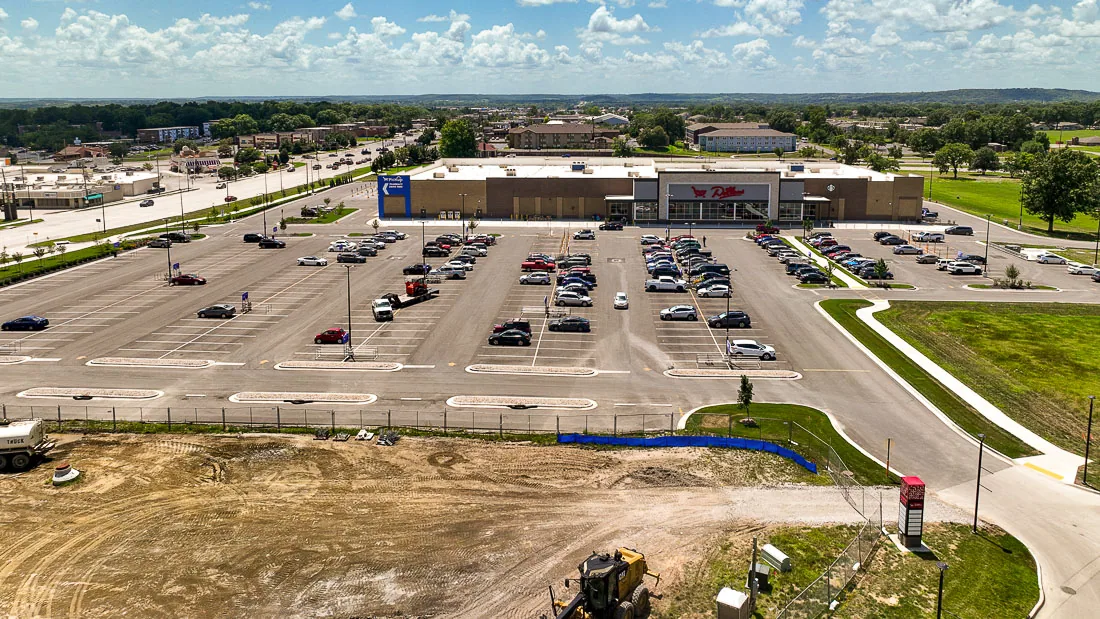
Central Crossing Commerce Park
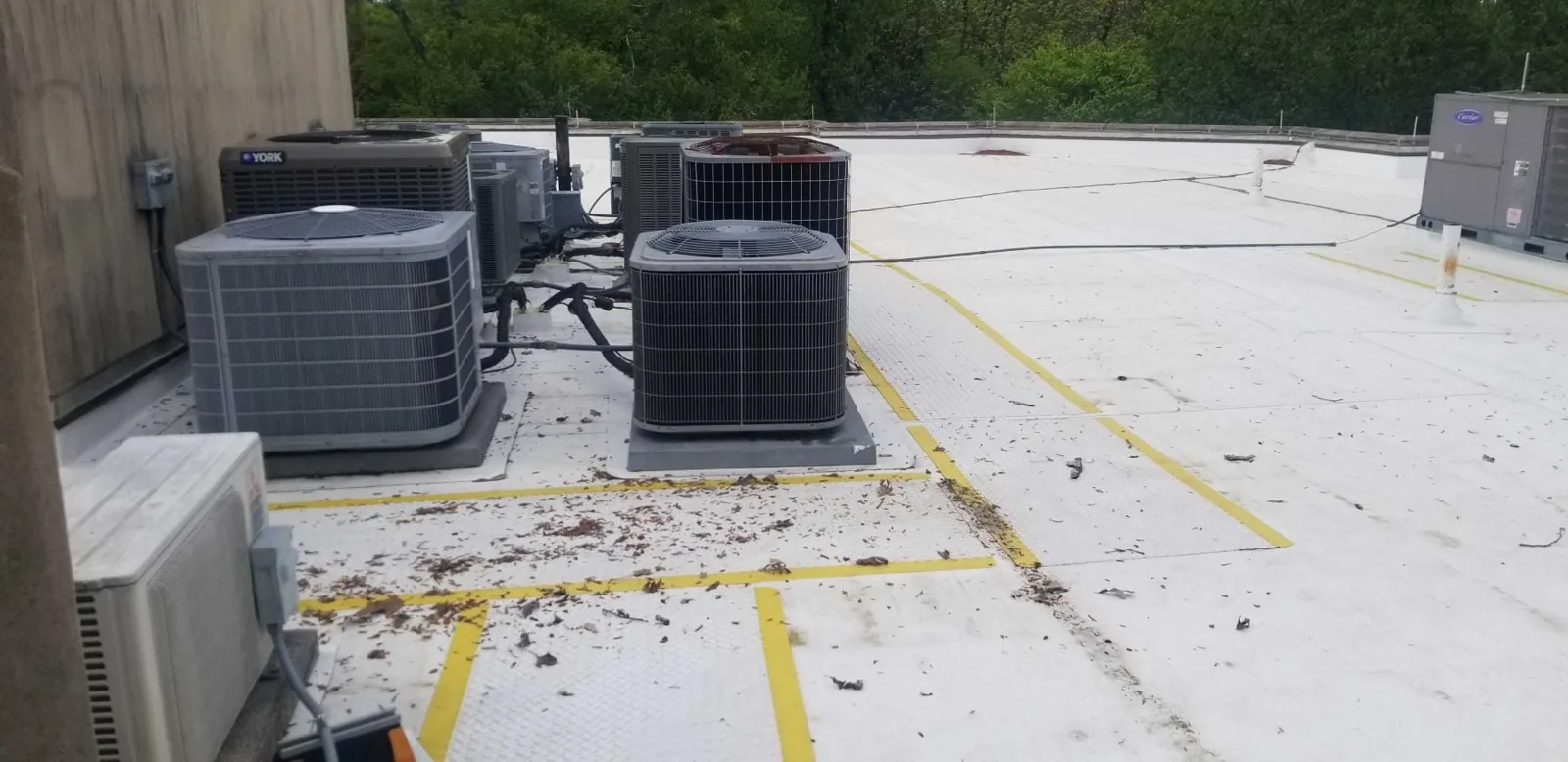
Commercial Rooftop Equipment Curbs and Supports
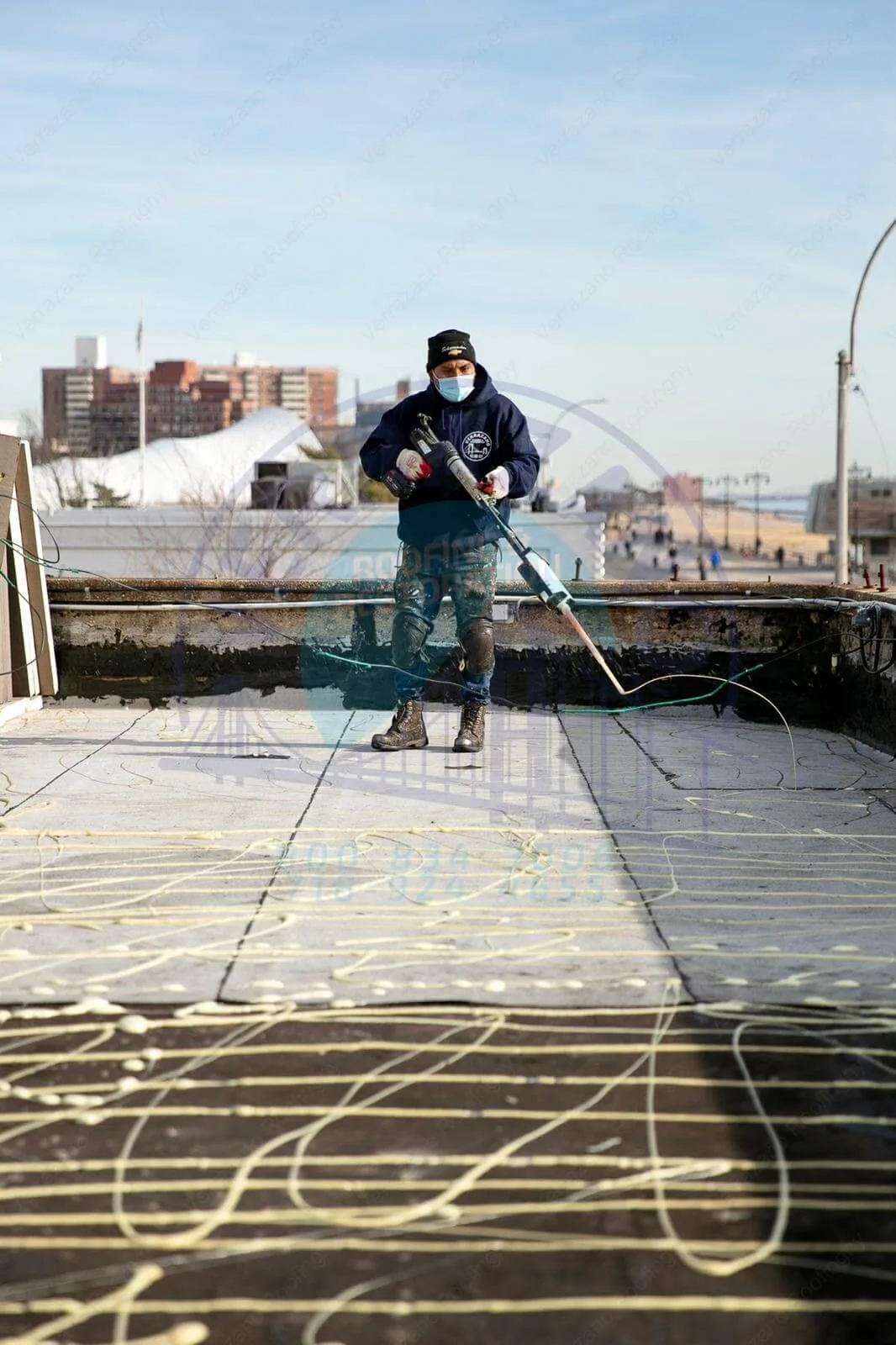
Occupied Commercial Building Reroofing
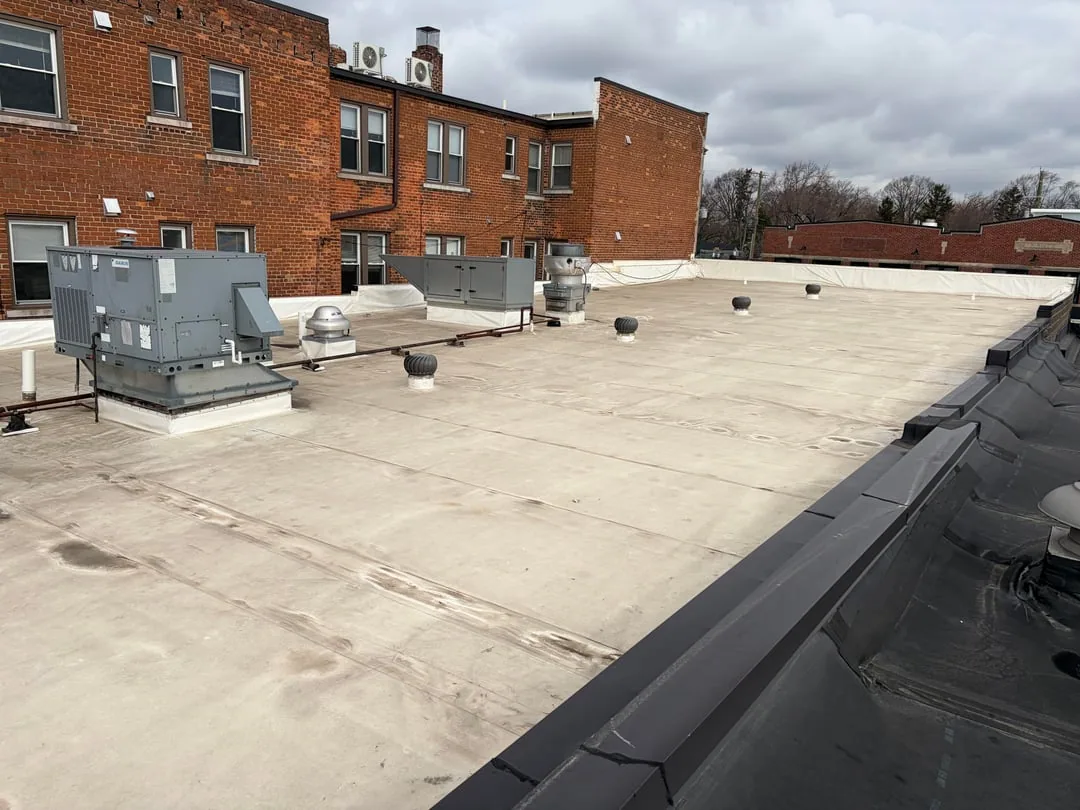
Commercial Roof Inspection
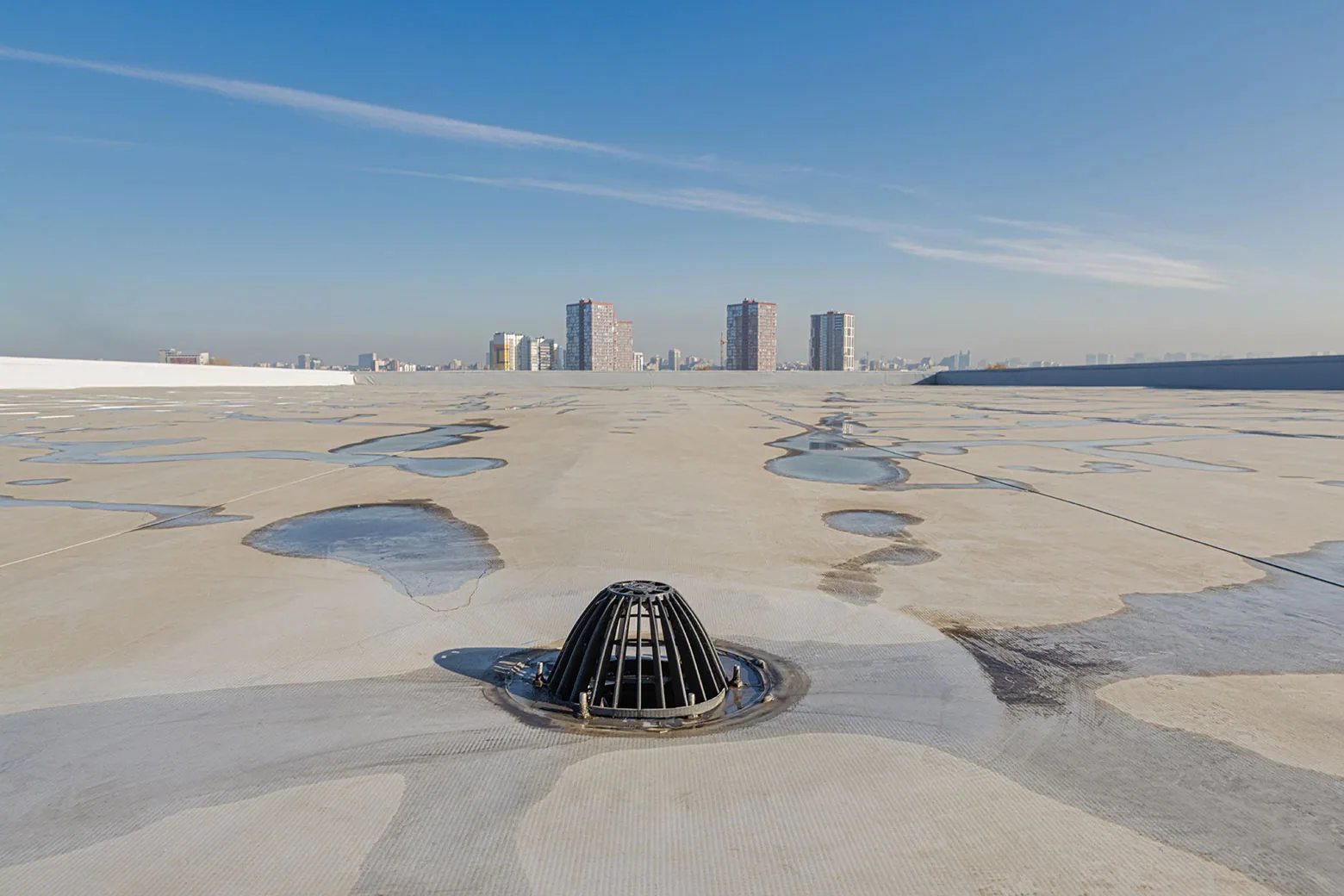
Commercial Roof Drains and Scuppers
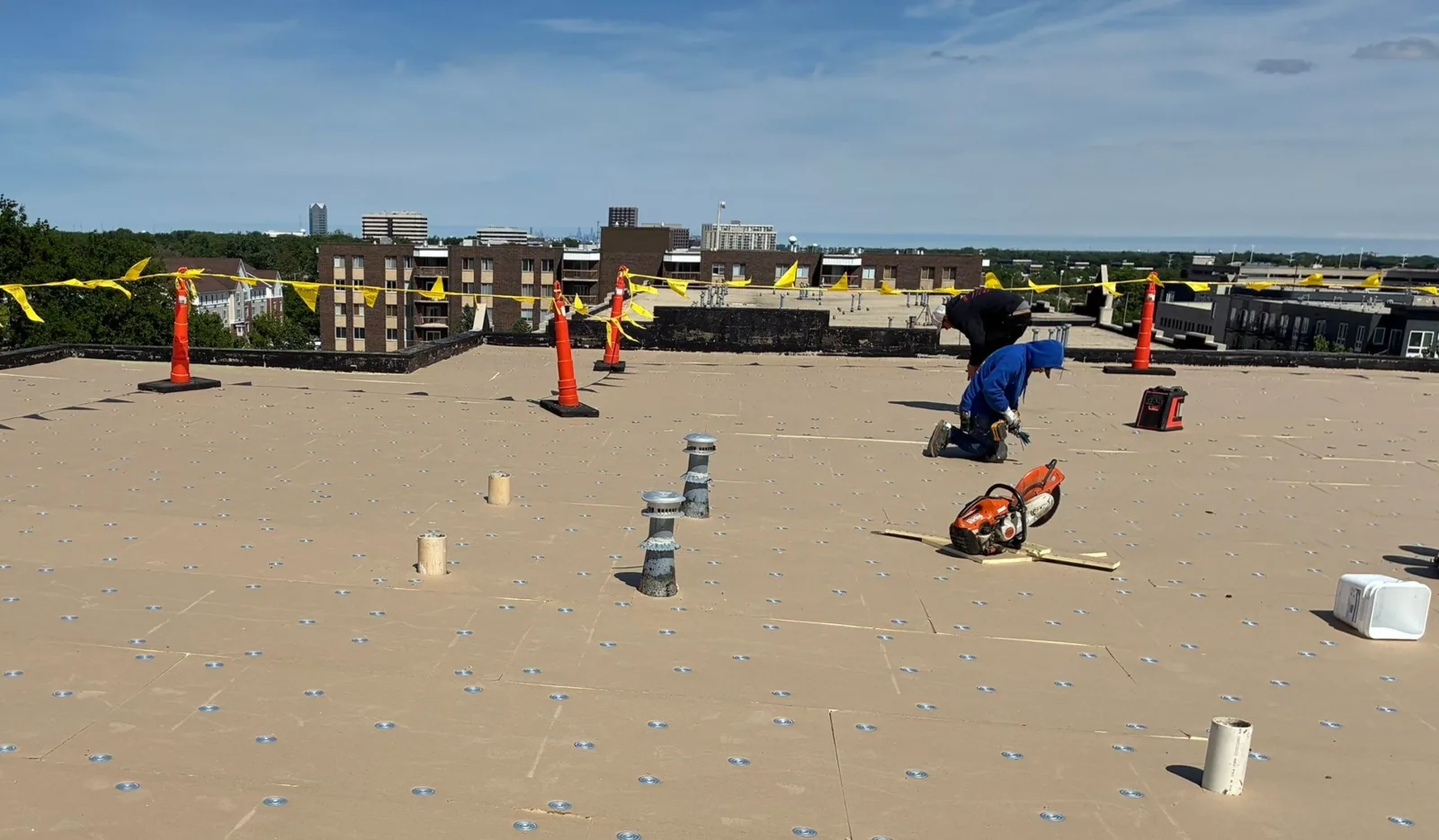
Commercial Roof Repair
Inspect the roof and refrigeration transitions together
Service Area
Topeka, Auburn, Silver Lake, Carbondale, Rossville and Shawnee County, KS
Quick Contact
Email: [email protected]
Phone: 555-555-5555
Request a Roof Assessment
Send the Topeka store address, roof plan, leak locations, refrigeration equipment map, receiving hours, and repair history. We will define test areas and work controls.