
Silicone Roof Coatings for Commercial Buildings in Topeka, KS
Home / Roof Systems / Silicone Roof Coatings for Commercial Buildings
Silicone coating can restore a roof only when the existing surface and assembly are suitable. We inspect the substrate, coating bond, drainage, and details before quoting a restoration. Properties near Topeka Regional Airport Business Center and Rossville may need different access and work windows. The roof condition, not the address, sets the scope. We map tested areas and identify any condition that could require repair or removal before coating proceeds.
Substrate: Is the roof ready to receive silicone?
Silicone coating bonds to a prepared roof surface and forms a protective layer. We identify the existing membrane, metal, foam, or prior coating and confirm whether the proposed product is compatible. A commercial roof inspection can document surface condition, seams, penetrations, wet areas, and prior applications by roof zone. Product records help establish the existing material and any preparation requirements.
Chalk, dirt, oil, loose coating, and standing water can interfere with adhesion or hide defects. We inspect for blisters, cracks, open seams, corrosion, exposed insulation, and detached flashing. If the roof has several coating layers, we record what is visible and where a test cut or adhesion test may be needed. A test result applies to that sample location, so we do not treat it as proof that every roof zone is ready.
Before recommending a coating, we check whether the underlying assembly is dry and stable. Wet insulation, a damaged deck, or active movement needs evaluation apart from the top surface. Where a moisture scan identifies a suspect area, confirmation may require a core or another approved test. The scope identifies test locations and restoration method so the roof is not left open or unprotected.
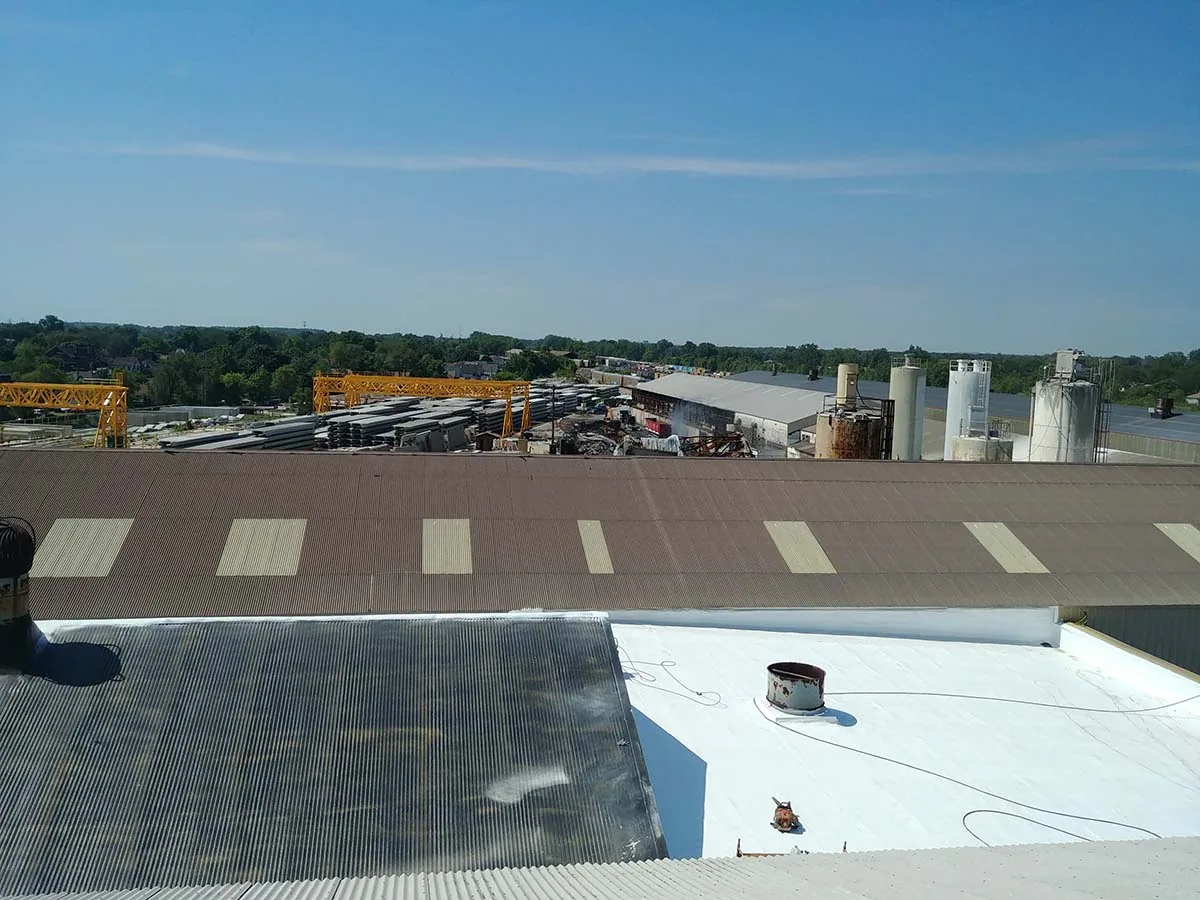
Preparation: What work comes before coating?
Preparation can include cleaning, removal of loose material, seam repair, corrosion treatment, and localized membrane work. The proposal should state each step and define the square footage included. A roof coating restoration scope also identifies primer, reinforcement, target dry-film thickness, and the inspection method for coverage. Those measures make the application reviewable.
Seams, fasteners, drains, curbs, skylights, and wall terminations may need reinforcement or separate flashing details. We do not assume that coating across a detail replaces a proper transition. The field record lists each location, preparation completed, and material installed. Where an existing repair is incompatible or poorly bonded, the proposal should state whether removal is included or remains an allowance.
Silicone surfaces can collect dust or debris, and an older coating may need cleaning before another layer is considered. We verify the chosen material's compatibility and adhesion on representative areas when required. The test patch location, cure period, and acceptance criteria should be agreed before production. If test results fail or vary across the roof, the owner receives a revised boundary and cost path before wider application.
Drainage: Does coating solve ponding?
A coating can protect a suitable roof surface, but it does not automatically correct slope or slow drainage. We check low areas after water has had time to clear and inspect the outlet, surrounding seams, and nearby penetrations. A drain and scupper review can identify blocked outlets, reverse slope, or a detail that needs separate repair. The report distinguishes brief wetting from persistent ponding observed during the visit.
Topeka sees heavy summer downpours as well as winter precipitation. We plan coating work around dry substrate requirements, forecast, dew, and the product’s application limits. A surface that appears dry in the morning may still hold moisture at a seam or low point. Crew logs should record the section prepared, application timing, weather interruptions, and how open work was protected at the end of the shift.
Waterproofing details remain important at roof edges, penetrations, and equipment supports. We inspect whether coating terminates against compatible metal or flashing, and whether water can drain without collecting at the edge. If drain height or overflow capacity needs design review, that item is listed separately. A coating bid should not imply a drainage redesign unless the scope includes it.
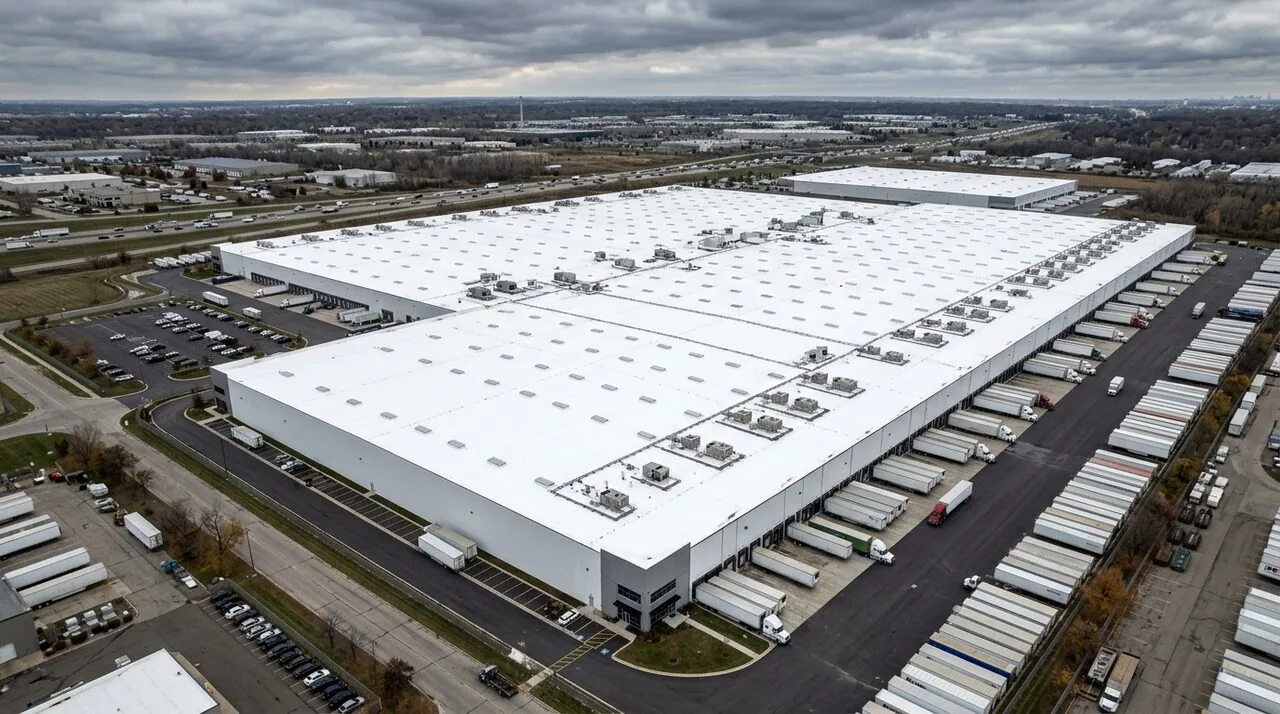
Repairs: What defects need attention first?
Cracks, open seams, punctures, corrosion, and wet insulation require the appropriate repair before a coating is applied. We define the affected zone and repair limit, then identify the compatible materials and preparation. A commercial roof repair may be more appropriate when damage is localized and the larger coating surface remains in serviceable condition.
At an exposed-fastener panel roof, we evaluate fasteners, washers, seams, and corrosion instead of assuming a coating will seal every joint. On single-ply membranes, compatibility and adhesion matter at seams and flashings. On SPF, exposed or wet foam needs repair before protection is restored. The underlying roof type determines the detail; the surface color or product label alone does not.
We photograph the condition before preparation and after each repair. The record identifies materials, measured limits, and any concealed condition uncovered during removal. If damage extends beyond the approved allowance, work pauses for owner direction. This keeps coating quantities tied to a confirmed surface instead of allowing a maintenance project to expand without a decision.
Alternatives: Is silicone the right restoration path?
Silicone may be considered when the substrate is compatible, dry, stable, and adequately prepared. A different coating or membrane could be more suitable where adhesion, foot traffic, ponding, insulation, or structural conditions differ. Compare acrylic roof coatings and TPO roofing only after the roof and project criteria are documented. An alternative scope should identify removal, transitions, and access implications.
When widespread moisture, failed attachment, or damaged substrate appears, a replacement assessment can compare restoration with partial or full replacement. At Topeka Regional Airport Business Center, delivery or tenant coordination may shape phasing; other facilities have their own production constraints. Those logistics should be included in schedule planning without being confused with coating performance.
The owner should receive measured limits, preparation steps, test results, warranty requirements, and explicit exclusions. We identify which areas were not tested and which conditions could change the quantity. That basis supports a practical choice among repair, coating, and replacement without presenting a coating as a cure for every concealed defect.
Closeout: What should the coating file contain?
Keep roof-zone plans, surface tests, repairs, product data, application records, photos, and final inspection records together. The record should show preparation, measured coverage, coating thickness checks, weather conditions, and any rejected or reworked section. We identify the areas included and describe any access limitation or condition left for follow-up.
At a manufacturing property, the site representative defines production controls, roof release, escorts, staging, equipment access, and allowed hours before coating work is scheduled. Closeout records who accepted the repaired area and whether any maintenance action remains. Future service calls can then be compared with the specific zones coated rather than a broad site label.
Maintenance staff should review drains, seams, transitions, and coating wear on the interval required by the product and project documents. If a follow-up inspection is agreed, record its date and purpose. The report separates that plan from areas not included in the original scope.
Commercial Roofing Questions
Can silicone coating be applied over any roof?
No. The membrane or metal, existing coating, moisture, and surface preparation must be checked for compatibility and adhesion.
Will silicone stop ponding water?
It protects a suitable surface but does not by itself correct slope or outlet capacity. We document drainage conditions separately.
Does a coating cover wet insulation?
Wet insulation requires investigation and may need removal. Coating should not conceal an unresolved moisture condition.
How do you price silicone roof restoration?
We measure the included area and identify cleaning, repairs, test patches, coating layers, access, and exclusions before setting the proposal.
What should the completed coating report show?
It should list products, preparation, repair locations, measured coverage, application conditions, photos, and any follow-up or excluded areas.
Related Roofing Work
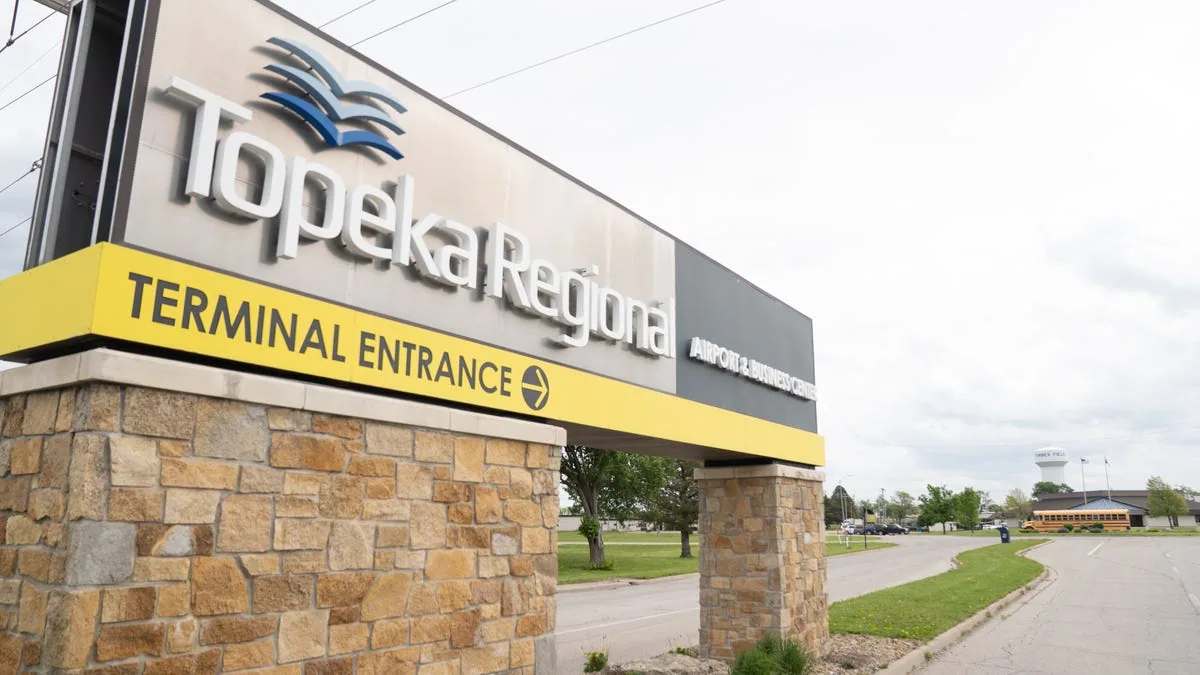
Topeka Regional Airport Business Center
Rossville
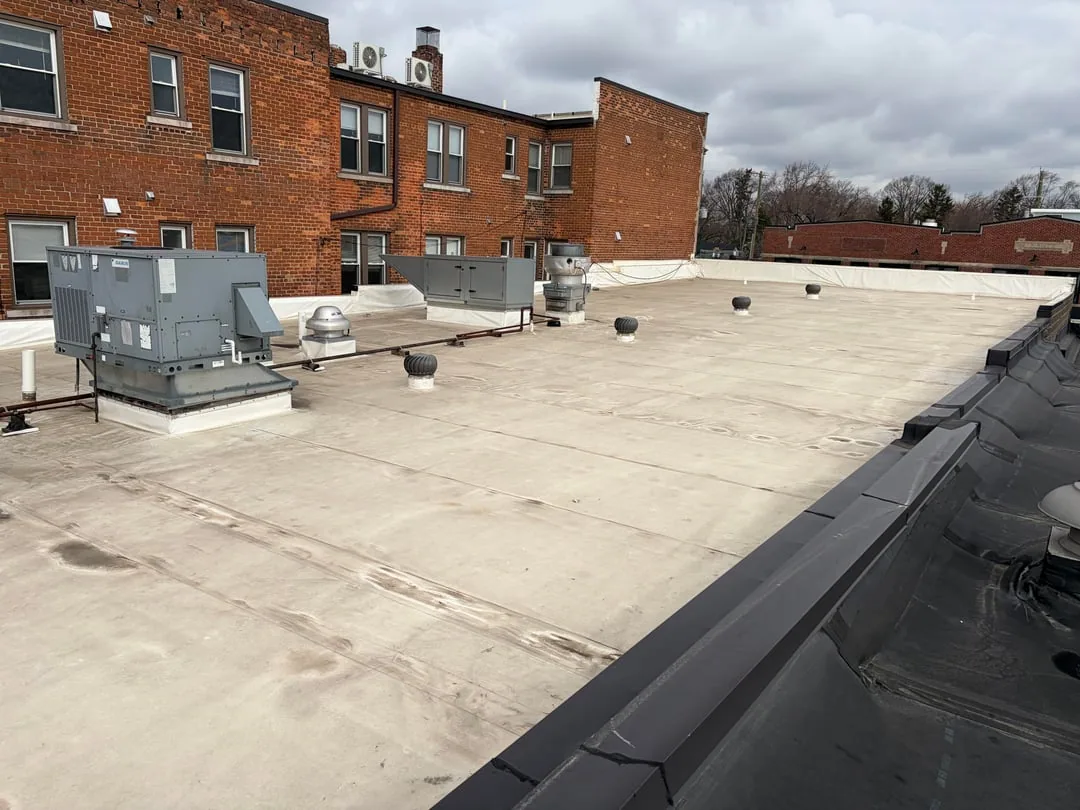
Commercial Roof Inspection
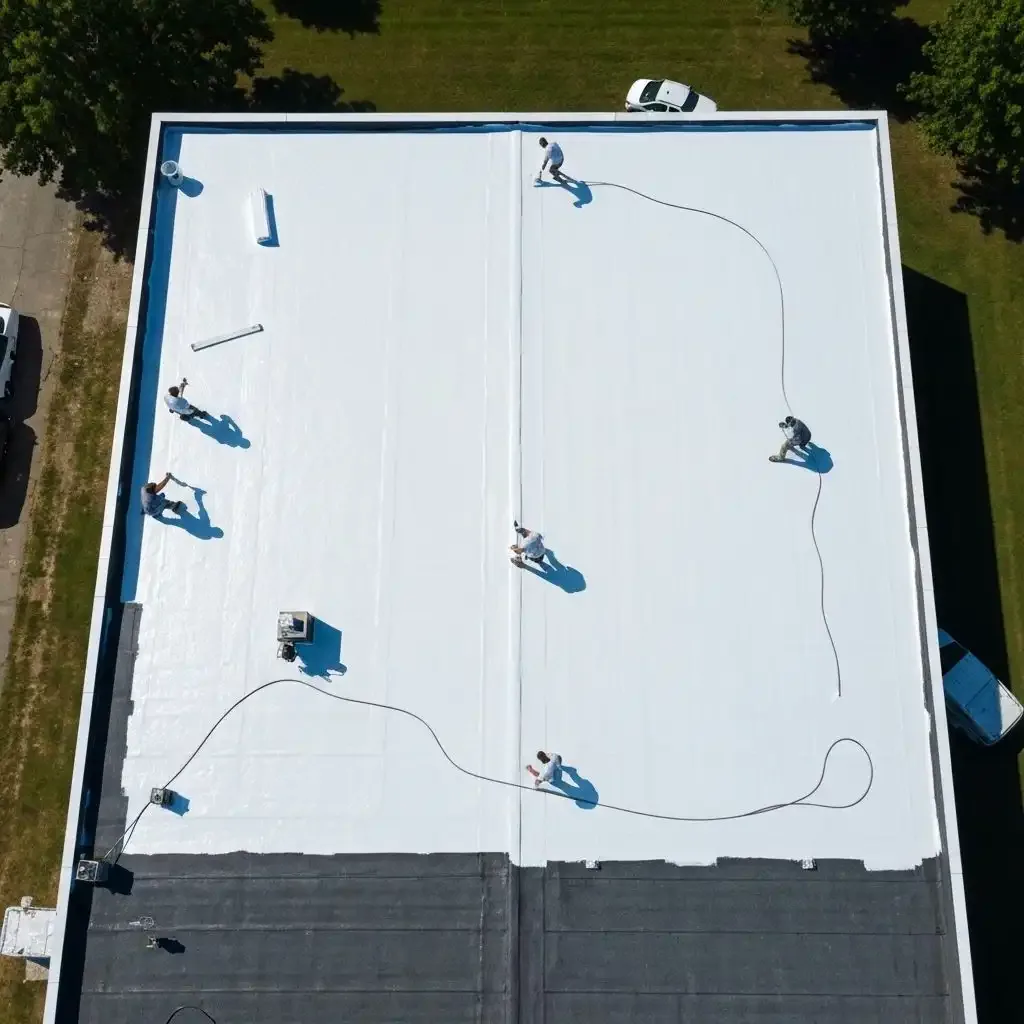
Commercial Roof Coating Restoration
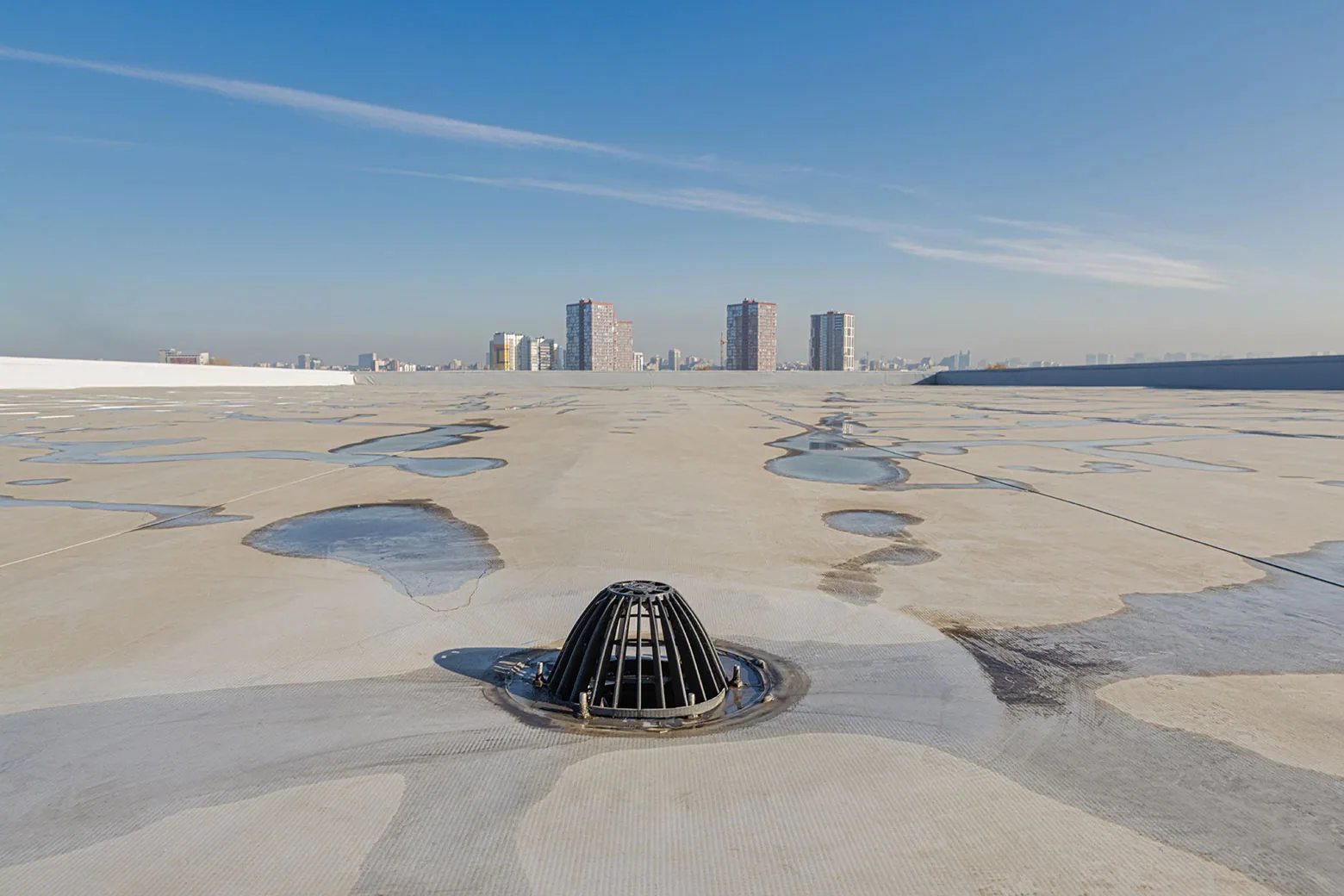
Commercial Roof Drains and Scuppers
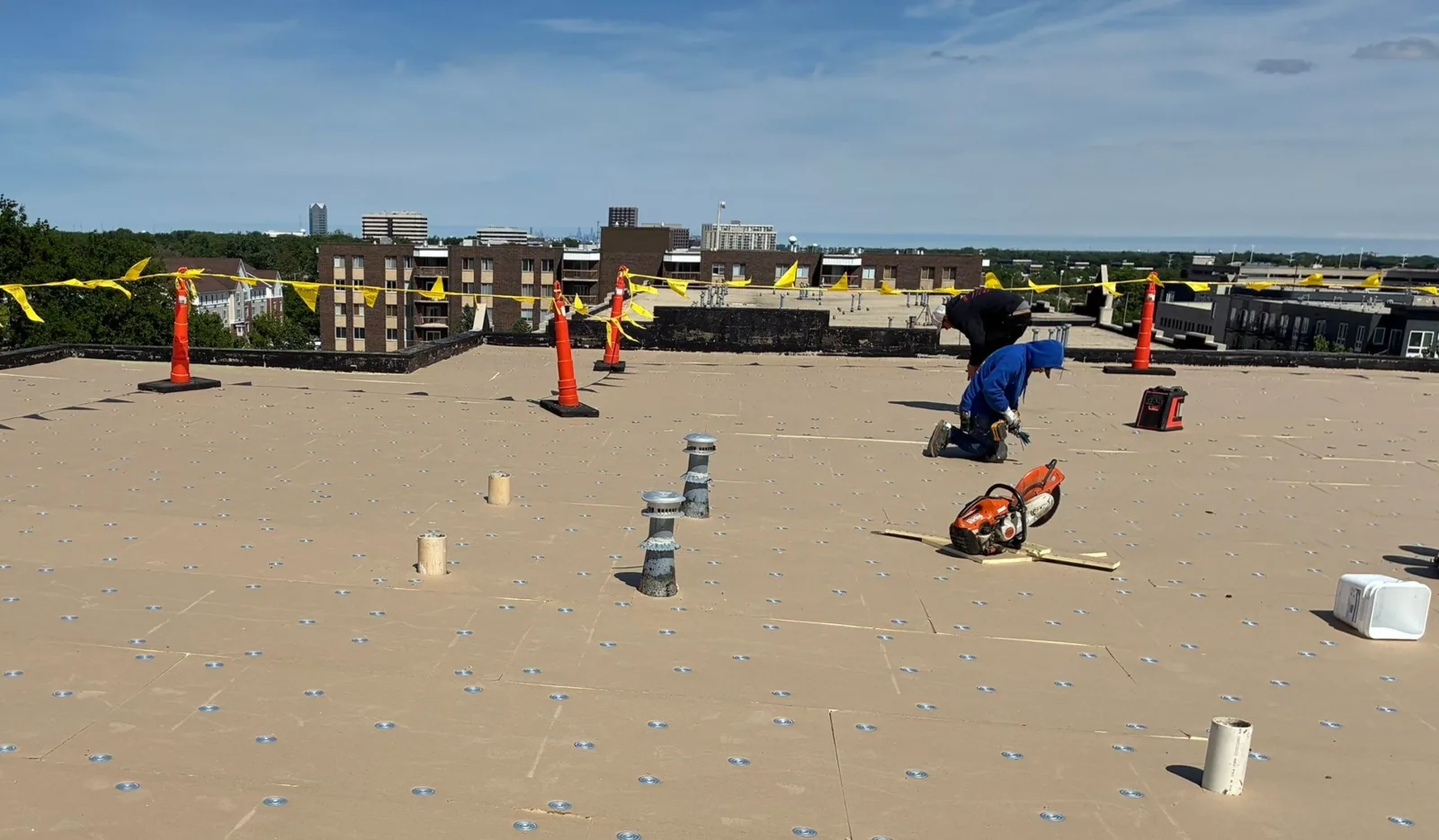
Commercial Roof Repair
Test the roof before specifying silicone coating
Service Area
Topeka, Auburn, Silver Lake, Carbondale, Rossville and Shawnee County, KS
Quick Contact
Email: [email protected]
Phone: 555-555-5555
Request a Roof Assessment
Send the Topeka address, roof plan, coating and membrane records, leak history, and access contact. We will map the substrate and repairs that could change restoration limits.