Acrylic Roof Coatings for Commercial Buildings in Topeka, KS
Home / Roof Systems / Acrylic Roof Coatings for Commercial Buildings
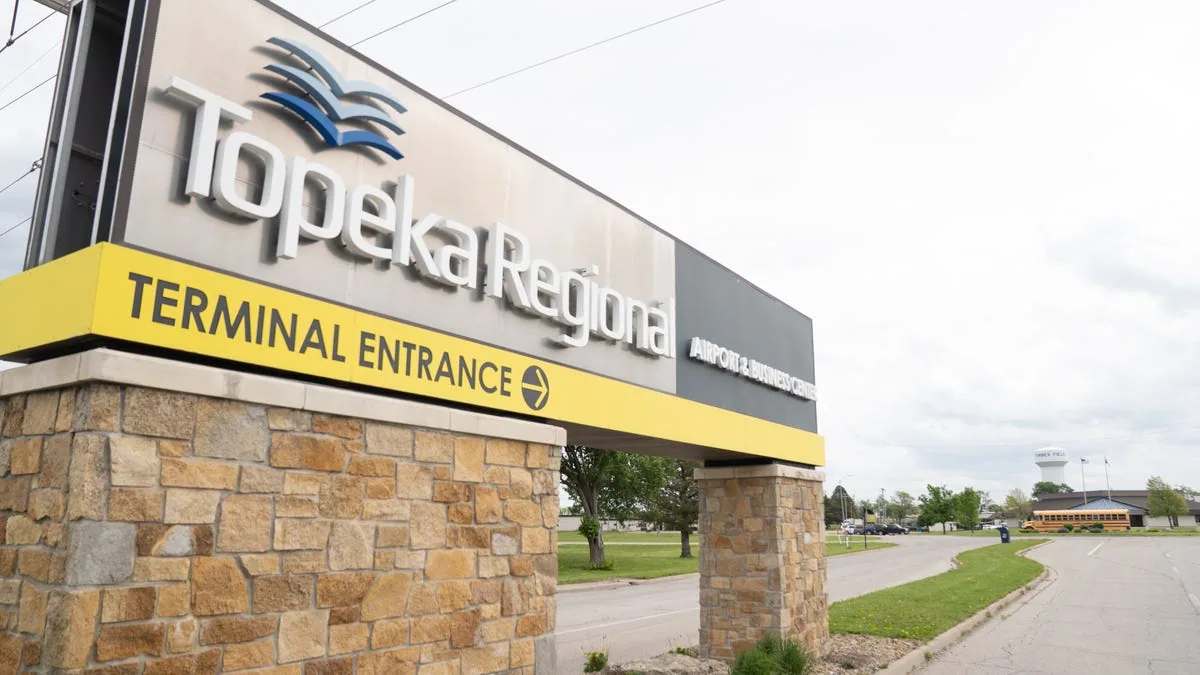
Acrylic coating is a restoration option only when the roof surface, moisture condition, and application window fit the product. We inspect those conditions before pricing a coating. Topeka properties such as Washburn University and Topeka Regional Airport Business Center illustrate different access and occupancy demands. Each roof requires its own review. We identify the membrane or metal below, visible defects, drainage behavior, and test areas before setting a repair boundary.
Fit: Where can acrylic coating be used?
Acrylic coatings can be used on compatible roof substrates when preparation, adhesion, slope, and product requirements are satisfied. We identify the existing assembly and prior coating before specifying a layer. A commercial roof inspection can map seams, penetrations, corrosion, ponding, and areas of coating loss. Records and field tests help determine whether the product can bond to the actual surface.
A coating is not a replacement for evaluating the roof below it. We check for wet insulation, loose membrane, unstable metal, open laps, and failed flashings. Where the assembly is unknown, a test opening or adhesion test may be needed. The report identifies each test location and what it can confirm. A sample does not establish the condition of an untested zone.
Substrate matters. A metal roof may need corrosion treatment and detail repair; a single-ply roof may require a compatible primer; an older coating may need removal or testing before recoating. We check manufacturer requirements and record any uncertainty. If the roof has an incompatible layer or a surface that cannot be prepared safely, the proposal should describe the alternative instead of assuming coating will work.
Preparation: What happens before the first coat?
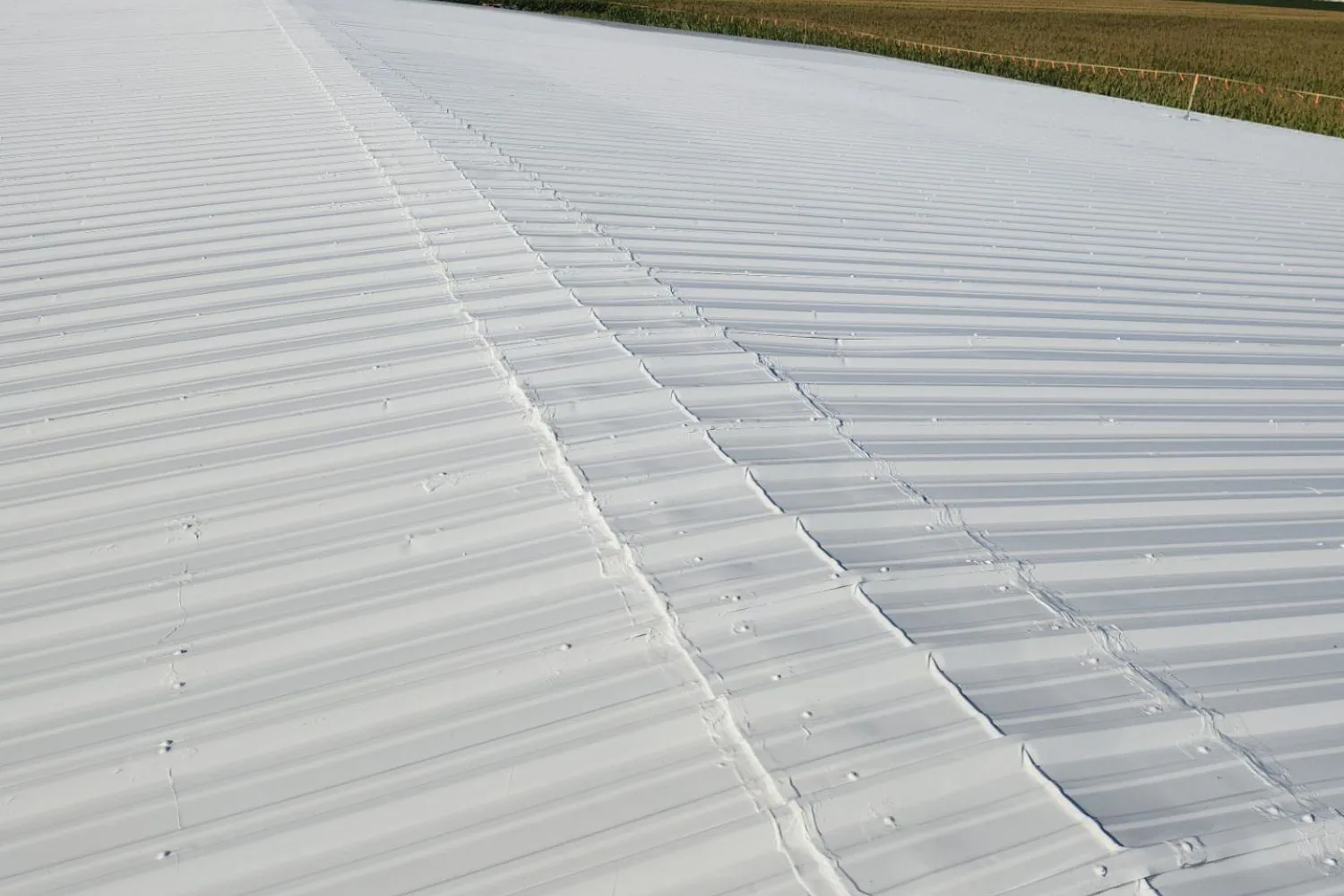
The crew removes dirt, loose material, and failed coating, then repairs defects identified in the scope. Preparation can include cleaning, seam reinforcement, fastener treatment, corrosion control, and a primer. A roof coating restoration proposal should identify which steps are included, the coverage area, required dry-film thickness, and how application will be inspected.
Test patches can confirm adhesion on representative surfaces when product data or field conditions call for them. The test should be placed on a roof zone selected with the owner and evaluated after the specified cure period. If adhesion varies around the building, the proposal must reflect that difference. We state where the test was completed and avoid using one result to support an untested substrate elsewhere.
Cracks, seams, drains, and penetrations receive detail work before field coating. We inspect terminations at walls and curbs and identify any metal or membrane transition requiring separate flashing. The coating plan should say whether existing sealant is removed, which reinforcement is installed, and what is excluded. Photographs document conditions before preparation changes the surface.
Application: How do weather and drainage affect timing?
Acrylic systems need suitable surface and ambient conditions while they are applied and curing. We follow the selected product’s limits for temperature, humidity, moisture, and rain exposure. Topeka’s warm season brings thunderstorms, so the schedule must account for forecast changes and protect open work. Daily notes show the section prepared, coat timing, interruptions, and temporary protection installed at shift end.
Surface moisture can interfere with adhesion or curing. We verify the roof is ready at the time of application rather than relying on the day’s forecast alone. If an afternoon storm approaches, work sequencing should leave a safe tie-in and avoid exposing incomplete details. A coating should not be installed over water or damp material unless the specified product and conditions permit it.
Drainage needs separate evaluation. Acrylic coatings can protect a suitable roof, but they do not automatically fix slope or persistent ponding. We inspect low areas, drains, scuppers, and discharge routes. A drainage review identifies outlet or flow issues that may need correction before coating. The report says whether water cleared during the visit and notes the limits of that observation.
Repair: Which roof defects need correction first?
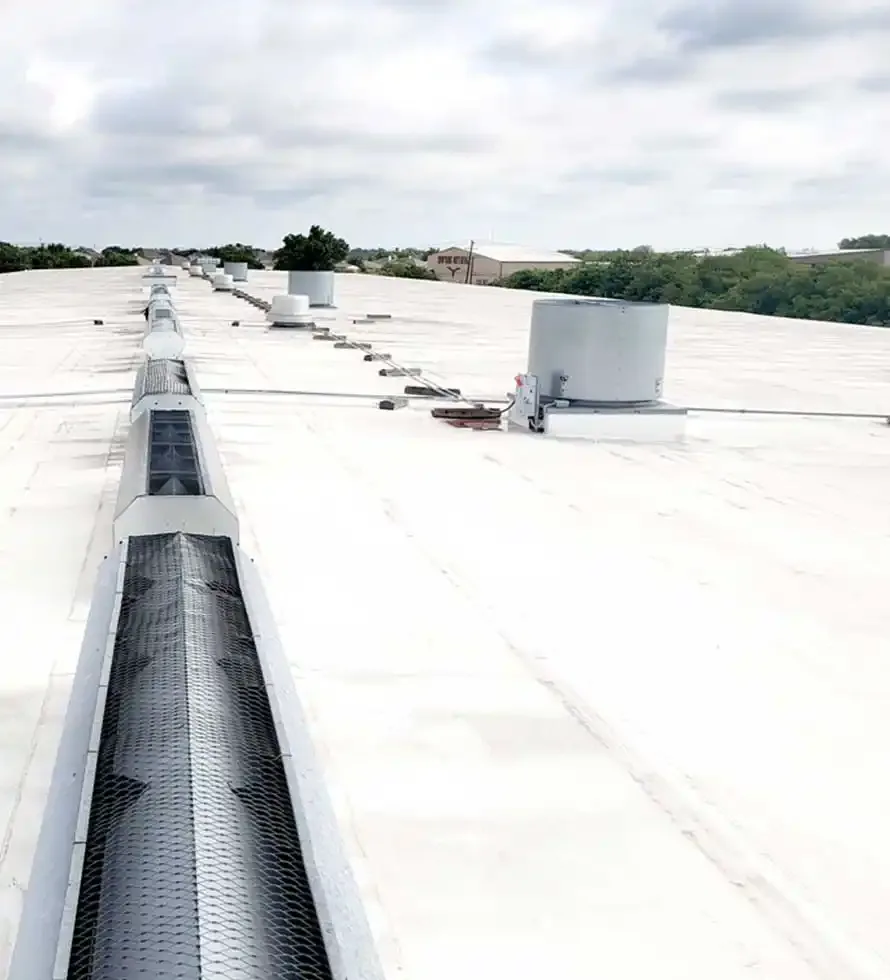
Localized leaks, open seams, damaged fasteners, and failed flashing should be repaired before coating over the field. We trace the reported water path and separate the membrane detail from the surrounding surface. A commercial roof repair scope can define the repair dimensions, preparation, compatible material, and closeout check.
On metal, we check for corrosion and movement at panel joints. On single-ply or modified bitumen roofs, we inspect laps, flashing, and the condition of existing repairs. If moisture extends into insulation, coating the surface may trap an unresolved problem. We identify the tested limits and state where additional removal could be needed. The owner receives a decision point before the crew exceeds the included quantity.
We photograph each repair location and record materials installed. At penetrations and curbs, the detail should maintain water flow and protect the transition. If a mechanical support or curb is unstable, the proposal identifies that separate condition and the trade needed to address it. A coating scope should not absorb unverified structural or equipment work without explicit approval.
Alternatives: When should another system be considered?
Acrylic may suit a compatible surface where drainage and application conditions can be controlled. If the roof has chronic ponding, widespread moisture, or incompatible layers, another approach may be better. Compare silicone roof coatings and TPO roofing based on existing assembly, slope, exposure, maintenance requirements, and project specifications. The proposed system must address transitions and preparation, not just the field area.
When the roof needs extensive removal or insulation work, a replacement assessment can compare disruption, attachment, drainage changes, and concealed conditions. At Washburn University, building use and campus access affect phasing; airport business facilities may have separate delivery or security procedures. We verify those requirements with the property contact before scheduling. Access needs shape the work plan, while the tested roof condition shapes the technical recommendation.
The decision record should compare included quantities, expected maintenance, test evidence, and exclusions. We identify which roof zones were reviewed, what was not accessible, and what additional design review remains. That gives the owner a clear basis to choose repair, coating, or replacement without treating a surface treatment as a substitute for assembly evaluation.
Closeout: What should an acrylic coating file show?
Closeout records include the roof map, surface tests, preparation, repairs, product data, measured coverage, application conditions, and photographs. They identify completed and deferred zones and note any variation from the approved detail. If the crew finds wet insulation, loose material, or an unexpected substrate, that condition and the owner's direction belong in the record.
Maintenance staff should monitor coating edges, seams, drains, curbs, and repaired penetrations according to the product and project requirements. We record any follow-up inspection date agreed with the owner. If a later leak occurs, compare its location with the roof map and prior repairs. The closeout defines what was coated and avoids implying that excluded areas were restored.
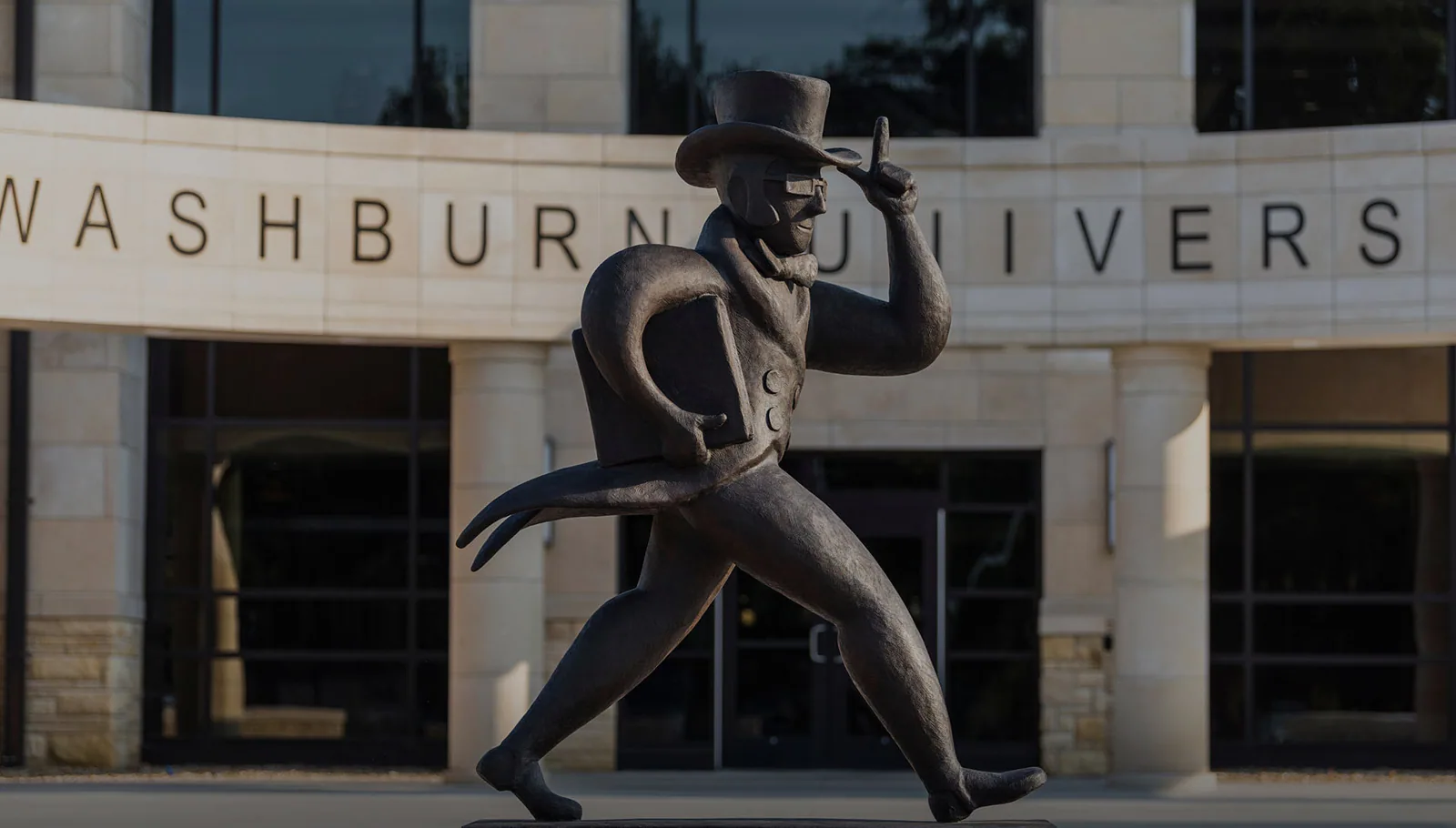
For occupied facilities, the handoff includes access controls and any temporary protection removed at completion. At Washburn University, campus contacts determine building-specific access and work windows. Another Topeka facility may set different controls. We record who accepted the work area and which maintenance items remain open, so operations staff can close the loop without guessing.
Commercial Roofing Questions
Can acrylic coating go over an existing roof coating?
Sometimes, after the existing layer is identified and adhesion and compatibility are tested. We define representative test locations and conditions.
Is acrylic coating suitable for standing water?
Persistent ponding needs separate drainage review. We evaluate slope and outlets before recommending an acrylic restoration system.
Can acrylic coating be applied before rain?
The application and cure period must meet the selected product's weather requirements. We plan the work window and document interruptions.
Does a coating repair open roof seams?
Seams and transitions need compatible preparation and detail work before field application. We list those repairs separately in the scope.
What is needed to compare coating bids?
Compare substrate tests, preparation, repairs, coverage, thickness, access, weather plan, warranty, and exclusions. We document the quantities behind our proposal.
Related Roofing Work
Washburn University
Topeka Regional Airport Business Center
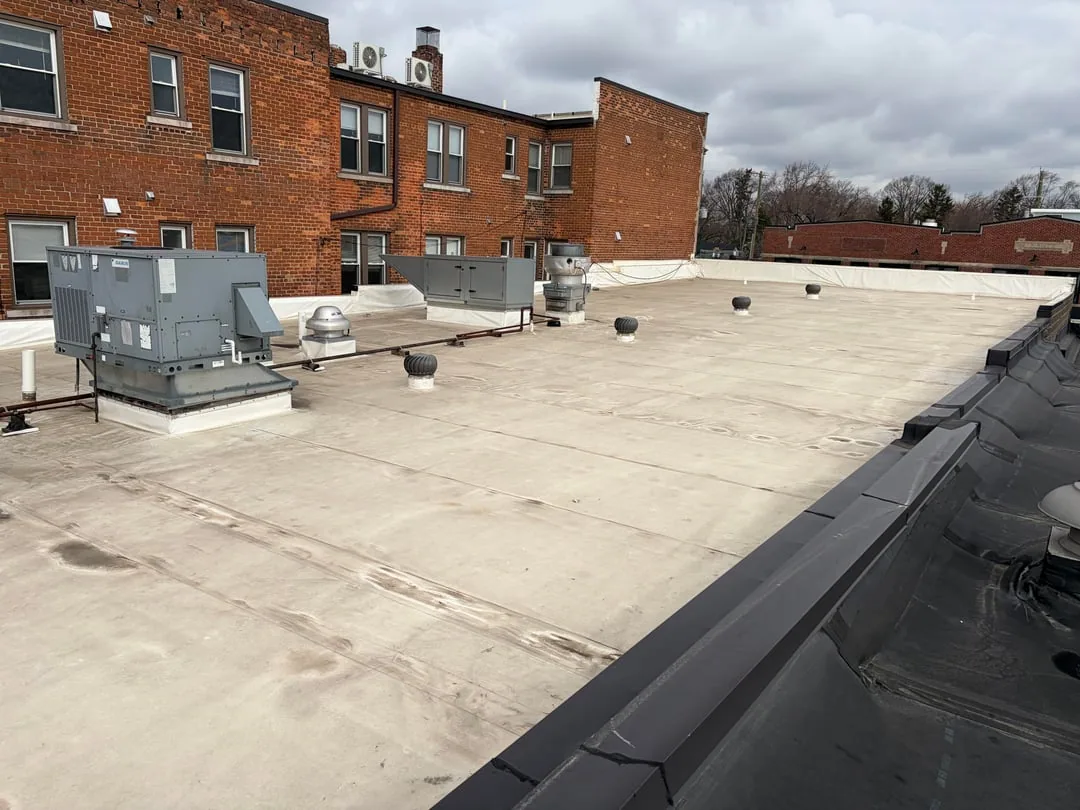
Commercial Roof Inspection
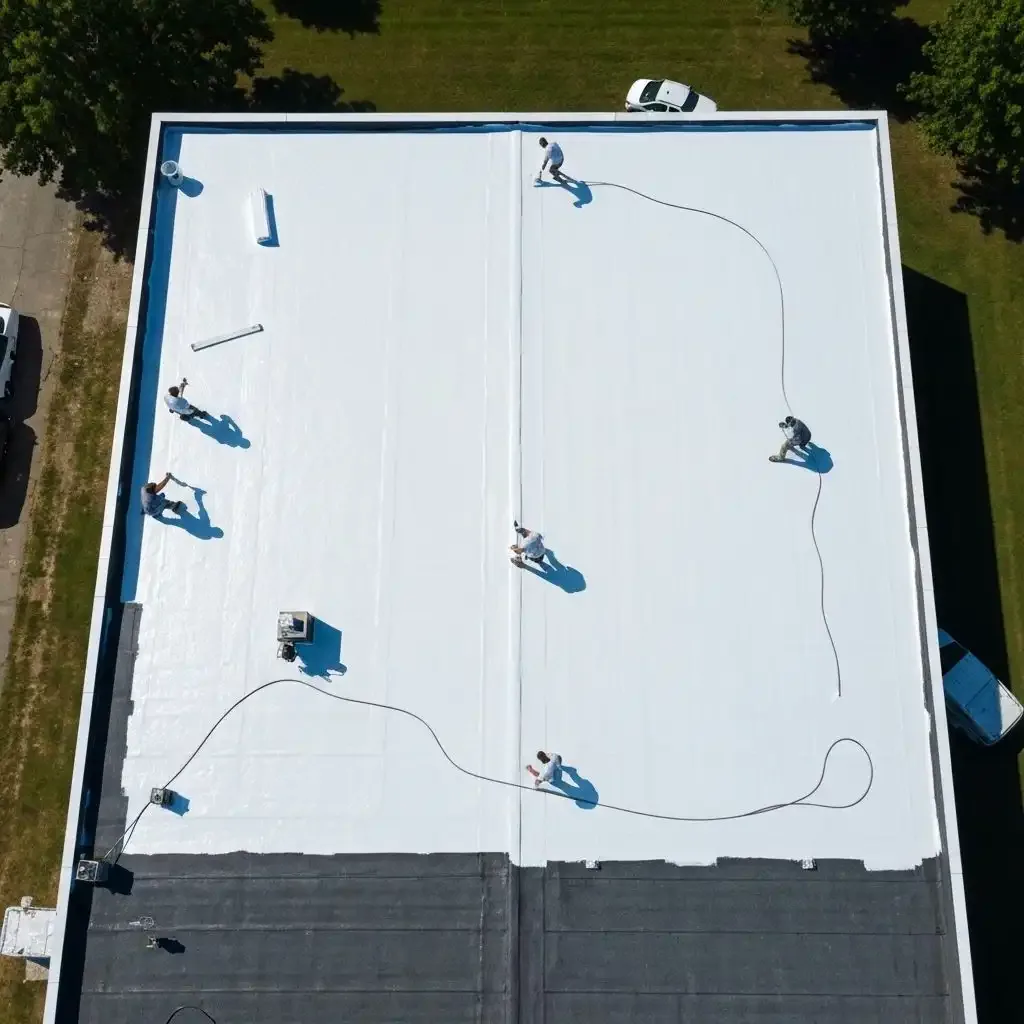
Commercial Roof Coating Restoration
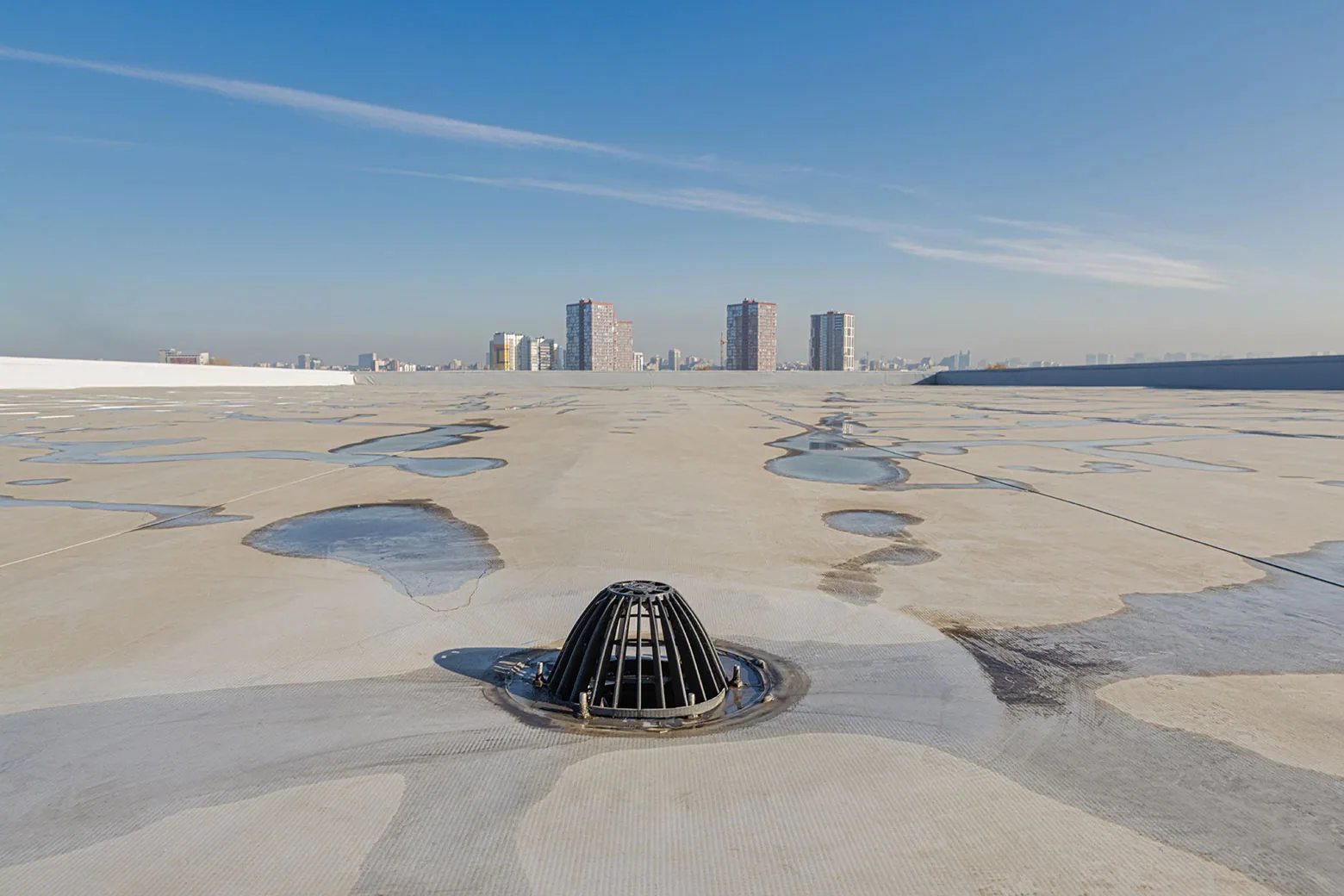
Commercial Roof Drains and Scuppers
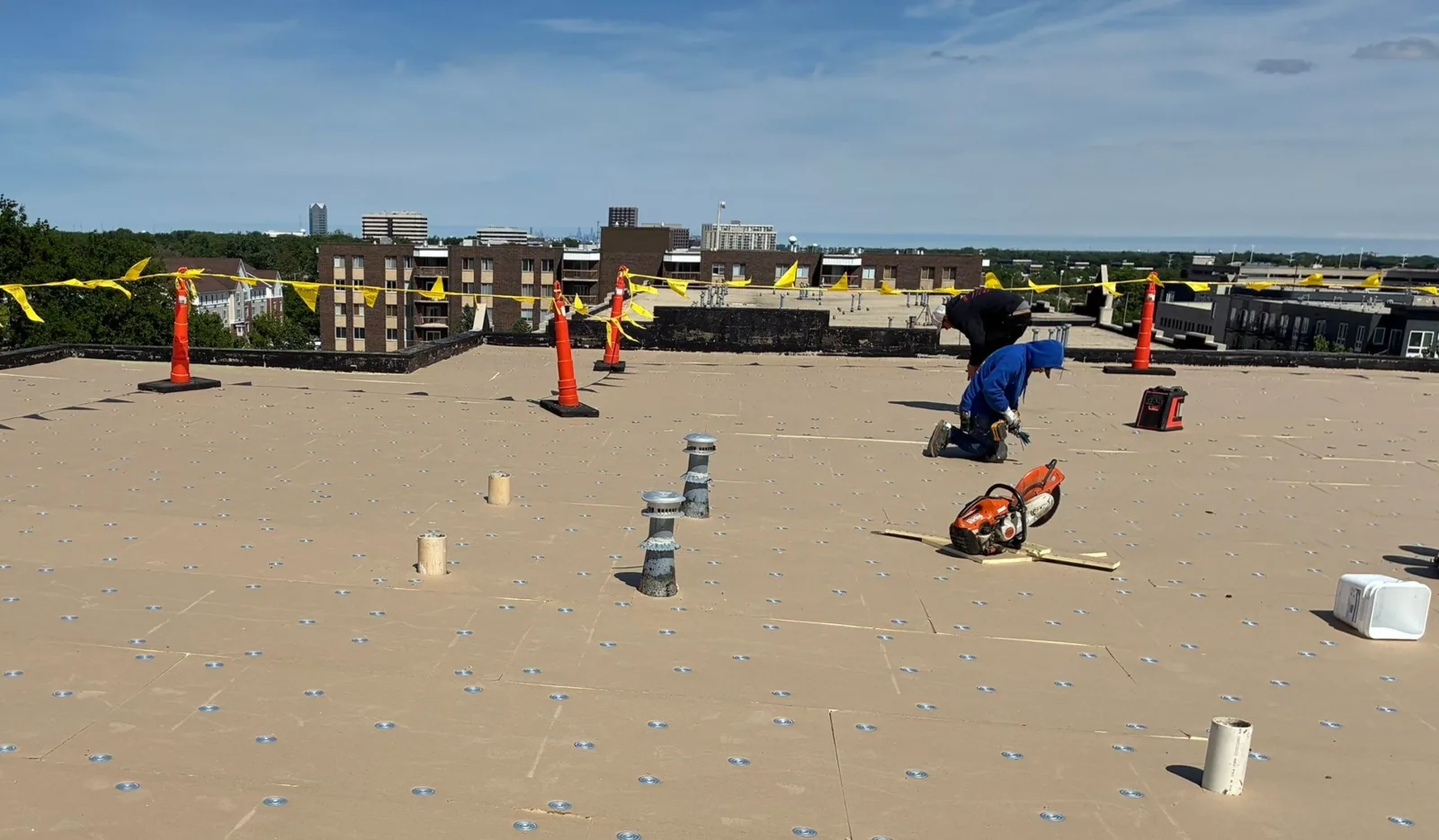
Commercial Roof Repair
Confirm the substrate before selecting acrylic coating
Service Area
Topeka, Auburn, Silver Lake, Carbondale, Rossville and Shawnee County, KS
Quick Contact
Email: [email protected]
Phone: 555-555-5555
Request a Roof Assessment
Send the Topeka address, roof plan, membrane and coating records, leak history, and access contact. We will inspect the tested areas and define preparation and coating limits.