
Commercial Roofing in Carbondale, KS
Home / Service Areas / Carbondale
A grocery, clinic, bank, school, or public-use building can have a different access path even when the roof defect looks similar. Carbondale, KS sits 12 miles south of Topeka along U.S. Highway 75, and the City describes a local mix that includes medical, retail, and civic services. We begin with the actual property, its reported leak, and the roof assembly we can inspect. That keeps the estimate tied to the tested section rather than to a general assumption about small-town buildings or the business inside them.
Work window: Which routes stay open?
Before a crew arrives, we confirm who can authorize roof access, where materials can be staged, and which entrances or service routes need to remain available. A clinic may require patient circulation to stay clear; a grocery operation may have receiving activity; a school schedule can affect when interior protection is practical. The property contact confirms which routes and restrictions apply before we set the sequence. We place the work sequence around those requirements and set a decision point before any concealed condition changes the scope.
Carbondale sits on U.S. Highway 75, a useful route reference when coordinating delivery and access from Topeka. On the property, we still verify vehicle entry, turning room, lift placement, and the roof route. If the work involves occupied areas, a phased occupied-building roofing describes how phased roofing can preserve building use; the specific schedule depends on the owner’s operating needs and weather protection requirements. We keep temporary openings small enough to close within the approved work window.
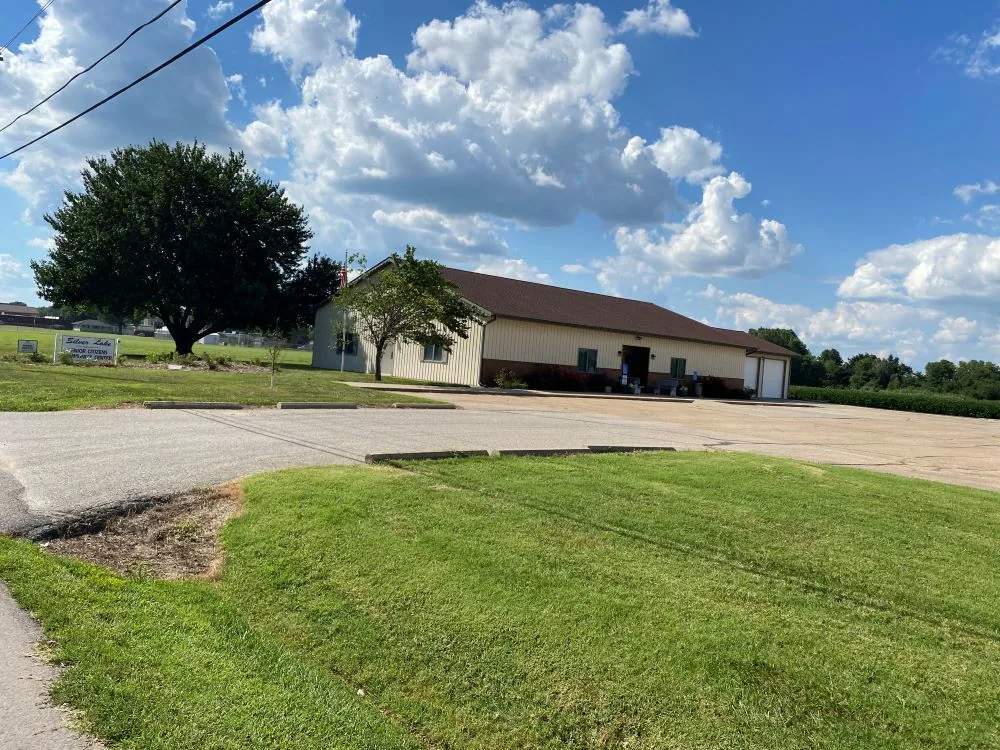
Roof trace: Where does the water travel?
A leak at a ceiling fixture does not identify the roof entry. We compare the interior mark with membrane laps, flashings, drains, curbs, and edges above it. Water can follow a deck or insulation layer before it shows indoors, so the repair begins with a marked test area. We photograph visible conditions and note whether moisture testing is needed. If the roof plan is incomplete, field measurements help locate the inspected section and keep later work tied to the same boundary.
Topeka’s 1991 to 2020 normal records 36.5 inches of precipitation annually. Summer thunderstorms and winter precipitation affect scheduling in the region, while an inspection establishes the roof condition at a Carbondale property. The NWS northeast Kansas archive also records severe hail and wind events. After a storm report, we inspect seams, perimeter attachment, exposed flashing, and penetrations for actual movement or impact, then record the difference between a surface mark and a functional breach. The infrared moisture survey can help identify areas for hands-on confirmation when roof conditions and timing support the method.
System choice: What can the existing roof accept?
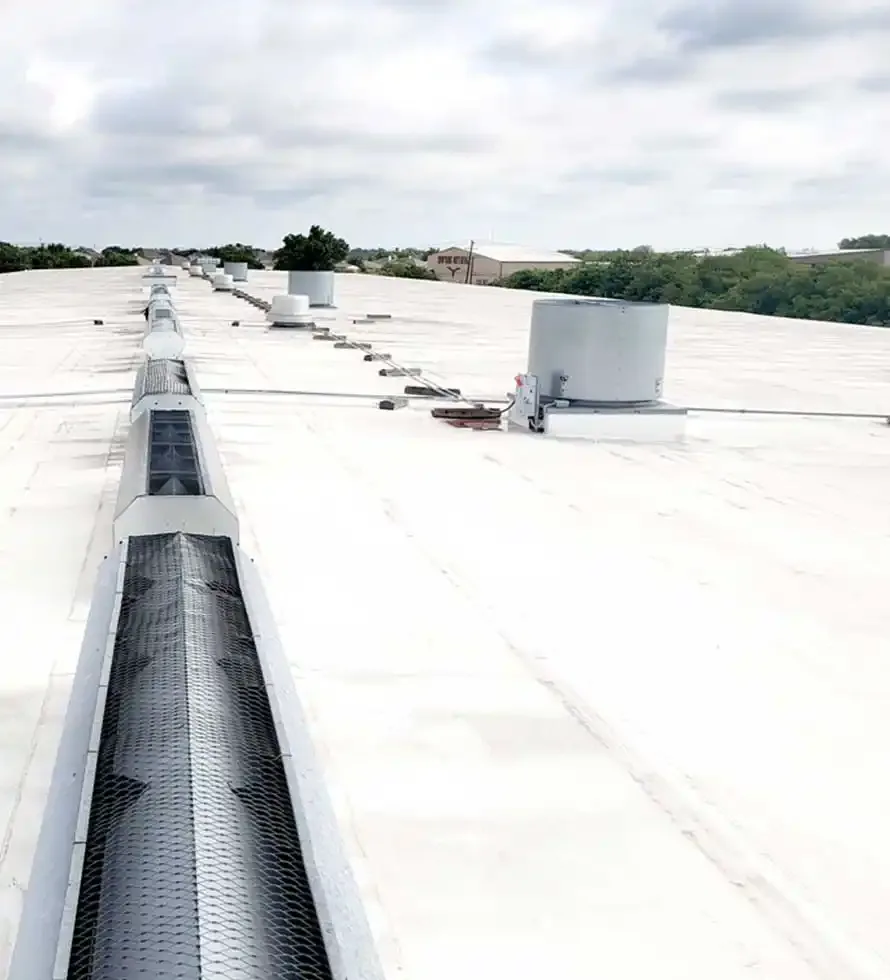
A repair method must match the membrane and substrate that are present. We identify the system from labels, records, and field characteristics rather than guessing from the building type. For a thermoplastic membrane, we check whether a compatible weld can tie the patch to clean, sound material. When field evidence confirms TPO, we inspect its heat-welded seams and flashing transitions; the material is not assumed from a building’s use. EPDM, modified bitumen, and metal roofs need different repair materials and detail checks.
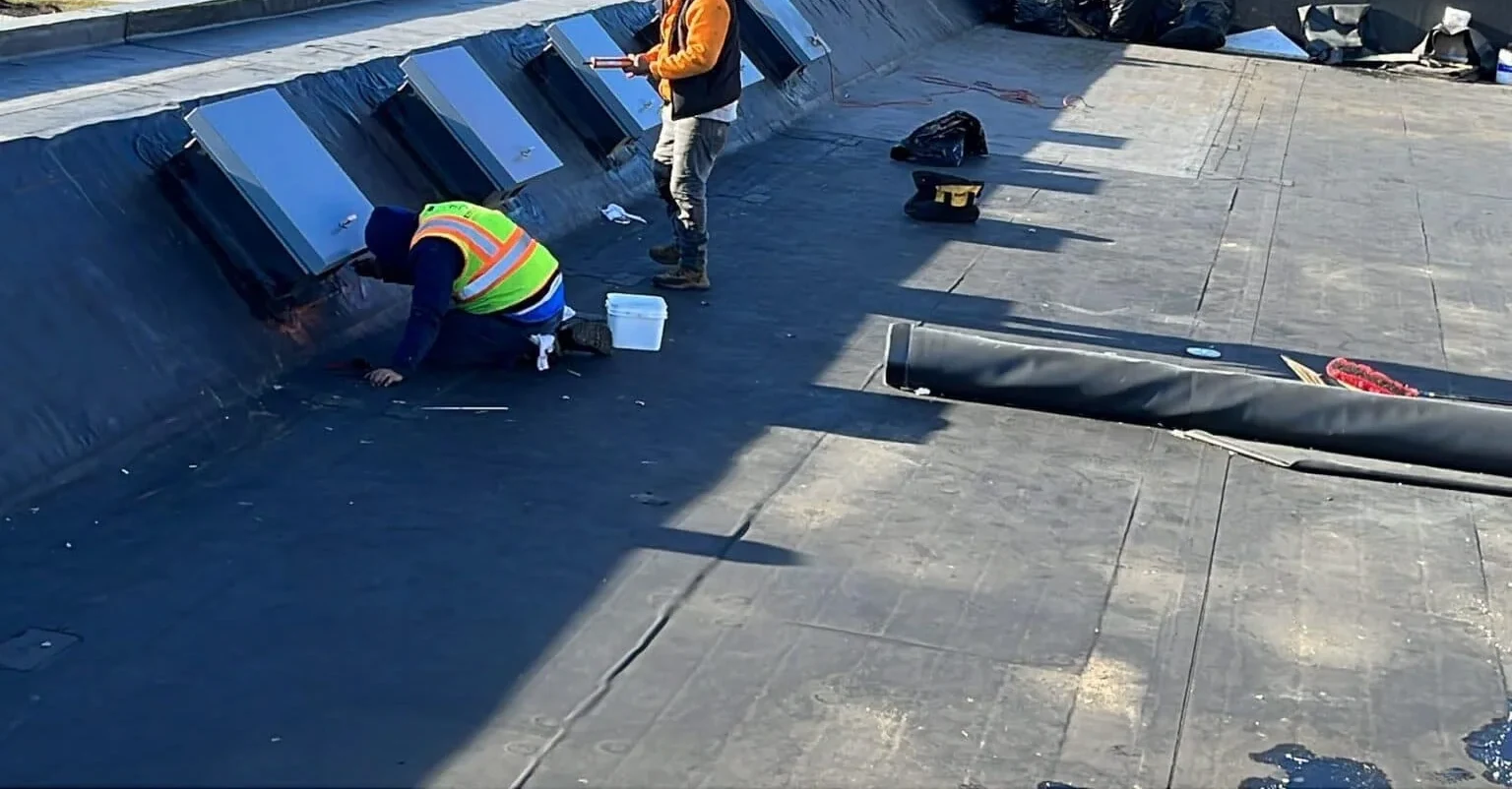
A recover can avoid full tear-off only if attachment, moisture, drainage, and code requirements allow another layer. Wet insulation or unstable attachment can change that decision. We test the areas that matter, state the limits, and compare repair, recover, and replacement with quantities tied to the evidence. The replacement evaluation can show the complete assembly scope when isolated repair no longer addresses the condition. We identify assumed deck conditions separately from confirmed findings.
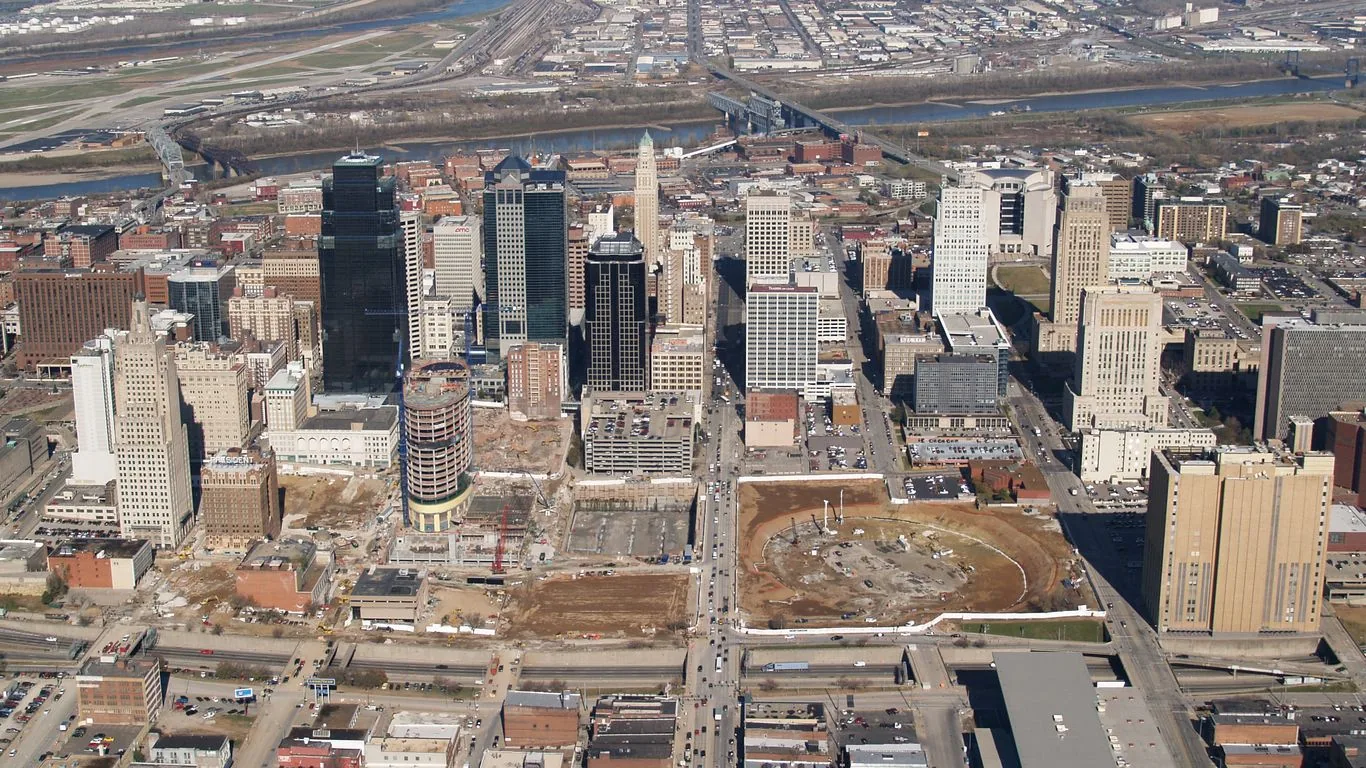
Weather control: How is an open roof managed?
Removal and installation need a dry-in plan before the first cut. We divide the work into sections that can be protected at the end of the shift and watch the forecast during exposed work. If rain threatens, the crew secures the active area with temporary protection and records what remains under that cover. Cold or wet conditions can also affect adhesion, weld quality, and sealant cure, so the material instructions and current surface conditions set the usable work window.
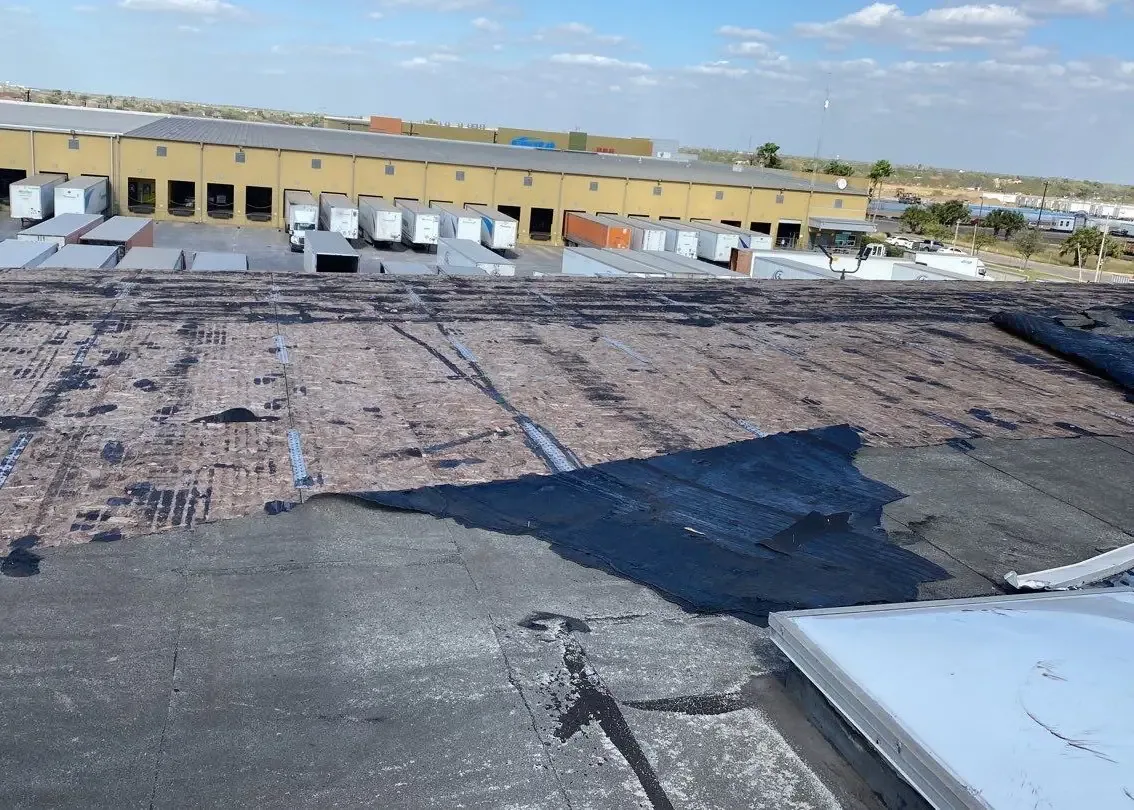
For roofs in the Carbondale area, the forecast is a sequencing input, not proof that a roof has damage. A wind-damage inspection begins with loose or displaced components, open seams, edge conditions, and water entry. Hail review separates impact that changes function from cosmetic marks. When a severe northeast Kansas event is reported, the owner can request photographs and a measured inspection area before deciding whether to open the assembly or prepare a claim record.
Scope and budget: What moves the estimate?
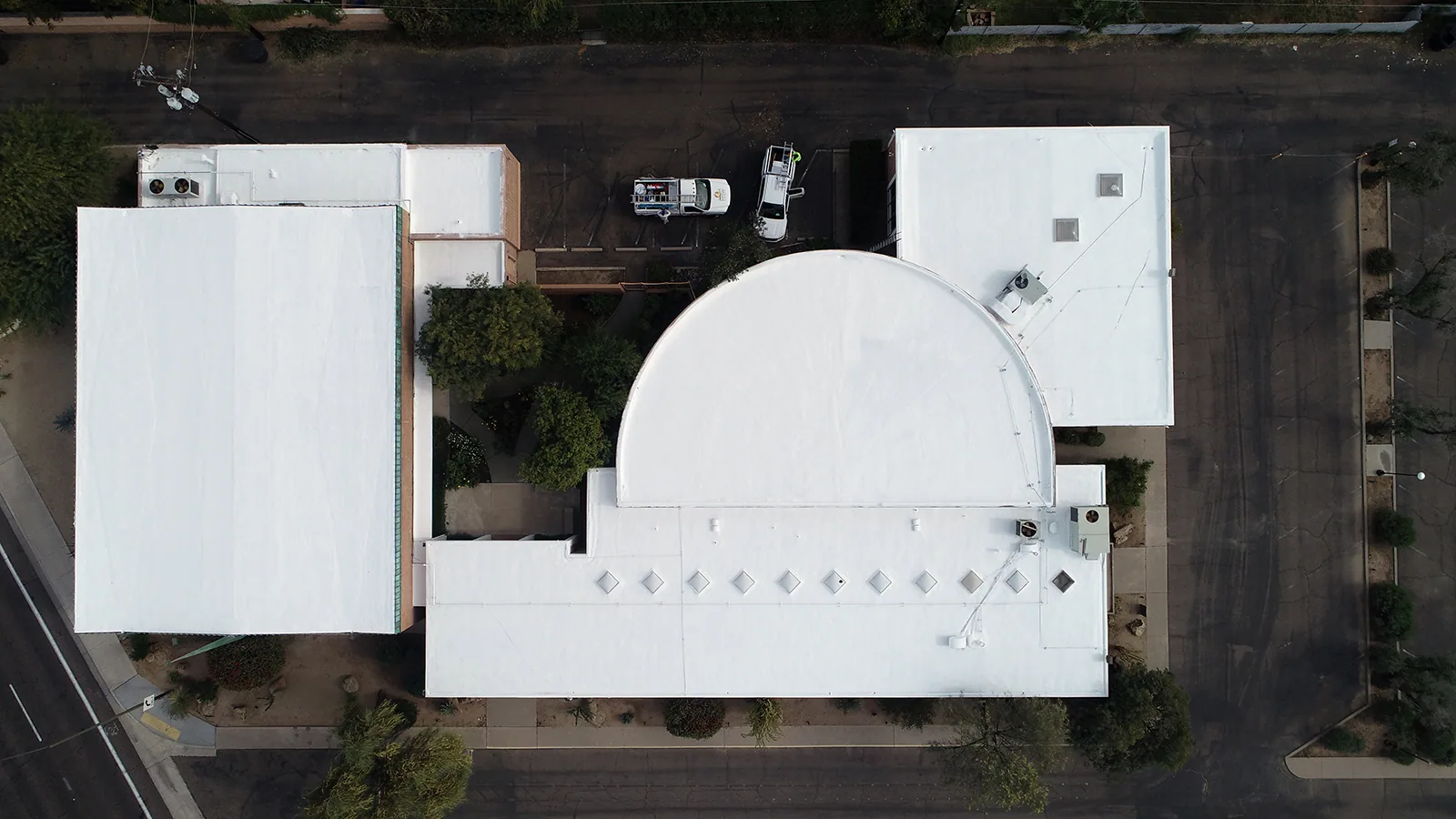
The main cost drivers are repair area, removal depth, insulation condition, flashing length, roof access, staging, disposal, and protection required below. A surface-only patch differs from a repair that removes wet insulation and replaces cover board. Replacement planning adds deck attachment, tear-off layers, drain work, edge metal, and occupancy coordination. We separate the known quantity from conditions that need confirmation after opening. A roof capital plan can group work by urgency and expected sequence without turning an inspection into a promise about a future roof life.
Carbondale has parks, a pool, a sports complex, and community and school facilities. That public-use context makes predictable work windows useful, but it does not tell us what roofs are present or when a building is occupied. The owner supplies the access calendar. We align delivery, staging, and noisy removal to the approved periods, then state any weather contingency that can move the next step. Nearby Auburn and Silver Lake properties receive their own measurements and repair records.
Repair record: What is confirmed at closeout?
The report lists the inspected section, photographs, tests performed, materials used, and limits on access. If a repair uncovered wet insulation or deck damage, the added work is tied to its measured extent and authorization. We note any temporary protection left in place and the follow-up date. A useful record allows the next visit to compare the same seams, curb, drain bowl, and interior report without assuming that an adjacent section received the same treatment.
Carbondale is one of three communities served by Santa Fe Trail USD 434. That local education context is useful when planning contact and access for school property, but each facility’s roof inspection remains specific to that facility. An owner can provide prior plans, leak logs, and repair photos before we set the inspection boundary. The record then supports a focused repair, expanded testing, or a replacement review when conditions warrant it.
Commercial Roofing Questions
Does the local business mix identify a building’s roof system?
No. The clinic, shops, schools, and public facilities establish community context, not roof construction. We check records and field details, then identify the material, seams, drainage, and repair options for the actual building.
Can roofing work be staged around deliveries or patient access?
Yes, the work plan can include approved routes, delivery periods, protected entrances, and a sequence that closes each exposed section before moving on. The building contact confirms the operating limits, and the estimate identifies any added staging or protection.
What information helps after a hail or wind report?
Share the event date, interior leak locations, and any prior roof plan. We inspect exposed edges, seams, flashings, and penetrations, photograph the observed condition, and distinguish a mark from a confirmed opening or moisture condition.
When should a recover be compared with replacement?
We compare those options when testing raises questions about wet insulation, attachment, drainage, or multiple failing fields. The report states what is confirmed and what requires an opening so the owner can compare quantities and schedule before authorizing broad removal.
Related Roofing Work
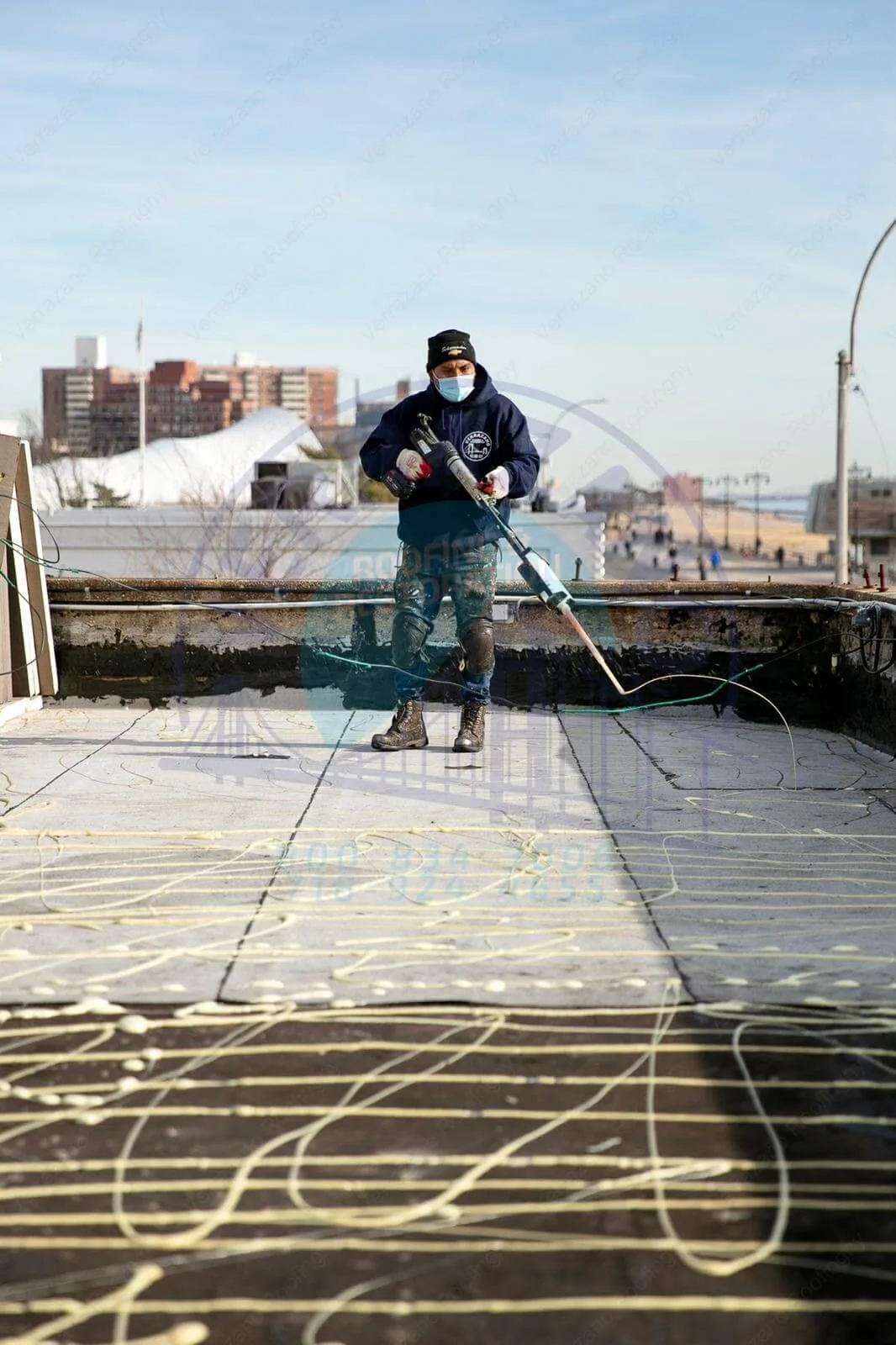
Occupied Commercial Building Reroofing
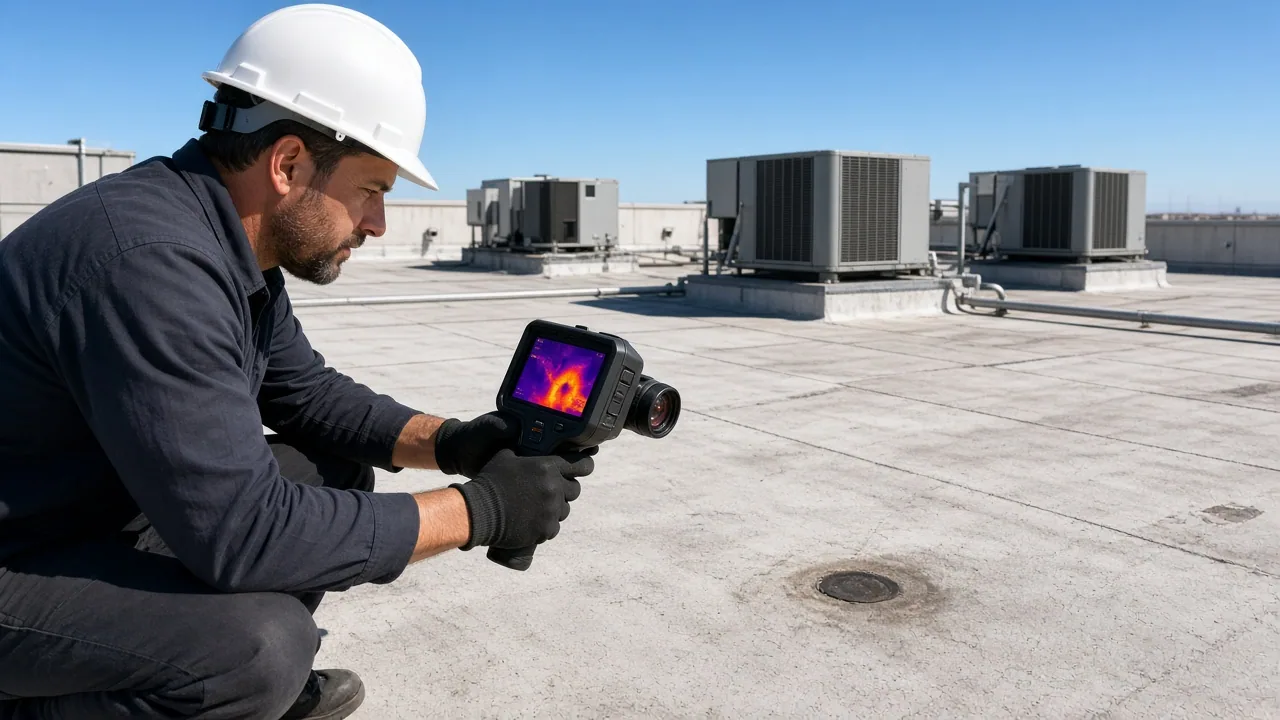
Commercial Roof Infrared Moisture Survey
TPO Commercial Roofing
Commercial Roof Replacement
Commercial Wind Damage Roof Repair
Commercial Roof Capital Planning
Set a Carbondale roof inspection
Service Area
Topeka, Auburn, Silver Lake, Carbondale, Rossville and Shawnee County, KS
Quick Contact
Email: [email protected]
Phone: 555-555-5555
Request a Roof Assessment
Send the property location, reported condition, roof access contact, and available plans or prior repair records. We will define the inspected area and next decision.