
Commercial Roofing in Silver Lake, KS
Home / Service Areas / Silver Lake
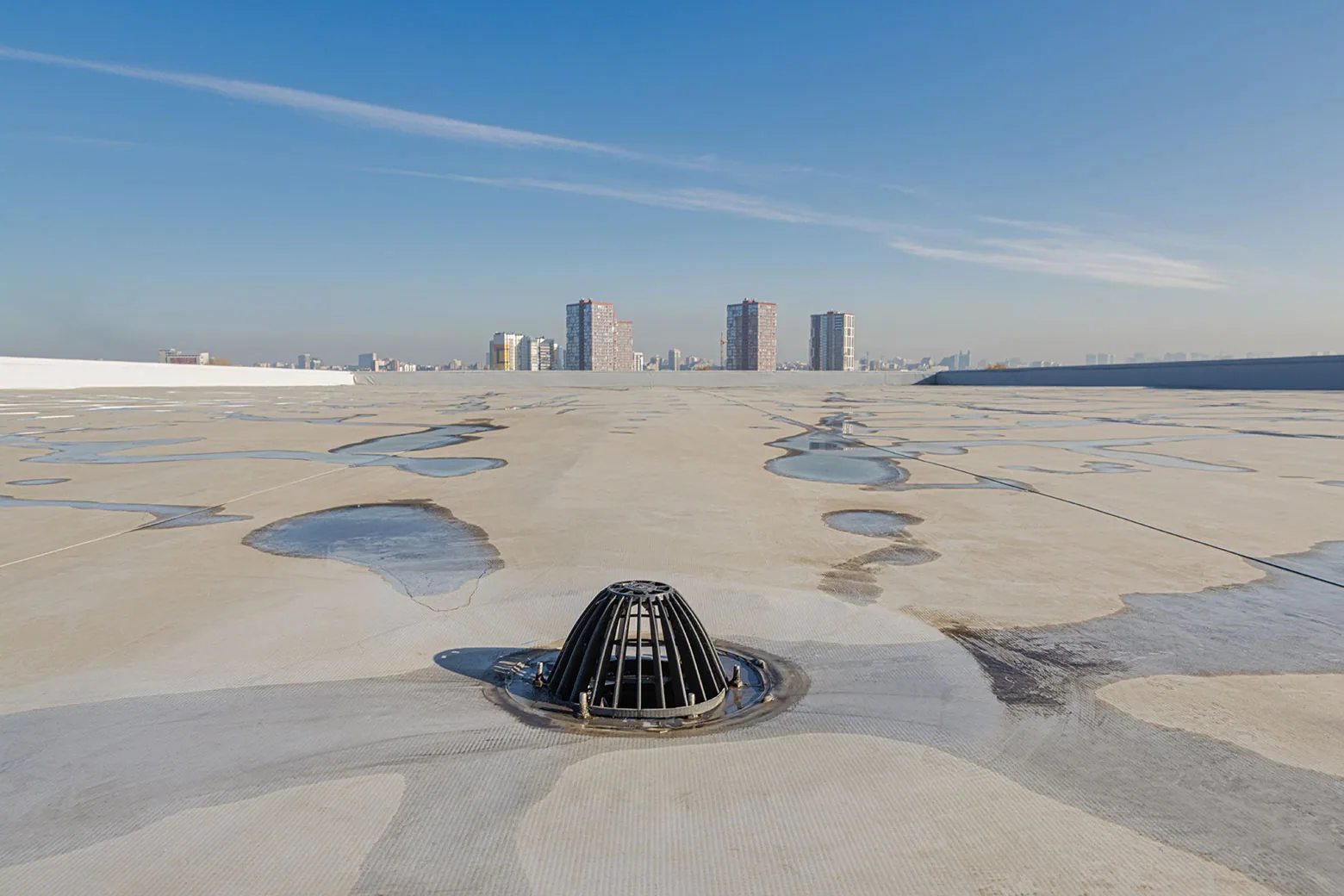
A shallow low area beside a drain can keep water on the roof after the outlet clears. Silver Lake, KS is a municipality about eight miles west of Topeka along U.S. Highway 24. The City lists a mix of food businesses, offices, apartments, self-storage, veterinary services, banks, and retail. Those uses call for different access and protection plans; they do not identify the roof assembly. We inspect the actual building, mark the tested section, and tie the repair choice to the water path, membrane condition, and insulation findings.
Drainage: What keeps water moving?
We check the drain bowl, strainer, leader, nearby seams, and the roof surface that feeds the outlet. Debris can restrict flow, but a persistent low area may involve tapered insulation, a depressed deck, or blocked drainage downstream. The cause determines the work. We photograph the outlet and note whether water remains after rainfall has passed. If a roof opening is needed to test insulation, the estimate names the test zone and dry-in plan before work begins.
The NWS normal for Topeka over 1991 to 2020 averages 36.5 inches of precipitation a year and includes winter precipitation. That regional reference informs scheduling, while measurements on a Silver Lake building determine its drainage capacity. During the wet season, we prioritize open outlets and secure exposed repairs before weather changes. The drainage repair scope records outlet condition, flow path, and any membrane or flashing defect at the drain connection.
Assembly check: Which repair method fits?
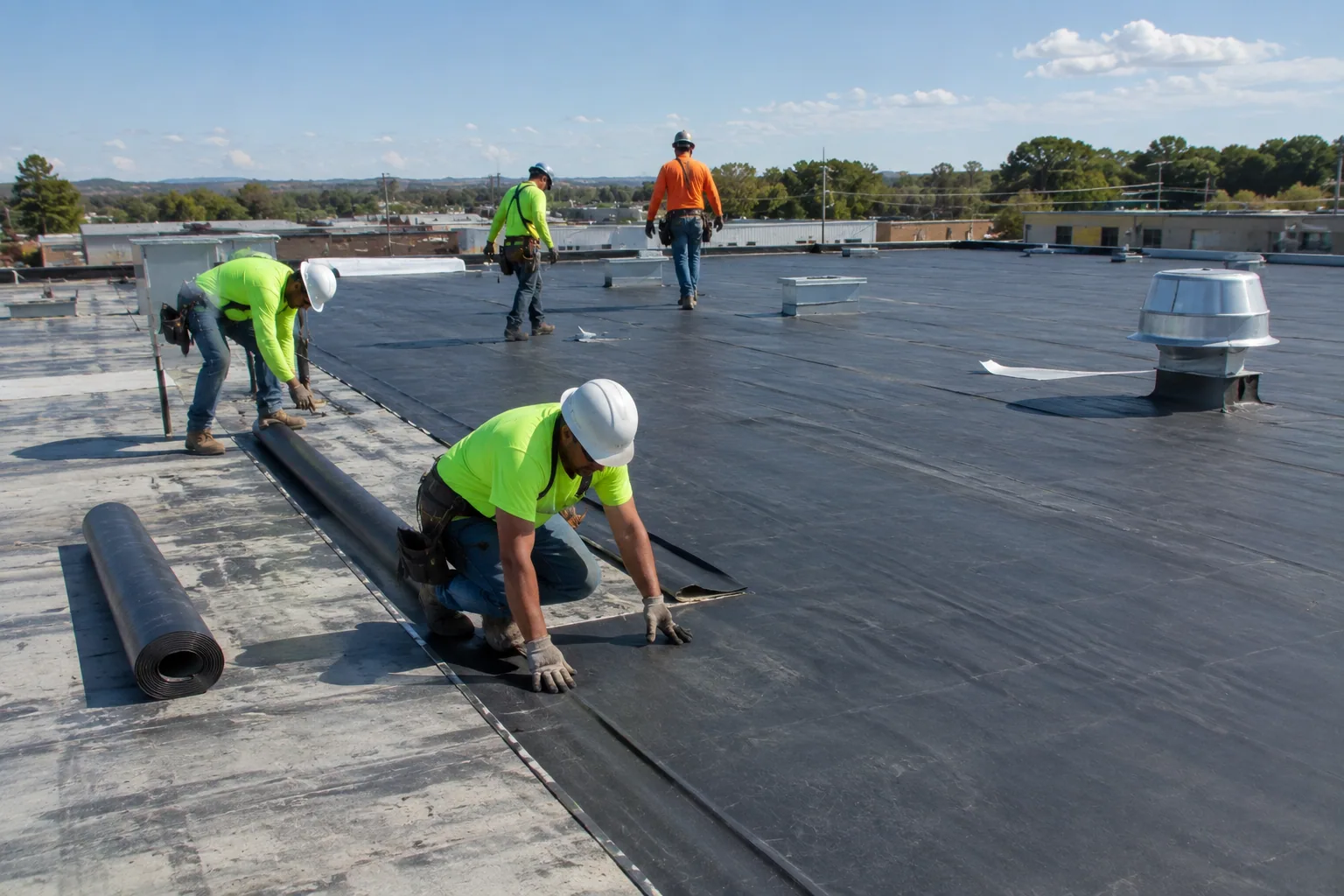
A membrane repair must connect to compatible, sound material. On EPDM, the seam and flashing details call for a different preparation method than a thermoplastic weld or a modified-bitumen patch. We identify the existing assembly from records and visible characteristics, then select a repair that fits its surface and substrate. The EPDM seam work applies when field evidence confirms EPDM; it is not a default for every office, apartment, or storage building.
A coating or recover may be appropriate only after the surface, attachment, moisture, and drainage have been checked. Coating cannot correct trapped water or unstable insulation. If testing finds wet material, we mark its extent and determine whether removal is needed. Replacement planning considers deck condition, existing layers, insulation, cover board, penetrations, edge metal, and drain configuration. The owner receives the options that the observed assembly can support, along with any unresolved condition that changes scope.
Occupied property: How is access protected?
The City’s listed business mix includes restaurants, banks, apartments, a veterinary clinic, and self-storage. Roof work at any occupied property can affect entrances, deliveries, resident paths, parking, or indoor operations. We confirm which routes remain open, where equipment may sit, and how the area below the repair will be protected. If the roof must be opened, the crew coordinates temporary dry-in and checks the opening before leaving. The schedule identifies work zones and a contact for approval if field conditions differ from the estimate.
An apartment roof may require notice and protection at multiple entries; a retail roof may need delivery timing; an office can have secure access hours. These are examples of coordination, not assumptions about a named building. The owner or manager supplies the current rules. The plan then sequences inspections, material movement, removal, and cleanup in a way the property can authorize. A nearby Carbondale roof plan receives a separate access and roof plan because its conditions are not interchangeable with Silver Lake.
For a school roof, the facilities lead can identify arrival periods, protected entrances, and times when interior work would disrupt daily use. We plan the roof sequence around the confirmed schedule, then mark any work that can continue without entering occupied areas. The roof condition, not the enrollment total, sets the repair quantity.
Storm review: What deserves documentation?
The NWS northeast Kansas archive records severe hail and wind events. When a storm report triggers an inspection, we check exposed edges, membrane seams, penetrations, and flashing for displacement or impact. The report distinguishes a mark in the surface from a puncture, opened lap, or water entry. If a claim file is being prepared, dated photographs and a marked plan preserve what the inspection actually found. The hail-damage review separates functional roof damage from appearance alone.
Wind can loosen edge metal or pull at a termination; hail can bruise a membrane or damage rooftop equipment details. We inspect a defined area and compare roof evidence with interior reports. A nearby roof may face the same weather but have a different assembly, age, repair history, or exposure. We document what was reached and identify any section that needs a second visit. This lets the owner authorize temporary protection or a measured permanent repair without treating an area-wide weather event as proof of loss.
Estimate: What shifts price and schedule?
Repair quantity, material compatibility, insulation removal, flashing length, lift or ladder access, staging, disposal, and protection below all affect the estimate. Drain work can include clearing, replacement of a defective connection, or correction of a surrounding low area; those scopes carry different labor and material needs. For broader replacement, tear-off depth, attachment, deck repairs, and the building’s use can lengthen the schedule. We list confirmed quantities separately from an allowance for conditions that cannot be seen before opening.
A school or public-use property has its own access periods and interior protection requirements. The facilities contact confirms the schedule; the roof inspection establishes condition and repair quantity. A commercial roof inspection can establish condition before budgeting. A roof condition report can keep photographs, test results, and work priorities together for the owner’s next decision.
Closeout: How are limits carried forward?
We record the section inspected, repair materials, photographs, measurements, and conditions that remain unresolved. If a crew finds wet insulation or a damaged deck beneath the visible surface, the record shows the expanded boundary and the authorization for added work. Any area left under temporary protection receives a follow-up date. That gives maintenance staff a reference for the next visit and lets them distinguish a recurring detail from a new leak path.
A useful record does not imply that every roof field was tested. It identifies what was visible, what was opened, and what requires another inspection. The property owner can keep the roof plan and repair notes with the building file, then compare them at the next maintenance cycle. Auburn and Carbondale have their own municipal and service contexts; each roof receives its own measurements, access plan, and repair boundary.
Commercial Roofing Questions
What does standing water tell you about the roof?
It shows that drainage or roof slope needs a closer look, but it does not identify the cause by itself. We inspect the drain, outlet path, membrane, and low area, then test insulation where needed. The repair follows the measured condition.
Can an apartment roof be repaired without blocking residents?
The work plan can preserve agreed entrances and routes by dividing the roof into sections and protecting the area below. The property manager confirms resident notices, access rules, and any time restrictions before the scope is scheduled.
How do you separate hail marks from roof damage?
We look for punctures, displaced membrane, open seams, damaged flashing, and signs of water entry. Photographs identify the tested area. A surface mark alone does not confirm that the roof has lost its weather barrier.
What records should be kept after a repair?
Keep the marked roof plan, dated photographs, materials installed, repair boundary, and notes about areas not reached. Those records help compare a later leak with the earlier scope and show whether the next inspection needs testing or a new repair.
Related Roofing Work
Commercial Roof Drains and Scuppers
EPDM Commercial Roofing
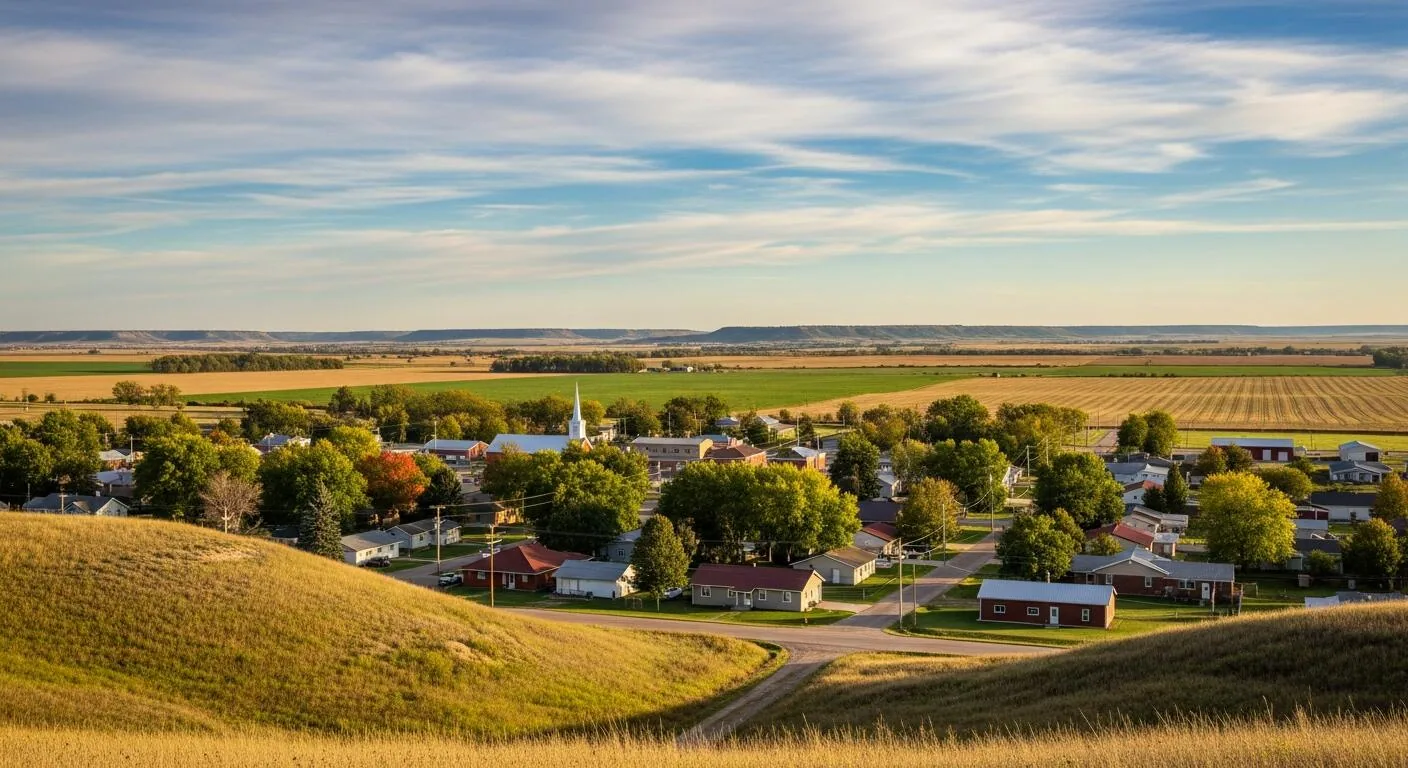
Carbondale
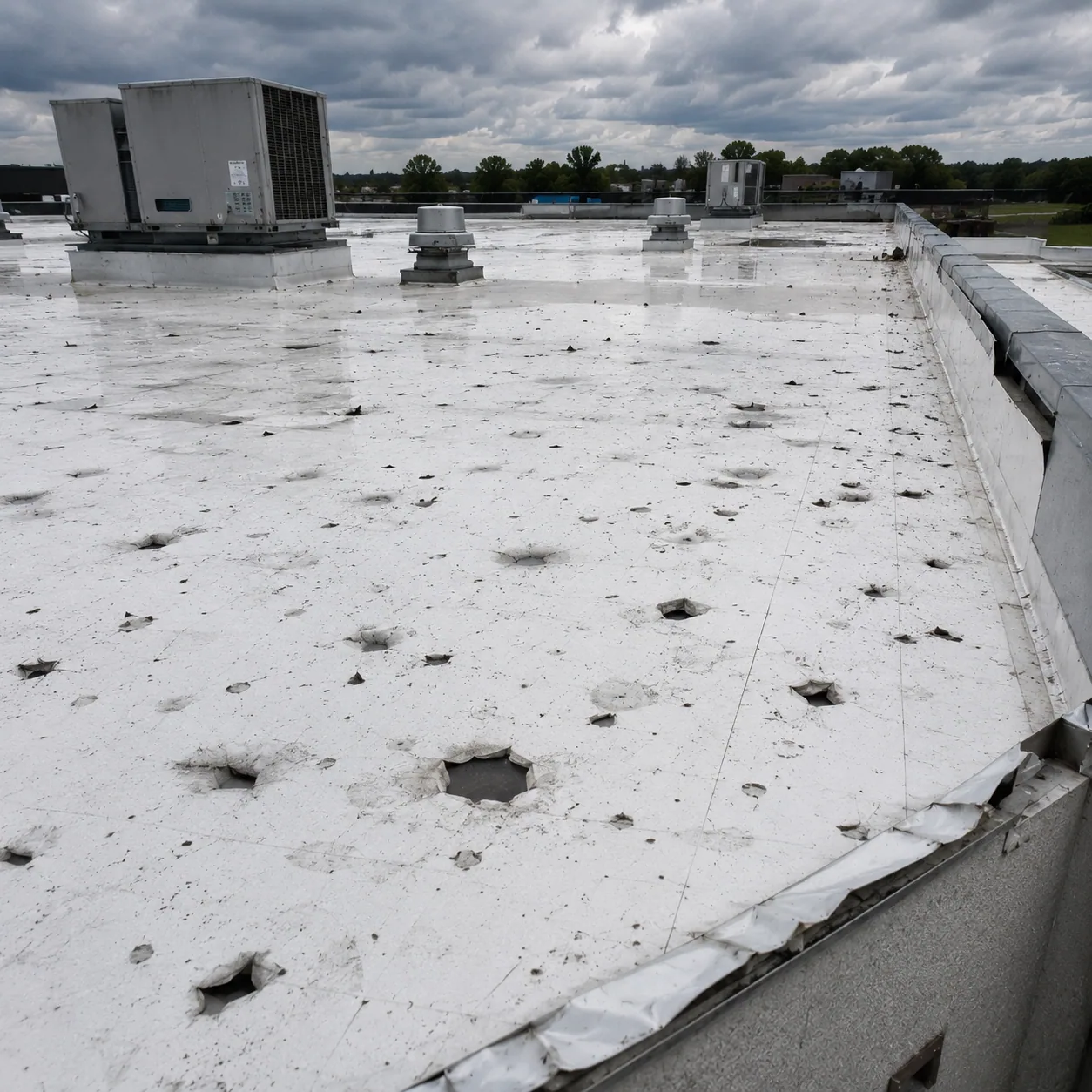
Commercial Hail Damage Roof Repair
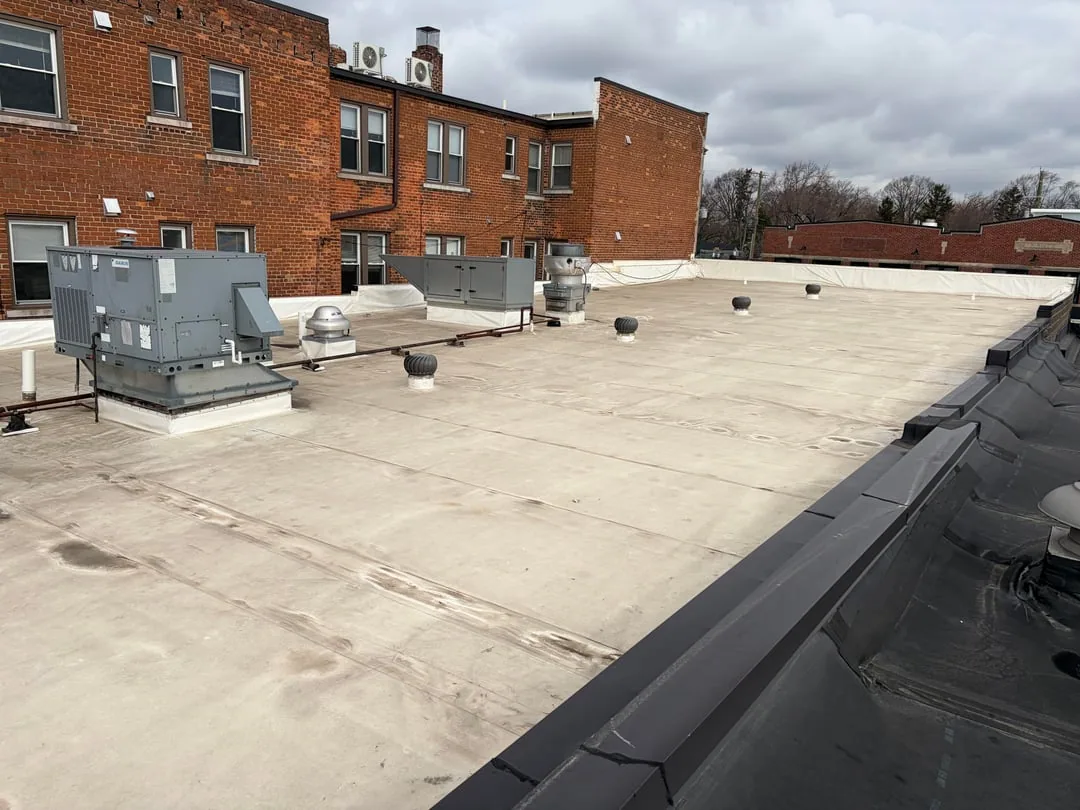
Commercial Roof Inspection
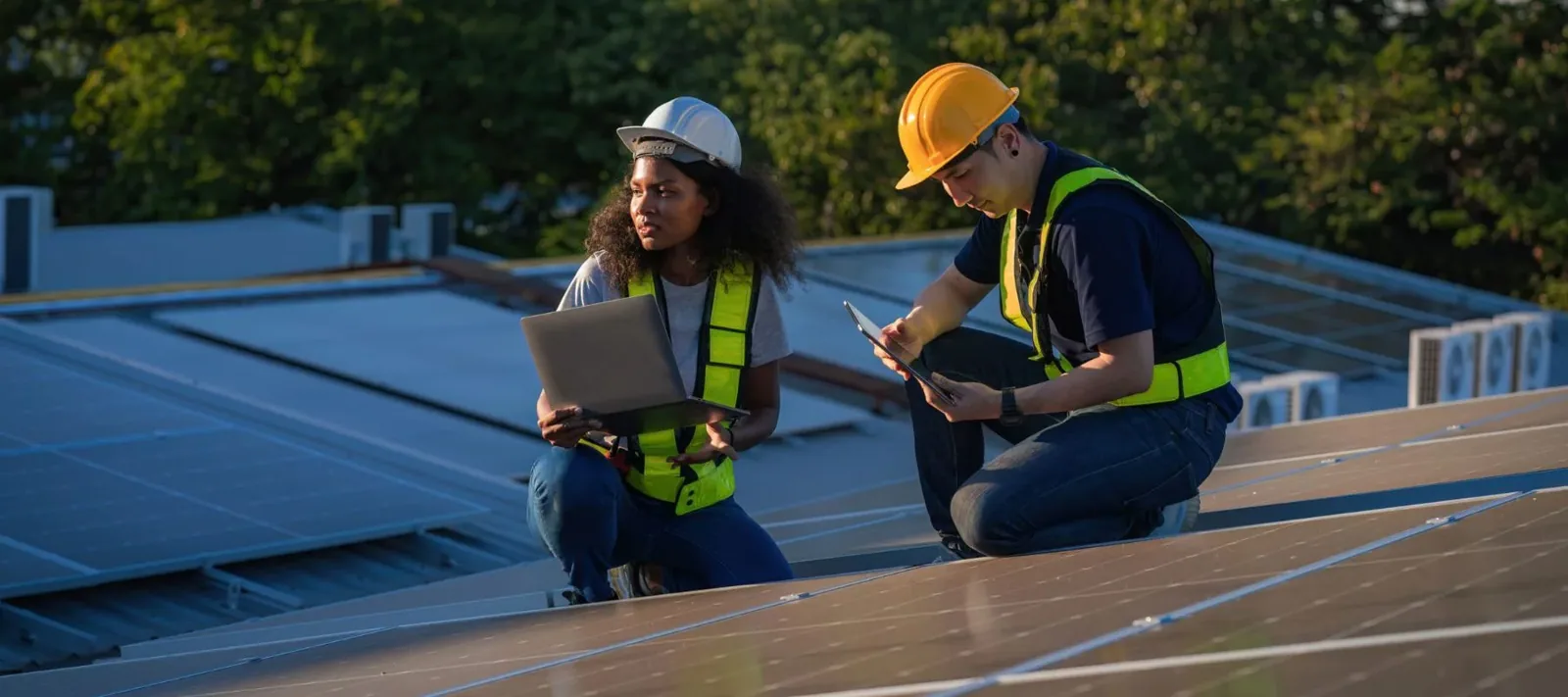
Commercial Roof Condition Reports
Plan a Silver Lake roof review
Service Area
Topeka, Auburn, Silver Lake, Carbondale, Rossville and Shawnee County, KS
Quick Contact
Email: [email protected]
Phone: 555-555-5555
Request a Roof Assessment
Share the property location, leak or maintenance concern, access rules, and available roof records. We will set the inspection boundary and document what the roof supports.