
Commercial Roofing in Civic District, Topeka, KS
Home / Service Areas / Civic District
A water path near a parapet or roof drain changes the repair boundary on a downtown building. Civic District is one of nine districts in the Downtown Topeka Master Plan, within a redevelopment area that includes office, civic, retail, and adaptive-reuse properties. That mix calls for a roof inspection tied to the actual building and its use. We document the membrane, flashing, drainage, and tested areas before pricing work. Topeka's normal annual precipitation is about 36.5 inches; warm-season thunderstorms and winter moisture test roof details in different ways. The district name alone does not tell us the roof assembly or its condition.
Field check: What sets the repair boundary?
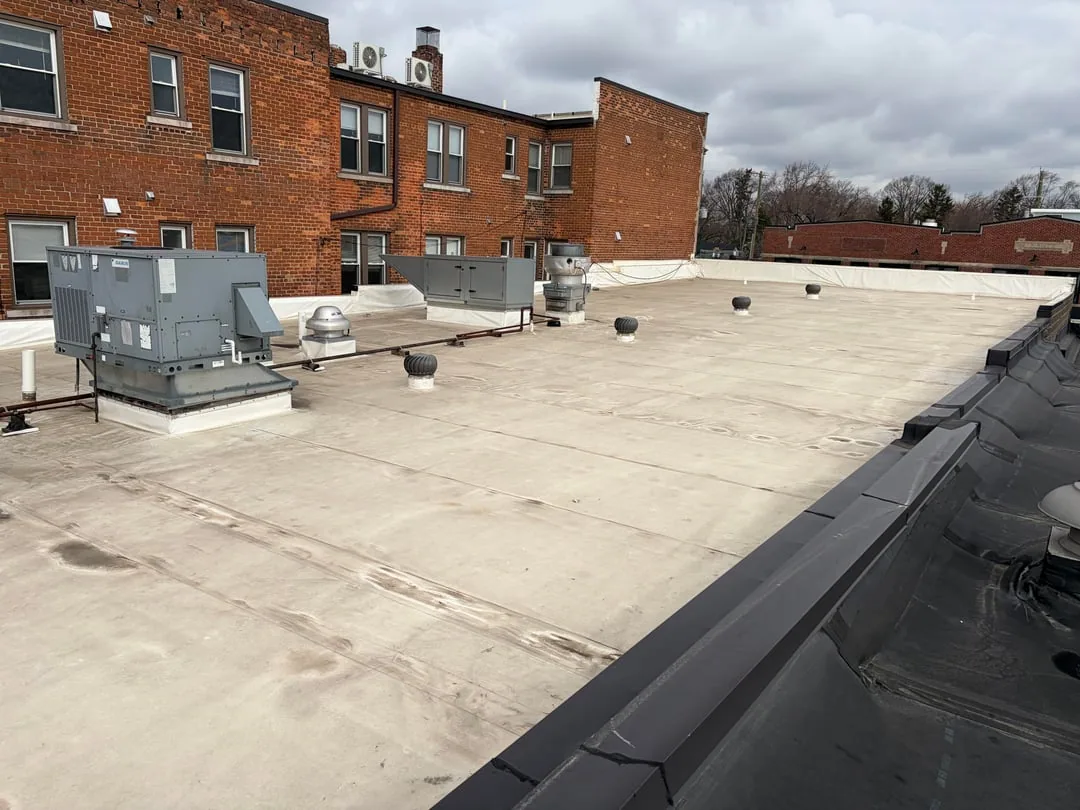
Start with the reported leak location, then trace the water path upslope and across adjoining details. We check seams, penetrations, curbs, wall transitions, drain bowls, scuppers, and visible edge metal. A ceiling mark may sit far from the opening because water can travel over a deck or along insulation. We photograph the reported area and the roof details that could explain it. If moisture testing is useful, we identify the tested section and record what the instrument found. Visible staining, soft insulation, and confirmed wet insulation are separate observations, each with a different scope implication.
For a property with public, business, or retail use, access planning belongs in the first walk. We identify safe roof access, interior areas that need protection, and any operating windows the owner gives us. A drone survey can help map inaccessible elevations, while hands-on checks are still needed at seams and penetrations. The written condition record links each photograph to a location and finding. That record gives the owner a basis to choose a focused commercial roof inspection or move directly to a repair estimate when the defect is clear.
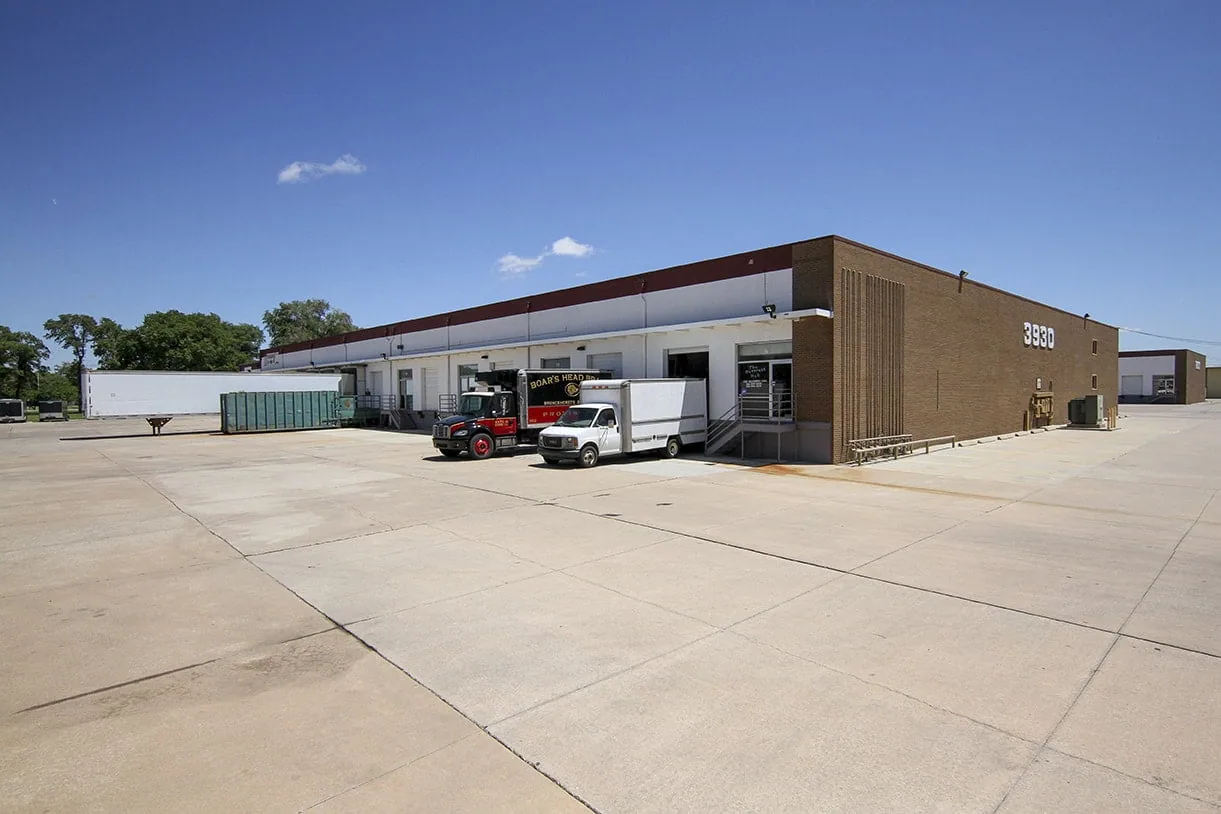
Building use: Which details need coordination?
Civic and office uses can mean different interior schedules, security procedures, and protection needs. Retail activity can add delivery hours or customer access below the work area. Adaptive reuse may involve a changed interior layout, but the new use does not establish what sits above the ceiling. We confirm occupied zones with the property contact and keep the roof scope tied to observed conditions. If a roof opening is needed, we agree on temporary dry-in steps and interior protection before cutting. The work plan should identify who can provide access and who receives a same-day update.
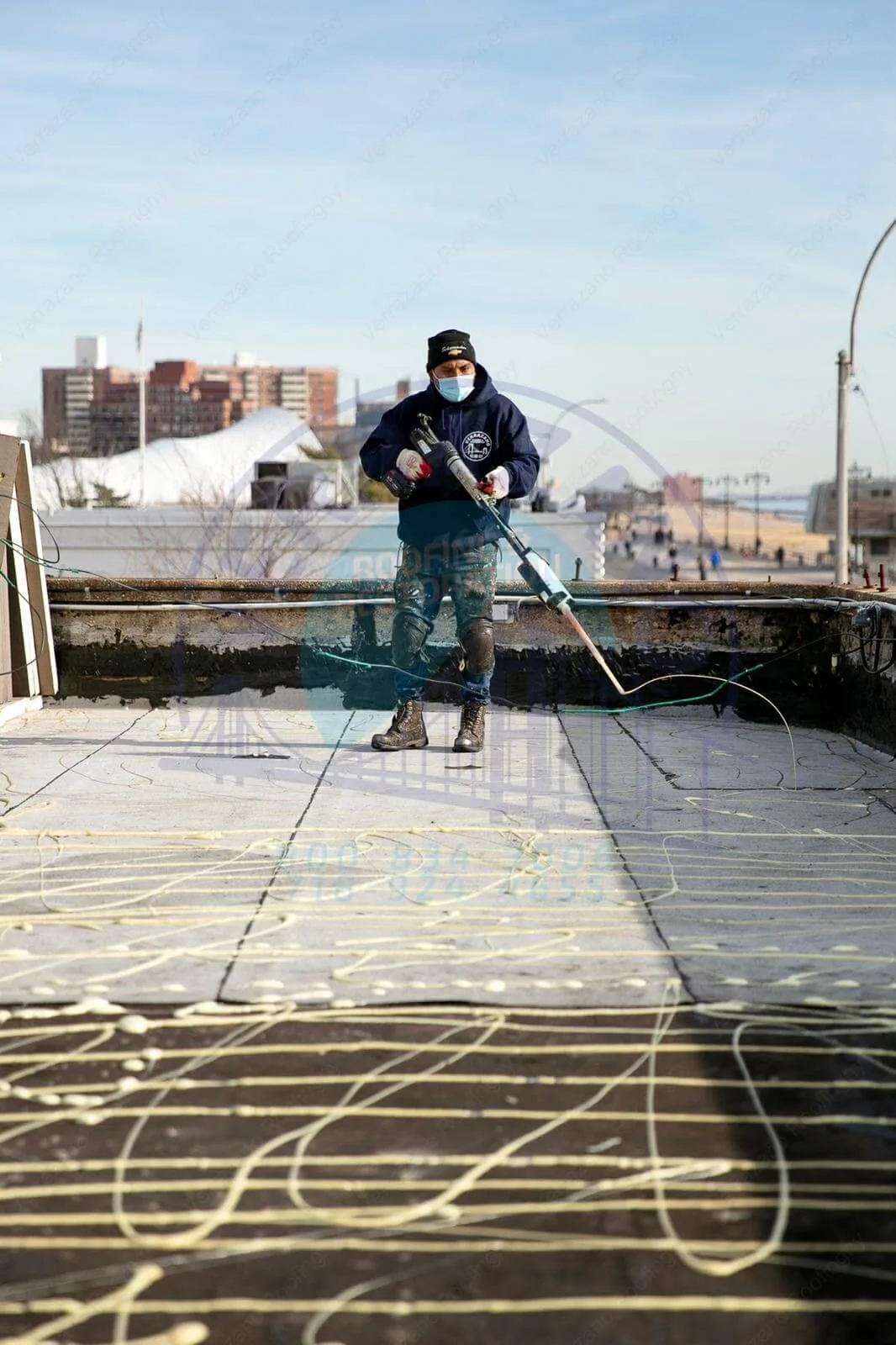
Downtown Topeka includes public destinations, businesses, retail, and entertainment. We plan staging, debris routes, and disruptive steps around approved access hours. Those choices affect duration and setup, not the repair detail itself. Owners comparing occupied-building reroofing with a repair can use one field record to understand protection and sequencing needs.
Scope and cost: What changes the estimate?
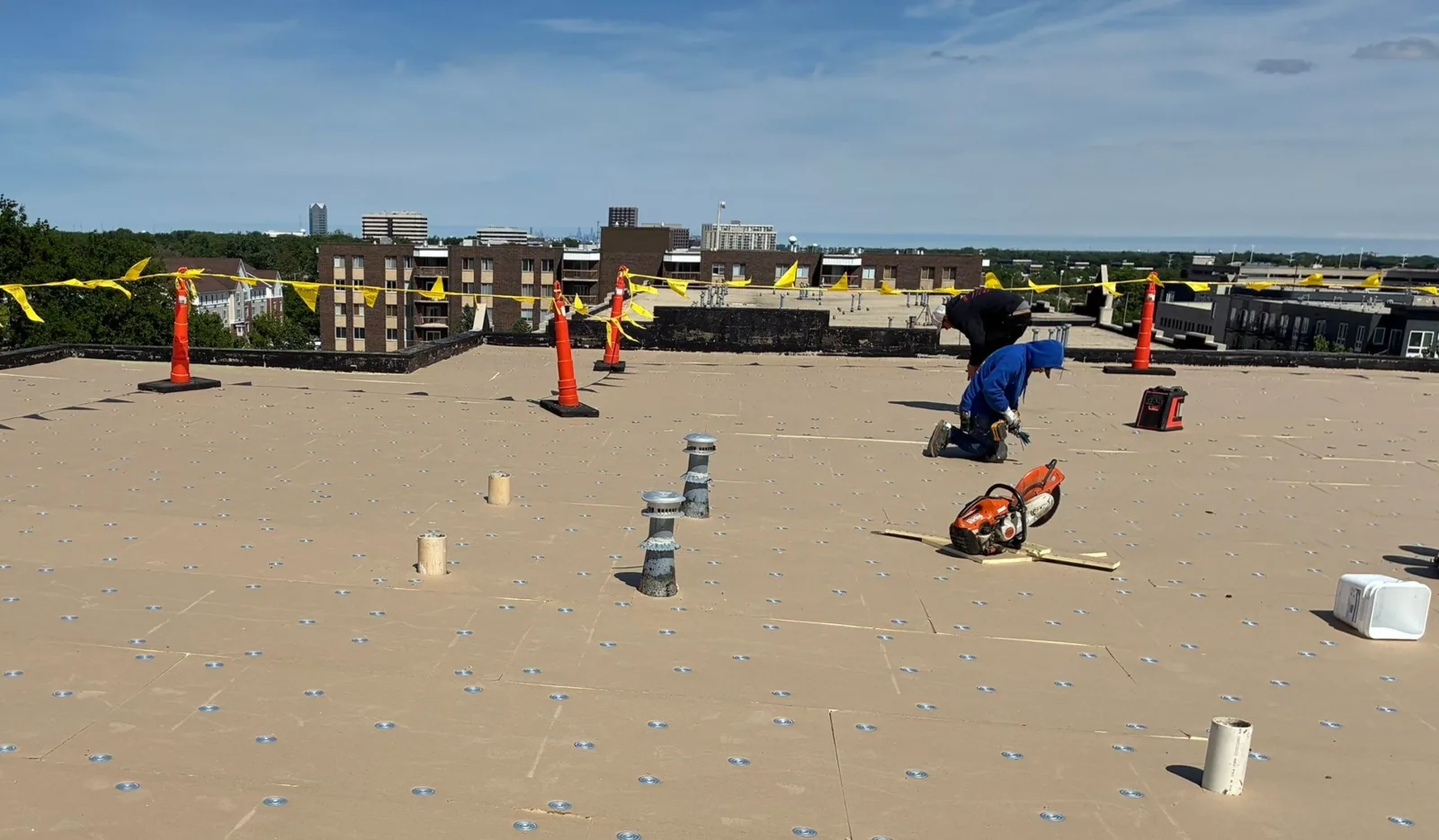
Price follows the repair area, access, assembly layers, and the amount of wet material that must be removed. A small membrane cut can expand when water has moved beneath a larger section or reached the insulation. We measure the visible defect and set a repair boundary from the evidence. Where the assembly remains dry and attached, a localized repair may be appropriate. Where testing confirms wet insulation or separation, the proposal should show the added area and explain why it belongs in the work. Material compatibility matters too: a patch has to suit the existing membrane and surface condition.
For replacement planning, we review deck conditions, insulation thickness where records or exposure allow, drainage geometry, and the locations of rooftop equipment. We compare repair, recover, and replacement only when the assembly evidence supports those options. A commercial roof repair estimate can identify immediate work separately from follow-up testing or deferred improvements. This keeps the owner decision clear. Topeka's 36.5-inch annual precipitation average is city context, not a prediction for a specific roof; it reinforces why drainage and flashing deserve attention in the inspection.
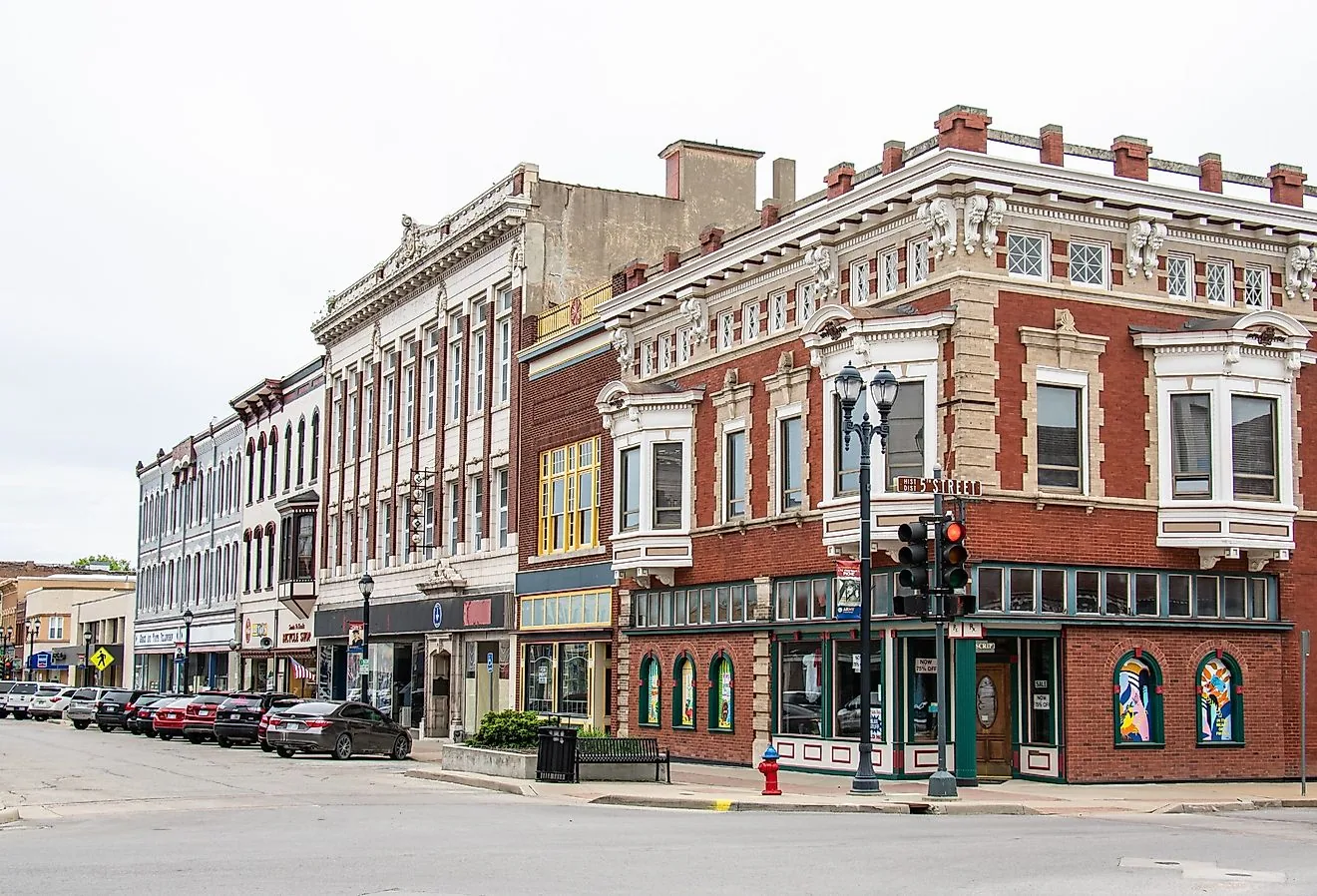
Weather exposure: What should the record capture?
The National Weather Service archive includes documented severe hail and wind events for northeast Kansas. After a reported event, we inspect exposed edges, metal details, membrane punctures, rooftop equipment supports, and transitions around walls. Hail marks on a surface do not by themselves prove a leak or justify replacement. We note the location, pattern, and any functional damage, then check the interior for related water entry. If the owner needs insurance documentation, photographs and a measured sketch can preserve the observed condition before temporary work changes it.
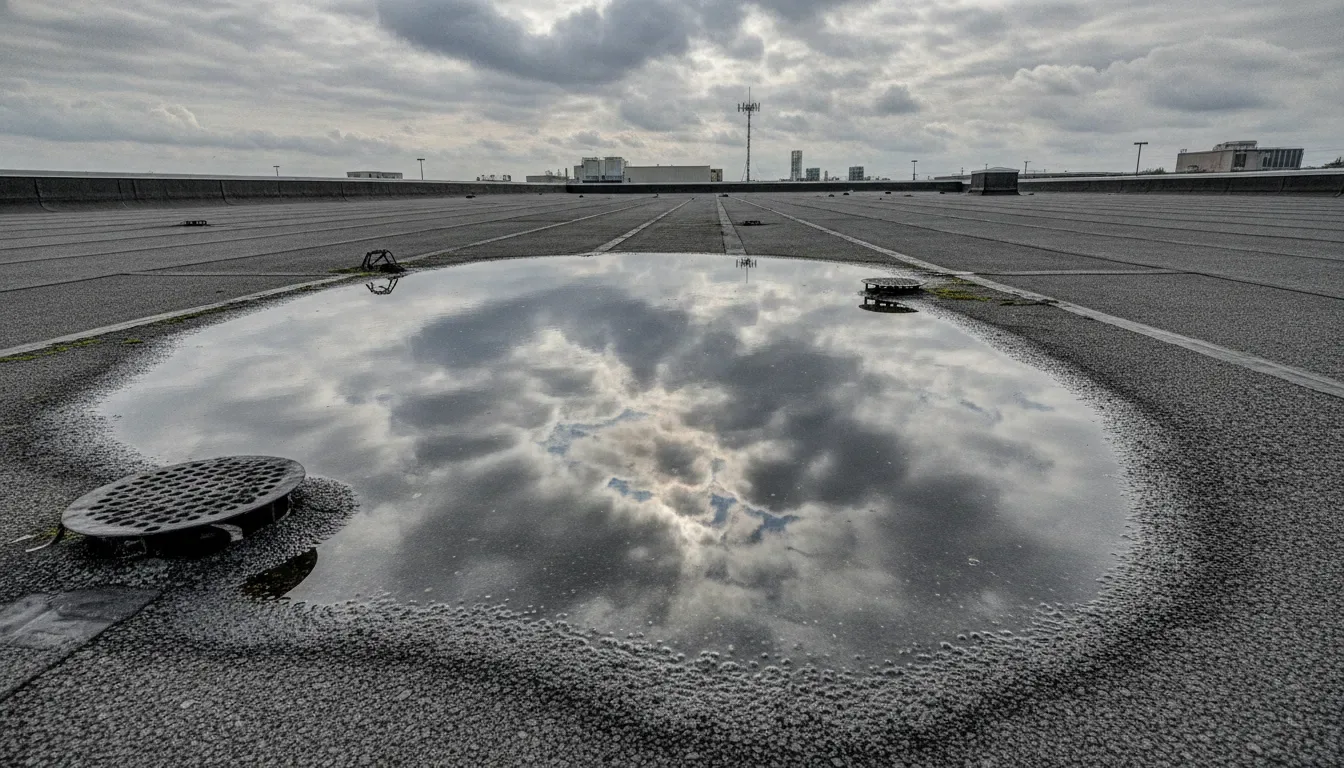
Winter precipitation adds a different maintenance question. Snow and freeze-thaw can leave water at a low area or expose a drain that does not clear as intended. We check outlet paths, bowl condition, nearby laps, and signs of recurring ponding. A ponding-water repair review should distinguish a blocked outlet from a slope or insulation issue. We can also map maintenance items for the next service visit. That gives the property manager a seasonal action list tied to actual roof locations, rather than a generic calendar reminder.
Downtown work window: How is disruption limited?
Before work begins, we confirm roof access, staging, material movement, and any interior areas that require protection. The work window may depend on tenant schedules, public entry, security check-in, or restrictions on lifts and deliveries. Those constraints set the sequence. If weather interrupts work, the crew needs a defined temporary seal and an approving contact.
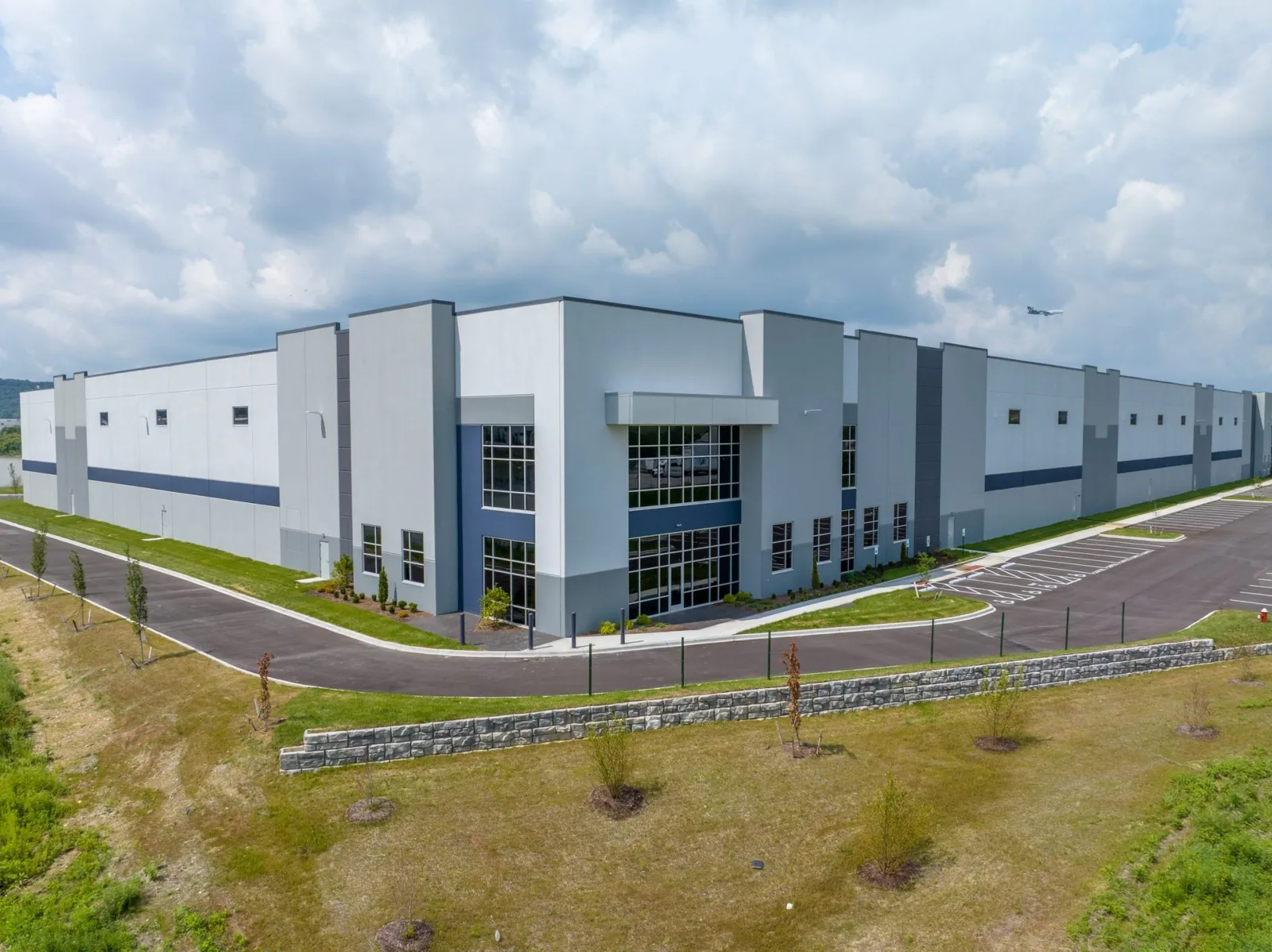
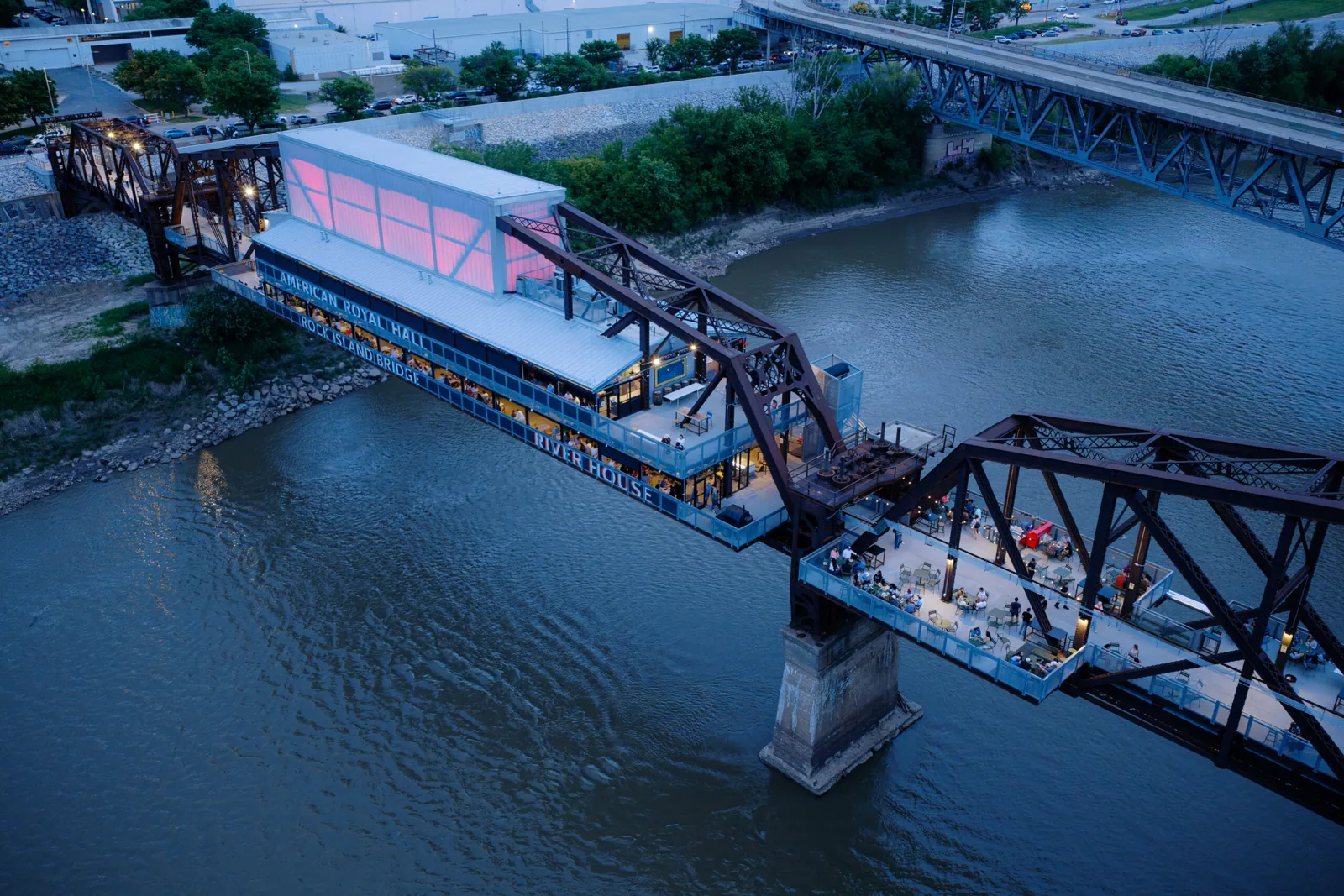
Central Crossing Commerce Park includes manufacturing and distribution uses; Harlan Industrial Park has regional road access; Stormont Vail and St. Francis are major healthcare institutions. Their operating needs differ from a downtown civic property. For a multi-building owner, multi-site roof planning keeps records and priorities consistent while preserving each address's separate scope. Nearby River-to-Rail properties and the Capitol District pose separate access questions, so each building needs its own plan.
Closeout: What should the owner keep?
Closeout should state what was repaired, where the boundary ends, and what could not be tested. We provide photographs, material notes, and any follow-up recommendation supported by the inspection. If a coating or recover option was considered, the record should explain the existing surface condition and why the proposed preparation fits. A future manager can then distinguish completed repairs from open observations. We avoid labeling a roof sound based on a single visit when concealed areas were not opened or tested.
For a roof capital file, keep the date, weather concern, access notes, marked roof plan, and repair receipt together. If a later leak appears, those details help compare the new water path with the previous work. A roof condition report can also support budgeting by separating near-term defects from maintenance and longer-range replacement needs. The useful record is specific: observed condition, tested section, repair completed, and remaining uncertainty. That is what lets an owner make the next decision from evidence.
Commercial Roofing Questions
Does the Civic District designation tell you what roof system a building has?
No. The district plan identifies a redevelopment context, not an individual building's roof age, membrane, deck, or condition. We inspect the address and review available records before recommending repair or replacement. If records are incomplete, the proposal identifies what we could verify and what remains concealed.
Can you inspect a downtown property without interrupting public activity?
Usually, the inspection can be planned around access and operating hours, but the property contact must identify restricted areas and safety rules. We confirm roof entry, interior access if needed, and any staging limits before arrival. A drone can document some elevations, while hands-on checks remain necessary for many roof details.
What would make a small leak estimate grow after work starts?
Opening the membrane can reveal wet insulation, a damaged deck, or a repair boundary wider than the visible symptom. We document that condition and discuss the added quantity before proceeding when the work is not an immediate protective step. A clear estimate separates the known repair from concealed conditions that could change the scope.
How should a hail or wind report be documented?
We record the inspection date, affected roof areas, visible impact or displacement, and related interior signs. Photographs and a marked plan help preserve the condition. Hail marks alone do not establish a leak or replacement need, so the recommendation follows functional damage and any testing.
Related Roofing Work
Commercial Roof Inspection
Occupied Commercial Building Reroofing
Commercial Roof Repair
Commercial Ponding Water Roof Repair
Multi-Site Commercial Roof Programs
River to Rail District
Set a roof inspection window
Service Area
Topeka, Auburn, Silver Lake, Carbondale, Rossville and Shawnee County, KS
Quick Contact
Email: [email protected]
Phone: 555-555-5555
Request a Roof Assessment
Send the Civic District property address, current roof concern, access contact, and any inspection or repair records. We will identify the field checks and work window needed to define the next step.