
Carlisle SynTec Roofing in Topeka, KS
Home / Roofing Manufacturers / Carlisle SynTec Roofing
An old Carlisle label narrows the record review, while the installed roof confirms whether the system is EPDM, TPO, PVC, or fleece-backed. We start at an exposed edge, drain, or existing repair and compare the field layers with the available submittal. That check sets the material question before the repair boundary is measured. Topeka's annual precipitation is about 36.5 inches, with summer storms and winter precipitation in the normal cycle. Drainage and seams deserve attention across industrial sites such as Harlan Industrial Park and institutional roofs near Washburn University. An on-site walk confirms the installed material and any changed roof sections.
System: Which Carlisle assembly is installed?
Carlisle SynTec's commercial portfolio includes EPDM, TPO, PVC, and fleece-backed single-ply systems, as well as insulation and accessories. The families differ in seam method, surface, attachment, and repair material. We confirm the assembly from records and field evidence. Fastener rows can indicate mechanical attachment; an adhered sheet may hide its method. Drawings and a selected test location can narrow the question.
A repair estimate needs the membrane type, thickness where established, backing, substrate condition, and detail configuration. A Carlisle family may include several options, so we record the basis for identification and mark uncertainty. Before a patch crosses an old repair or membrane change, we confirm compatibility. The crew's work window follows that check.
The roof zone also matters. A sheet near a drain may be affected by standing water or repeated service traffic, while a perimeter detail can face movement at the edge. At Central Crossing Commerce Park, distribution and food-production operations can set different service windows. We confirm the building’s assembly from exposed layers, records, and a marked test area before choosing a compatible repair. The owner receives a tested section map and a list of details that need follow-up.
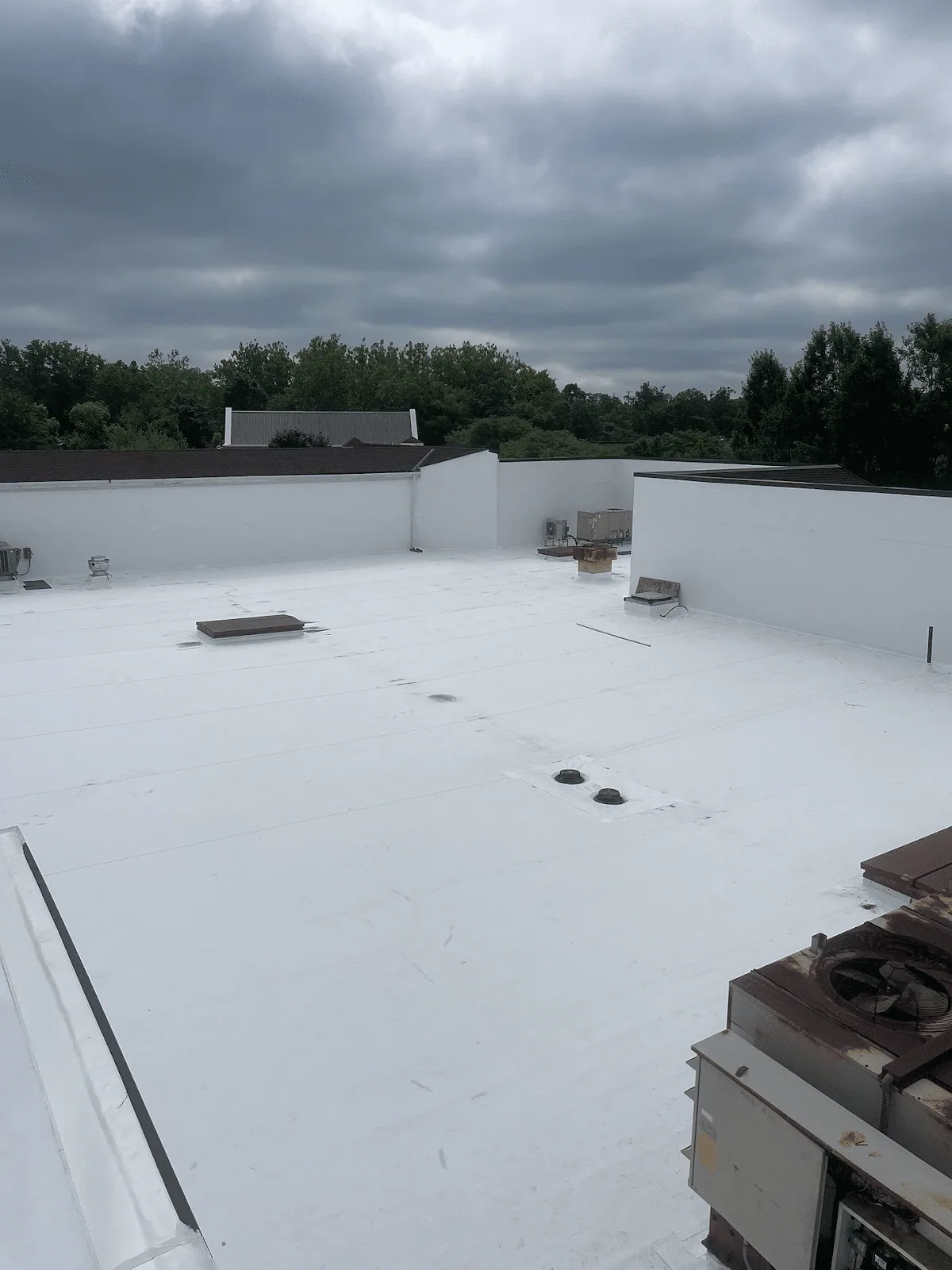
Field review: What should be checked first?
We begin with the reported leak or visible defect, then inspect the surrounding field sheet, seams, penetrations, edges, and drainage route. A seam that looks closed may still require probing; a stain below may sit away from the roof opening. We compare the suspect zone with a dry reference area and note any prior patches, loose terminations, punctures, or surface changes. A commercial roof inspection maps which sections were reached and which stayed outside the visit.
Moisture is a separate question from membrane condition. A visual review can show a bubble, split, or displaced detail but cannot confirm the full extent of wet insulation. Infrared screening or test cuts may help define the wet area when conditions support those methods. The report identifies the test location and result, then distinguishes tested dry material from areas not opened. Wet insulation can expand the repair to sound material. A dry test may support a focused surface repair.
Drainage observations also affect timing. Topeka gets both warm-season thunderstorms and winter precipitation, so we note drain bowls, leaders, low areas, and the condition after an outlet clears. We do not label any temporary water as a membrane failure without examining the path. The scope can include drain cleaning, slope correction, or membrane work only where inspection supports it. For an owner who needs a record beyond a service ticket, a dated condition record keeps photos, measurements, tested areas, and open assumptions together.
Repair options: When does a patch make sense?
A compatible Carlisle repair can address a bounded puncture, separated seam, or failed flashing where surrounding material remains suitable. The repair method follows the membrane family and detail. We prepare the area, remove loose material, install the specified patch or flashing, and inspect the finished edge or weld. The estimate states the repair dimensions and whether concealed insulation has been tested. An unbounded condition, brittle membrane, repeated failures, or extensive wet insulation may point toward a larger section replacement rather than another local patch.
EPDM repairs generally rely on compatible adhesives and tapes; thermoplastic membranes use heat-welded seams and compatible membrane details. The repair must match the installed system. We restore the actual transition at a curb, parapet, drain, or metal edge, then record preparation, material, roof zone, and closeout photos.
Owners weighing options can compare an existing Carlisle system with GAF membrane comparison or a Johns Manville assembly options, while keeping the present roof condition as the decision point. The comparison does not imply that one membrane suits every deck or building. A recover assessment may be appropriate when the existing layers and code constraints allow it, but moisture and attachment still need review before new material covers the roof.

Coordination: What sets access and schedule?
Roof access, lift placement, occupied spaces, equipment shutdowns, and weather determine the practical work window. At a light-industrial site near Harlan, rail, highway, or airport connections describe the park setting, but the building operator sets actual gate and staging rules. We confirm those requirements with the owner before a crew is dispatched. At Washburn University, the 1966 tornado damaged or destroyed every campus building. Topeka’s 1966 tornado is part of the area’s severe-weather history. After a current storm report, a storm damage inspection records the affected roof zones and the conditions that support repair.
For occupied properties, we plan protection, delivery, noise periods, and daily dry-in. We agree on test-cut location before opening the roof. Rain or winter footing can move the work window, so we explain weather-dependent steps and suitable temporary protection.
Prior proposals, maintenance logs, product submittals, and photos can shorten the initial review. We connect each record to the roof zone and date, and we separate historical observations from current inspection results. A phased occupied-building plan can coordinate repairs across departments or tenants. For multiple buildings, the address, system identification, and owner approval remain separate so one roof's scope is not copied to another.
Decision: What belongs in the owner's comparison?
The owner compares repair, monitoring, and replacement against the same roof-zone map. We show tested moisture, visible damage, access, quantity, and conditions that could change after opening. The proposed scope identifies membrane, attachment, insulation assumptions, transitions, and drainage. Warranty terms stay tied to submitted documents.
Cost and timing can shift with roof height, staging, substrate repair, edge metal, drain work, the amount of wet insulation, and protection for occupants or equipment. We separate those items so an owner sees what drives the range. A roof capital discussion may compare a small immediate repair against a planned project if failure frequency or tested moisture is increasing. A capital plan can track the observation date and uncertainty instead of treating an old estimate as current condition.
For a site in Topeka, send the property address, current concern, access contact, and roof records. We can inspect the affected zone, identify what is known about the assembly, and describe the next decision in field terms. If a Carlisle system is confirmed, the repair scope can then name compatible work and its tested limits.
Commercial Roofing Questions
How do you tell which Carlisle membrane is on our building?
We compare submittals and closeout records with visible sheet, seam, attachment, and flashing details. When product identification remains uncertain, we describe the membrane family and list what needs field confirmation.
Can Carlisle EPDM and TPO use the same repair material?
No, the repair method follows the installed membrane. EPDM and thermoplastic sheets use different compatible materials and seam methods. We identify the roof before preparing a repair specification.
Will a leak inspection include wet-insulation testing?
That depends on the agreed inspection scope and roof conditions. We can use suitable scanning or test openings to check selected areas, then map the tested boundary separately from areas left concealed.
Does Topeka's storm history prove hail damaged my roof?
It shows regional exposure, not a finding at your address. We document impact marks, membrane condition, accessories, and any interior report, then distinguish storm evidence from older wear.
What records should I provide before a Carlisle repair visit?
Send the address, leak location, prior repair dates, available product submittals, roof plans, and the access contact. Those records help us confirm the assembly and schedule the right inspection.
Related Roofing Work
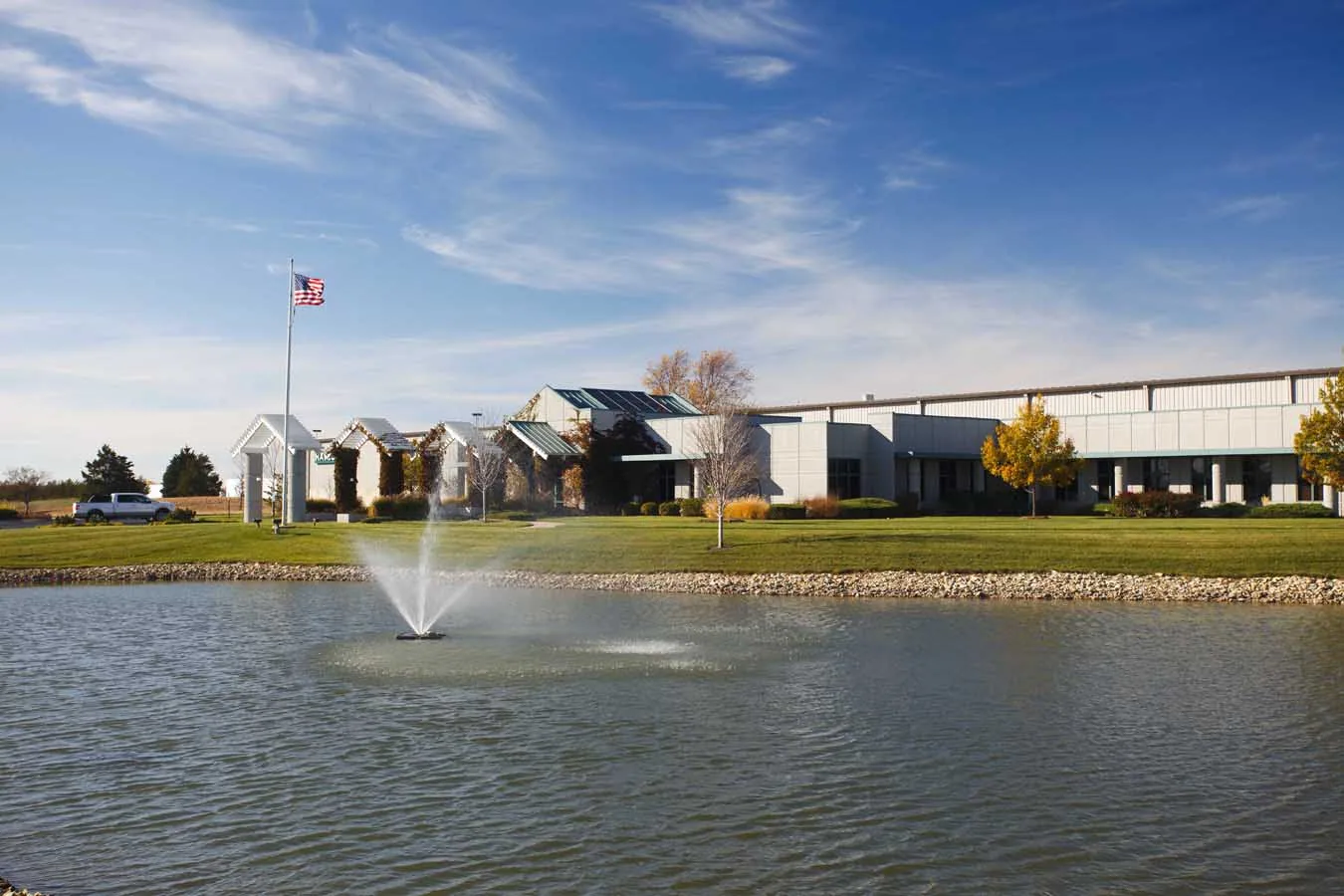
Harlan Industrial Park
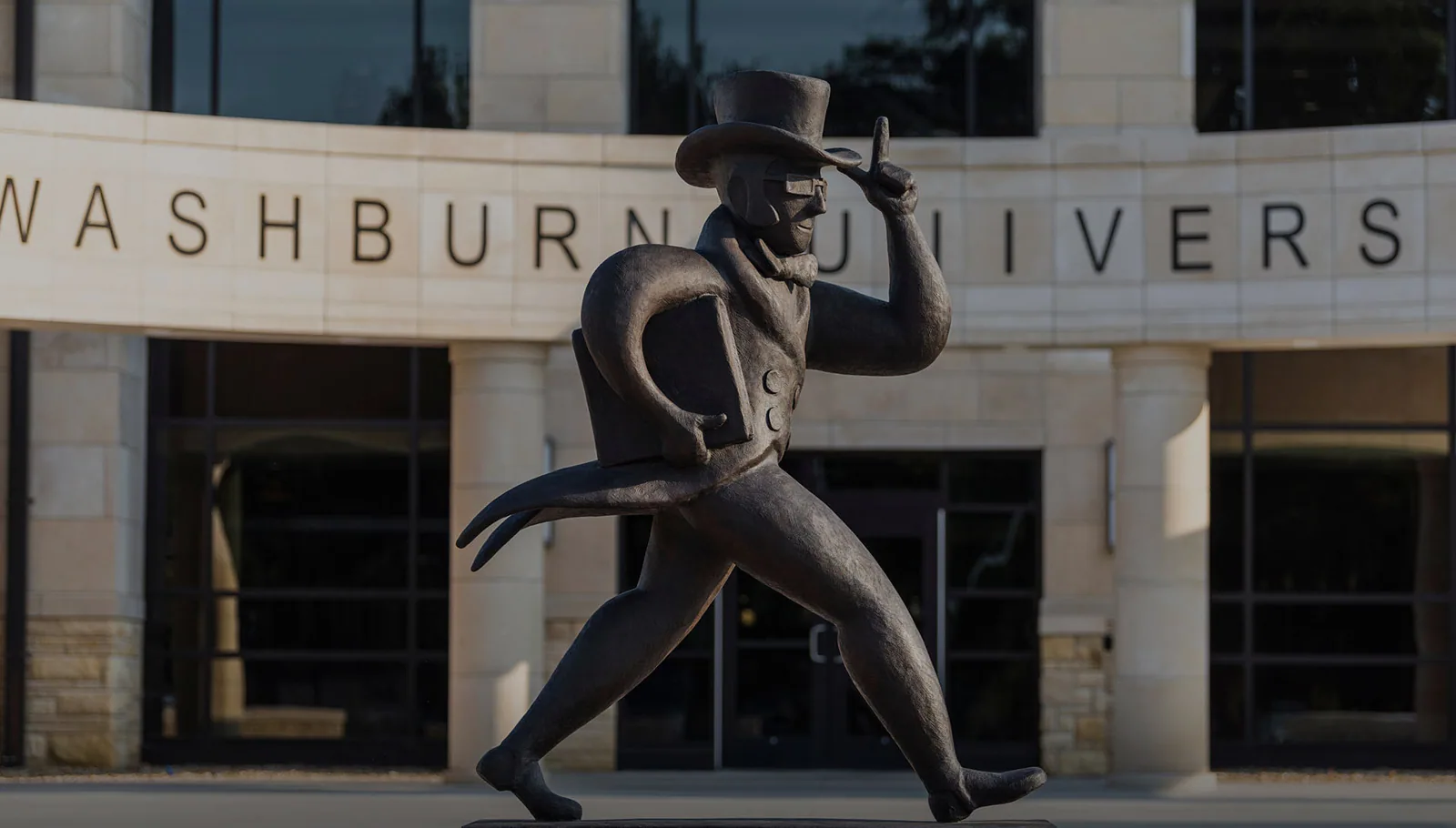
Washburn University
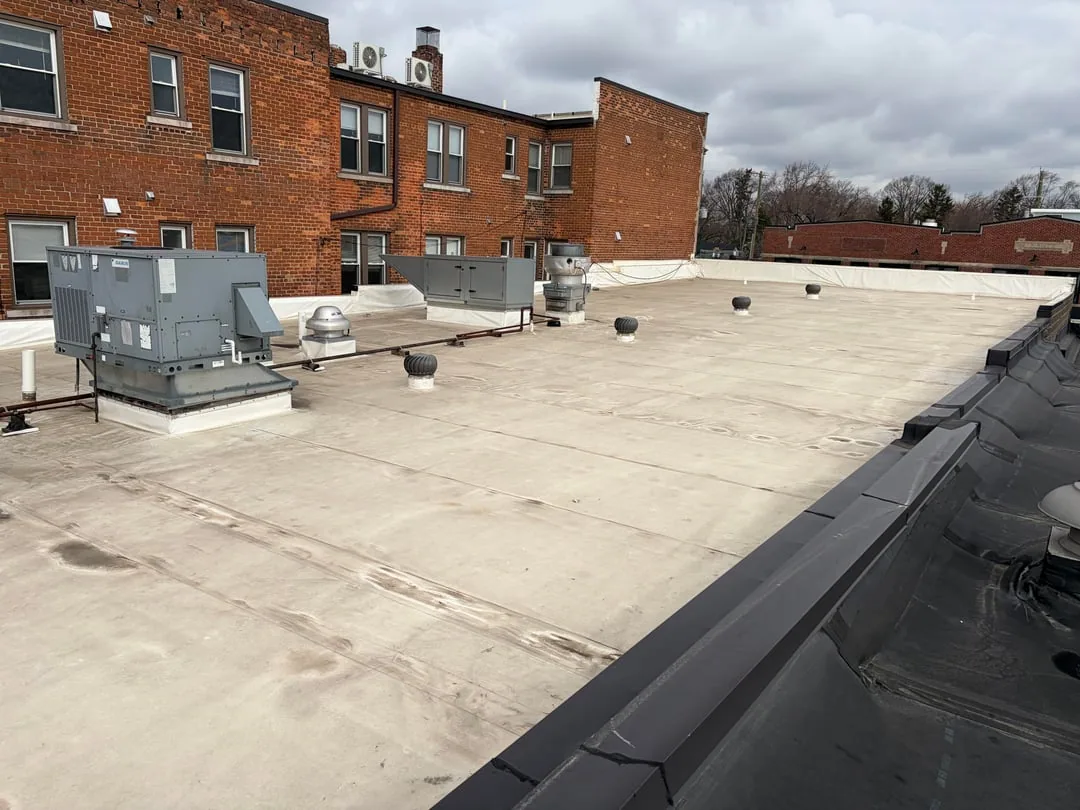
Commercial Roof Inspection
GAF Commercial Roofing
Johns Manville Commercial Roofing
Storm Damage Roof Repair
Confirm the assembly before repair
Service Area
Topeka, Auburn, Silver Lake, Carbondale, Rossville and Shawnee County, KS
Quick Contact
Email: [email protected]
Phone: 555-555-5555
Request a Roof Assessment
Provide the Topeka property address, access contact, current roof concern, and Carlisle records. We will inspect the affected section, record tested conditions, and identify the repair boundary and work window.