
Johns Manville Commercial Roofing in Topeka, KS
Home / Roofing Manufacturers / Johns Manville Commercial Roofing
A Johns Manville product name in a maintenance file is a starting point, not proof of the membrane now in place. We check the sheet, seam, attachment clues, and previous repair area before specifying material. JM's commercial portfolio includes TPO, PVC, and EPDM, with separate details and insulation products. The assembly and tested section set the boundary. Topeka has recorded hail and wind events, and operators in the North Topeka US-24 industrial corridor or the East Topeka service area may have distinct access procedures. The property contact confirms those rules. A local storm report helps explain why an inspection is requested, but the roof provides the evidence.
Selection: What does the JM record establish?
Johns Manville publishes commercial roofing specifications and details. We select the relevant document by membrane and assembly, then compare submittals, labels, and invoices with the exposed roof. Later work may have changed a section, so we map its existing and replacement material before patching.
JM's TPO and PVC membranes use thermoplastic seams, while EPDM is a different membrane family with different repair procedures. The product type, surface, backing, attachment, and condition all matter. We avoid naming a specific product where available evidence supports only a general system description. When a record or detail confirms the product, we use that information in the scope and cite the submittal in the project record. If it does not, we identify the field check required before ordering a repair roll or flashing piece.
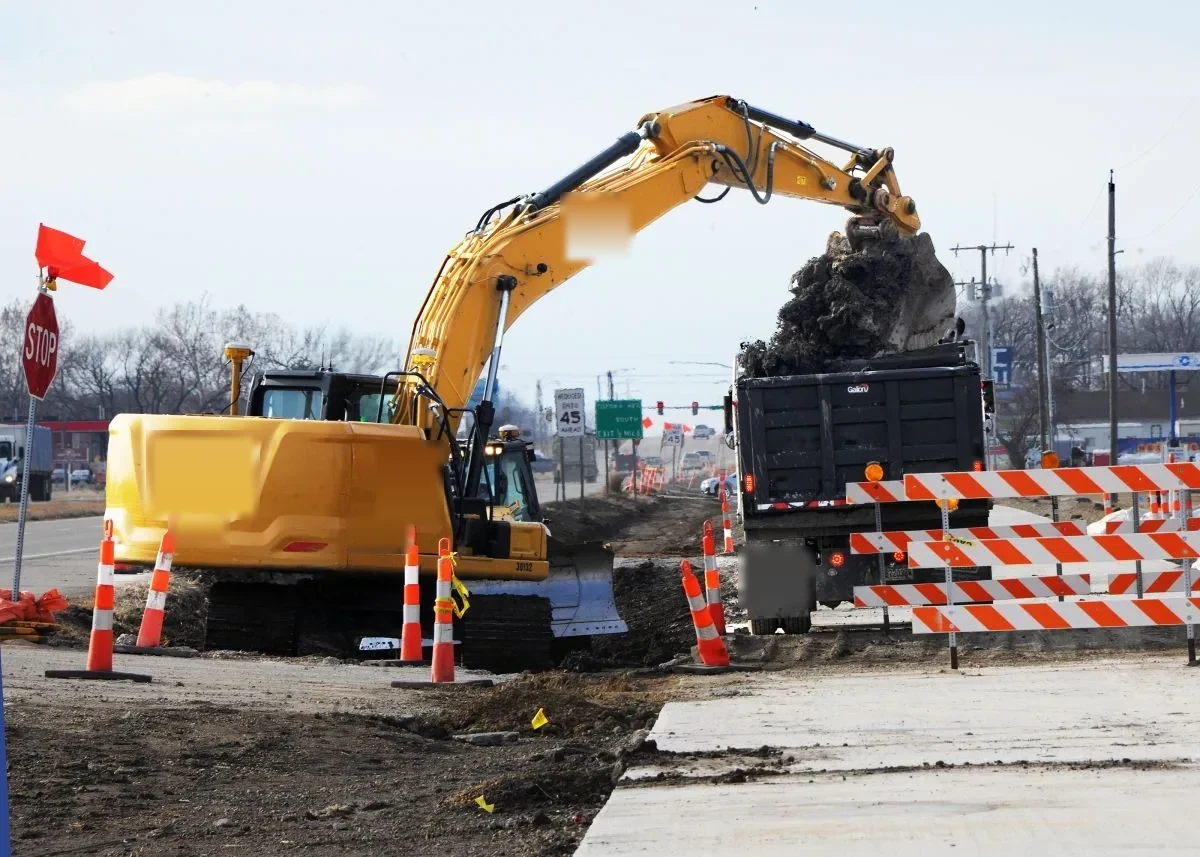
Manufacturing operations in the North Topeka US-24 industrial corridor may require scheduling around process rules. The Central Crossing Commerce Park has a separate industrial setting; the property contact provides the applicable access procedure. Philip Billard Airport has tenants including aircraft storage, flight instruction, and a corporate hangar, each with its own property control. Each roof and property contact still determines the inspection and access plan. Our roof inspection records the address, access route, roof zone, and system clues without assuming a gate or escort policy. The owner gets a basis for deciding whether a focused test or additional record search is worth doing.
Condition: Where does the assembly break down?
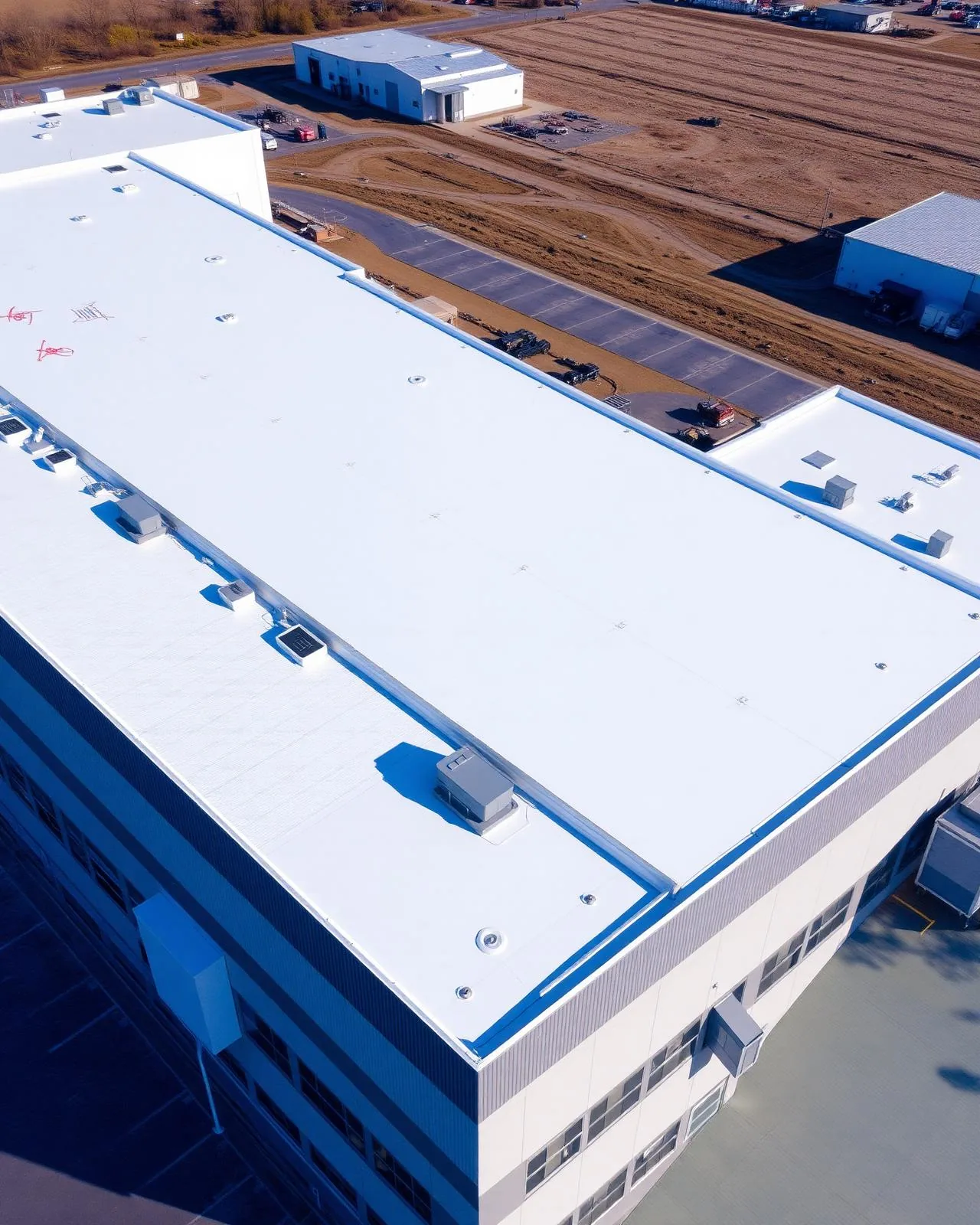
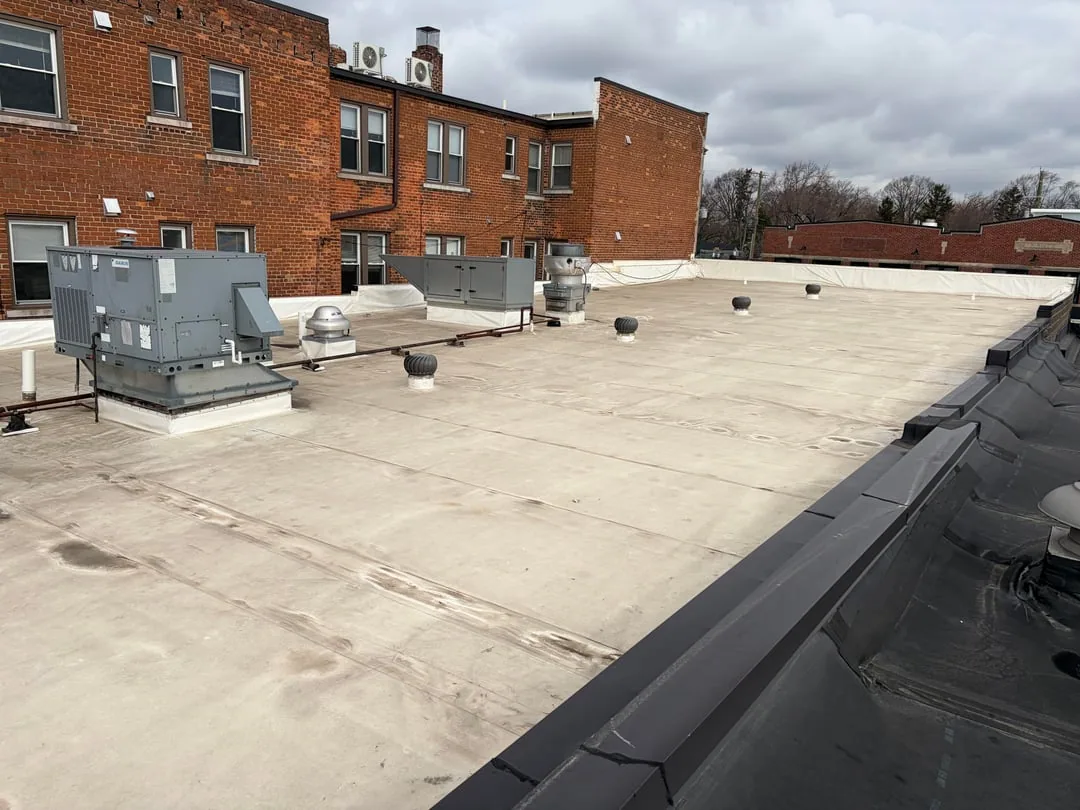
We inspect field seams, end laps, corners, penetrations, curbs, drains, edge terminations, and previous patches. A probe can locate a loose seam edge; photographs show its position relative to roof features. We compare adjoining material before fixing the boundary. Brittle sheet or a moving substrate may rule out a surface patch, so we state when a detail needs opening.
Topeka's roughly 36.5 inches of average annual precipitation includes warm-season storms and winter precipitation. We check where water enters the assembly, where it travels, and whether a drain bowl or low area remains wet after an outlet clears. A roof's local rainfall history does not show whether insulation is wet at one building. Scanning or test cuts can answer that question in selected locations. A test map labels areas inspected, test readings, and any section that remains unknown. A condition report keeps that evidence with dated photos and repair history.
Downtown public offices and airport tenants may have different access procedures. The property contact confirms deliveries, lifts, and shutdowns. Any drain or penetration we could not reach stays listed as an inspection limit.
Repair: How is compatible work scoped?
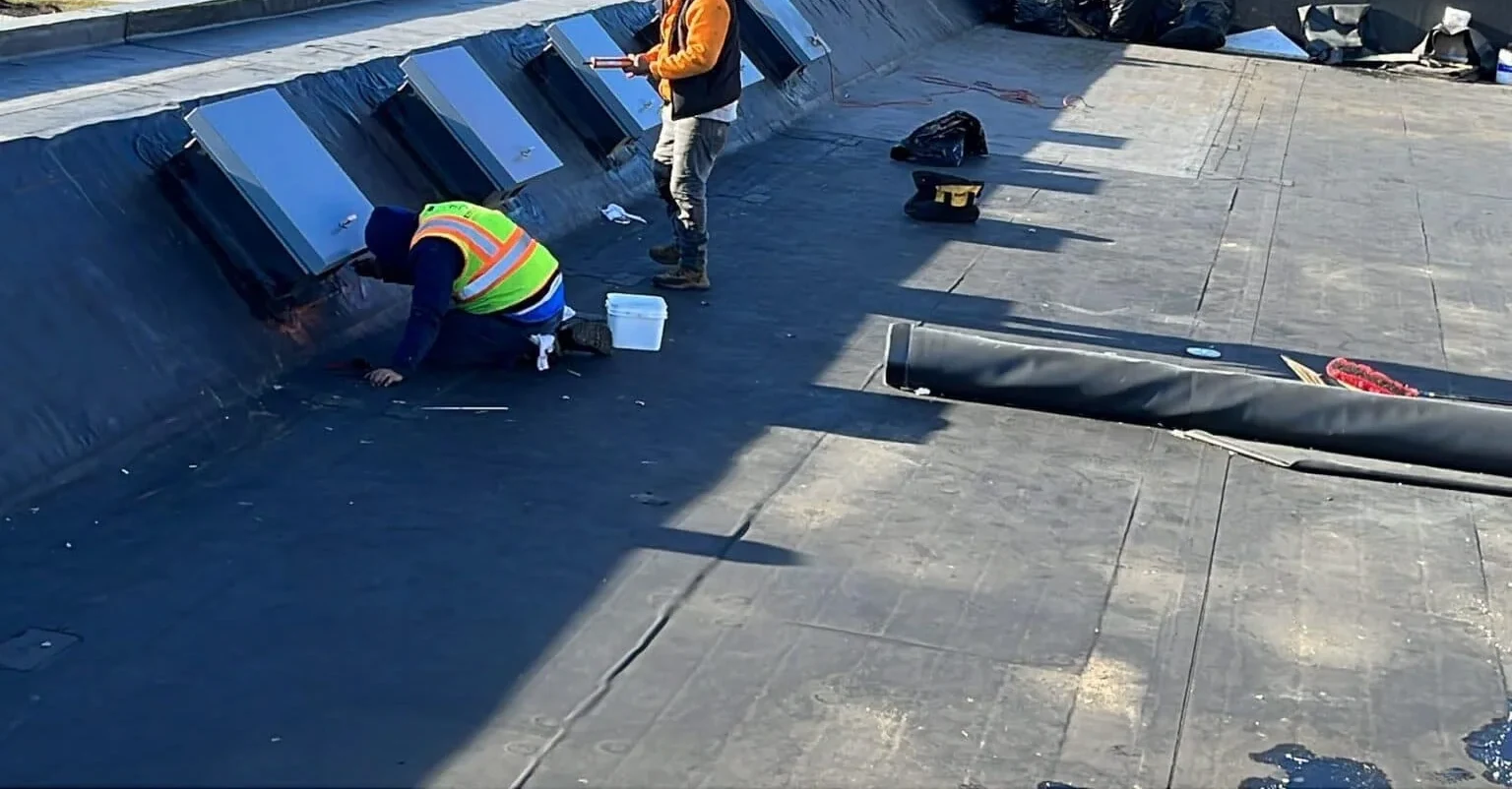
Once the membrane is identified, we select a repair method that suits the sheet and detail. Thermoplastic repairs require proper surface preparation and heat-welded seams. EPDM repairs use compatible primers, tapes, or flashing components where specified. We prepare to a sound boundary and inspect the finished work. Closeout photos identify the roof zone, material family, and measured size. Unconfirmed membranes stay labeled by system type.
Repair scope also includes insulation and deck conditions when they affect the work. If moisture testing finds wet insulation, the measured repair may extend to dry material or require a larger section replacement. If the test finds no moisture and the defect is isolated, a smaller repair can be compared with monitoring. We keep the quantities separate and state what could change once a layer is opened. When repeated leak calls trace to a curb or edge transition, we include that connection instead of applying a field-sheet patch alone.
For owners comparing systems, a Carlisle EPDM system review and a GAF membrane comparison can clarify repair differences. The installed deck, drainage, use, and access still control selection. A replacement scope should include insulation, cover board, transitions, perimeter details, and disposal assumptions. Product literature can help confirm details, but it does not establish warranty eligibility, future performance, or a specific project approval.
Work window: What changes the schedule?
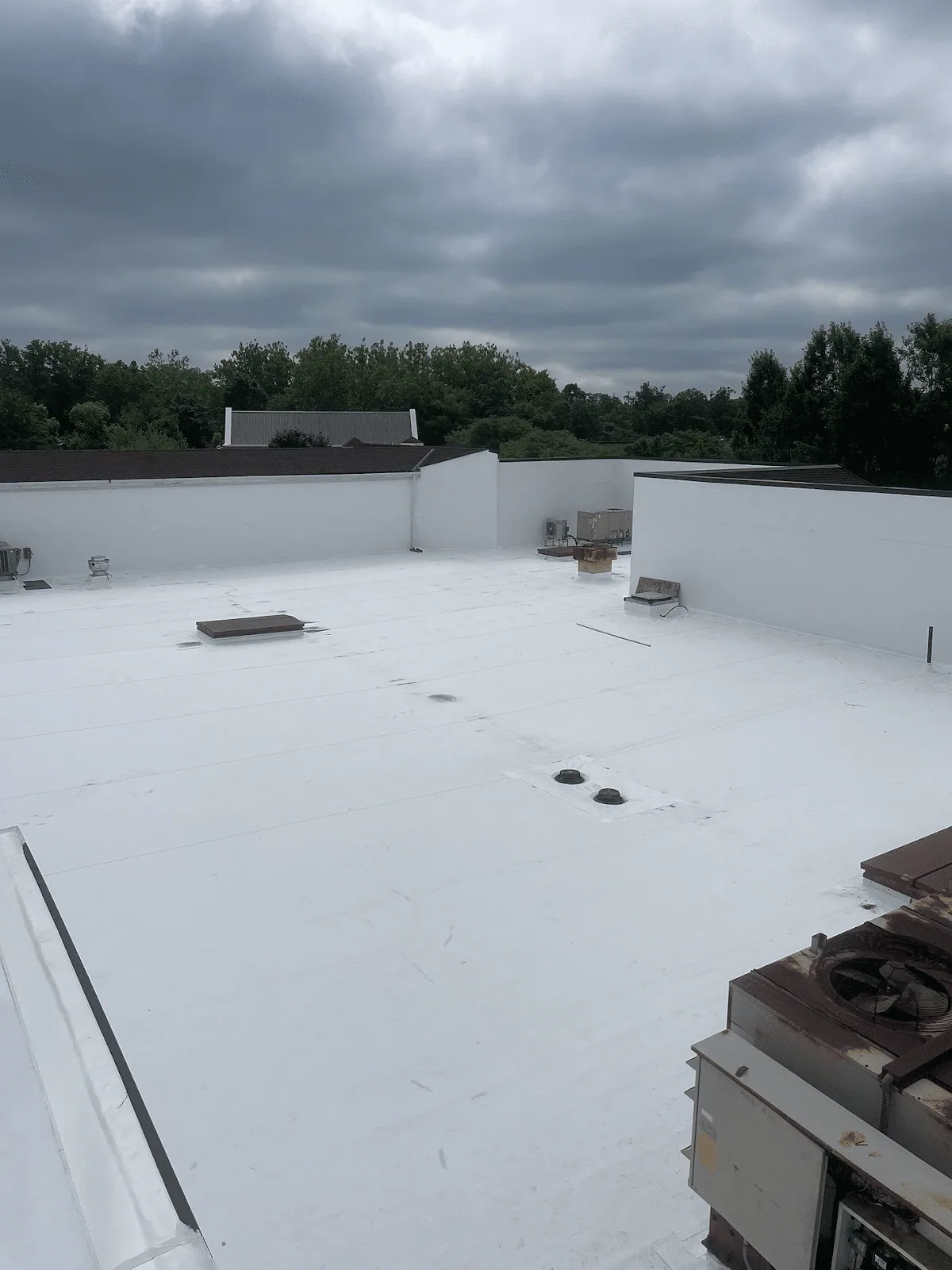
Access and weather usually set the practical sequence. We confirm who can release the roof, where material can be staged, whether an escort or lift is needed, and whether the area below needs protection. Goodyear's plant address and Philip Billard's tenant uses are useful location context, while actual site rules must come from the property representative. Topeka's hail and wind archive can prompt an inspection after a reported event; it does not establish damage or direct a repair method. A storm inspection maps address-level findings and separates them from ordinary wear.
Rain, wind, or winter footing can shift membrane work and safe access. We list weather-dependent steps and temporary protection. On an occupied building, noise, delivery, barriers, and cleanup follow the operator's hours; a short access period may require a return visit.
Records help reduce a second visit. Send the building address, current leak location, previous work tickets, roof plan, product submittal, and access contact. We connect each document to the roof zone and date, so historic notes do not replace current inspection. A phased work plan can sequence repairs around tenants or ongoing operations while preserving safe access below.
Owner review: Which facts belong in the decision?
The decision sheet should distinguish what we saw, what we tested, what remains concealed, and what assumptions drive quantity. The owner can compare a local repair, further testing, and replacement without treating each option as equally supported. We identify the system as documented, observed, or still unconfirmed. Access, height, staging, wet insulation, edge metal, drains, and protection requirements can change cost and timing. Separate quantities show which condition drives each part of the estimate.
For longer-term planning, the repair record should include photos, test points, repair boundary, date, and follow-up recommendation. A roof capital review can group those observations by section and show where added testing could change the project year. We do not treat a manufacturer brochure or past submittal as a current-condition report. Each planned action should link to the evidence that supports it.
When requesting a Topeka inspection, provide the address, reported condition, access contact, and any available JM documents. We can review the roof section, verify the system clues, and explain the work boundary. The owner receives a practical next step: repair, test, monitor, or price a larger scope.
Commercial Roofing Questions
Does a Johns Manville label confirm which membrane is installed now?
It confirms a record or component, not necessarily every roof section. We compare the submittal with the current sheet, seams, and previous repairs, then identify any location that needs confirmation.
Can you repair JM TPO, PVC, and EPDM roofs?
We repair these membrane families using methods compatible with the installed system. The first step is confirming the sheet and detail, because thermoplastic welds and EPDM repair components are not interchangeable.
Will a Topeka hail or wind report tell you what repair to make?
It can provide event context, while the building inspection determines the scope. We record impact or displacement evidence, membrane condition, and tests before recommending repair or replacement.
What if our old submittal is missing?
We use available invoices, roof details, exposed edges, seam characteristics, and a selected test area to identify the assembly. The report marks what remains uncertain instead of guessing a product name.
How do you plan repairs at an operating property?
We confirm the owner's access, staging, work-hour, and protection rules. The estimate identifies weather-dependent tasks and whether a short access period can complete the repair or only the inspection.
Related Roofing Work
North Topeka US-24 Industrial Corridor
East Topeka
Commercial Roof Inspection
Carlisle SynTec Roofing
GAF Commercial Roofing
Commercial Roof Replacement
Verify the roof record
Service Area
Topeka, Auburn, Silver Lake, Carbondale, Rossville and Shawnee County, KS
Quick Contact
Email: [email protected]
Phone: 555-555-5555
Request a Roof Assessment
Send the Topeka address, roof concern, access contact, and any Johns Manville submittal or repair history. We will inspect the section, record system evidence, and define the next owner decision.