
Holcim Elevate Roofing in Topeka, KS
Home / Roofing Manufacturers / Holcim Elevate Roofing
A Firestone-era closeout file may use names that have changed, but the membrane and detail on the roof still control the repair. Holcim Elevate's current roofing line includes EPDM, TPO, PVC, asphalt, and metal products. We identify the installed system before selecting a repair material or comparing replacement options. Topeka's winter precipitation and roughly 36.5 inches of annual precipitation put drainage on the inspection list. At Central Crossing Commerce Park, industrial and distribution operations create building-specific access questions. A property in the River to Rail District may have a different staging setting. The address and roof evidence set the scope.
Portfolio: Which Holcim system is on the roof?
The portfolio includes RubberGard EPDM, UltraPly TPO, and PVC single-ply systems. The brand's broader portfolio also includes asphaltic and metal roofing. Those are product families, not full assembly descriptions. We confirm membrane, backing, attachment, insulation, flashing, and previous repairs from records and field conditions. An invoice may not show later section work.
EPDM, TPO, and PVC differ in seam construction and compatible repair materials. Thermoplastic sheet seams are welded; EPDM details use their own adhesives, primers, tapes, and flashing. The roof may also have details from different installation periods. We check the repair boundary and surrounding sheet before naming any product in an estimate. If identification remains incomplete, we state the known membrane family and list the verification needed. That is more useful than ordering material from a legacy name alone.
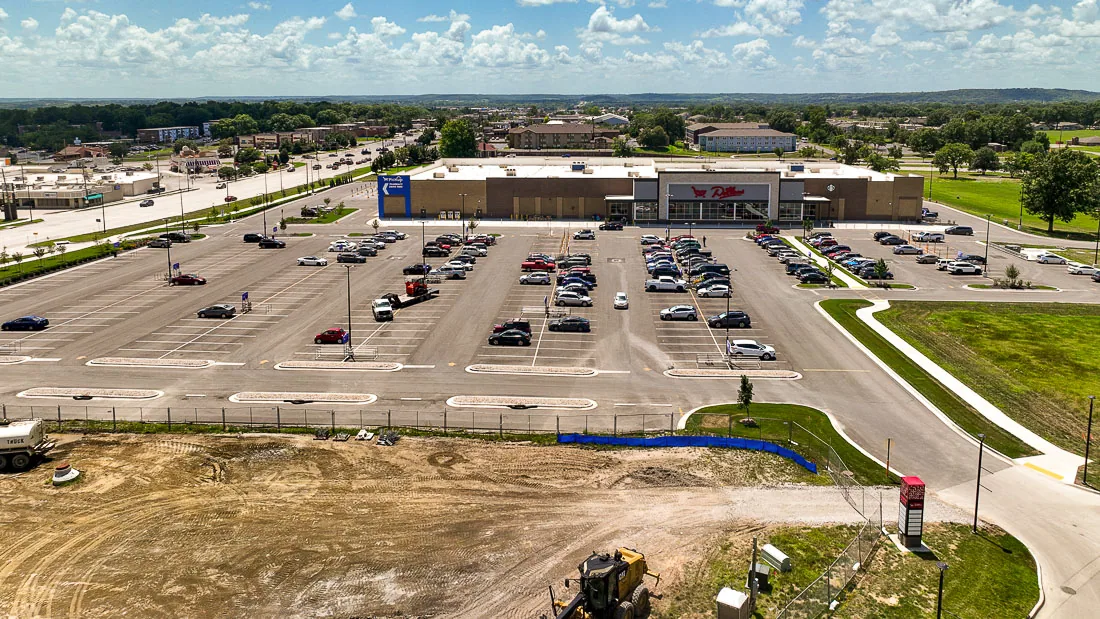
At Central Crossing, Go Topeka lists distribution and food-production occupants within a light-industrial park served by rail and utilities. That context can prompt a question about delivery routes or operating hours, but it does not establish a specific property's roof type. We confirm access with the building contact. Our roof inspection notes roof zones, assembly clues, access limits, and any areas that need a closer test.
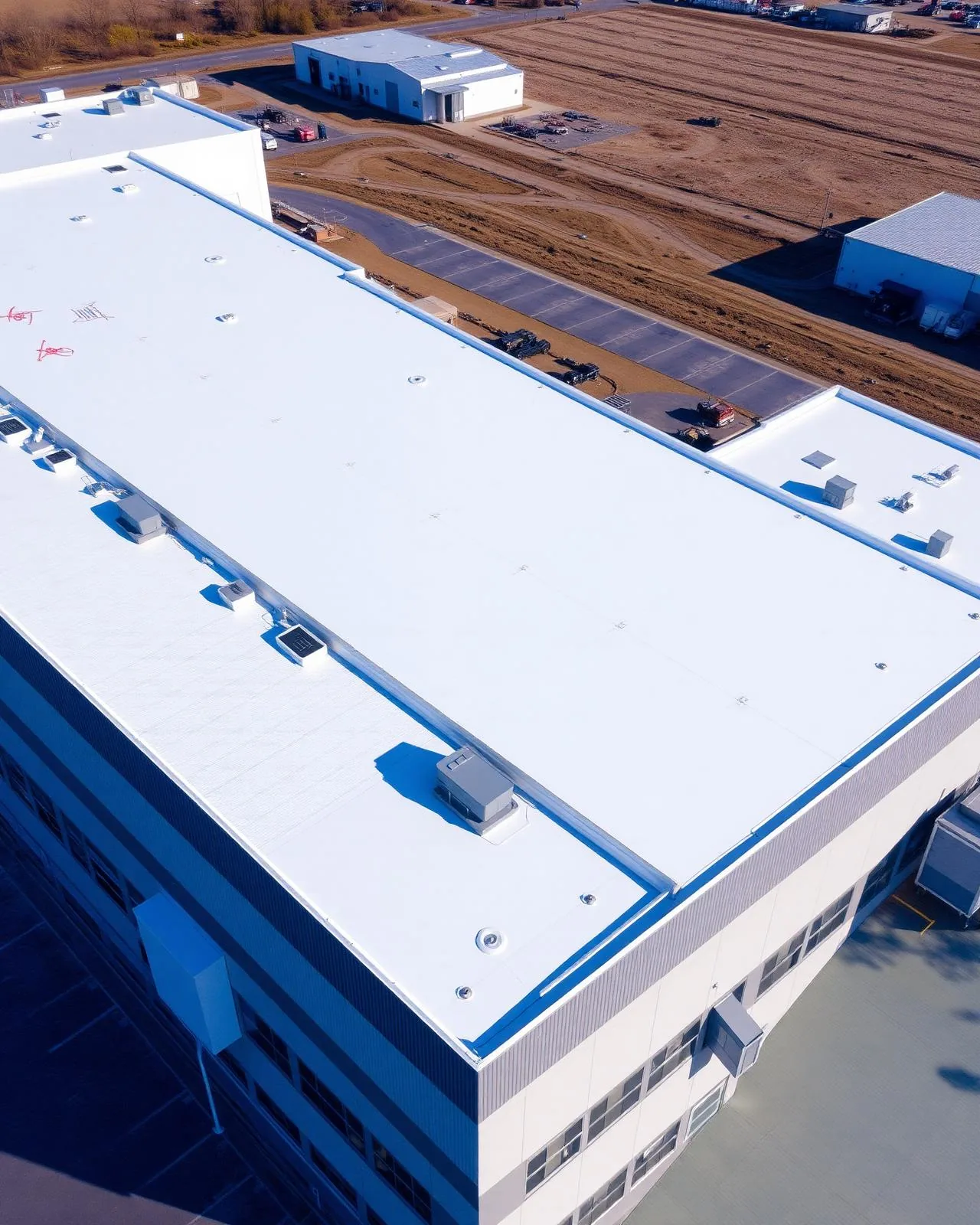
Diagnosis: What has failed, and how far?
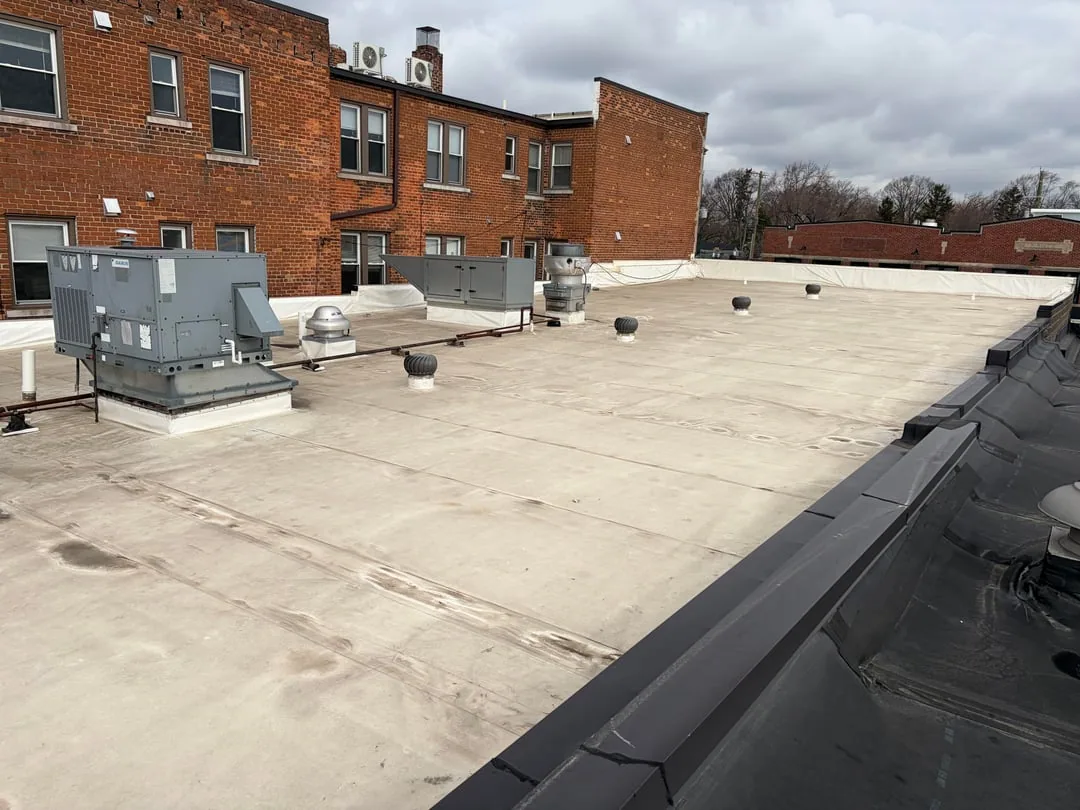
We inspect the field membrane, laps, end seams, curb corners, pipe details, drains, perimeter metal, and existing patches. We locate the opening and determine whether it is isolated. Water can travel beneath the surface, so an interior stain alone does not identify the entry point. We map the likely path and note blocked areas. A leak trace should separate visible damage from a tested condition.
Topeka's climate normals include summer thunderstorms and winter precipitation. After water drains, we look for a low area, debris at the drain bowl, backed-up leaders, and seam or flashing stress around the collection point. Ponding alone does not prove the membrane has failed. If wet insulation is suspected, a moisture survey or selected test opening can define the boundary. Results are marked by roof zone and date. A tested dry area remains distinct from a concealed area that was not opened.
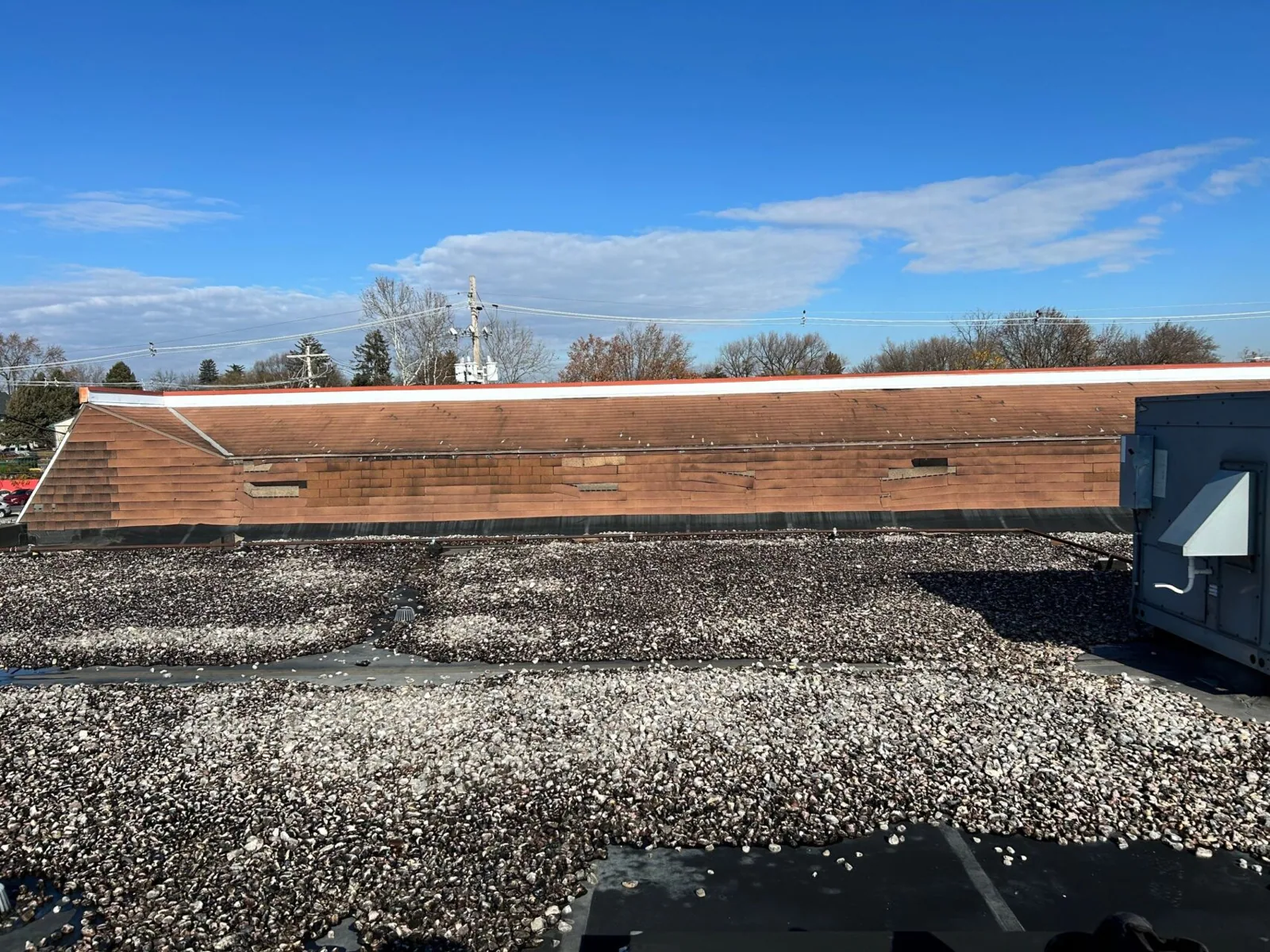
Hail and wind also appear in the National Weather Service event archive for northeast Kansas. A storm-damage review can document impact marks, lifted edge details, loose flashings, and punctures at the property. We compare those observations with pre-existing repairs and surface wear. The event record provides context, not a conclusion about one roof. At the Capitol District, downtown civic and office properties may require advance coordination; we confirm the actual property contact and access instructions before inspection.
Repair boundary: What can be restored?
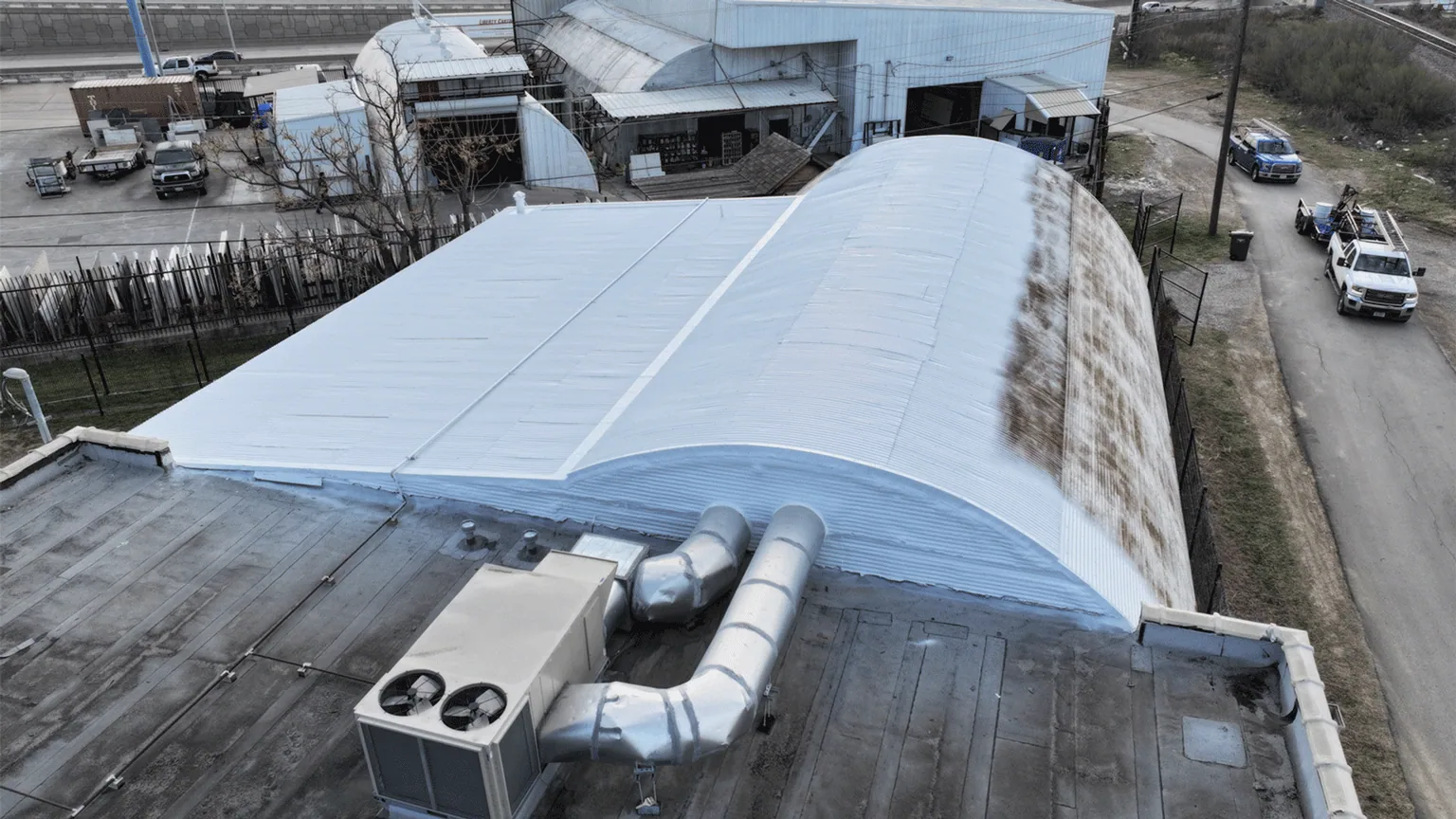
A repair makes sense when the defect has a defined edge and nearby material can accept compatible work. We remove loose or failed material, prepare the sound surface, install a matching system detail, and inspect the finished seam or flashing. On thermoplastic roofs, the repair must create a sound weld. EPDM work follows the compatible tape, primer, adhesive, or flashing procedure. If a patch crosses an older repair, the scope includes the transition between materials instead of covering it without inspection.
When a test finds wet insulation, repair quantities may include removal back to dry material and restoration of the assembly. If test results show dry layers around one puncture, a local patch may be supportable. A brittle sheet, repeated open seams, failed attachment, or widespread moisture may favor a larger replacement. The owner sees the evidence and separate options. We do not call a broad overlay appropriate until attachment, trapped moisture, and applicable code requirements have been reviewed. A GAF system comparison can compare that path with removal where the existing assembly permits it.
Details often decide whether a repair lasts. At a curb, drain, parapet, wall, skylight, or edge, the membrane must connect to a stable, compatible transition. We inspect that interface and include adjacent metal or insulation only where the condition warrants. Photos show the measured area before and after work. The closeout record captures material type, roof zone, and any follow-up test or monitoring point, so the next service visit has a reliable reference.
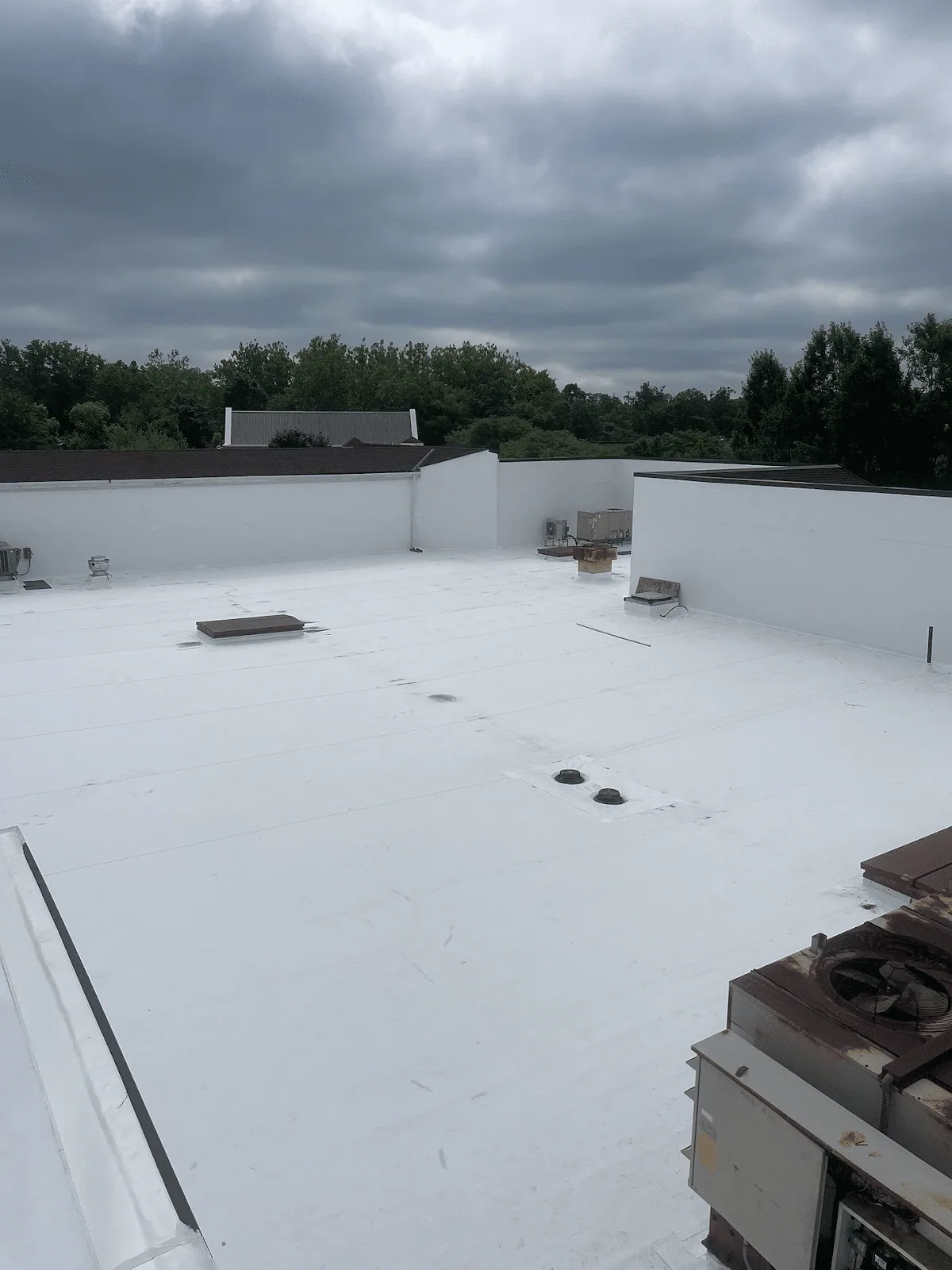
Coordination: What sets a workable schedule?
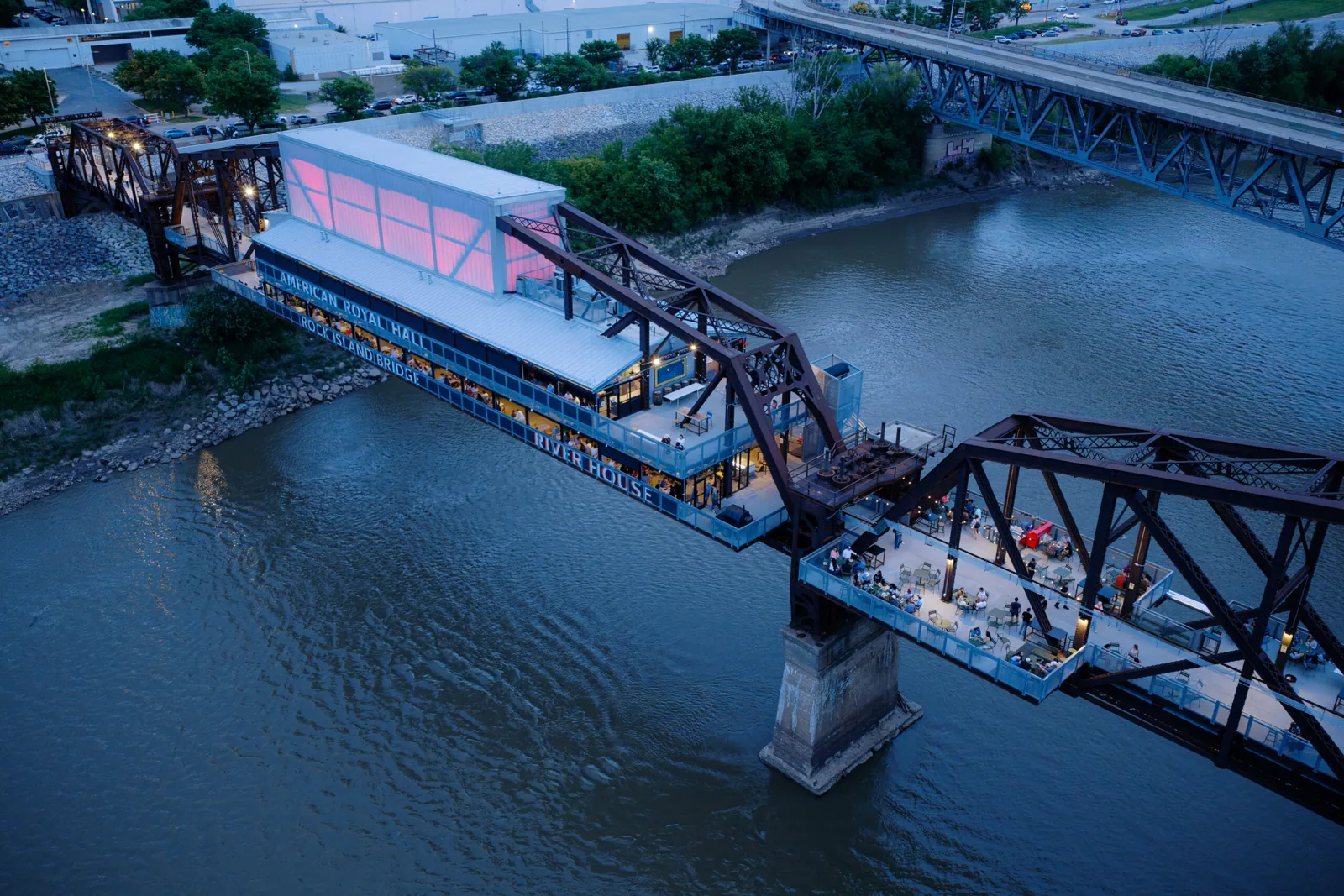
Access, staging, weather, roof height, and operations shape the work window. Central Crossing's industrial setting may involve rail or delivery activity, while downtown properties in the River to Rail District may have other street and tenant considerations. Those are prompts for coordination, not assumed restrictions. We confirm the address, escort needs, lift location, equipment shutoffs, loading limits, and hours with the property representative. If a site cannot release the roof for a test opening, we note that limitation and explain what remains unknown.
Rain can delay membrane preparation and welding. Wind can affect sheet handling and perimeter work. Winter conditions can limit safe access or require a return visit after ice clears. We identify weather-dependent tasks and any temporary protection needed before permanent repair. On an occupied building, the plan should identify interior protection, noise periods, delivery path, and daily closeout. A phased reroof sequence can protect continued operations while sections are completed.
Existing records reduce repeated investigation. Provide the address, leak locations, photos, prior service tickets, and any Holcim or Firestone submittal. We label notes by date and roof zone. A Carlisle system records can preserve the tested boundary, repairs performed, and areas not yet accessed.
Owner decision: Repair now or plan a project?
Owners can compare a targeted repair, further testing, and replacement with the same inputs: assembly, confirmed moisture, repair history, access, and consequences of a leak. We state what is known about the product family and what remains unverified. Cost drivers include removal, substrate repair, insulation, edge details, drainage, material compatibility, and protection of equipment or occupied space. Schedule drivers include weather, staging, shutdowns, and whether the entire tested section can be reached in one visit.
A product brochure describes available systems; it does not determine which assembly suits a particular deck or establish a warranty term. We review the records supplied by the owner and define only the work supported by those records and inspection. For several roofs, a capital schedule can group repairs by condition while showing test dates and assumptions. That helps keep an old quote from becoming an automatic replacement date.
For a Topeka property, share the address, concern, access contact, and available roof records. We can inspect the affected section, explain the repair boundary, and prepare an owner decision with measured quantities and open questions separated.
Commercial Roofing Questions
Are Firestone and Holcim Elevate records interchangeable?
Legacy records can help identify an earlier product, but we compare them with the roof now in place. We note any changed sections or unresolved product details before naming materials for repair.
Can you repair RubberGard, UltraPly, and PVC?
We assess EPDM, TPO, and PVC systems and select a method compatible with the existing membrane. Confirmation of the product family and field condition comes before material selection.
Does Topeka's annual precipitation mean ponding is a membrane defect?
No. We inspect drainage, low areas, seams, and tested moisture to determine whether water has affected the assembly. Temporary ponding and a confirmed leak remain separate observations.
What proof do you need after a hail or wind event?
The inspection documents address-level findings such as impact, displacement, puncture, or open flashing. Regional event records provide context, while the roof condition establishes the repair scope.
Can we repair one roof section while keeping the rest in service?
That may work when access, safety, weather, and the repair boundary allow it. We plan staging and protection with the building contact, then identify whether more testing or a return visit is required.
Related Roofing Work
Central Crossing Commerce Park
River to Rail District
Commercial Roof Inspection
Commercial Roof Leak Repair
Storm Damage Roof Repair
GAF Commercial Roofing
Set a Holcim repair scope
Service Area
Topeka, Auburn, Silver Lake, Carbondale, Rossville and Shawnee County, KS
Quick Contact
Email: [email protected]
Phone: 555-555-5555
Request a Roof Assessment
Provide the Topeka address, current roof concern, access contact, and any Holcim or Firestone records. We will inspect the relevant zone, confirm system clues, and document a measured repair boundary.