Versico Commercial Roofing in Topeka, KS
Home / Roofing Manufacturers / Versico Commercial Roofing
A Versico name on a service ticket is useful only after we confirm which membrane and detail remain on the roof. Versico offers TPO, EPDM, PVC, and fleece-backed options, with different attachment and repair methods. We check the sheet, seams, roof layers, and previous patches before setting a work boundary. Topeka averages about 36.5 inches of precipitation and receives summer storms as well as winter weather. Drainage and seasonal access belong in the inspection. A roof at Central Crossing Commerce Park has a different operating context from one near the Stormont Vail Health Campus. The address-specific system and operator rules govern the recommendation.
Product identification: What is installed?
Versico's product line includes VersiWeld TPO, VersiGard EPDM, VersiFlex PVC, fleece-backed membranes, and other roofing components. Those names identify product options; we confirm the installed membrane and assembly from the building records and roof inspection. We compare product records with exposed sheet, attachment clues, seams, flashing, and prior repairs. A roof can include changed sections or repairs made with another compatible material. We mark where identification is confirmed and where a test or submittal review is still needed.
Versico describes mechanically attached and adhered systems, as well as options such as induction welding and RapidLock. Those methods belong to particular assemblies and details. Fastener rows, edge details, plates, deck attachment, and visible adhesive help identify the attachment method. When layers remain concealed, a selected test opening can resolve the assembly question. The inspection records evidence without extending it beyond the section examined. This gives the owner a practical basis for material selection instead of a brand-only assumption.
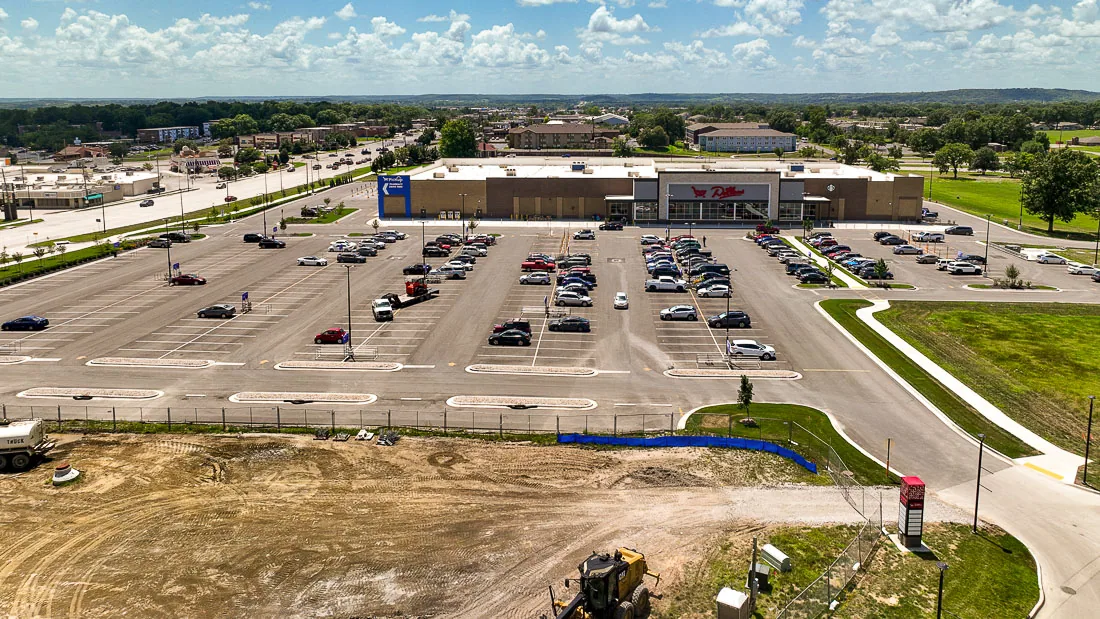
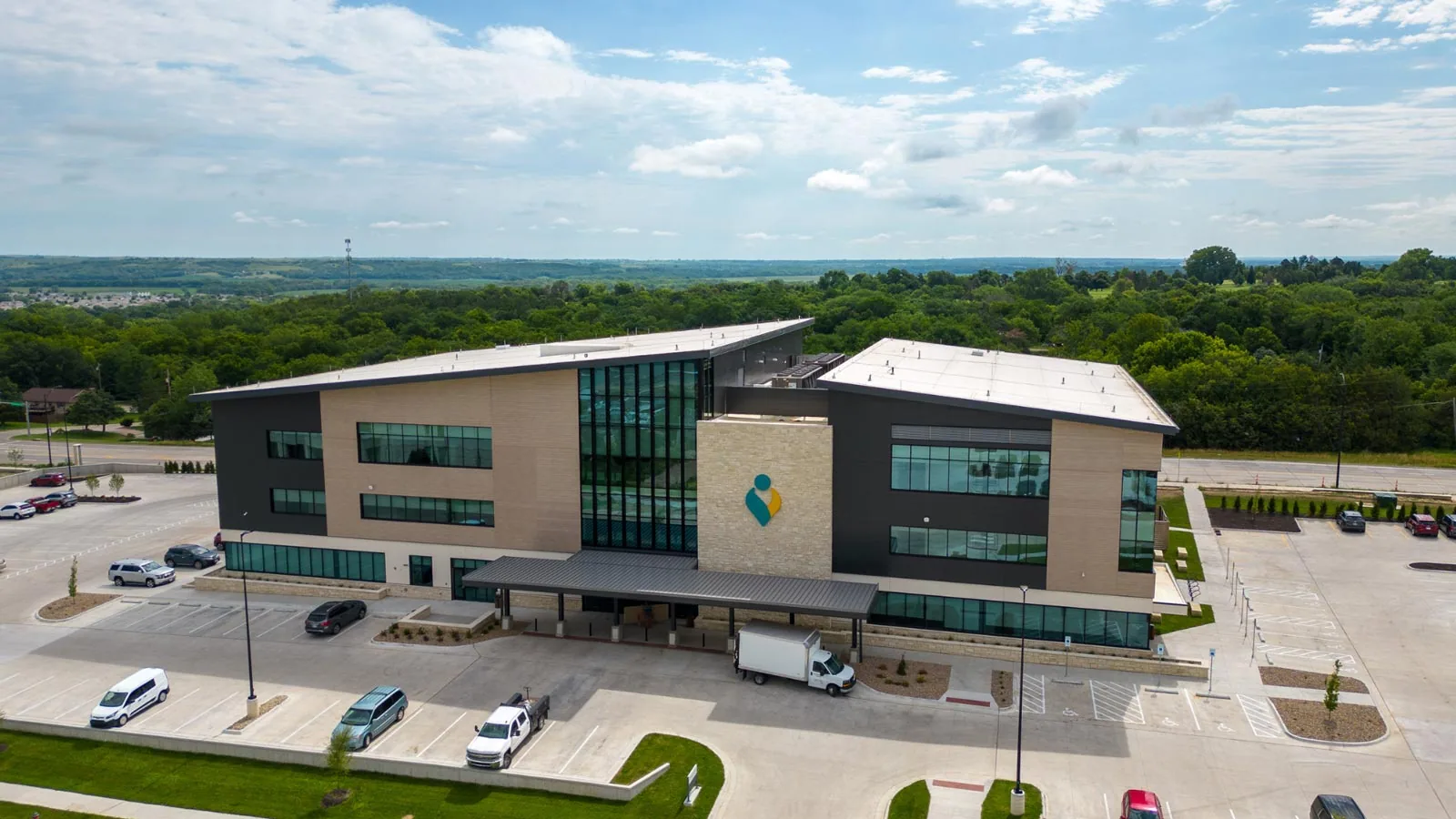
Central Crossing is a light-industrial park with distribution and food-production tenants. Stormont Vail's health campus serves a different institutional function. Those local places make access and operations relevant questions; they do not tell us the membrane on a named building. We confirm delivery windows, escorts, restricted zones, and protection requirements with the facility contact. A roof inspection notes which sections were available and which stayed untested.
Roof check: Which detail needs attention?
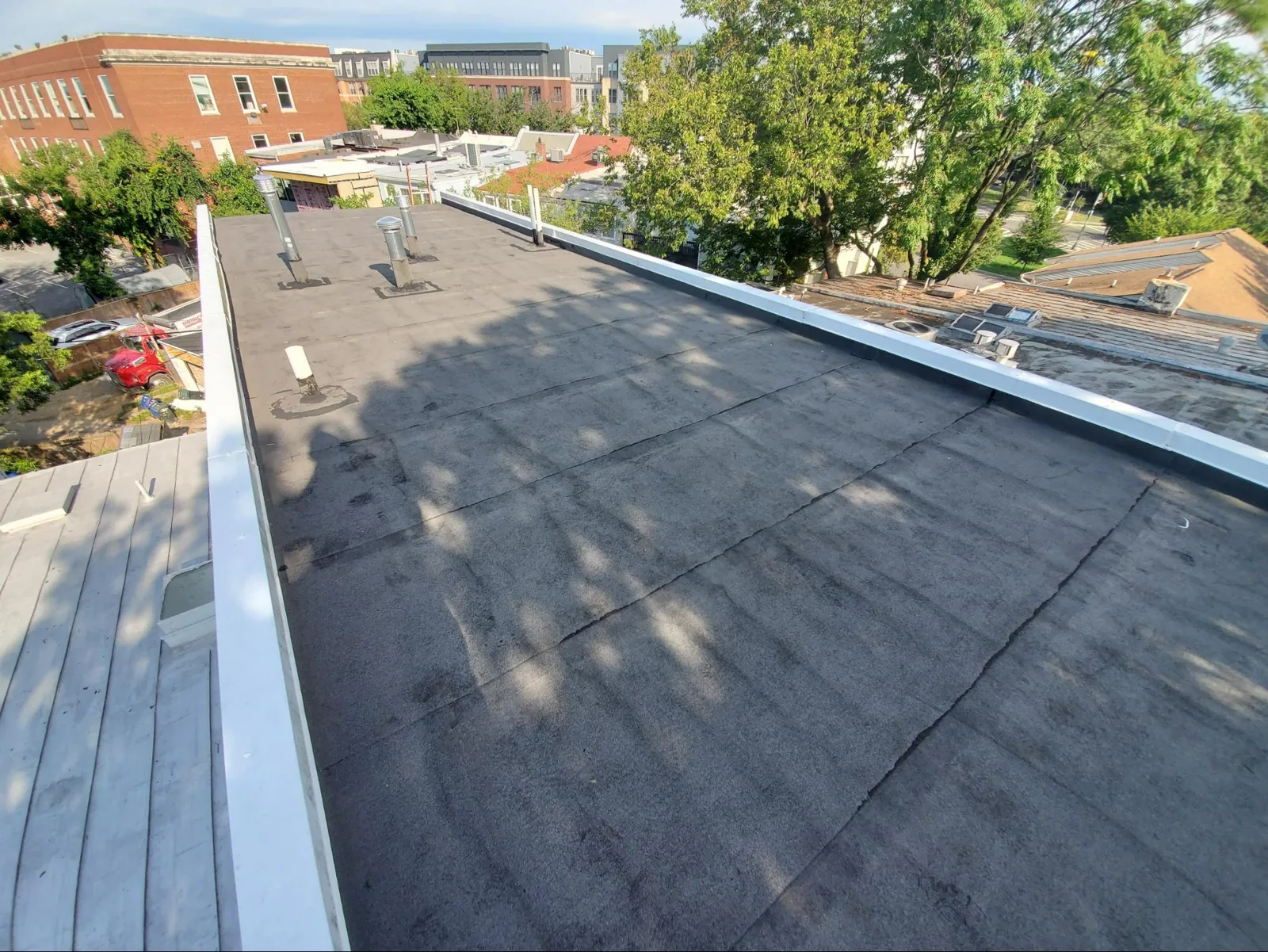
We inspect seams, corners, end laps, curb transitions, pipe boots, drains, perimeter metal, and old repairs. A lifted corner or loose termination may let water enter, but the opening may sit away from the ceiling stain. We map the reported leak against the roof details and check adjoining membrane. If a patch crosses an existing repair, the scope accounts for that transition. Close photographs and roof-zone references let the owner or maintenance staff find the same area on a return visit.
Thermoplastic VersiWeld and VersiFlex seams require compatible preparation and hot-air welding. EPDM has its own seam and flashing materials. A fleece-backed system also requires details suited to its surface. Before a repair, we identify the material and whether the existing sheet can accept the proposed work. We remove loose or contaminated material to reach a sound surface and verify the completed seam. A generic sealant bead does not restore a failed weld or loose termination.
Topeka's precipitation normal includes thunderstorms and winter precipitation. We inspect drain bowls, low areas, leaders, and nearby seams after water clears. A wet insulation question is separate: scanning or test openings may help identify the extent, with findings mapped to the tested area. Dry results at one point do not describe the rest of the roof. The report states where we tested, where conditions were visible only, and what remains concealed. A moisture survey can guide where a test cut may change the estimate.
Repair path: Which scope fits the evidence?
A bounded puncture, separated seam, or failed flashing may support a focused repair when surrounding material is sound and compatible. The work includes preparation, matching material, restoration of the actual detail, and a closeout check. We list roof zone, measured limits, access, and any substrate or moisture question. If insulation is wet or membrane deterioration spans several areas, the owner may need to compare a section replacement or complete reroof. We identify which observations support the larger option instead of pricing it as an automatic next step.
Versico references multiple attachment methods and membrane types. A recover or replacement choice requires review of the current deck, attachment, moisture, insulation, drainage, perimeter, and applicable code conditions. A recover review can compare retaining the current assembly with removal when the roof supports that path. The proposal records assumptions for wet insulation, deck repair, edge metal, drains, and equipment protection so the owner sees cost drivers clearly.
Owners comparing manufacturers can review Carlisle SynTec single-ply systems and Holcim roof membranes after the existing roof condition is established. That comparison should consider material compatibility, seam type, substrate, drainage, and operations. A product description cannot replace an assembly plan or determine a warranty term. We scope the work that fits the roof evidence and identify any detail that needs owner approval before opening.

Field schedule: What happens before mobilization?
We confirm roof access, key or escort requirements, staging route, lift placement, delivery timing, shutdowns, and interior protection. A healthcare property may have controlled access and sensitive operations; industrial and retail sites may set different traffic or loading rules. We rely on the facility contact for current requirements rather than assuming them from a place name. If testing requires a cut, we agree on the location and closeout before the work begins.
Heat welding needs suitable surface and weather conditions. Rain can delay seam work; wind can change safe material handling; winter footing may narrow roof access. The plan describes weather-dependent steps and temporary protection if permanent work must wait. Occupied building work can be phased around entrances, noisy operations, and tenant hours. A phased roof plan identifies the work zone and daily closeout criteria.
Keep the Versico submittal, repair history, roof plans, photos, and current leak report together. We link each record to the building and roof section and note its date. This helps distinguish what the previous visit observed from what the current inspection confirms. For more than one property, we keep each address, roof system, and approval separate. A single portfolio label cannot substitute for building-specific measurements.
Owner record: What should the closeout show?
The closeout should identify material family, roof zone, measured repair boundary, preparation, test results, photos, and any condition left open. We distinguish temporary protection from permanent work. If the repair depended on dry weather or an accessible area, the record should show whether that condition was met. When wet-insulation testing is outside the scope, the report identifies concealed areas that remain untested and notes what inspection would resolve them.
For future planning, maintenance staff need a baseline that can be checked again. A dated roof condition record can preserve tested areas, prior repairs, and observations by section. An owner comparing replacement timing can use a roof capital plan to track recurring defects and unknowns. The plan should state the evidence date; an older inspection is not a current roof assessment.
To request Versico repair or inspection in Topeka, provide the property address, current concern, access contact, and available product documents. We will identify the system where evidence allows, test the section where needed, and separate confirmed work from assumptions that could change scope.
Commercial Roofing Questions
Does a Versico roof use one attachment method?
No. The product family and assembly may use different attachment approaches. We inspect the installed roof and review its submittal before describing how the membrane is secured or selecting a repair detail.
Can VersiWeld and VersiGard be repaired the same way?
They use different membrane families and compatible repair methods. We confirm whether the roof is thermoplastic, EPDM, or another assembly before specifying preparation and seam work.
Can a moisture scan establish the full repair quantity?
A scan can help locate areas for verification, but test results are tied to the locations examined. We map the scan and any test openings, then separate confirmed moisture from areas that remain concealed.
Will roof work interrupt operations at our facility?
We plan around the building's actual access and work-hour requirements. The sequence identifies deliveries, staging, protection, and any area that must close temporarily.
What should we send before asking for a Versico repair?
Provide the address, current leak or damage location, access contact, photos, service history, and product records if available. Those details help identify the roof section and schedule the right inspection.
Related Roofing Work
Central Crossing Commerce Park
Stormont Vail Health Campus
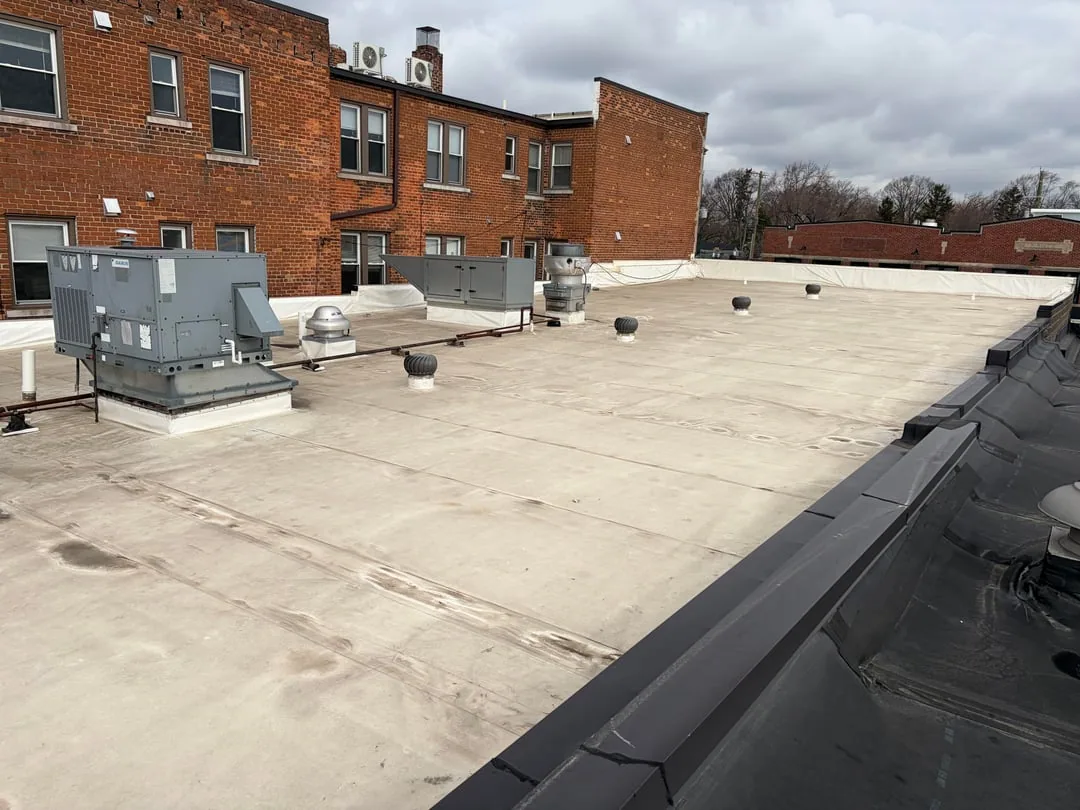
Commercial Roof Inspection
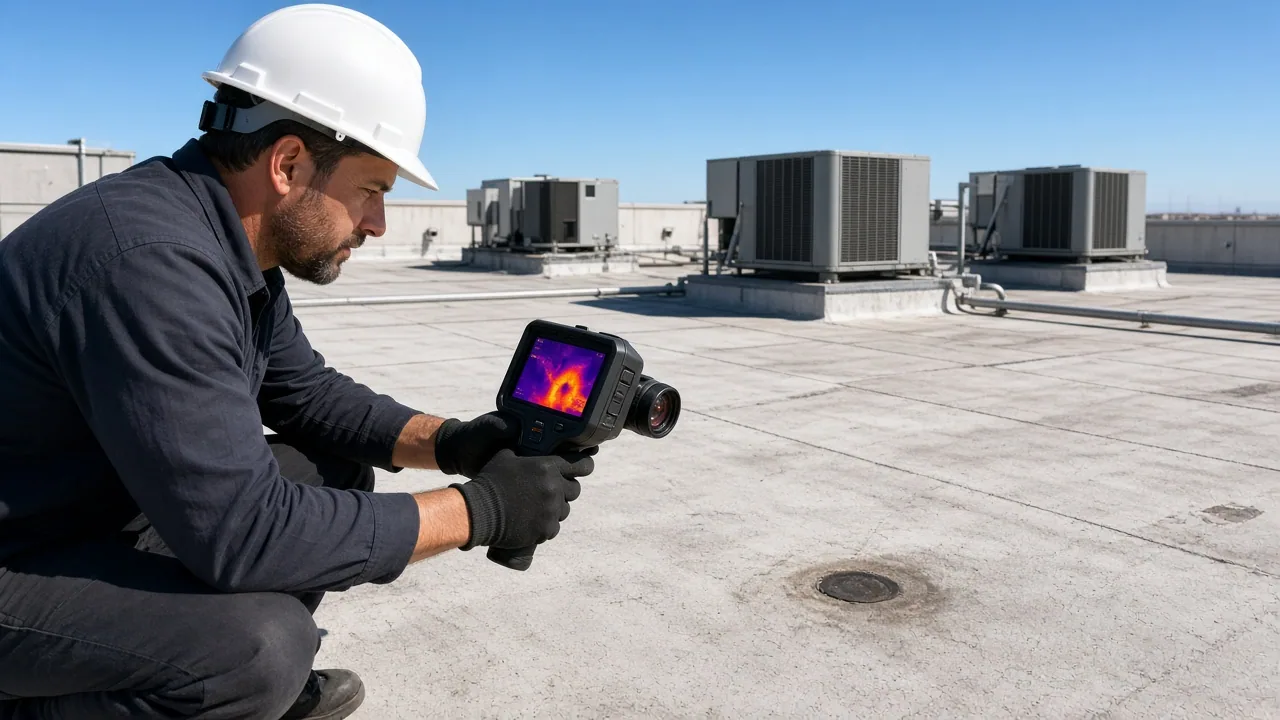
Commercial Roof Infrared Moisture Survey
Commercial Roof Recover Overlay
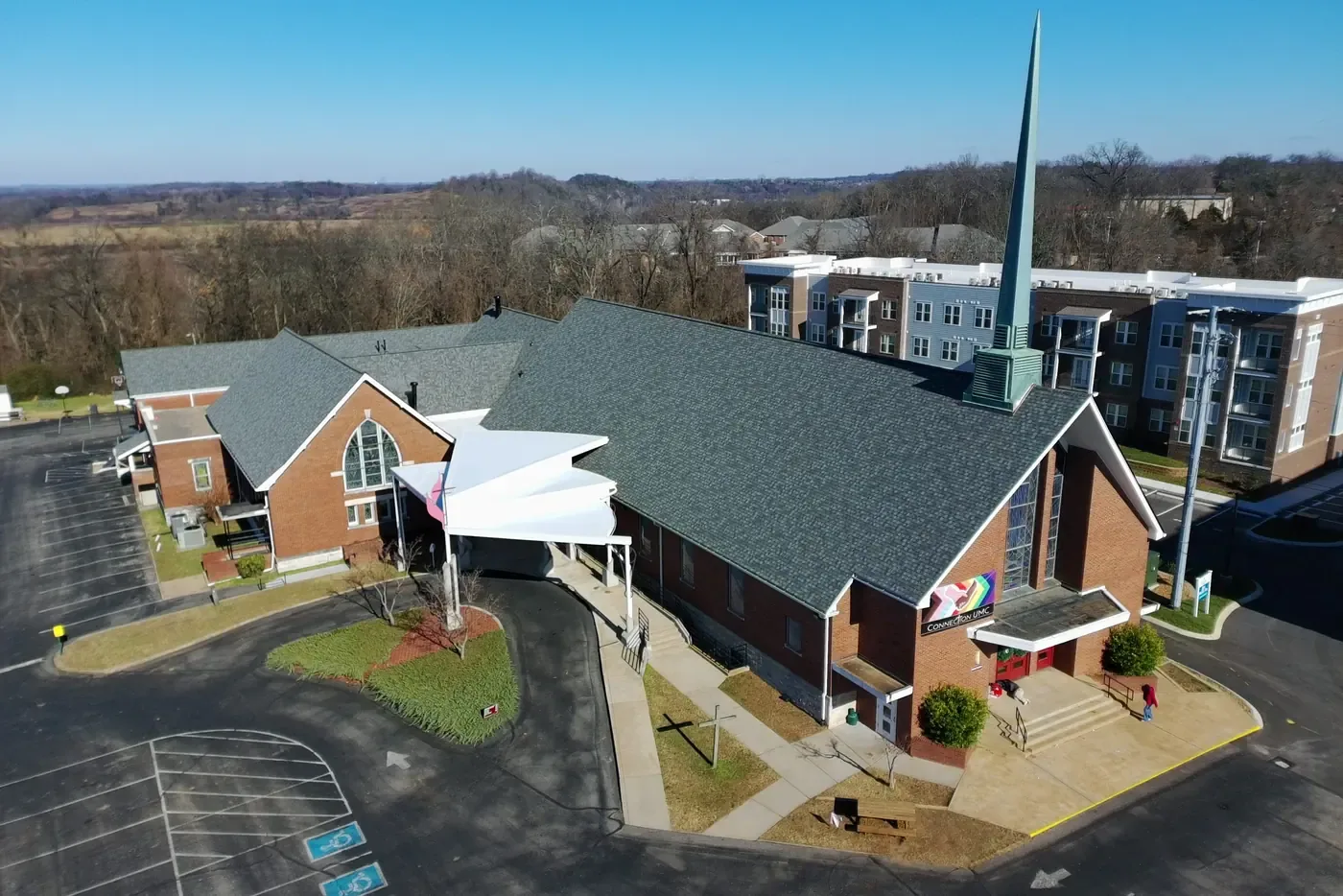
Carlisle SynTec Roofing
Match the repair to the roof
Service Area
Topeka, Auburn, Silver Lake, Carbondale, Rossville and Shawnee County, KS
Quick Contact
Email: [email protected]
Phone: 555-555-5555
Request a Roof Assessment
Share the Topeka address, roof concern, access contact, and Versico submittals or past repair notes. We will check the affected section and document the compatible work boundary.