
College and University Roofing in Topeka, KS
Home / Property Types We Roof / College and University Roofing
A loose edge at a lecture wing can be a single detail or the first sign of a larger campus roof issue. We inspect the affected zone, compare it with building records, and define what needs testing before pricing work. Washburn University’s Topeka campus was established on donated acreage, and Washburn Tech’s main site includes classrooms, labs, and shops across seven buildings. Each institution has separate roof assemblies, access rules, and maintenance priorities.
Inventory: How should a campus roof plan be organized?
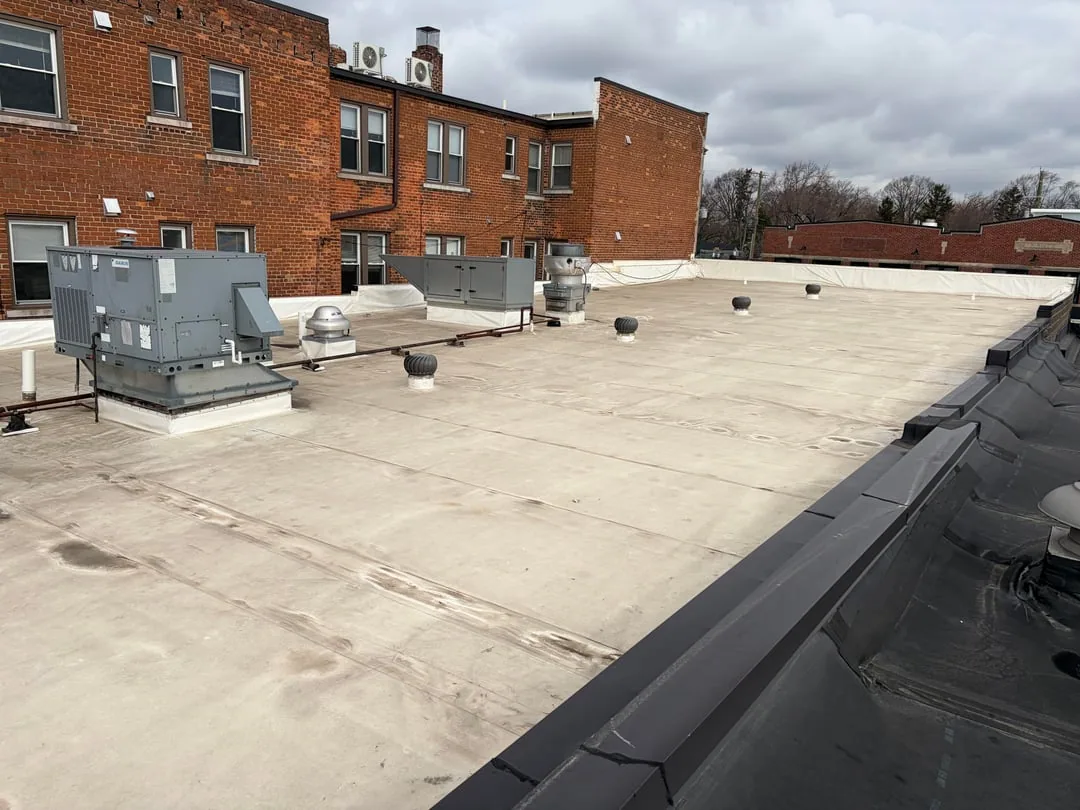
A college portfolio can span academic buildings, labs, shops, offices, residence halls, and shared-use spaces. We identify each building, roof elevation, system, drain layout, equipment area, and repair history. A commercial roof inspection turns individual findings into a roof-zone map the facilities team can compare across the portfolio. We note which areas were tested and which remain unknown.
Washburn Tech’s main campus east of Wanamaker contains seven buildings with classrooms, labs, and shops. That mix illustrates why one inspection checklist may not fit every campus roof. A shop roof may have different penetrations and access controls from a classroom wing; a separate building must be assessed on its own facts. We coordinate with the owner to identify priority facilities and the records available for each.
Where drawings show past additions, we verify the roof transitions in the field. A new wing can meet an older parapet, drain line, or expansion joint. We photograph those interfaces and record field dimensions before recommending a repair. If a campus lacks current roof plans, we can build the work map from observed conditions without claiming uninspected areas are complete.
Weather: What does the local roof record require?
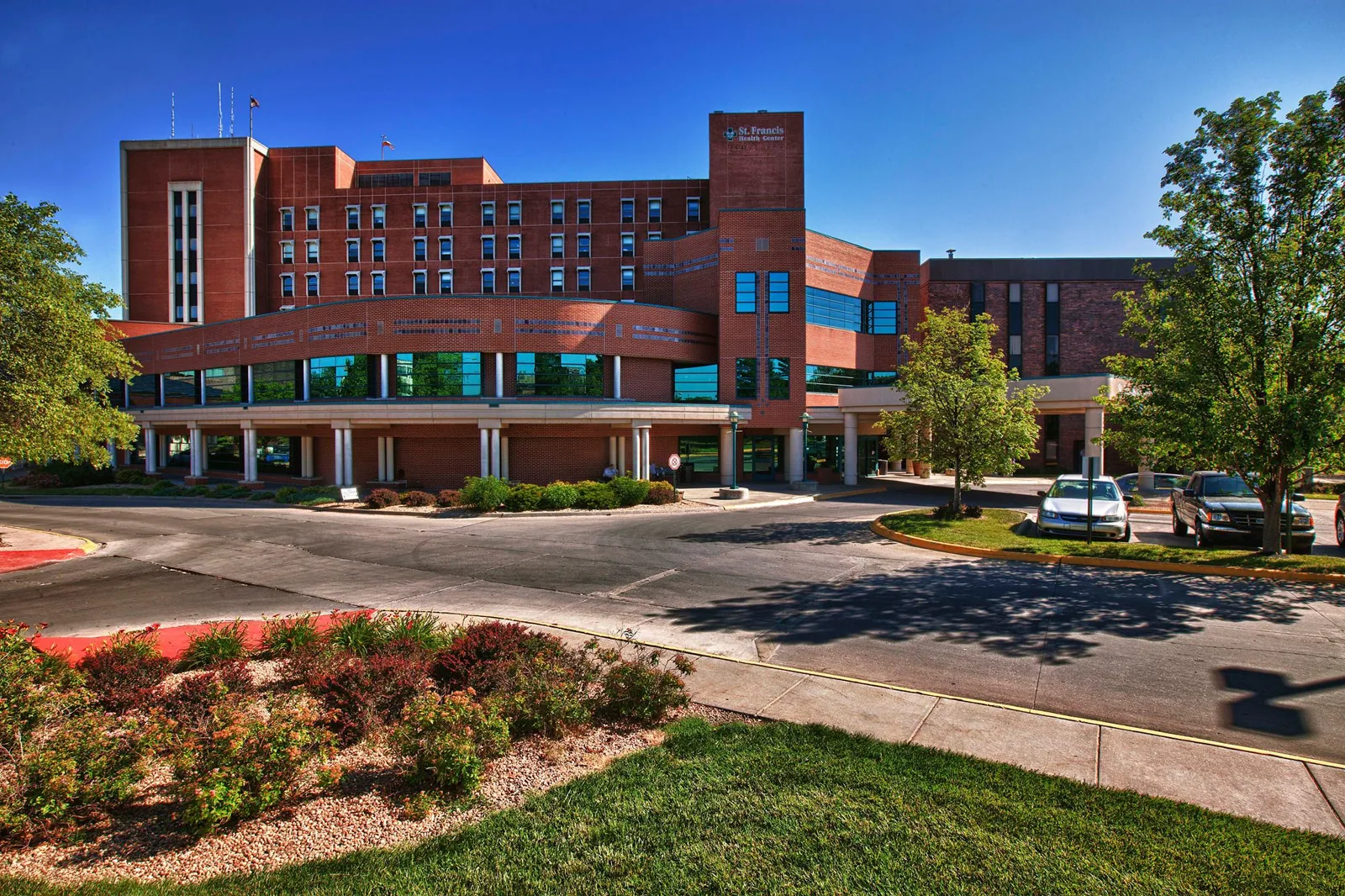
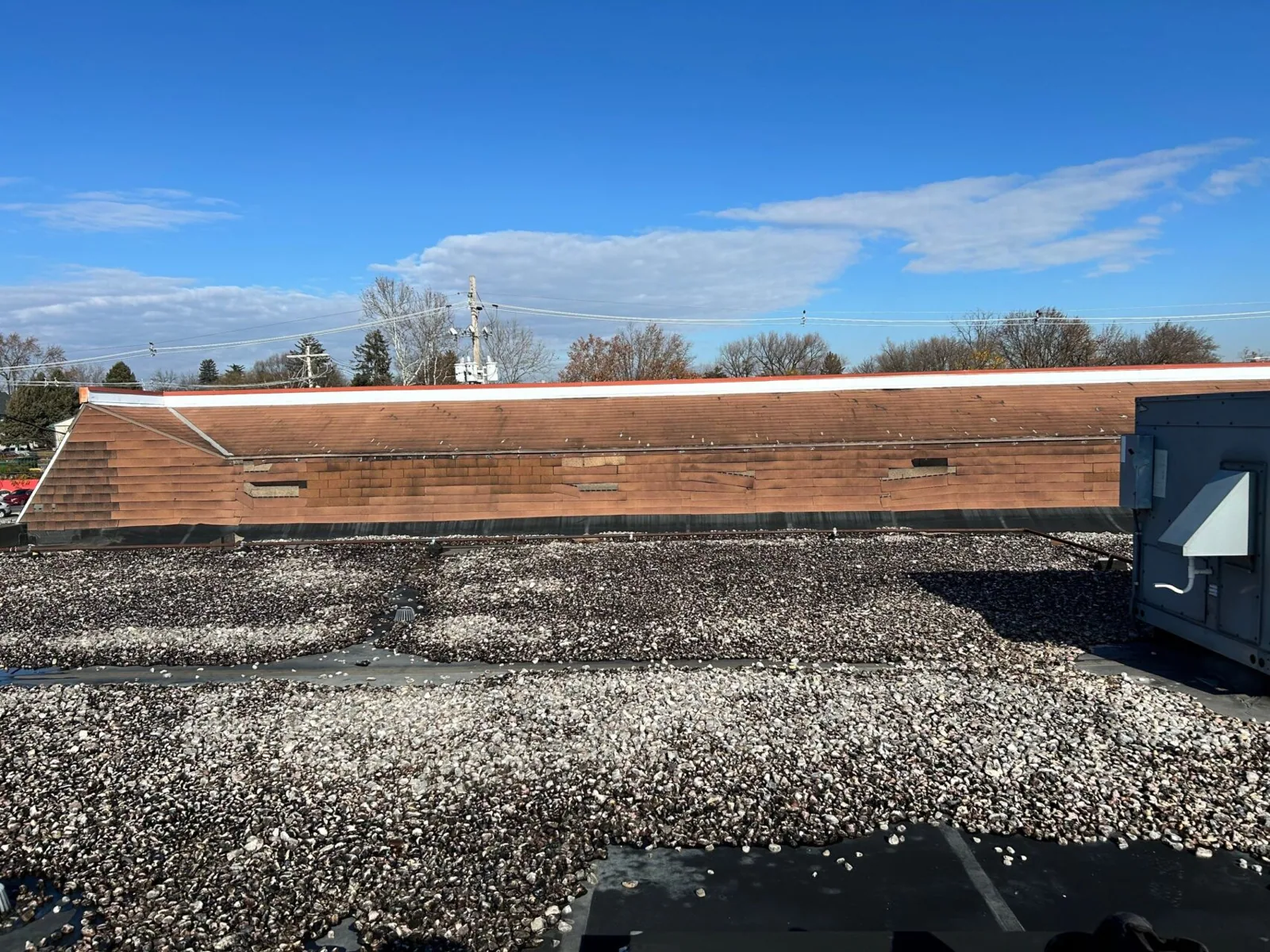
Washburn University was damaged by the 1966 Topeka tornado, which affected every building on its campus. That documented event is part of local institutional history, not a statement about the present condition of any roof. After current severe weather, we inspect the address for displaced edge metal, punctures, loose coping, seam openings, and interior water. A storm-damage review records what was observed and where.
Topeka also has measurable snowfall and daily snowfall extremes in its climate record. We check drain bowls, low areas, scuppers, and roof edges after snow clears. If ice or unsafe access prevents a complete walk, the report identifies a return inspection. Winter timing may shift a planned repair, so the campus receives the affected building and remaining tie-in status rather than a vague schedule change.
Between events, drainage and flashing checks help catch deterioration before the next weather window. We look for water that persists after outlets clear, weak lap edges, and coating or membrane separation. The roof condition, not the calendar alone, determines whether a patch, moisture test, or larger evaluation is needed.
Coordination: When can each building be released?
Academic calendars include classes, exams, events, research activity, and summer programs. We confirm which buildings can be accessed and when, then plan deliveries, escorts, noise, and interior safeguards. A campus phasing plan lists roof zones, daily tie-ins, and the person authorized to release each area.
Lab or shop access may involve equipment, ventilation, or safety procedures controlled by the institution. We ask the site contact to define those requirements and identify any other trades. If a rooftop unit must be disconnected or lifted, the proposal names that dependency. We avoid scheduling around assumed closures; the facilities team verifies the actual work window and affected rooms.
A campus facilities contact can reach our on-call crew outside normal operating hours, weekends included. We confirm building access, protect the affected rooms, and record any temporary measure before setting permanent work. Planned phases close at a tested tie-in so the next class or research period does not inherit an open roof area.
Repair: What should a campus work order include?
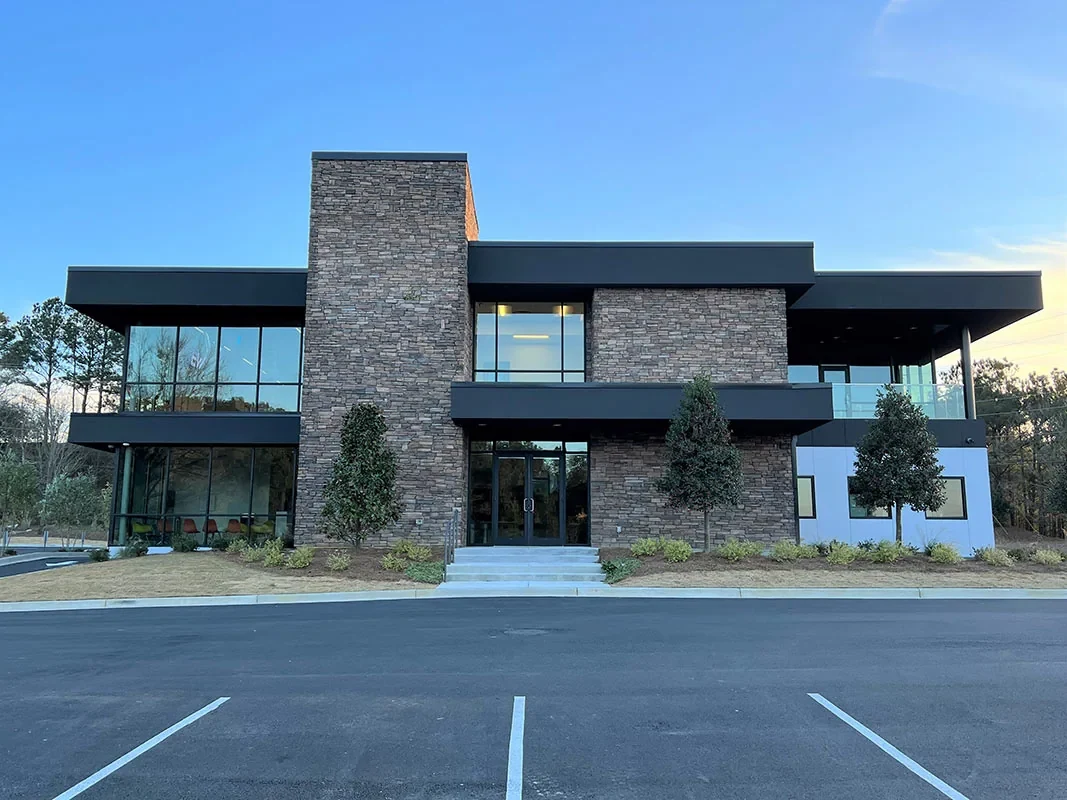
A work order should state the building, roof zone, reported symptom, test location, repair dimension, and closeout requirement. A commercial roof repair scope also identifies materials, preparation, access restrictions, and the point at which concealed damage needs separate approval. A marked plan keeps a repair on one building from being attributed to another.
If testing finds wet insulation, damaged decking, or a failing transition beyond the approved limit, the crew closes the opening and sends the measured condition for review. The institution can release additional work, plan a separate visit, or include the building in a capital project. We price additions separately and document who authorized the change.
Roof systems vary by age and building. A campus may need a seam repair in one zone and a flashing replacement in another. We verify substrate and system compatibility before installing material. When design criteria or engineering review are required, we state the dependency rather than setting an unsupported repair detail.
Capital work: When is replacement worth comparing?
Recurring leaks, moisture confirmed in multiple roof zones, failed attachment, or broad edge deterioration can justify a larger assessment. A replacement review compares repair, recover, and removal against structure, insulation, drainage, fire and wind criteria, and campus phasing. Cost drivers include access, test openings, occupied space protection, and the number of buildings released at once.
A campus can compare an K-12 school roof with an office-building roof sequence, while applying the actual institution’s requirements. Academic schedules and research operations may create different release windows. We identify what needs owner review and which scope quantities come from tested conditions.
For a multi-building program, prioritize by documented moisture, active leaks, repair frequency, and the risk of delaying work. A Washburn University campus is a named part of Topeka’s education stock, and Washburn Tech’s distinct instructional buildings add another local example. Those place facts do not establish roof defects; each planned project needs a field record.
Record: How does facilities preserve roof history?
Maintain a file for each building with roof plans, system records, inspection notes, photos, test openings, repairs, and warranties supplied for the installed materials. Record roof-release approvals, accepted work zones, and any deferred test. A campus summary can show priorities, but detailed conditions stay connected to their building and location.
Washburn University’s 1966 tornado history and Washburn Tech’s instructional campus are different institutional contexts. For each property, we identify the actual access contact and the area inspected. For each roof, we tie any age entry to installation records and record attachment and condition findings by zone.
If a leak recurs, compare the new location with prior repair photos, recent equipment work, and the drainage map. A different wing may have a separate water path. A dated, building-specific record helps facilities choose whether to call for a focused repair, another test, or a capital review.
Commercial Roofing Questions
Can a campus roof project be split across buildings?
Yes. We can map and schedule buildings separately, with a named release contact, daily tie-in, and closeout record for each phase.
Does Washburn’s tornado history mean campus roofs need replacement?
No. The 1966 event is local weather history. Current roof decisions come from present-day inspection, testing, and records for the building under review.
How do you inspect roofs over labs or shops?
We coordinate access and any equipment or safety controls with the institution, then inspect the specific roof assembly and transitions above each area.
Can emergency roof service be called during a holiday?
Yes. The on-call line remains available during academic breaks and holiday closures. We work with the designated campus contact on entry and short-term protection, then base the repair scope on roof findings.
What supports a campus reroof budget?
Building-level leak history, moisture tests, repair frequency, access windows, and known system conditions support a phased capital estimate. Unknown areas remain identified.
Related Roofing Work
Commercial Roof Inspection
Storm Damage Roof Repair
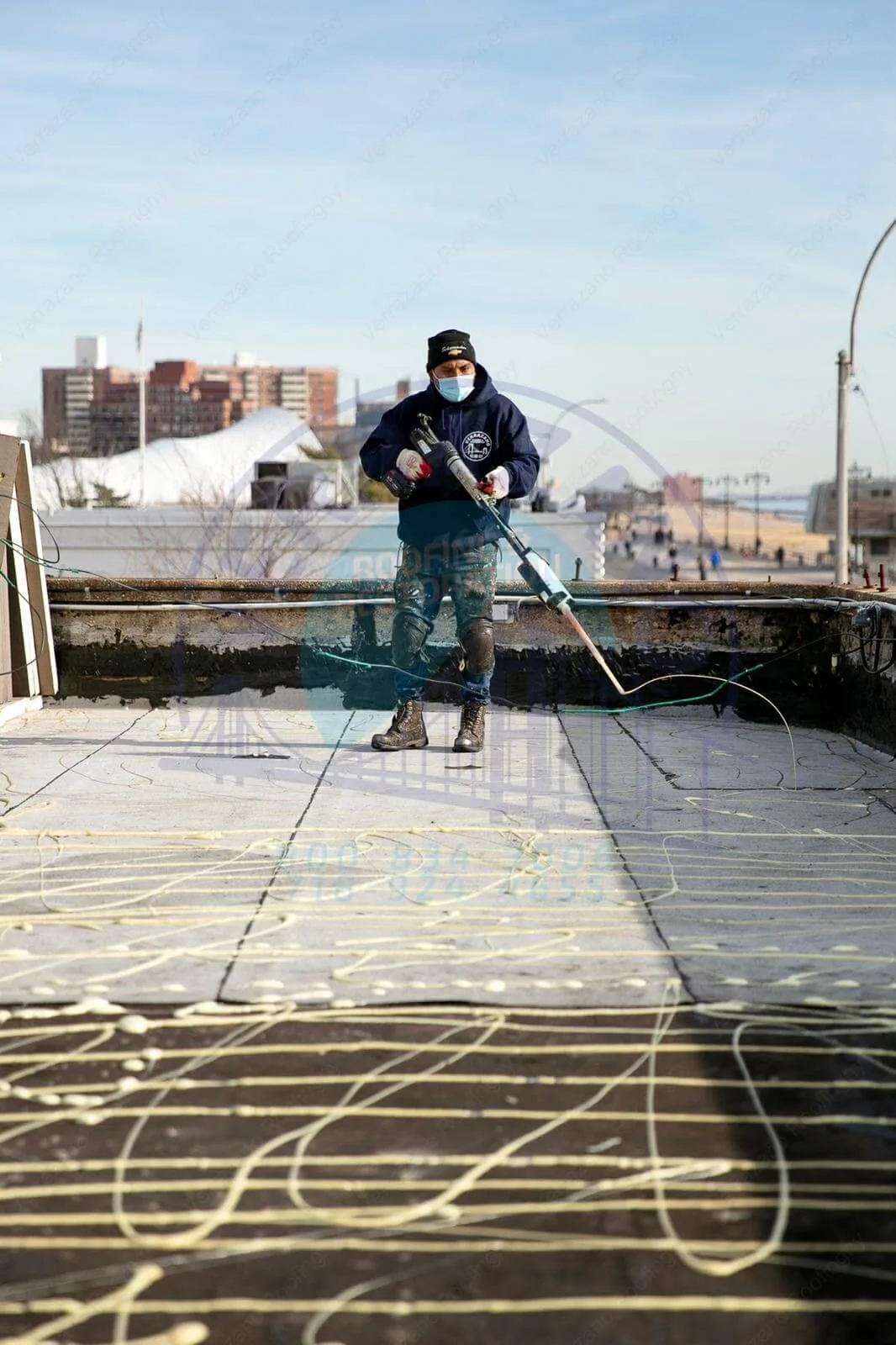
Occupied Commercial Building Reroofing
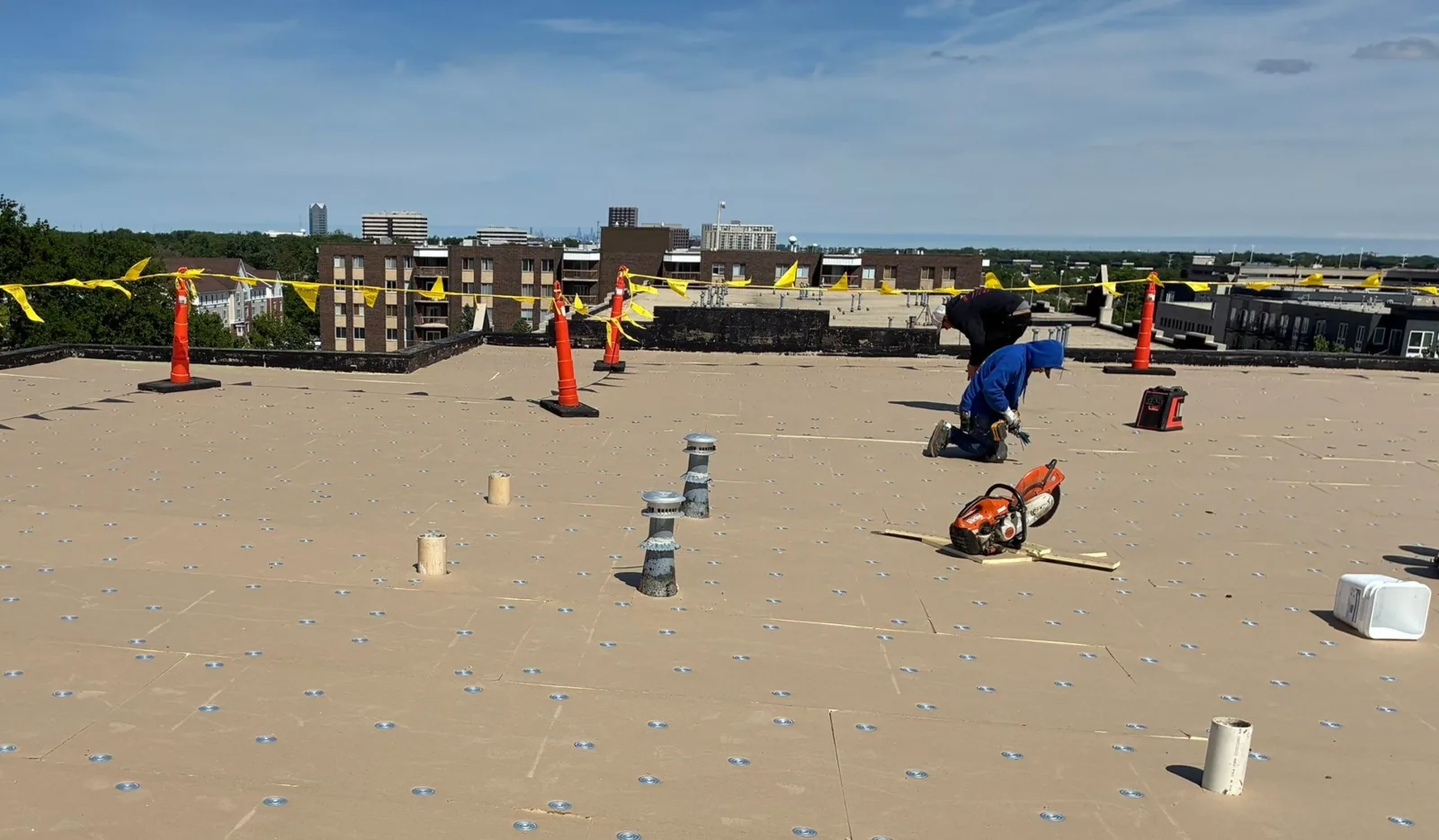
Commercial Roof Repair
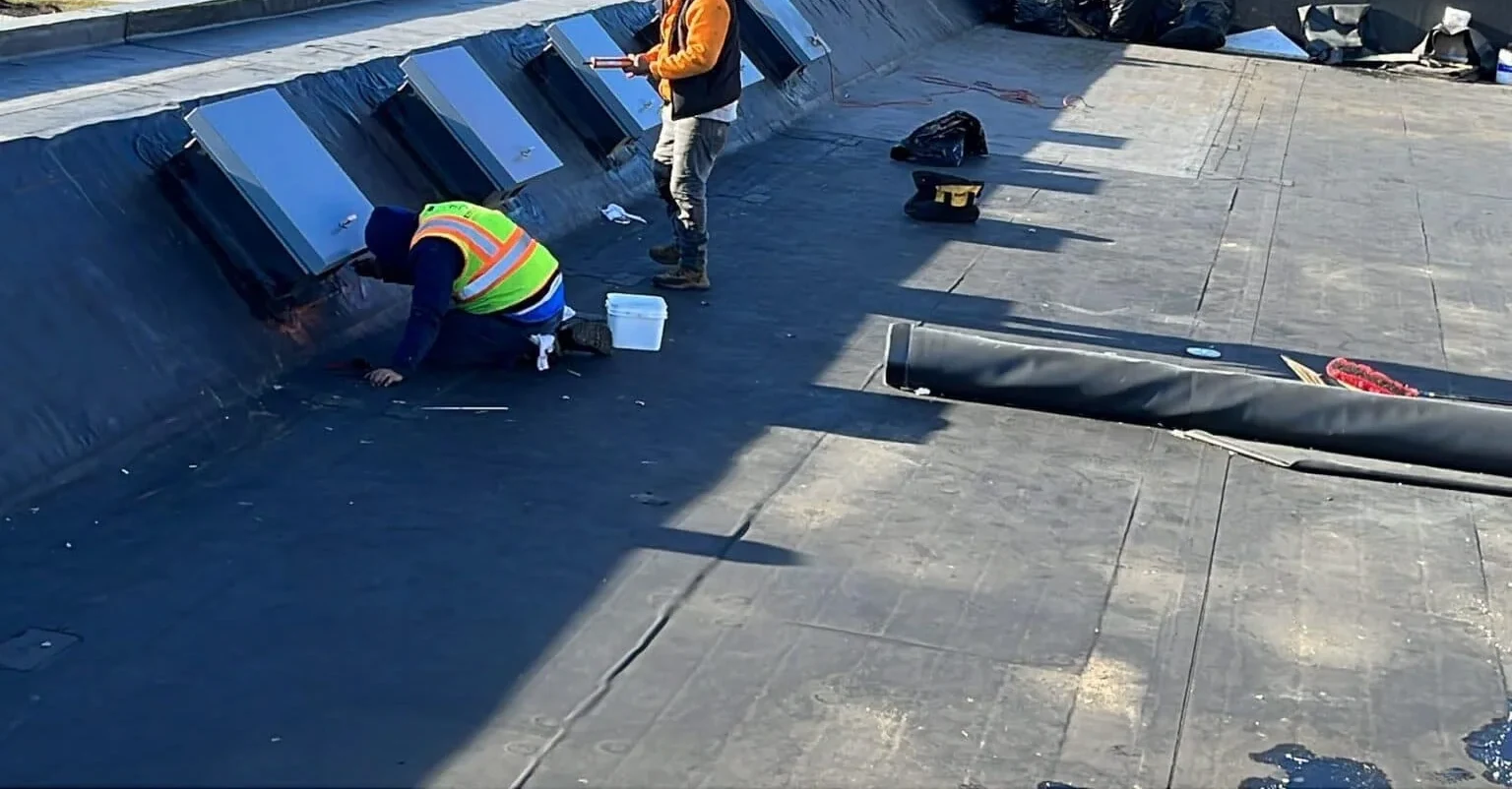
Commercial Roof Replacement
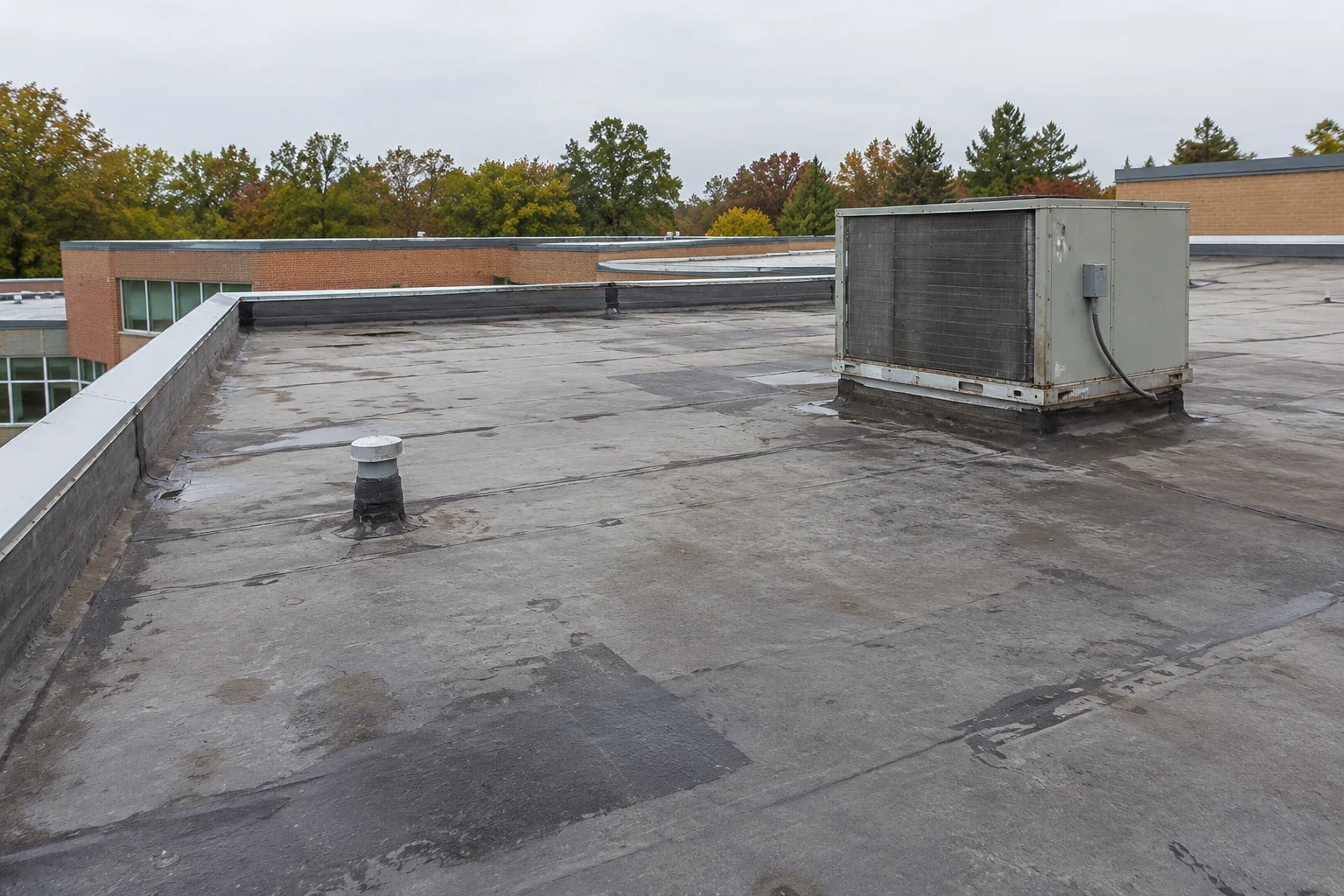
School Roofing
Build a building-by-building roof plan
Service Area
Topeka, Auburn, Silver Lake, Carbondale, Rossville and Shawnee County, KS
Quick Contact
Email: [email protected]
Phone: 555-555-5555
Request a Roof Assessment
Send the Topeka campus address list, roof plans, leak history, academic calendar, and access contacts. We will map tested conditions and identify where further review could change scope.