
School Roofing in Topeka, KS
Home / Property Types We Roof / School Roofing
A wet ceiling over a classroom has to be traced without turning a small stain into a guessed roof quantity. We map the room, inspect the roof details above it, and coordinate access before opening material. Washburn Tech’s main campus east of Wanamaker includes classrooms, labs, and shops across seven buildings. Washburn University’s campus also carries a documented 1966 tornado history. The examples show the range of Topeka education facilities. A current survey maps each district’s roof assembly, access needs, and reported conditions.
Survey: What belongs on a school roof map?
School properties may combine classroom wings, gymnasiums, kitchens, offices, and additions with separate roof elevations. We identify the membrane or metal type, roof edges, drains, skylights, curbs, and prior repairs. A commercial roof inspection records each condition by building and zone. The map helps a district compare recurring leaks with the work completed during an earlier break.
At a gym or assembly space, long interior spans and high ceilings can make the leak point hard to locate from the floor. We compare the report with roof slopes, seams, equipment, and drains before choosing test locations. At kitchens and mechanical rooms, exhaust curbs and service lines need close inspection. The scope names any trade coordination and lists areas that could not be reached during the visit.
Washburn Tech’s main campus includes shop and laboratory spaces, a distinct educational setting with specialized interior use. A K-12 building has its own rooms, access rules, and roof layers. Each campus receives its own access notes and roof records. We confirm the district’s plans, roof-release process, and current leak reports before setting a repair boundary.
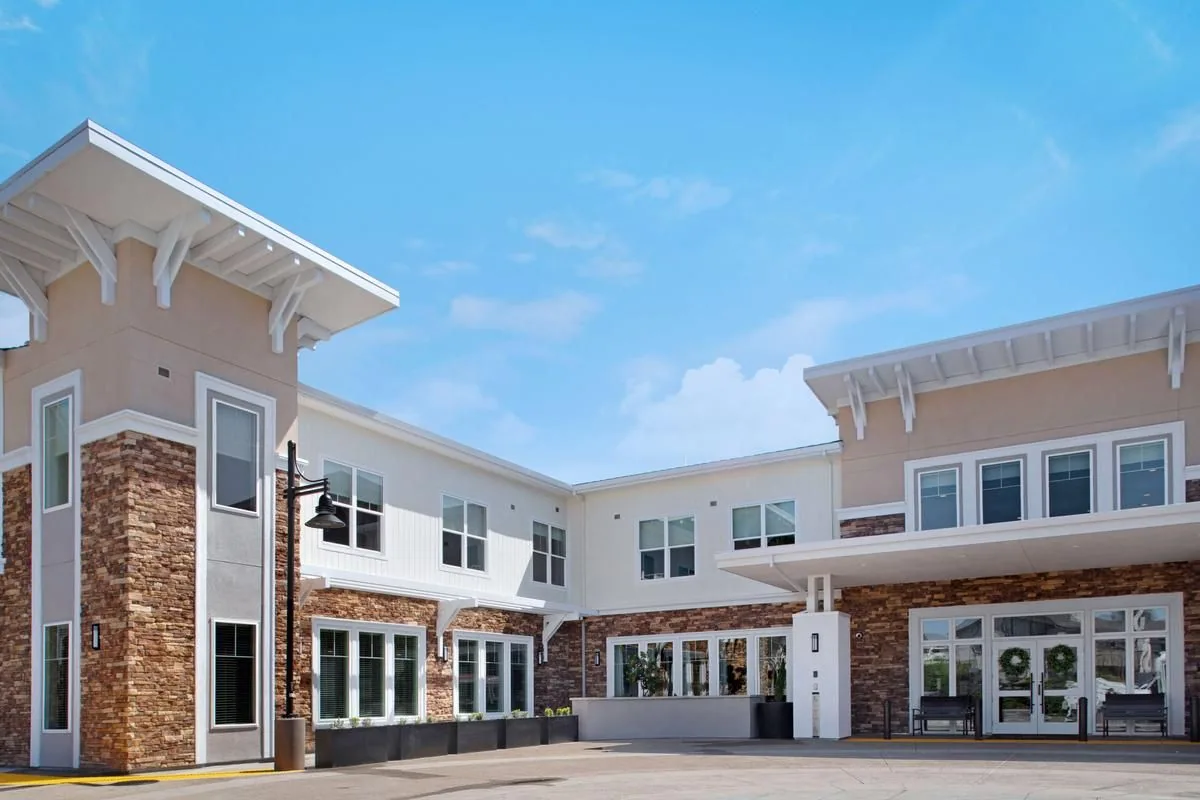
Calendar: How can work fit the school year?
Summer break can offer longer work windows, but school calendars also include maintenance days, evening programs, and occupied summer spaces. We coordinate roof access, delivery, staging, noise limits, and which entrances must stay open. A phased school reroof plan identifies the zone sequence, daily tie-in, and the person authorized to release each building.
Topeka’s weather can interrupt an exterior project. Summer thunderstorms make an open roof a short-term risk, while winter ice can limit safe inspection. We set a stop point before removal and specify how each section will be secured at day’s end. If weather changes the work window, the district receives a status by roof zone, including what remains protected and what still requires a crew.
A leak during the school term or a closure can be routed to a roofer at any hour. We work through the facilities contact to secure the room below and record the temporary measure. Administrators receive a separate repair scope before the affected space is returned to normal use.
Water: How do storms change the inspection?
The 1966 Topeka tornado crossed the city and damaged or destroyed buildings across Washburn University’s campus. That severe-weather history is citywide context, not evidence of damage at a school today. After a reported storm, we inspect the specific address for lifted edge metal, punctures, displaced flashings, and interior water. A storm-damage roof review connects photographs and tested locations to the observed condition.
Water can travel away from its entry point before appearing on a classroom ceiling. We check drain bowls, scuppers, seams, wall transitions, and any low area that holds water after the outlet clears. A drain and scupper review separates an outlet concern from membrane or flashing damage. Moisture scans can identify suspect zones, but confirmation controls removal quantities.
We document the room, date, weather, and whether the leak followed rain, snowmelt, or equipment service. If roof access is unsafe or a room is not available, that limitation remains on the report. A later visit can test the blocked area instead of treating an incomplete survey as a full roof assessment.
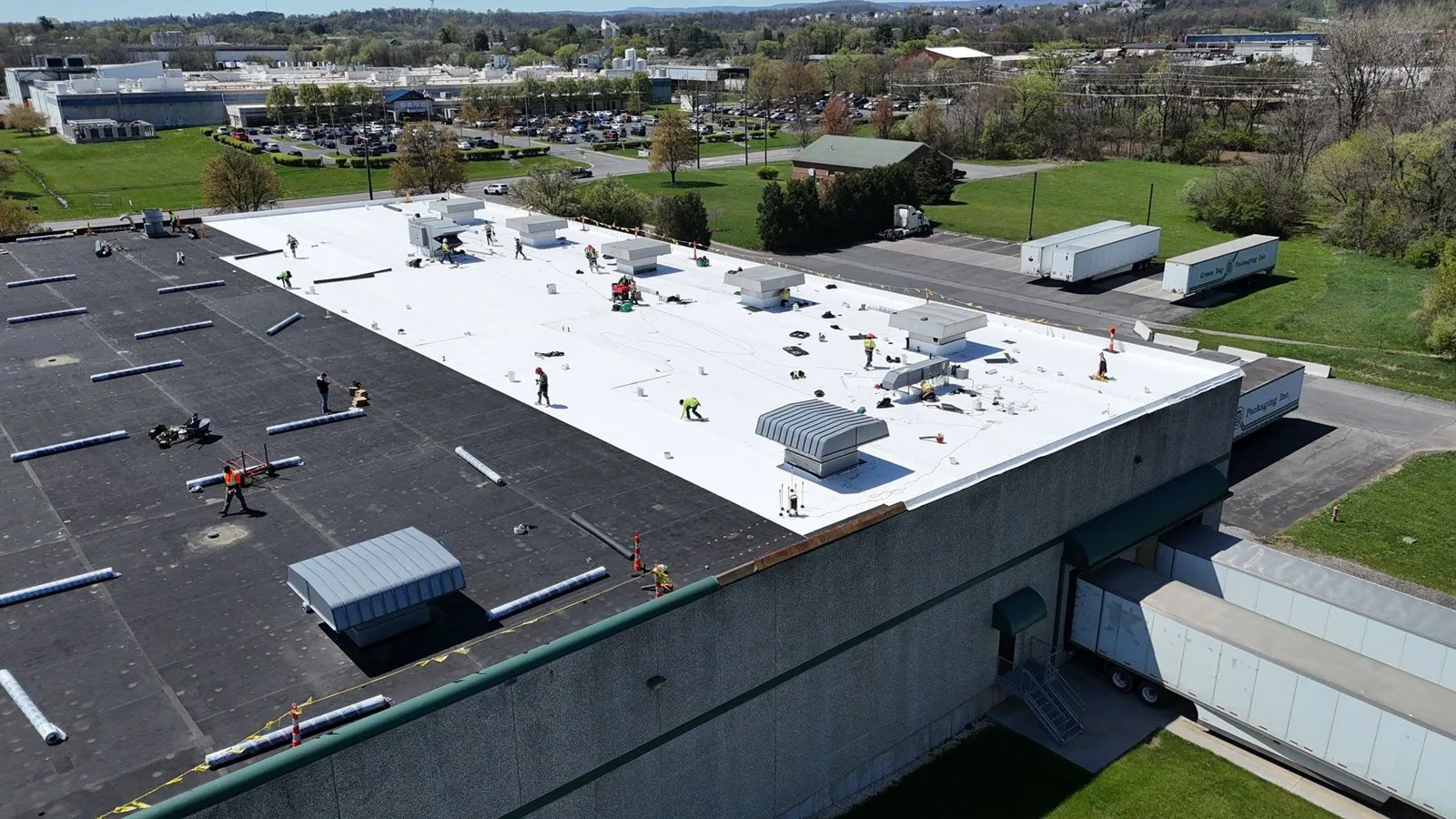
Repair: What can a school repair include?
A localized seam, curb, drain, or flashing defect may be repairable when surrounding insulation and deck remain sound. The proposal identifies preparation, compatible material, dimensions, and closeout photos. A commercial roof repair scope also states the interior protection, access window, and point where concealed conditions need a separate authorization.
If a test opening finds wet insulation or damaged deck, we secure the section and document the measured condition. Work does not expand until the district reviews added cost and timing. A small repair can be completed between occupied periods; a larger removal may require another building release. The owner sees those choices before additional material is taken out.
At a parapet or rooftop unit, we inspect the transition rather than applying material across a visible gap without preparation. If equipment access is controlled by another contractor, the proposal names that dependency. We close each day with a water-shedding tie-in and identify who checks the room or roof after the repair is complete.
Options: When should a district compare replacement?
Repeated leaks across multiple roof zones, widespread wet insulation, or failing attachment can justify a broader capital review. A replacement assessment compares repair, recover, and tear-off based on tested conditions, edge heights, drainage, structural review, and school phasing. Cost drivers include access, test openings, interior safeguards, and the calendar window available.
Education facilities can compare a college or university roof with an office-building roof when evaluating occupied-work sequences. A school still has its own assembly, fire and wind requirements, and maintenance plan. We identify the roof system only after checking the existing layers and confirming the owner's design criteria.
A district can prioritize buildings by documented leak frequency, confirmed moisture, repair history, and the consequence of a missed defect. We separate observed conditions from a planning allowance. That gives facilities staff a defensible order for upcoming projects without presenting an untested roof as failed.
Record: What should facilities keep after closeout?
Keep the building plan, roof-zone map, leak dates, photos, test results, materials installed, and excluded areas together. Each closeout should identify the person who released the roof and the staff member who accepted the finished zone. For multi-building work, separate records prevent one building’s repair from being mistaken for another’s.
Washburn Tech’s main campus has multiple instructional buildings, while Washburn University occupies a campus with a separate history and maintenance context. A school district also manages its own portfolio and access policies. We record the actual roof tested, not a general campus name, and note what still needs confirmation.
If a ceiling leak returns, compare the new report with the previous repair, nearby drains, and any equipment work since closeout. A new stain may follow a different path. A dated record helps the district determine whether to inspect a seam, curb, outlet, or another roof zone before budgeting a wider project.
Commercial Roofing Questions
Can a school reroof be completed during summer break?
Often, if the building is released and the schedule allows the required work. We map zones, delivery, daily tie-ins, and any occupied summer areas first.
What should staff do when a classroom ceiling starts leaking?
Report the room and time, protect contents, and contact facilities. We coordinate an emergency response, inspect the roof path, and separate temporary protection from permanent repair.
How do you inspect a gymnasium roof?
We map interior symptoms to roof slopes, seams, drains, and rooftop equipment. Access and lift requirements are confirmed before choosing test locations.
Can roof work happen while school is in session?
Yes, when the district releases a safe zone and controls access below. We set the work window and secure each section before students or staff use the area.
When should a school roof be replaced instead of patched?
Widespread moisture, repeated failures, or attachment problems can support replacement review. We document tested areas and calendar constraints before comparing costs.
Related Roofing Work
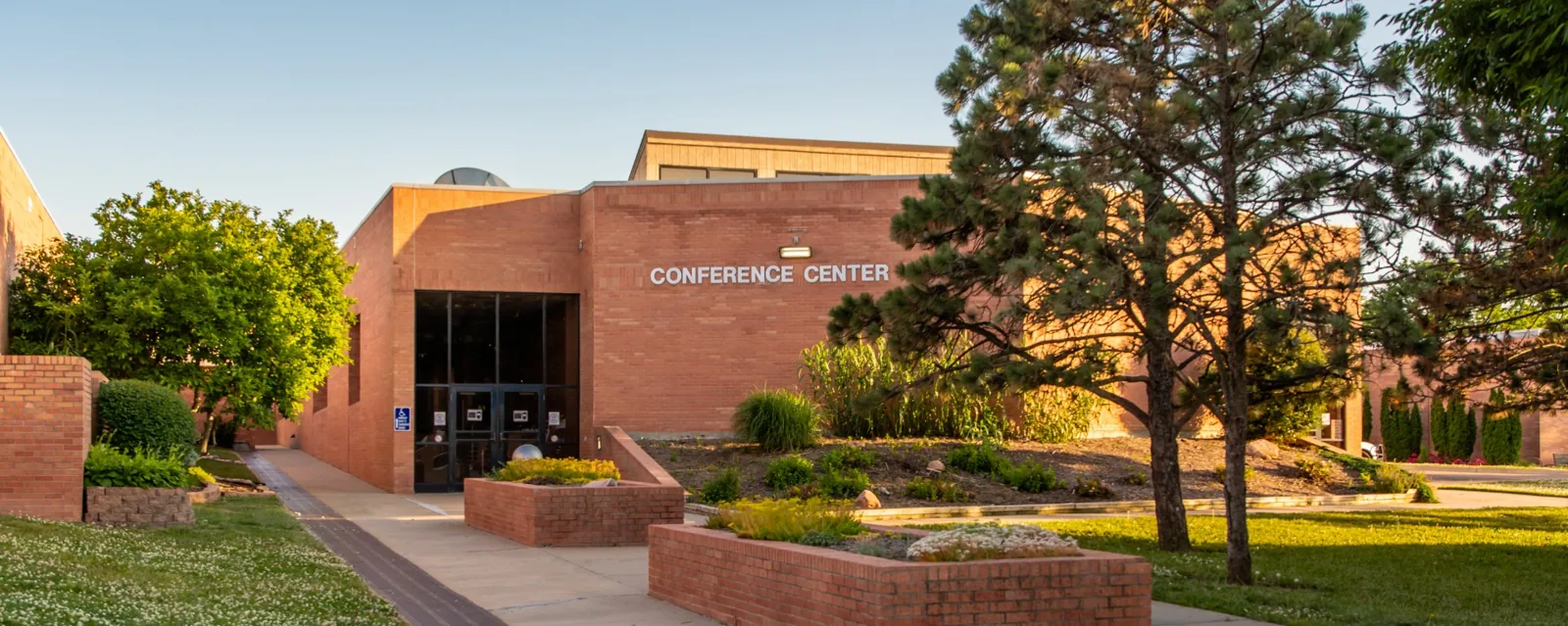
Washburn Tech Main Campus
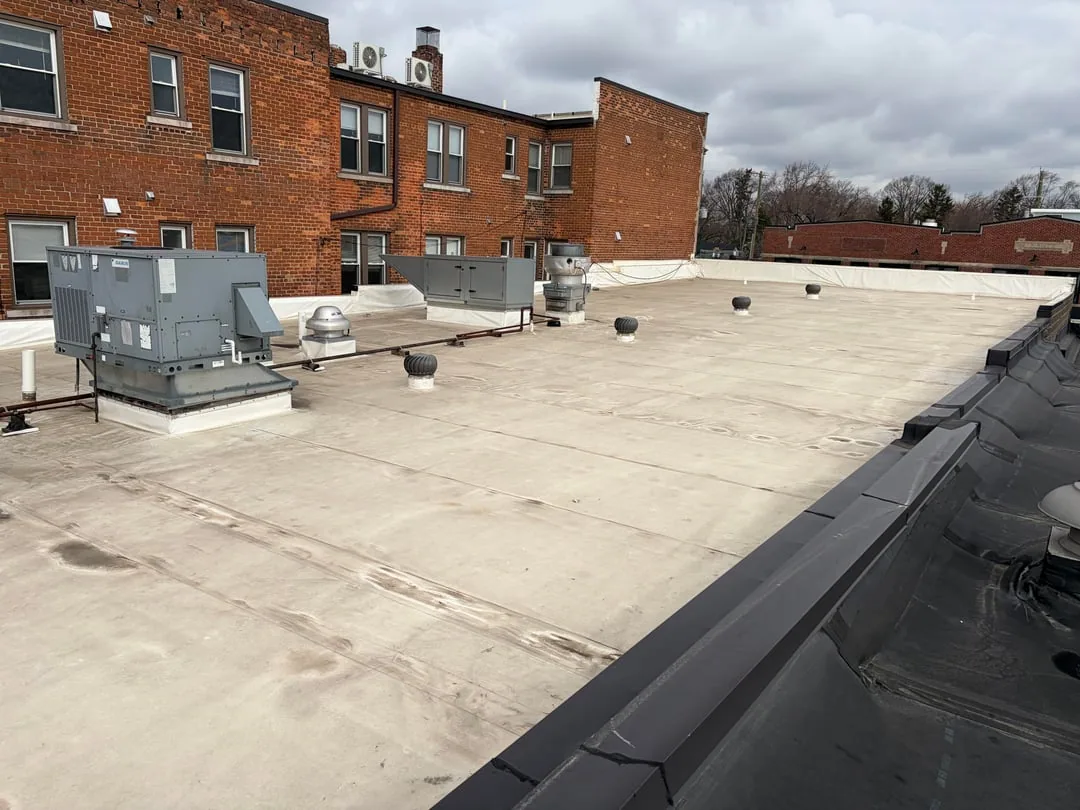
Commercial Roof Inspection
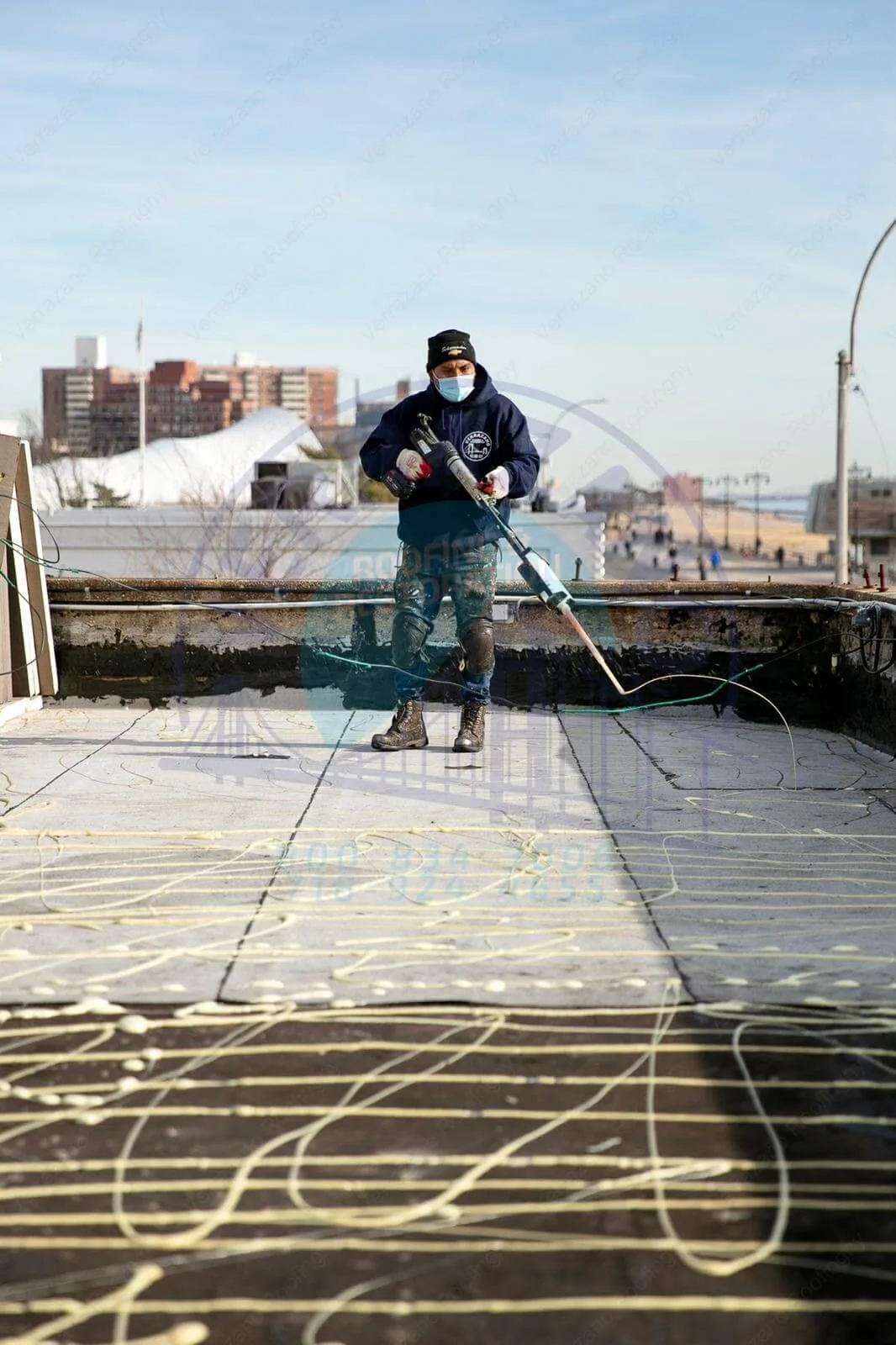
Occupied Commercial Building Reroofing
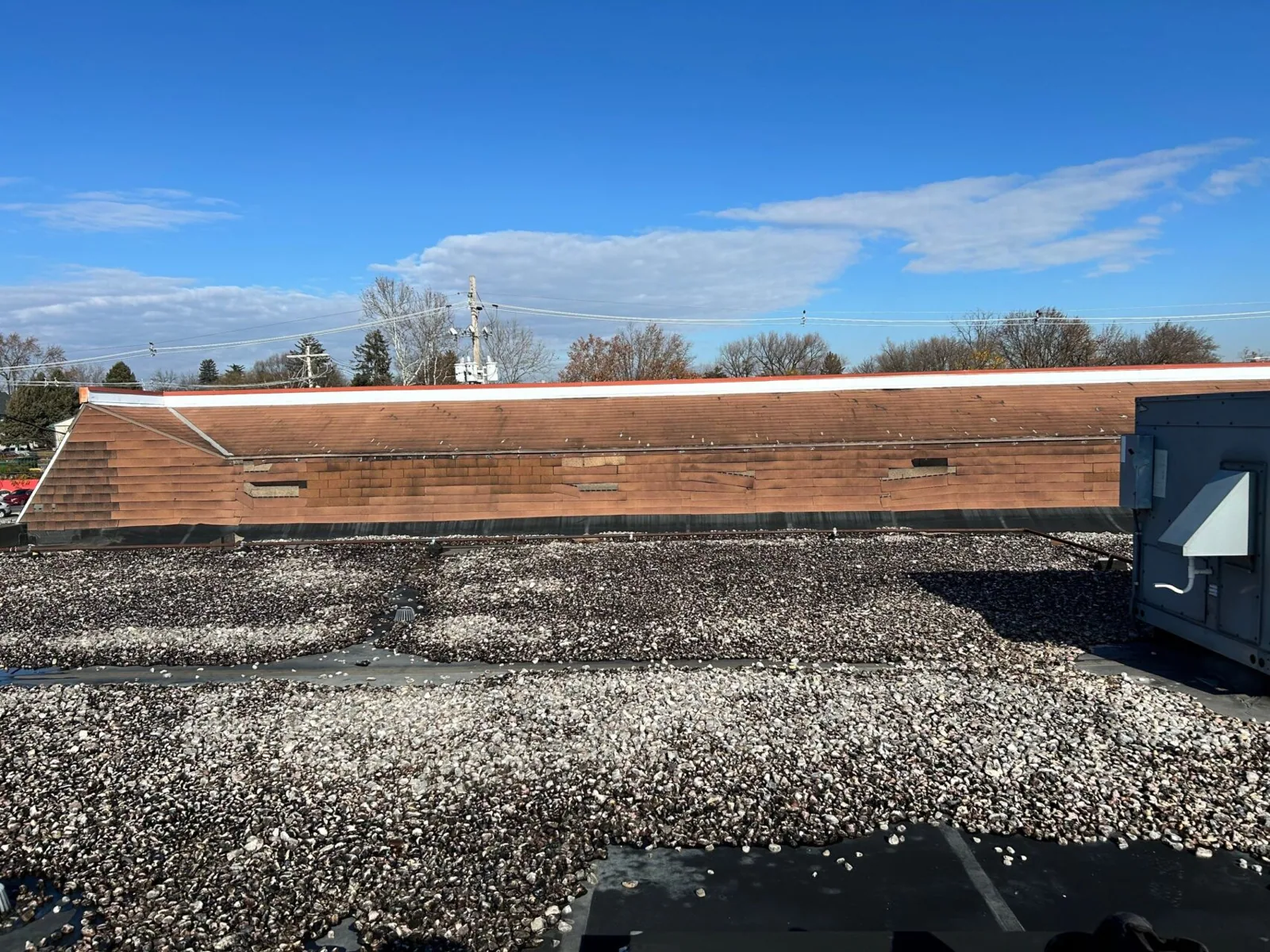
Storm Damage Roof Repair
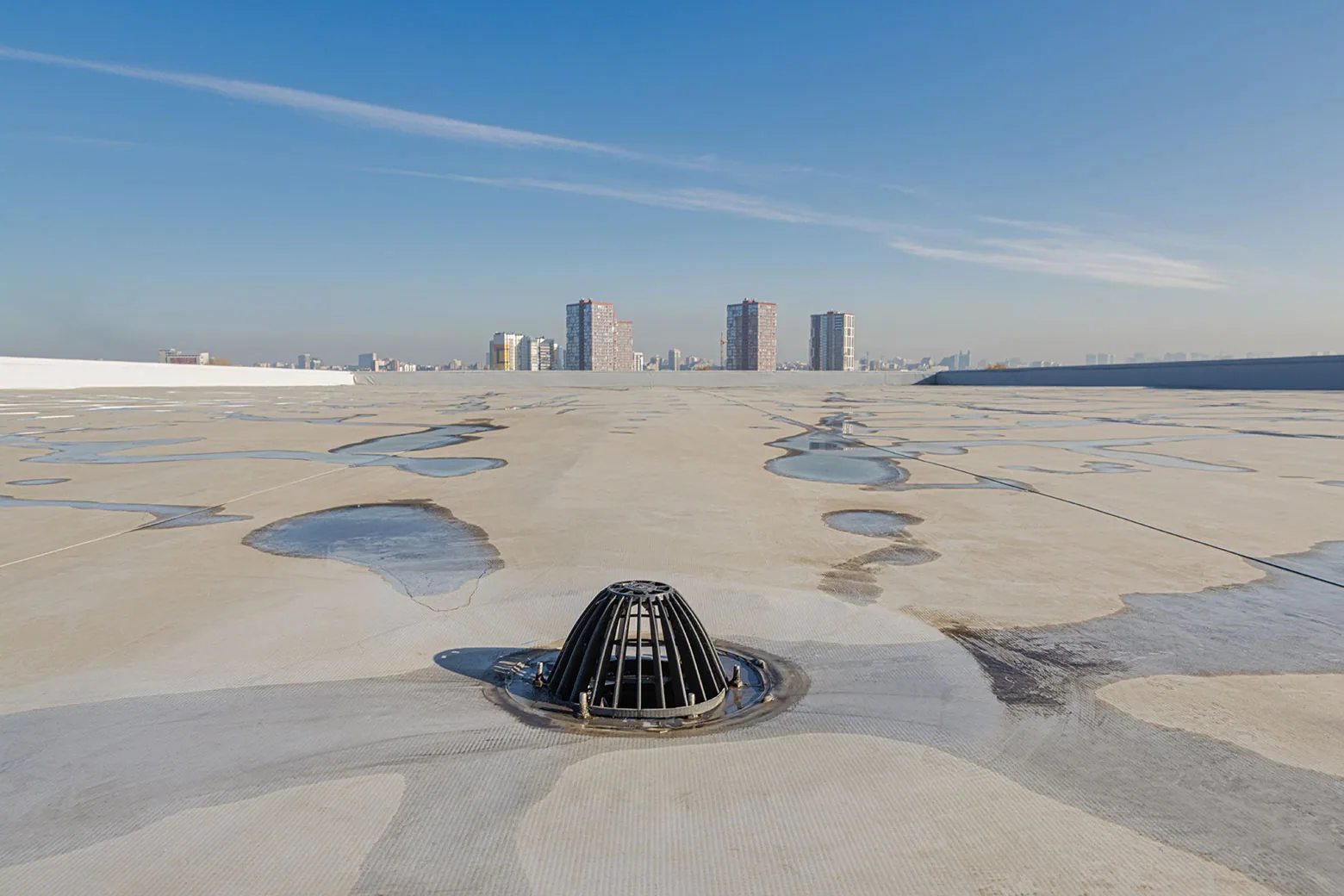
Commercial Roof Drains and Scuppers
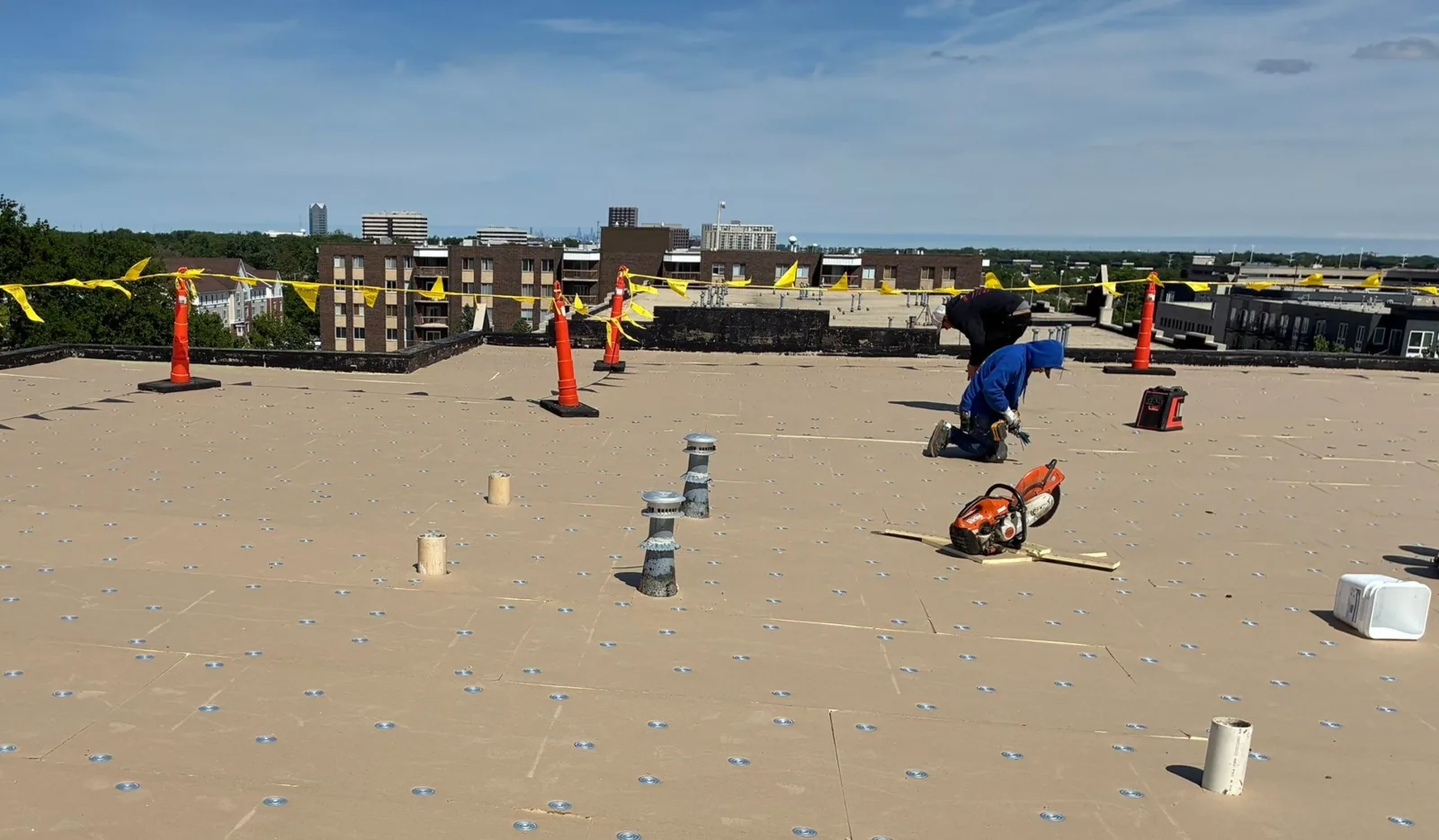
Commercial Roof Repair
Plan a school roof inspection around the calendar
Service Area
Topeka, Auburn, Silver Lake, Carbondale, Rossville and Shawnee County, KS
Quick Contact
Email: [email protected]
Phone: 555-555-5555
Request a Roof Assessment
Send the Topeka school address, building plan, leak locations, school calendar, access rules, and repair history. We will map tested areas and identify timing decisions.