
Fitness Center Roofing in Topeka, KS
Home / Property Types We Roof / Fitness Center Roofing
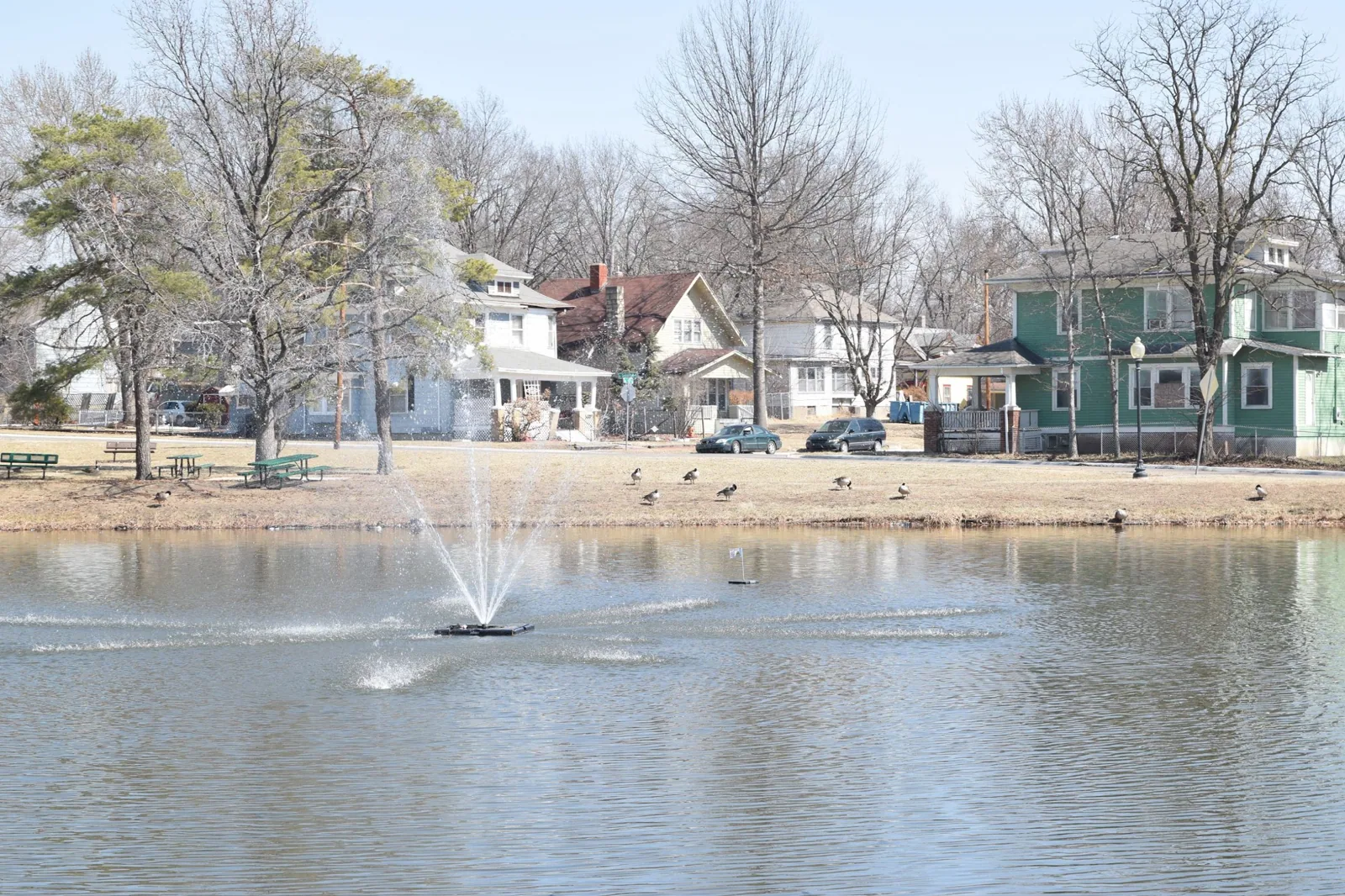
A drip above a weight floor may reach equipment before it reaches a ceiling tile. We compare the report with rooftop units, exhaust penetrations, and nearby drains, then mark the area that needs testing. The repair boundary determines which room or class must move. Topeka’s Central Topeka includes Landon Arena and a separate Exhibition Hall, a local reminder that public-use buildings can have different event spaces and access routes.
Classes: Which rooms can be released?
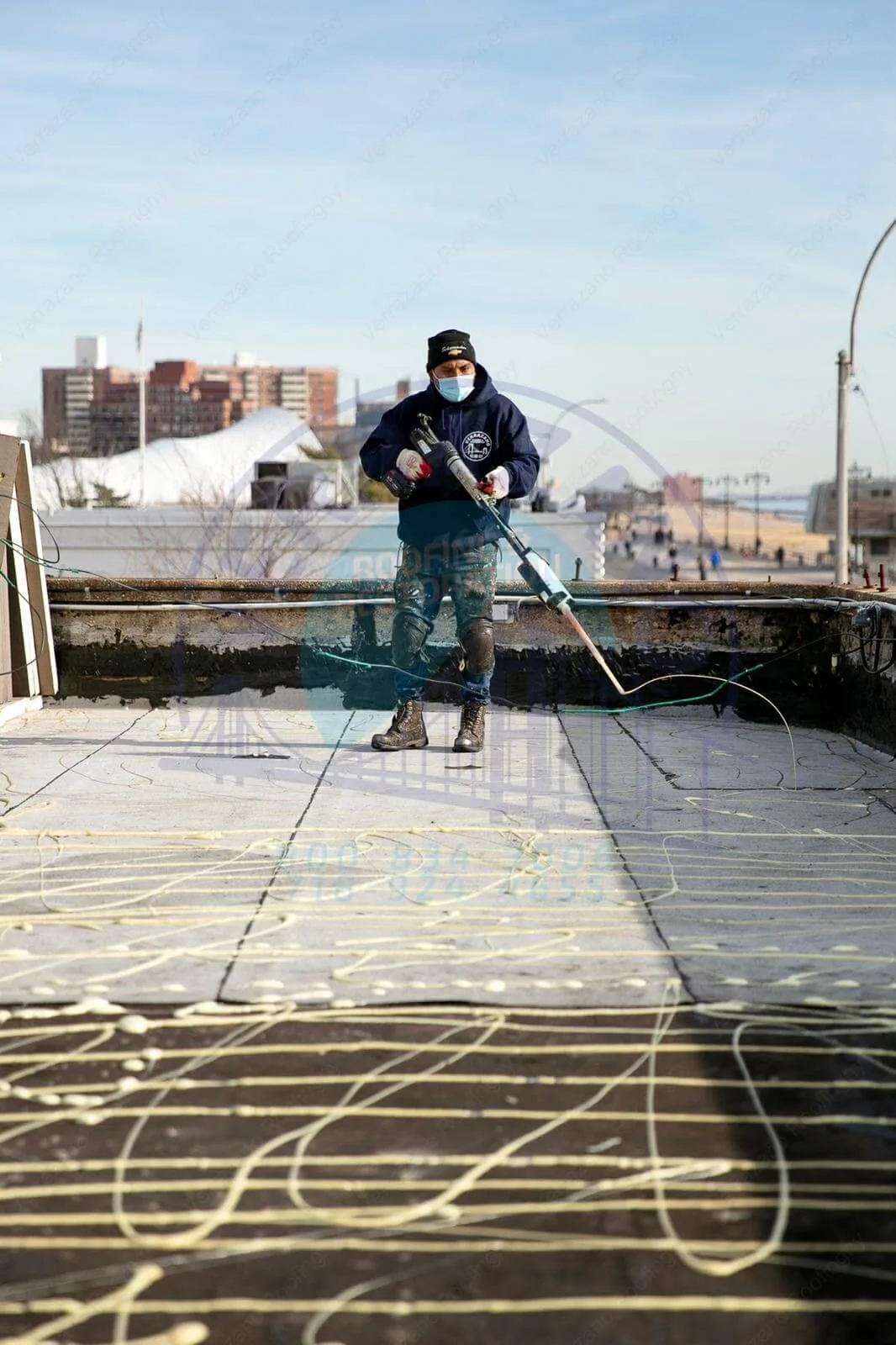
A fitness facility may have training floors, studios, locker rooms, offices, and mechanical spaces under separate roof sections. We map the leak report to the room and identify the roof zone above it. A phased occupied-building schedule states which class area closes, how equipment is protected, and when members can return.
Management confirms class times, personal training appointments, youth programs, and cleaning windows before a lift or interior barrier is set. If a room can close only between scheduled sessions, the roof opening needs a defined start and secure end point. We include setup, debris removal, and the time the floor is released in the work plan so staff can adjust bookings with current information.
Topeka’s Kansas Children’s Discovery Center has indoor galleries and outdoor exhibits, another public-serving destination with distinct interior and exterior areas. A fitness center has its own class and member routes. We confirm those actual access paths, emergency exits, and equipment zones instead of assuming that one room closure clears the entire building.
Schedule roof access around class turnover and keep member paths separated from lifts, debris, and temporary protection. The facility contact identifies rooms that can be released. A delivery window can conflict with class turnover even while work stays above the gym.
Equipment: Is water coming from the roof or HVAC?
Water below an air handler can come from a roof detail, condensate line, or equipment service. We inspect the curb corners, membrane transitions, condensate discharge, and nearby seams, then compare them with the interior timing. A commercial roof inspection records the assembly and conditions visible at the unit.
Repeated service visits can disturb flashing or leave a line unsupported. The facility shares equipment records where available, and we note any coordination needed with the HVAC contractor. A curb and support review separates roof work from equipment service and assigns each dependency. That avoids pricing a membrane repair where the source remains on a drain line.
If water appears far from the equipment room, we compare ceiling reports with roof slope, drains, and seams before opening material. Infrared scanning can guide a test location when the readings will change the removal quantity. The repair proposal shows wet insulation confirmed at an opening separately from any broader area that remains untested.
Repair: How do we keep the training floor usable?
A failed seam, penetration, or curb may take a small repair when adjacent insulation and deck remain dry. The commercial roof repair scope lists preparation, compatible materials, dimensions, floor protection, and the closeout inspection. We also state who approves additional removal if the opening shows a larger wet area.
Where the repair sits over treadmills, courts, or free-weight equipment, staff identify what must move and the route that can carry it. We record which portion of the training floor is off-limits and how the barrier will be removed. If work spans more than one shift, the daily tie-in and overnight protection are included before the first opening.
An urgent leak can reach the on-call roofing crew outside class hours, including weekends and holidays. We coordinate access with the manager and protect the affected equipment or floor. Temporary mitigation is logged before the permanent roof detail is priced. The reopening note identifies the room cleared and any follow-up check still due.
Weather: Which checks fit Topeka’s seasons?
Topeka climate normals average about 36.5 inches of annual precipitation, including summer thunderstorms and winter precipitation. We check that drain bowls clear, scuppers discharge, and no low area holds water after the outlet opens. Seasonal maintenance can catch a blocked route before water reaches a studio or equipment floor.
Northeast Kansas storm records include destructive hail and wind. When a fitness manager reports activity at the property, we inspect coping, edge metal, seams, skylights, and equipment flashings. A regional event is a reason to check the building; photographs and field dimensions establish any damage at the address.
Snow or ice can block access to a rooftop unit or make the route unsafe. We identify the area not reached, handle any active interior leak, and return when access allows. The report separates a weather-limited survey from a completed inspection so the manager can choose the next work window.
Options: When is a larger roof project justified?
Multiple leaks around separate mechanical zones, wet insulation in several openings, or widespread seam wear can support a broader review. A replacement comparison weighs repair, recover, and tear-off against the confirmed roof assembly, drainage, equipment access, and class schedule. Cost and duration depend on test results, work height, interior protection, and the number of rooms available for phasing.
A school roofing plan may also coordinate lessons and occupied rooms, while hotel roof work may fit around guest use. A fitness center adds equipment moves, class bookings, and member circulation. We map those operations to roof zones before comparing materials or setting the schedule.
TPO, PVC, EPDM, modified bitumen, coatings, and metal systems differ in seam and flashing details. The selected assembly must fit the existing substrate, project criteria, and rooftop equipment layout. The TPO system option is considered where those conditions support it. We give the owner measured findings and a clear list of rooms that need to close in each phase.
Record: What should the facility manager keep?
Retain the roof map, leak date and room, equipment service notes, photographs, test readings, materials, and repair dimensions. Note class cancellations, equipment moves, access limits, and when a room returned to use. Keep any roof zone not inspected visible on the same map.
If a new drip appears, compare its room and timing with the last repair, unit service, and drain condition. A similar ceiling symptom may have another cause. The file helps staff request a focused follow-up rather than reopening a dry roof detail without new evidence.
Send the Topeka address, room report, class calendar, rooftop equipment list, and access contact. We will identify the tested zone, member protection, and a repair window that staff can schedule.
Commercial Roofing Questions
Can a fitness class continue while roofers work overhead?
Only when the facility releases a safe zone and the room below can be protected. We coordinate the closure, daily tie-in, and reopening check with the manager.
How do you tell an HVAC leak from a roof leak?
We compare the water timing with equipment service and inspect the curb, condensate route, seams, and roof drains. Testing identifies which system needs the next repair.
Do treadmills and free weights need to move?
That depends on the repair location and protection required. The facility identifies movable equipment; we state the clear area and route before scheduling roof removal.
Can emergency roof service come before the center opens?
An on-call crew can respond outside class hours, on weekends, and on holidays. The manager coordinates entry, and we record temporary protection separately from permanent repairs.
What would make replacement more practical than another repair?
Failures across separate roof zones, repeated leaks at equipment curbs, or wet insulation beyond one opening can support comparison. Inspection results define the options.
Related Roofing Work
Central Topeka
Occupied Commercial Building Reroofing
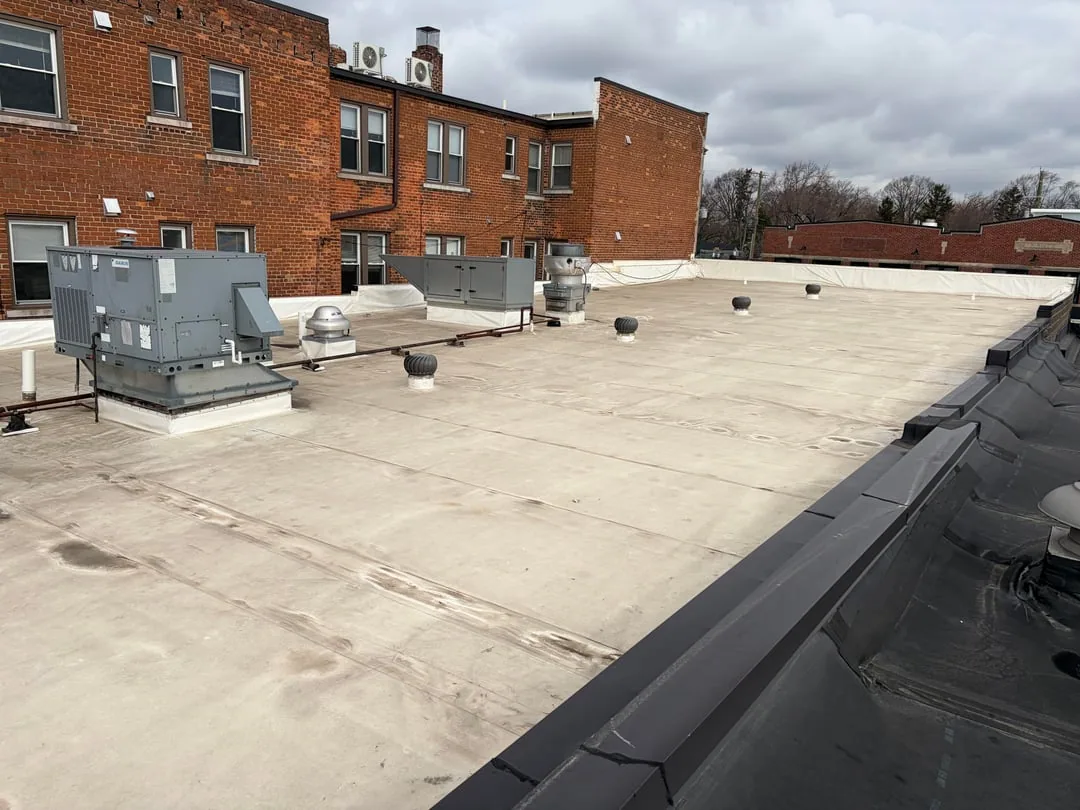
Commercial Roof Inspection
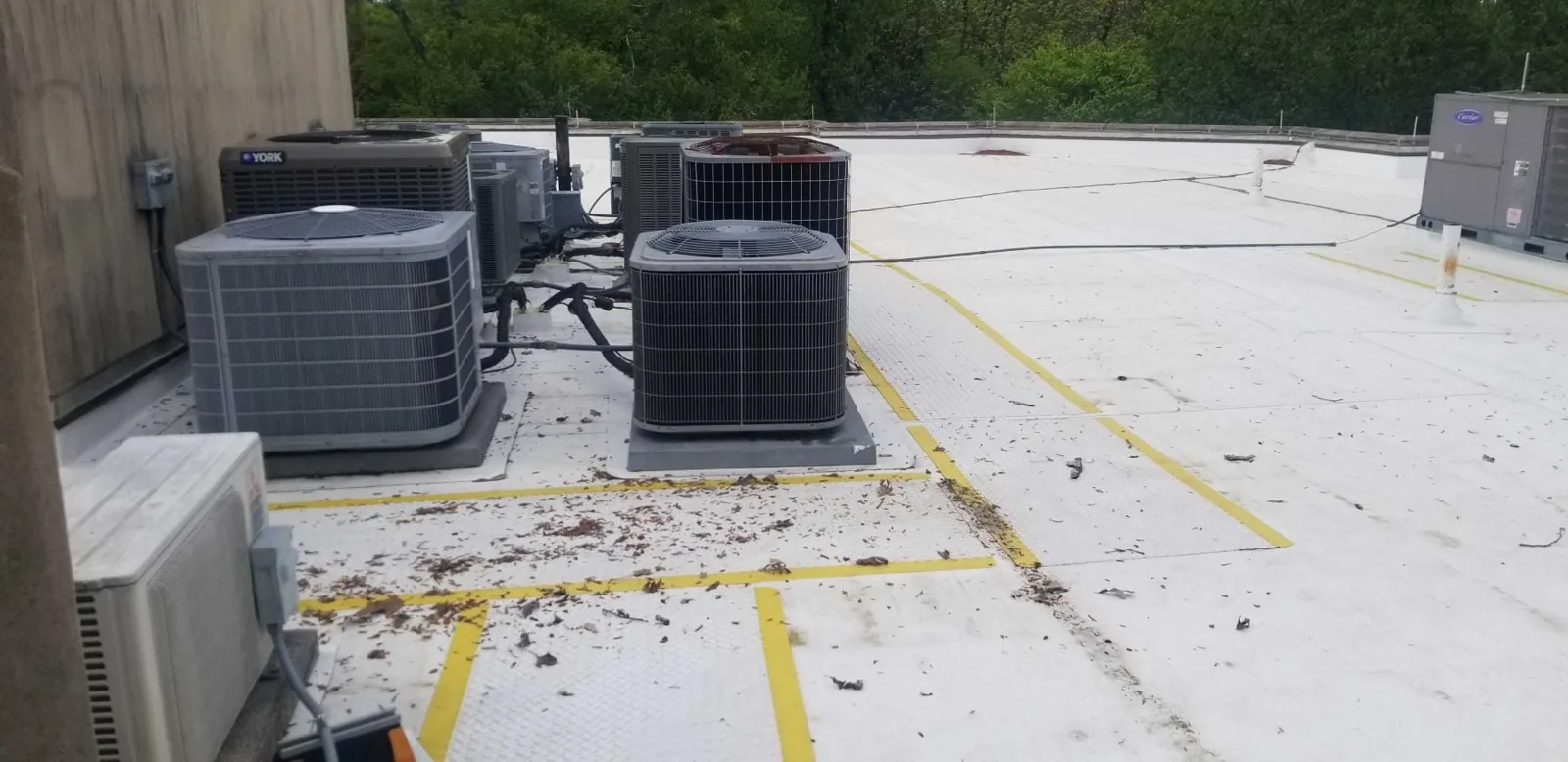
Commercial Rooftop Equipment Curbs and Supports
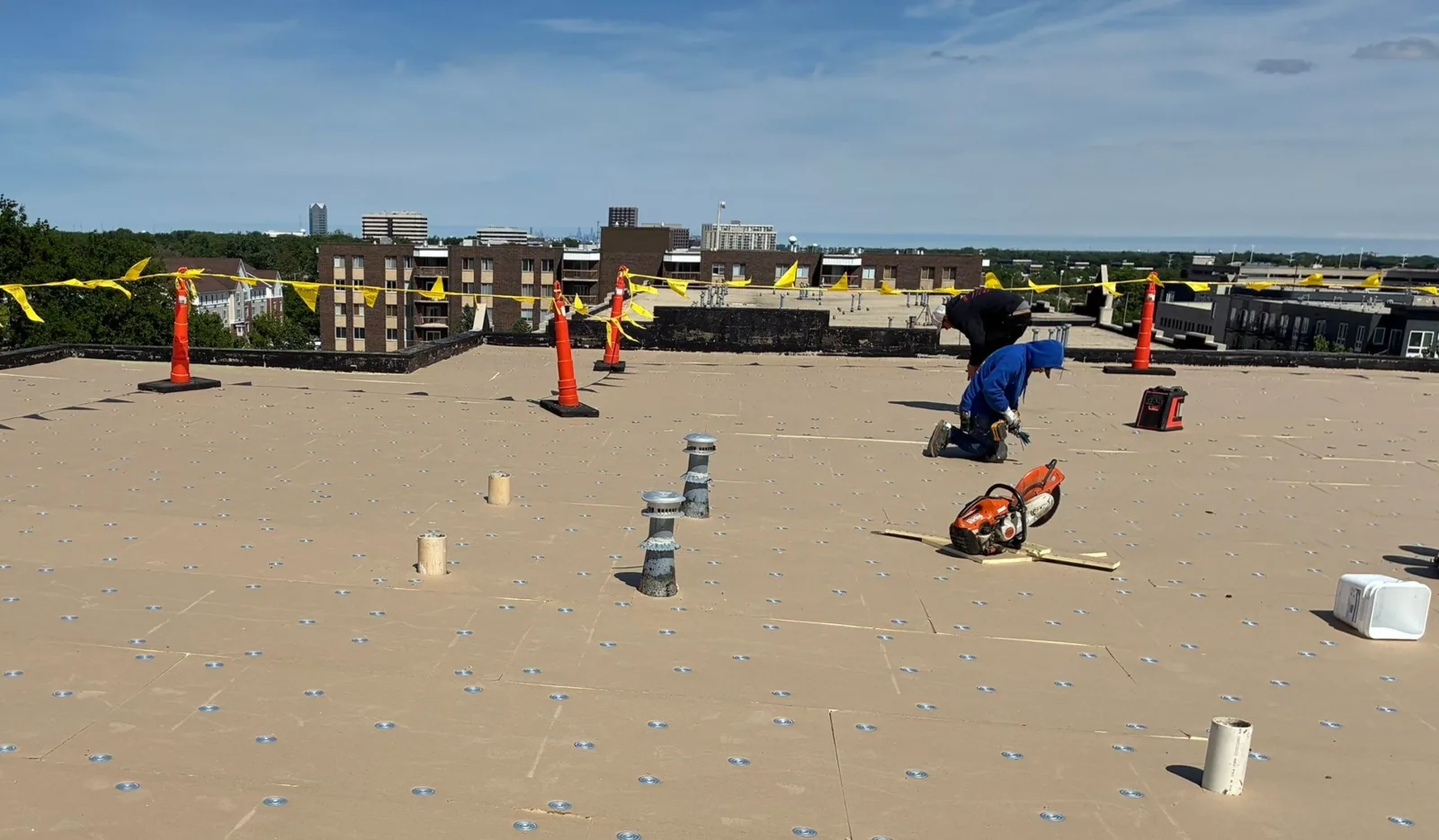
Commercial Roof Repair
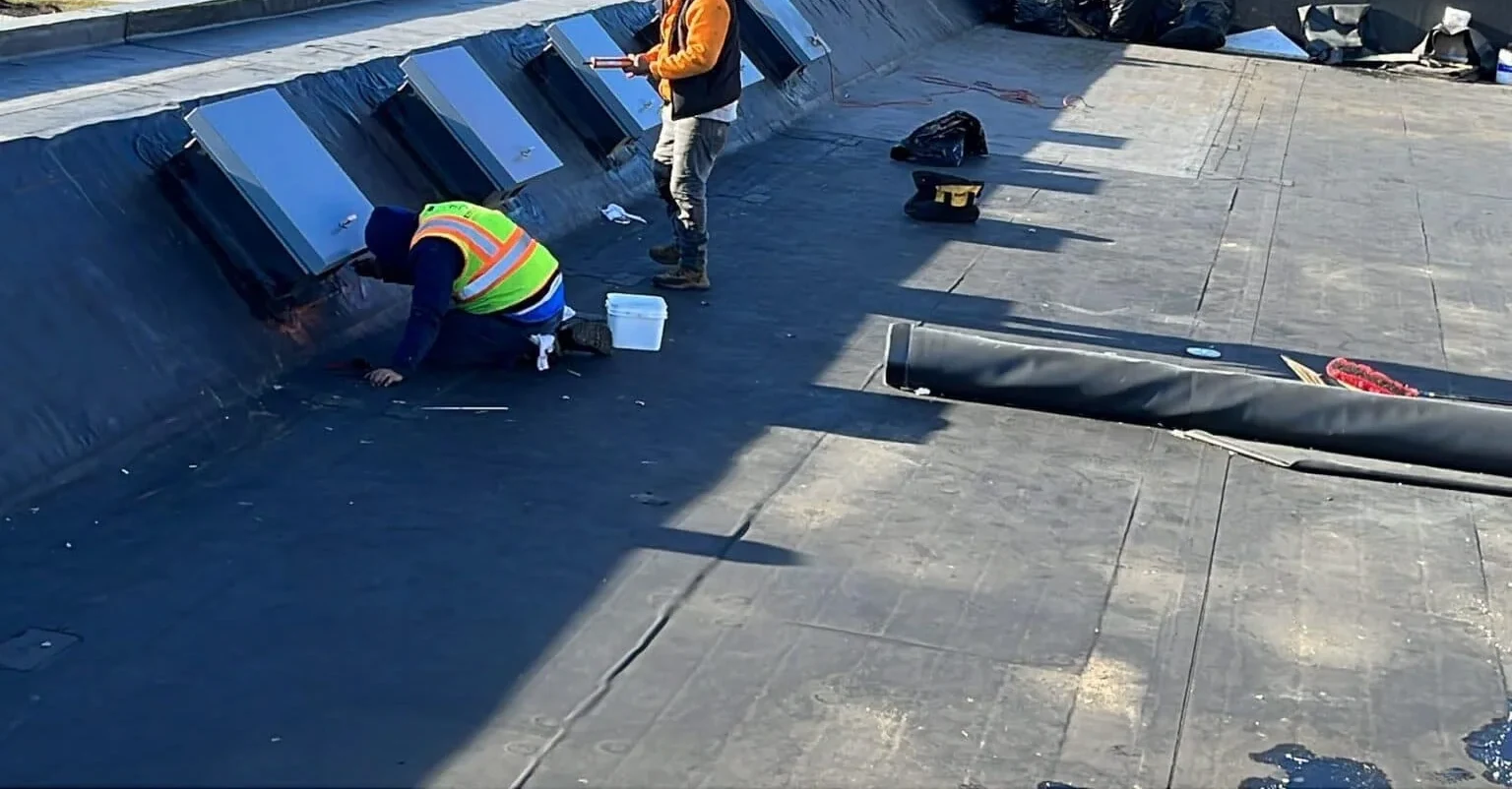
Commercial Roof Replacement
Schedule roof work around fitness operations
Service Area
Topeka, Auburn, Silver Lake, Carbondale, Rossville and Shawnee County, KS
Quick Contact
Email: [email protected]
Phone: 555-555-5555
Request a Roof Assessment
Send the Topeka address, affected room, class schedule, equipment list, and access contact. We will set the tested boundary and member-protection plan.