
Government Building Roofing in Topeka, KS
Home / Property Types We Roof / Government Building Roofing
A public lobby can stay open while a roof section above it is under repair, but only when entry, protection, and daily tie-ins are planned together. We map the reported condition to the roof zone, test the suspect detail, and state which public route needs control. The Kansas State Capitol’s copper dome and visitor tours show the range of access constraints at a civic destination. The nearby Capitol District is one of downtown’s planning areas. Every government property still needs its own roof survey and operating plan.
Public Access: Which routes remain available?
Government facilities can combine offices, counters, meeting rooms, public records, and secure work areas. We ask the facility contact to identify entrances, hours, escort rules, loading points, and any room that cannot close during business. A public-building phasing plan lists daily roof zones, pedestrian detours, overhead protection, and the person authorized to reopen each route.
A crane, lift, or material drop may require a curb lane or staff parking area. We place that control on the schedule and name any dependency on traffic, security, or another trade. The Topeka and Shawnee County Public Library has a documented major expansion. For any public property, current plans and field dimensions identify the roof sections in scope.
Public agencies often need a record that connects the approved scope with the installed work. We label each roof area, photo, test opening, and material. If the inspection cannot reach a section because of equipment or access limits, the report names it. This makes the boundary visible to facilities, procurement, and the staff member who accepts the completed phase.
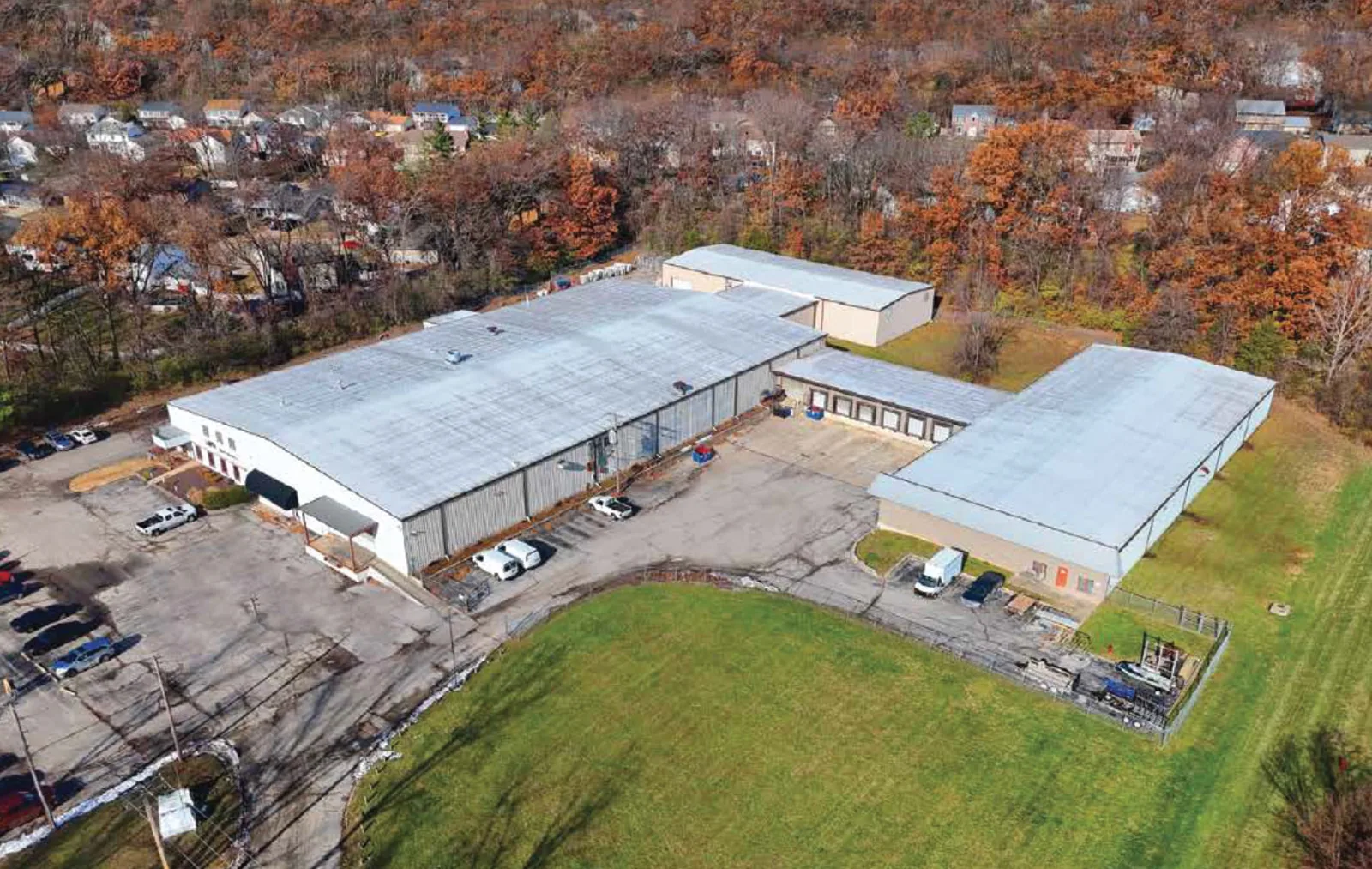
Survey: What does the condition report need to prove?
A ceiling leak near a public counter may follow a parapet, curb, or drain from another part of the roof. We log the room, time, and weather, then compare it with roof slope, laps, penetrations, and past repairs. The commercial roof inspection records visible defects and defines where moisture testing can change the work quantity.
For a broad membrane area, an infrared reading is a screening result, not a removal dimension by itself. We confirm suspect areas with a test opening where needed and record the wet insulation, deck condition, and repair boundary. A photo condition report can help facilities compare current findings with earlier annual records and planned capital work.
Downtown Topeka’s master plan identifies nine districts with office, civic, retail, cultural, and adaptive-reuse opportunities. A government roof near the Capitol District may have different staging limits than an outlying service building, but the report follows the same field method. It shows roof access, tested sections, excluded areas, and any condition that remains unresolved.
Scope: How can the agency control added work?
The bid scope should identify preparation, membrane type, flashing detail, dimensions, access, and closeout checks. We separate the base repair from any concealed damage that could appear after removal. The commercial roof repair proposal names who may approve added quantities and what evidence supports each change.
If an opening exposes wet insulation beyond the tested section, we protect the roof and document the new boundary. Agency staff can authorize measured removal, issue a separate work order, or defer the added area. That decision should not leave an open assembly exposed. The daily report records temporary protection, weather limits, and the condition needed before the next phase proceeds.
Emergency response is available after ordinary office hours, weekends, and holidays. We coordinate keys or escort access with the designated contact, protect the affected room, and record the temporary action. Permanent repair follows after safe roof access and compatible materials are confirmed. The agency receives a separate description of the lasting work and any follow-up inspection date.
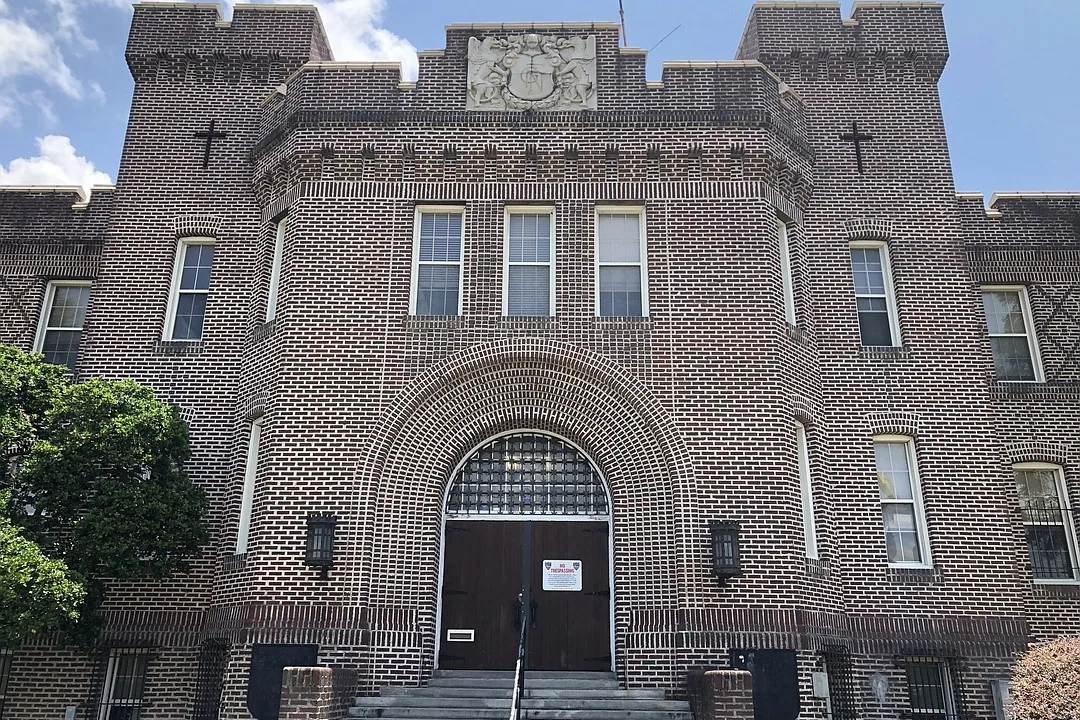
Weather: Which details need seasonal review?
Topeka averages about 36.5 inches of annual precipitation, with thunderstorms and winter precipitation in the local record. Before a wet period, we check roof drains, scuppers, seams, and transitions around public entrances. After snowmelt, a return visit can show whether a low area drained or retained water after the outlet cleared. The observation changes whether the scope addresses flow, slope, or membrane condition.
The 1966 tornado damaged or destroyed every building on Washburn University’s campus. That storm belongs to Topeka’s history; today, we inspect the government roof for its own current evidence, including edge movement, punctures, and open seams. A storm damage inspection separates observed impact from older deterioration before any claim documentation is prepared.
Winter access can stop an inspection before every roof zone is reached. We note ice, snow cover, or a restricted route and schedule another look when conditions allow. If water is entering, interior protection may proceed while roof work waits for safe access. The public route and the roof opening both need a documented status at the end of the shift.
Procurement: What belongs in the options comparison?
When several roof sections fail or moisture tests confirm a broad wet area, the agency may compare repair, recover, and tear-off. A replacement assessment ties quantities to the verified assembly, deck, drainage, equipment, and access plan. Cost and duration depend on removal depth, occupied areas, staging restrictions, and how many zones can be released together.
Project criteria determine whether TPO, PVC, EPDM, modified bitumen, coating, or metal fits the building. The scope should identify seams, edge metal, flashings, and penetrations that accompany the selected system. A office-building roof assessment may share records and access planning with a government office, while an assembly-building scope has different approval and public-use patterns.
For a public portfolio, roof capital planning can group condition findings by priority and anticipated work window. The facility owner decides the funding sequence. We provide measured quantities, test limits, and dependencies so the comparison can show what each alternative includes rather than leave the boundary implied.
Closeout: Which records finish the job?
Keep the roof plan, procurement scope, approvals, photographs, test results, material data, and closeout inspection together. Record who released each public area and when barricades or overhead protection came down. Note any roof zone left untested, any warranty documents received, and any follow-up that remains scheduled.
If a new leak is reported, compare its room and date with the last repair and roof section map. A repeat stain can follow a new path. The job file gives maintenance staff the earlier dimensions and images needed to decide whether to call for a focused test or reopen an approved scope.
Send the Topeka facility address, public hours, access contact, roof plans, and prior repair records. We will identify the tested boundary, public-route controls, and approvals needed before work begins.
Commercial Roofing Questions
How do you keep a public entrance open during roof repairs?
We identify the lift path, roof section, overhead protection, and a safe detour before setting the work window. The facility contact confirms which entrance can close and when it may reopen.
What documentation accompanies a government roof repair?
The closeout can include roof-zone photos, tested dimensions, materials, change approvals, and the final tie-in check. We also list inaccessible areas and follow-up conditions.
Can the agency separate added removal from the original bid?
Yes. We stop at the approved boundary, protect the opening, and submit the measured concealed condition for authorization before adding quantities.
What if a leak is reported after public hours?
A duty crew can be reached outside the facility’s regular schedule. We coordinate entry with the authorized contact, protect the room, and record what remains for permanent repair.
When should a public facility compare replacement options?
Multiple failed sections, recurring seam repairs, or moisture confirmed beyond one opening can support a capital review. Field tests set the area included in each alternative.
Related Roofing Work
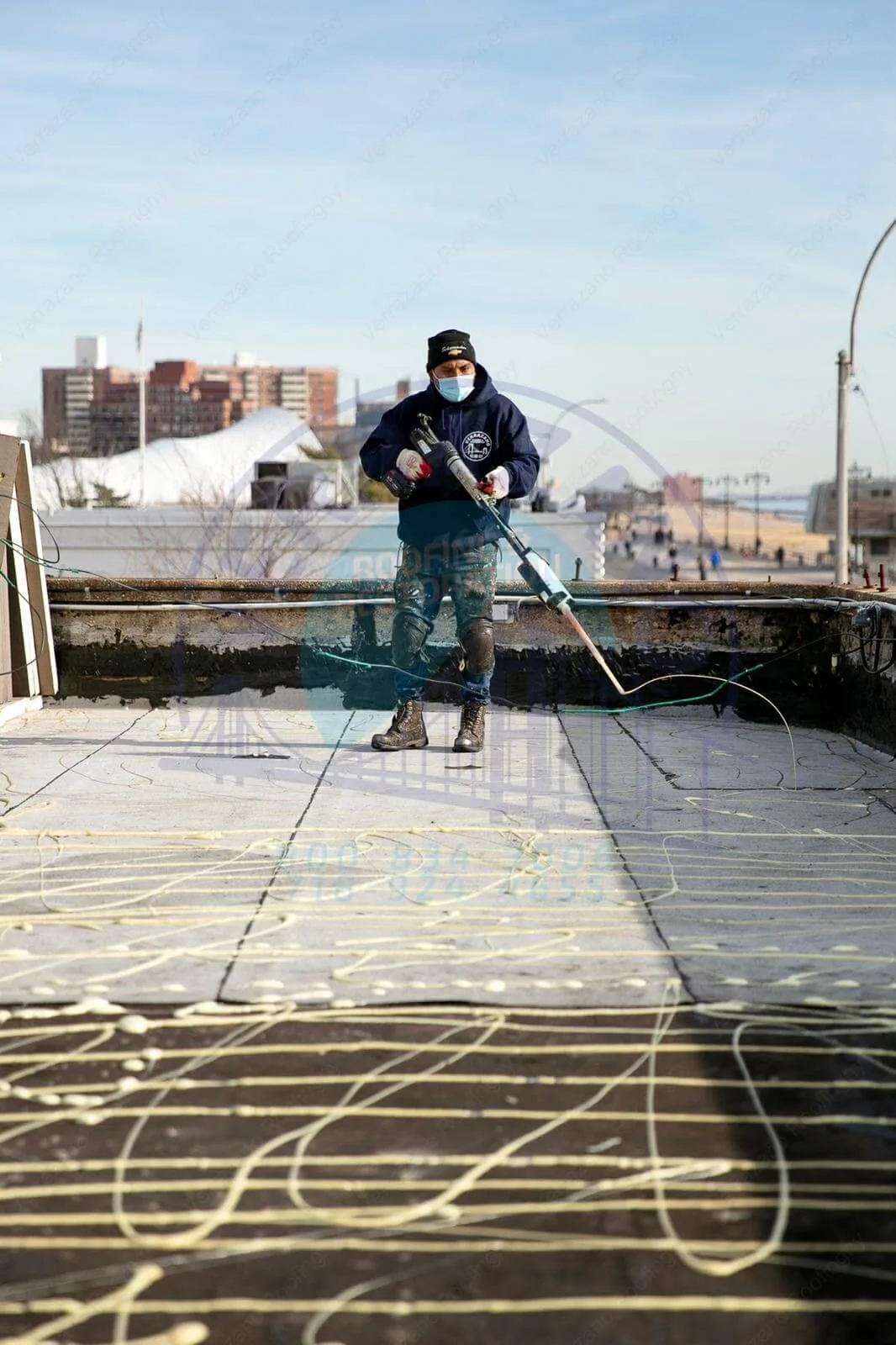
Occupied Commercial Building Reroofing
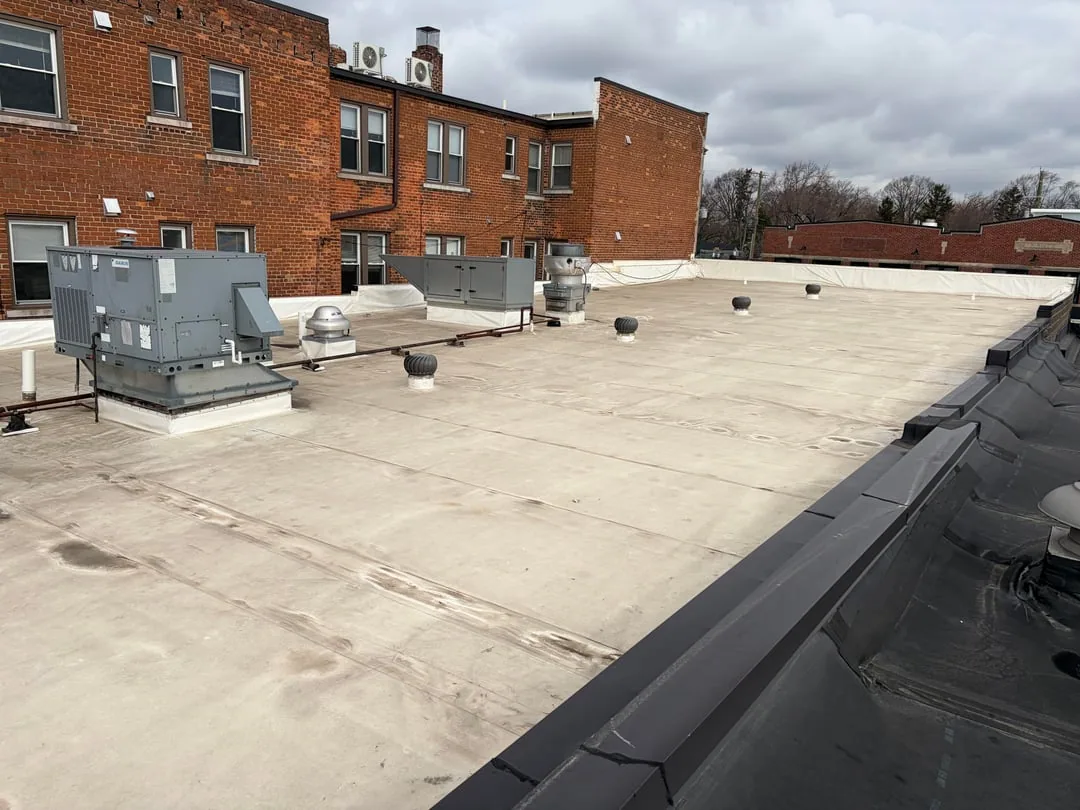
Commercial Roof Inspection
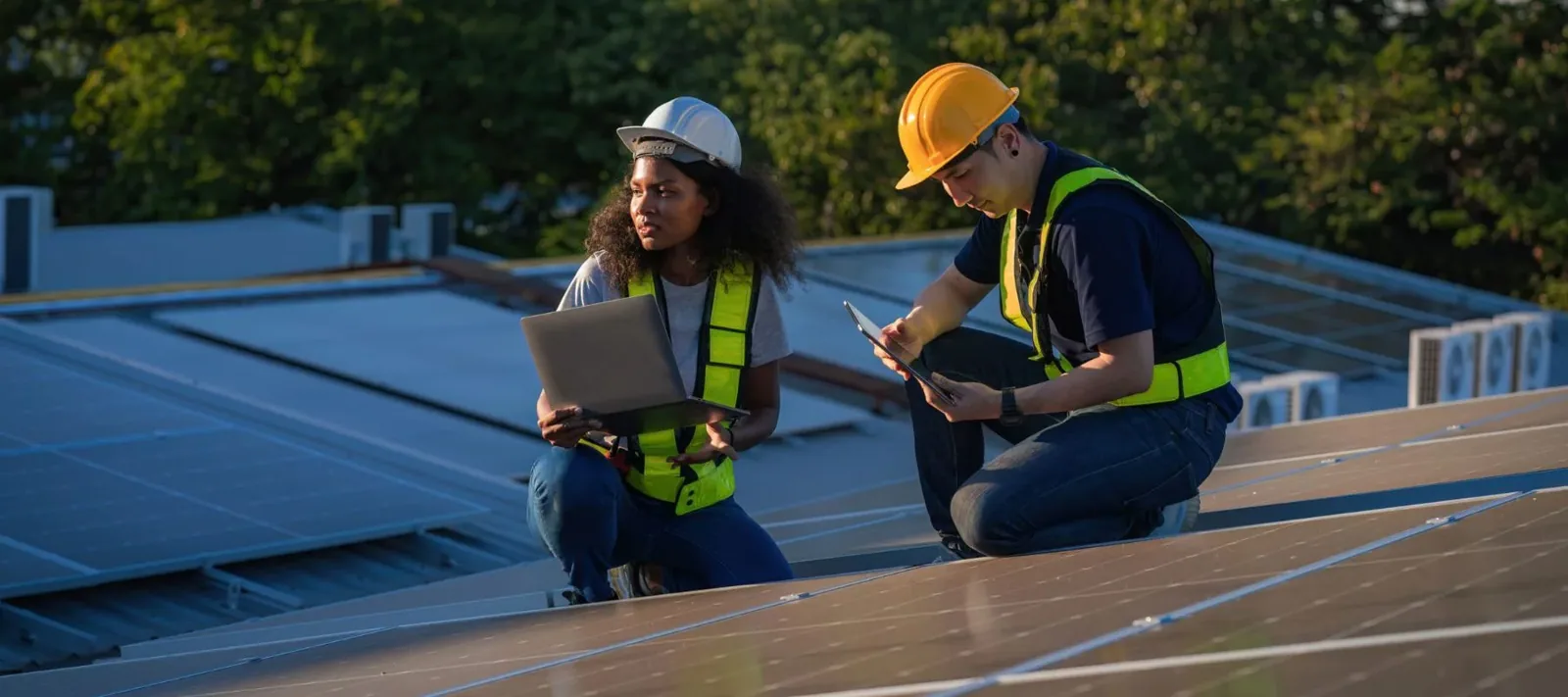
Commercial Roof Condition Reports
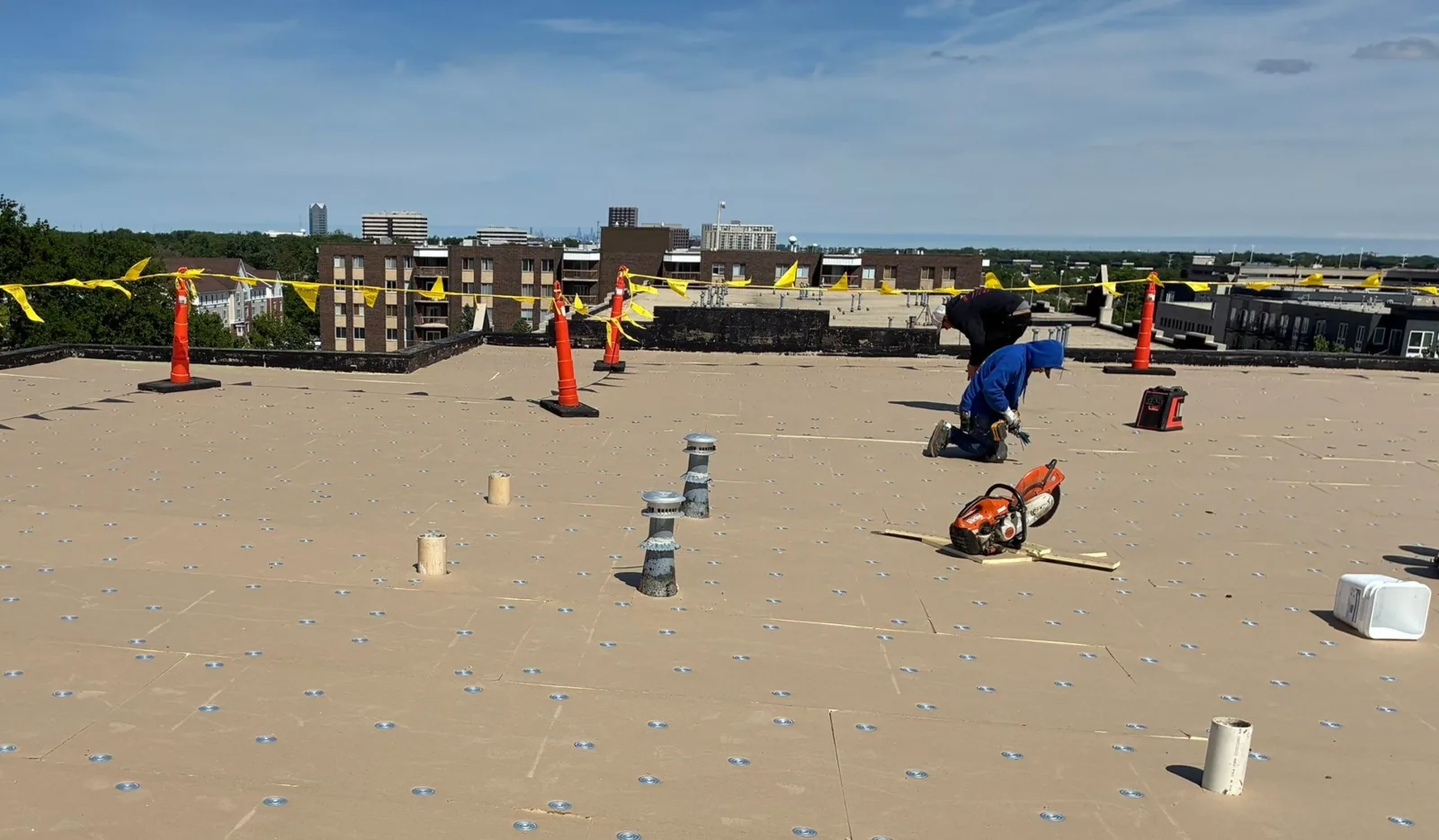
Commercial Roof Repair
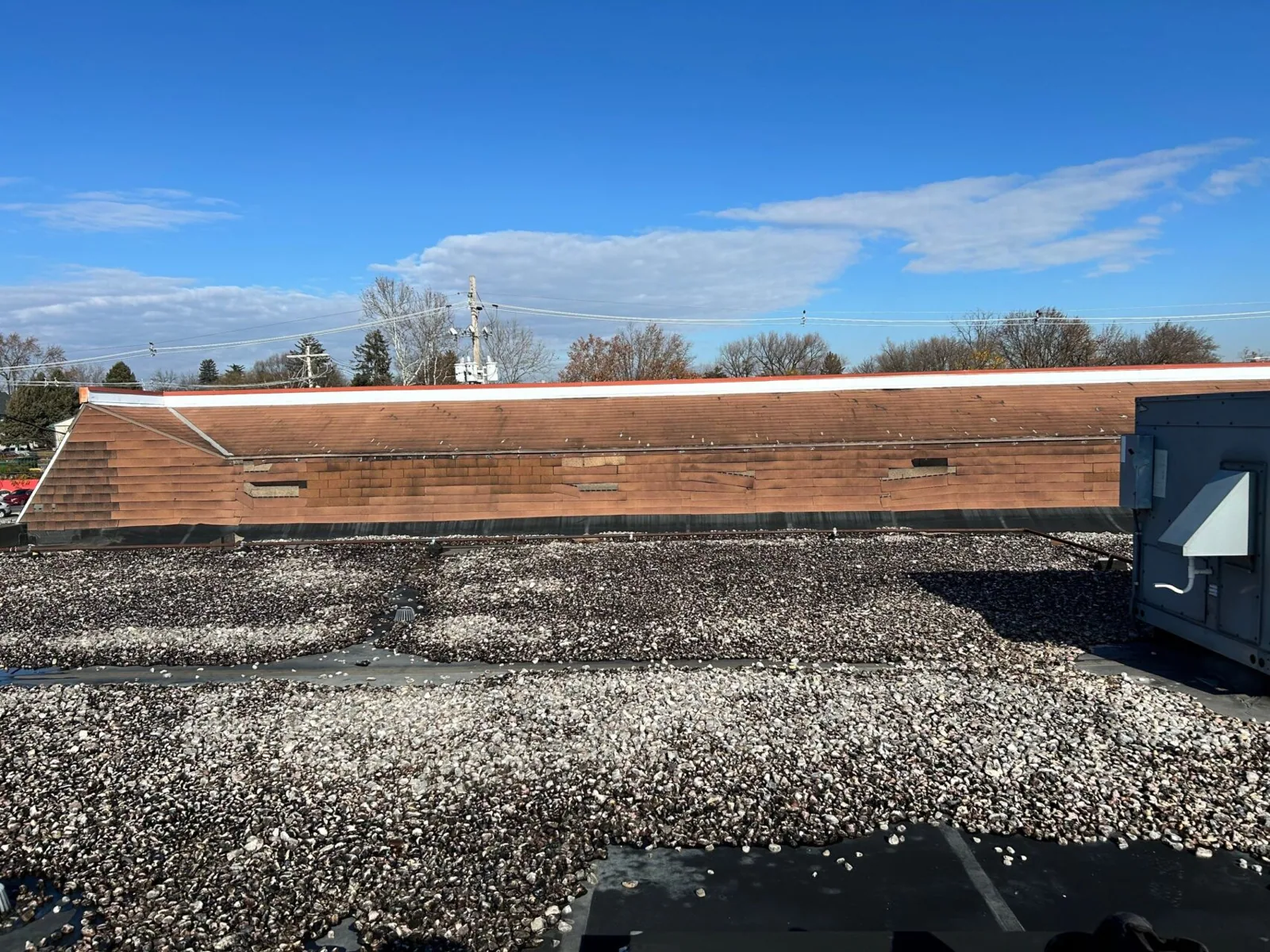
Storm Damage Roof Repair
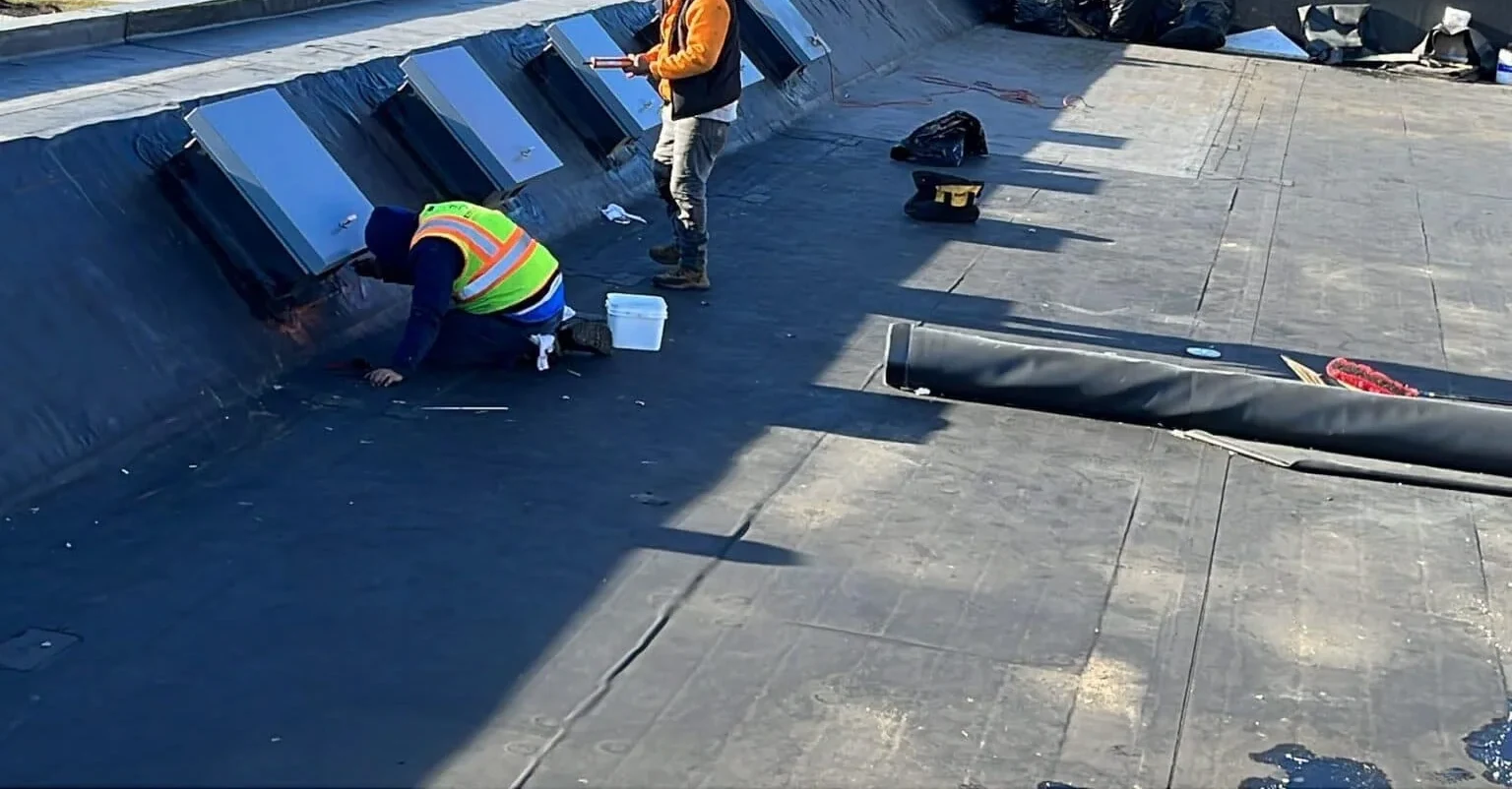
Commercial Roof Replacement
Document the public-building roof scope
Service Area
Topeka, Auburn, Silver Lake, Carbondale, Rossville and Shawnee County, KS
Quick Contact
Email: [email protected]
Phone: 555-555-5555
Request a Roof Assessment
Send the Topeka address, facility schedule, access contact, roof plan, and available condition records. We will map tested areas and public-route controls.