
Commercial Roofing at University of Kansas Health System St. Francis Campus, Topeka, KS
Home / Service Areas / University of Kansas Health System St. Francis Campus
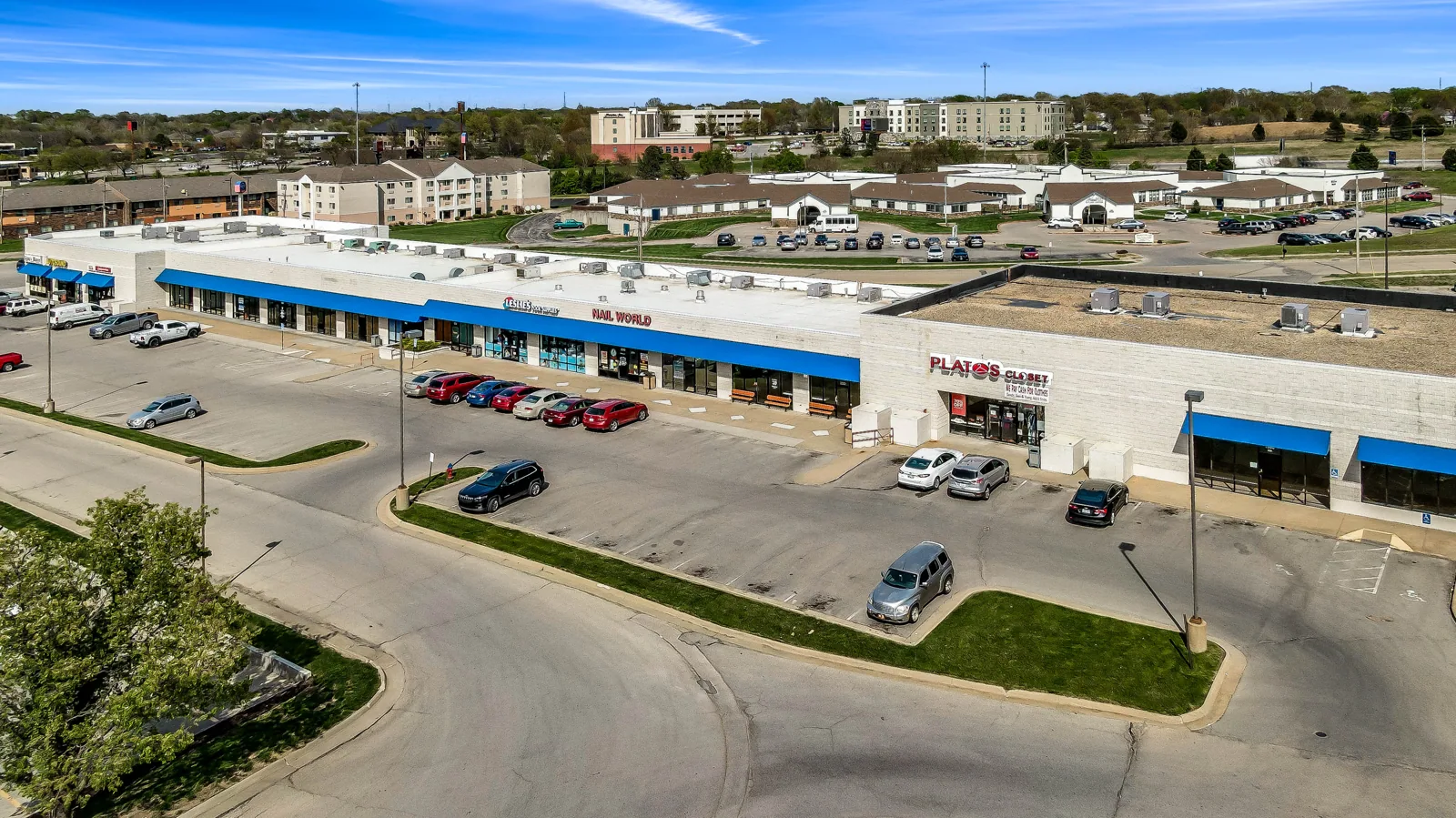
A roof repair near an active healthcare facility starts with the approved building, access contact, and work window. University of Kansas Health System St. Francis Campus is one of Topeka's major healthcare institutions and a named destination in the Metropolitan Topeka transit authority's list. The regional employer list places it alongside Stormont Vail and the VA. Those facts establish its role in the market, but they do not identify a roof assembly, condition, or contractor route. We confirm the specific roof area, inspect accessible details, and document the repair boundary before proposing work. Topeka averages about 36.5 inches of annual precipitation.
Site planning: Who confirms the work window?
The facility contact identifies contractor check-in, roof access, restricted areas, and acceptable hours. A public transit destination listing does not describe a delivery route or service entrance, so we confirm those details directly with campus operations. We also identify where materials may be staged and which interior areas need protection. A written plan assigns one contact for access changes and another for work approval when the facility requires that distinction. This prevents a roof scope from relying on assumptions about campus circulation.
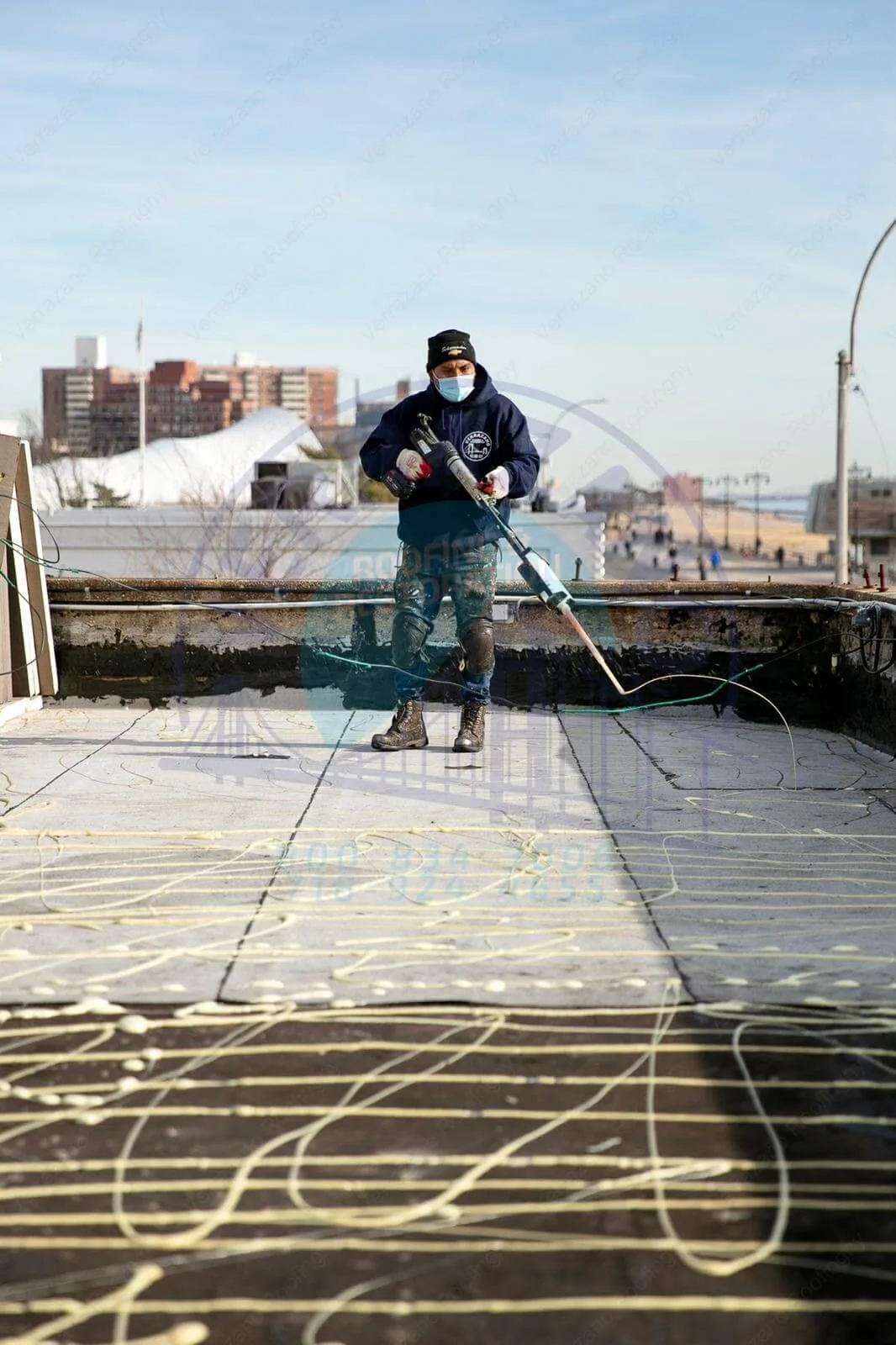
Healthcare operations can require careful coordination around noise, odors, dust, and temporary openings. Before cutting into a roof, we plan dry-in, debris control, and protection for the occupied space below. The work sequence should show inspection, repair, cleanup, and any follow-up test. A phased roof project can break a large scope into smaller areas when the facility approves that approach. We confirm each transition before crews move to another roof zone.
Health-care facilities may require controlled roof access, escort coordination, and clear separation between construction and patient-facing operations. The facilities contact identifies the approved roof zone, work window, route for materials, and any air intake or sensitive equipment nearby. We document what can be inspected without disrupting care, then arrange selective testing only when the owner approves the location and protection. If an active leak requires temporary cover, its boundary and review time are recorded separately from permanent repairs. The closeout names any area deferred because access or operational constraints prevented inspection.
Condition check: What is known and what is tested?
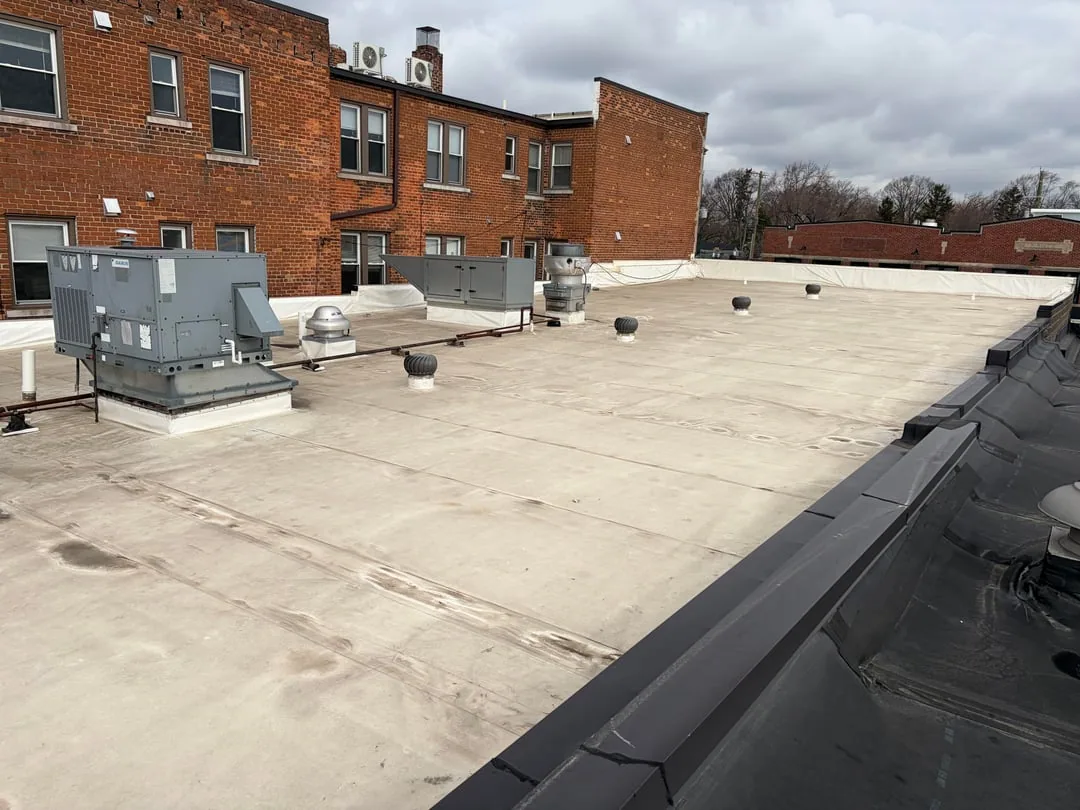
We inspect the approved roof area for seams, flashings, penetrations, curbs, drains, scuppers, and edge components. A leak report should include the interior location, recent weather, and any change in equipment or construction. We trace the likely water path, then mark the roof areas inspected and tested. Surface observations and moisture readings remain separate findings. Where the deck or insulation is concealed, the report states that condition was not confirmed unless an opening or test provided evidence.
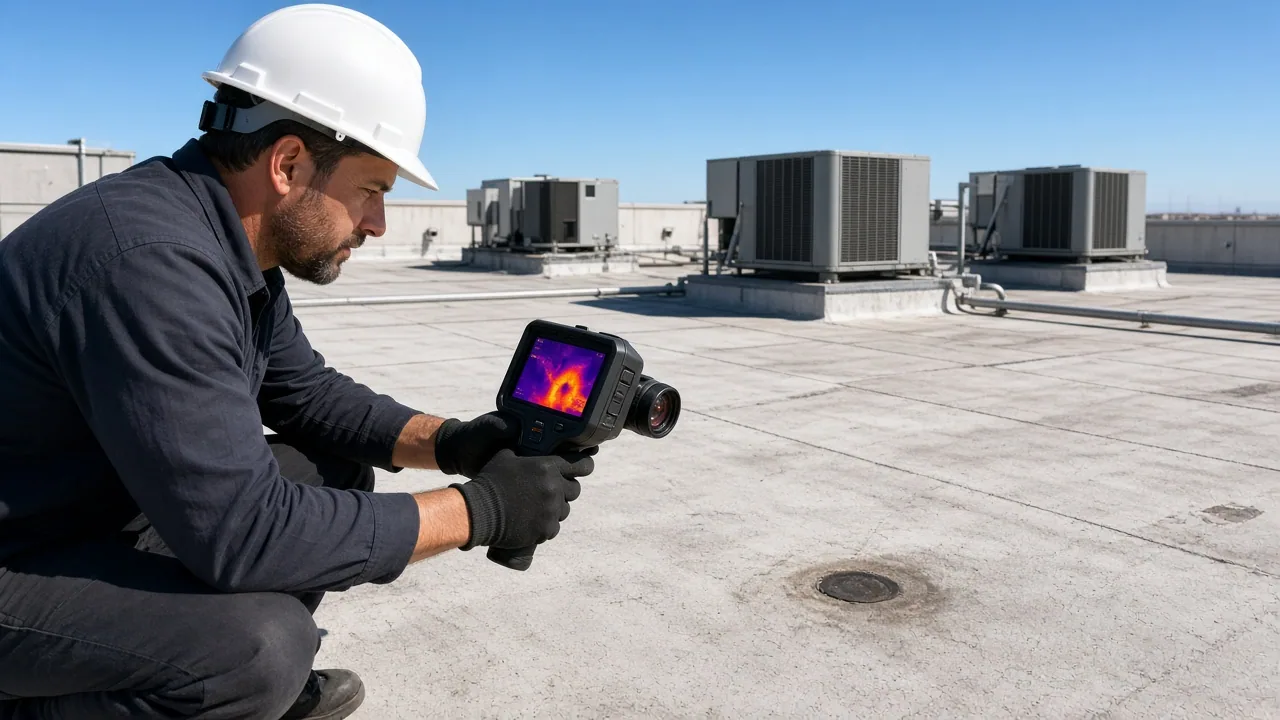
Records can include prior repair notes, roof plans, warranty documents, and interior work orders. We compare them with the visible assembly and note where information is missing or no longer matches the field. A drone may help photograph a broad area, while hands-on checks determine whether a flashing edge or seam is secure. A roof inspection and photo record gives the facility a measured baseline. If moisture is suspected, an infrared survey can help direct additional testing when conditions are suitable.
Repair decision: How far should the work extend?
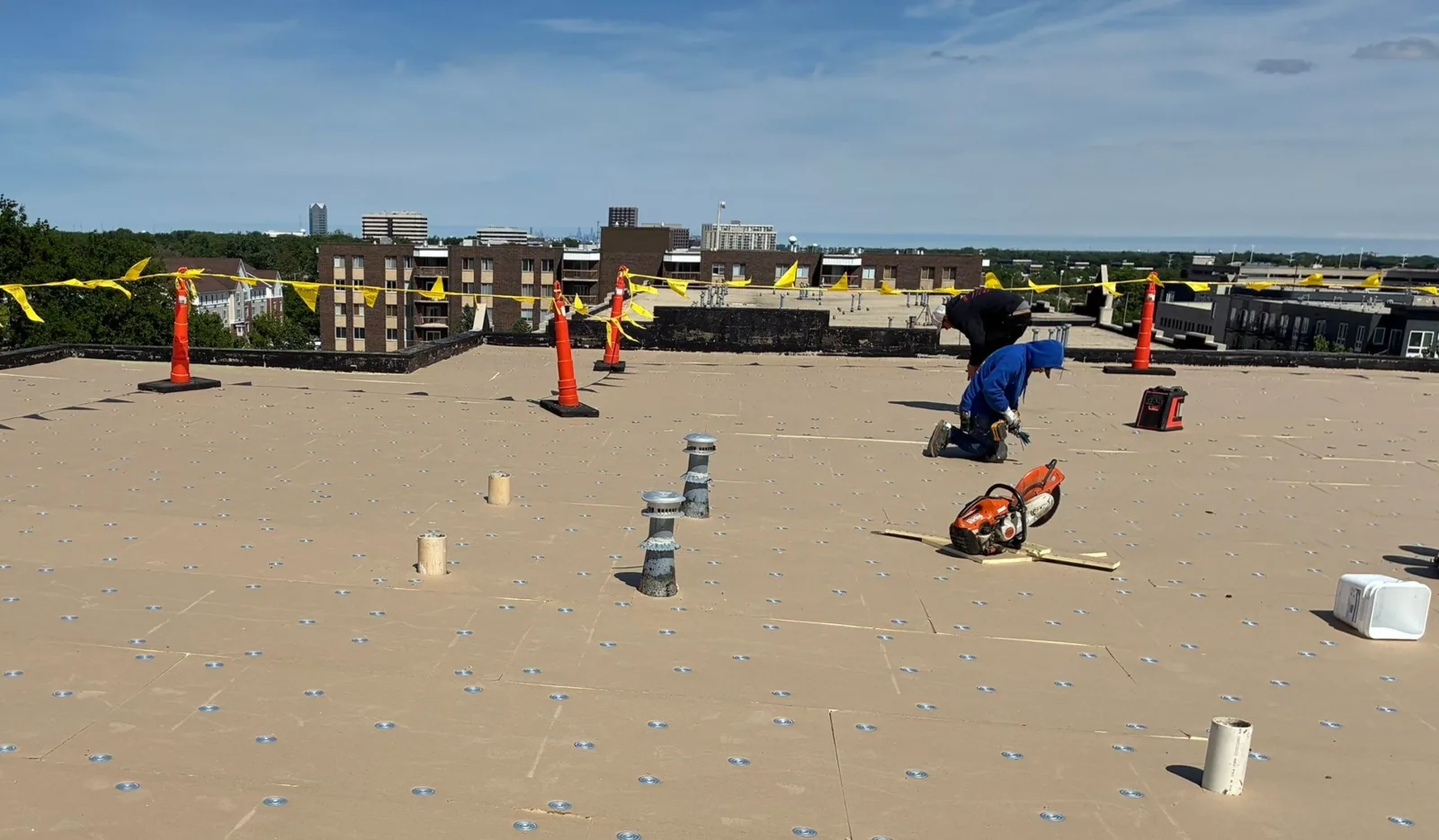
A repair boundary follows the failure and the condition of material around it. When the substrate is dry and the membrane remains sound, a localized patch may control the leak. Wet insulation, a loose seam extending beyond the symptom, or deteriorated flashing can require a larger area. We document the quantity and show what evidence supports it. If a concealed condition appears after opening, we explain the change and coordinate approval before expanding beyond protective steps.
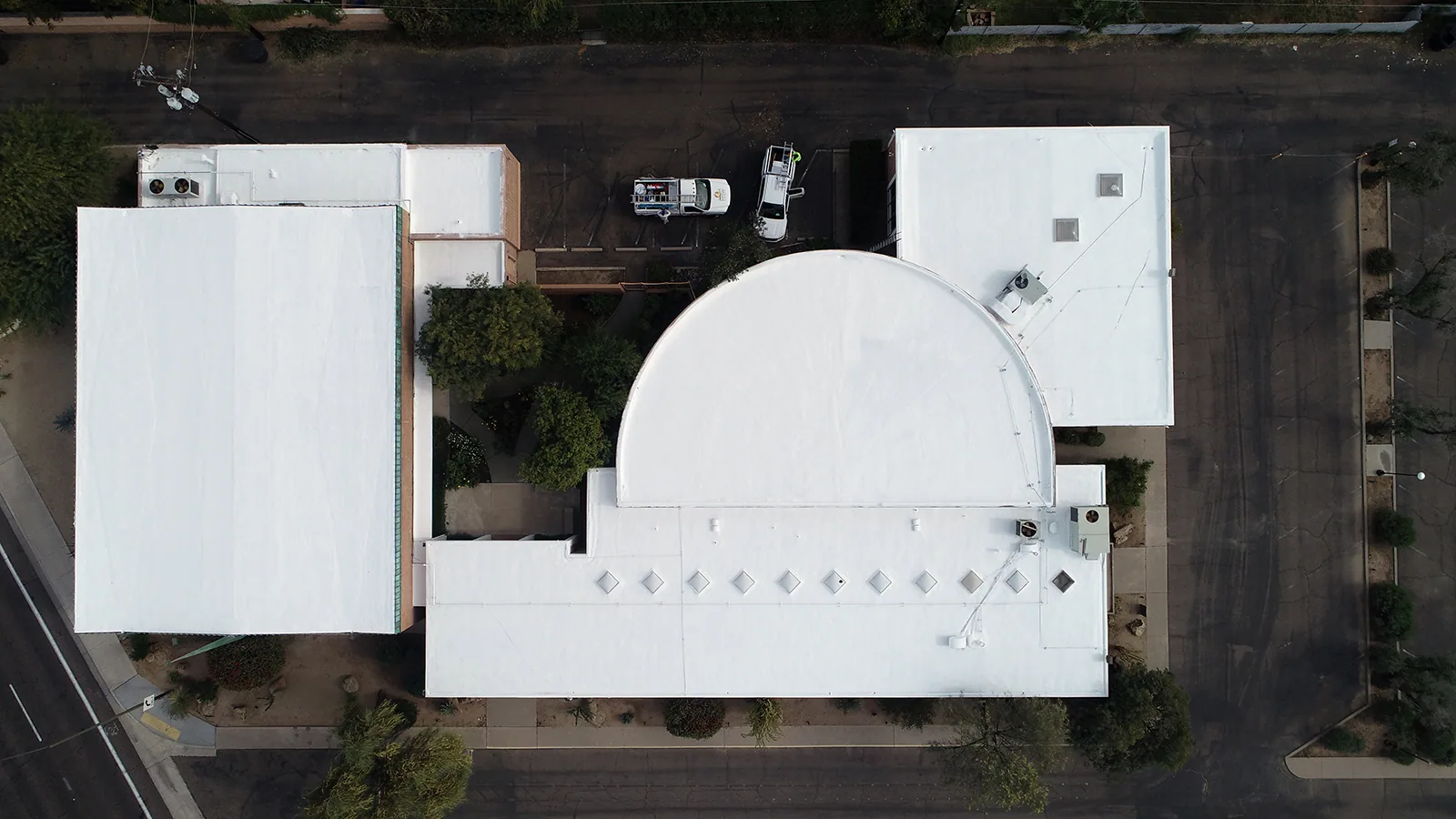
Roof replacement is a different decision from urgent leak control. It considers assembly layers, drainage, deck condition, equipment, access, and the facility's schedule. A recover should only be considered if the existing roof and attachment conditions support another layer. We compare the available choices in the same estimate and mark assumptions clearly. A commercial repair scope can address the immediate defect while a broader capital plan tracks replacement timing by roof area.
Weather review: What does the local record change?
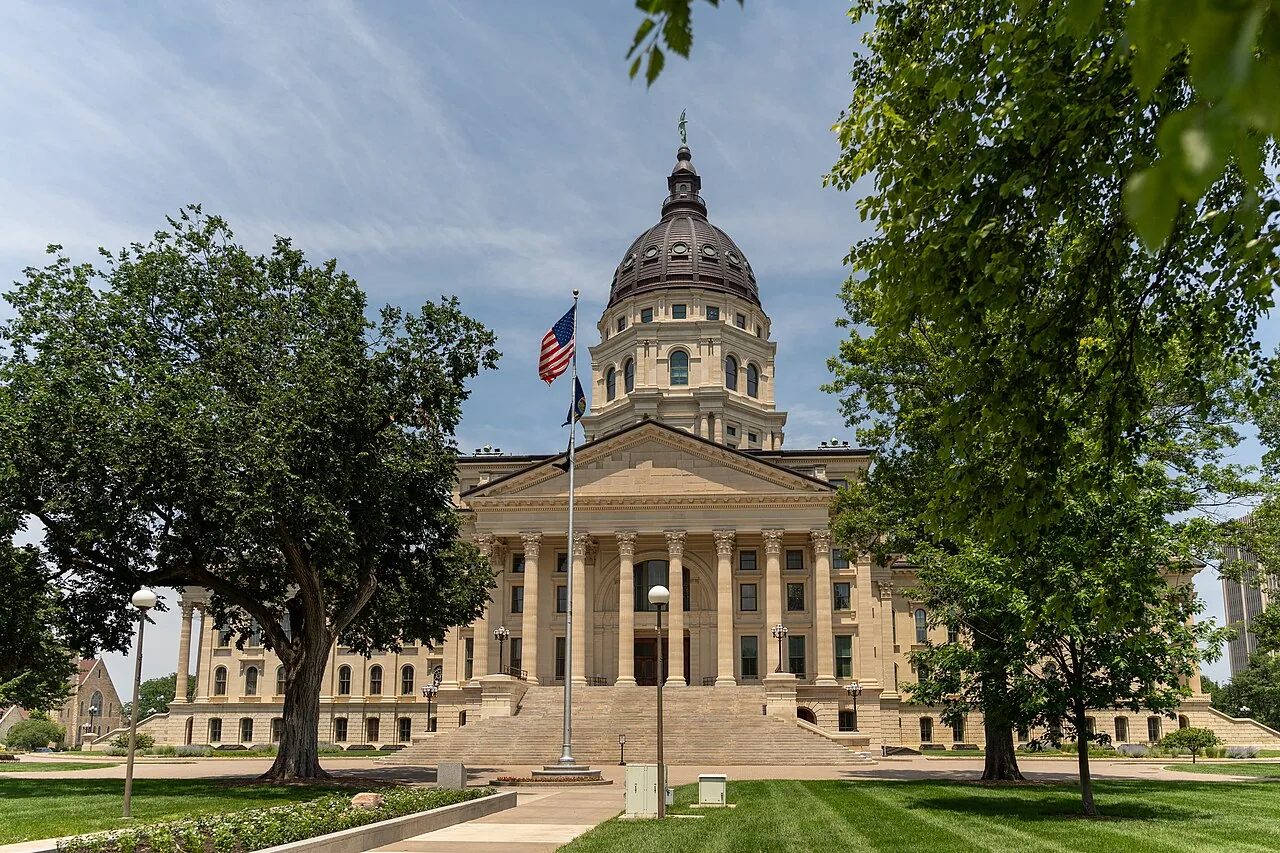
Northeast Kansas has documented severe hail and wind events. After a storm report, we inspect exposed edges, membrane surfaces, seams, flashings, and equipment supports for displacement or impact. A surface mark is not the same as a breach. We check for related interior entry and preserve photographs before cleanup or temporary materials change the condition. If the owner needs insurance documentation, the file can show dates, affected zones, and the repair boundary without overstating what the inspection confirmed.
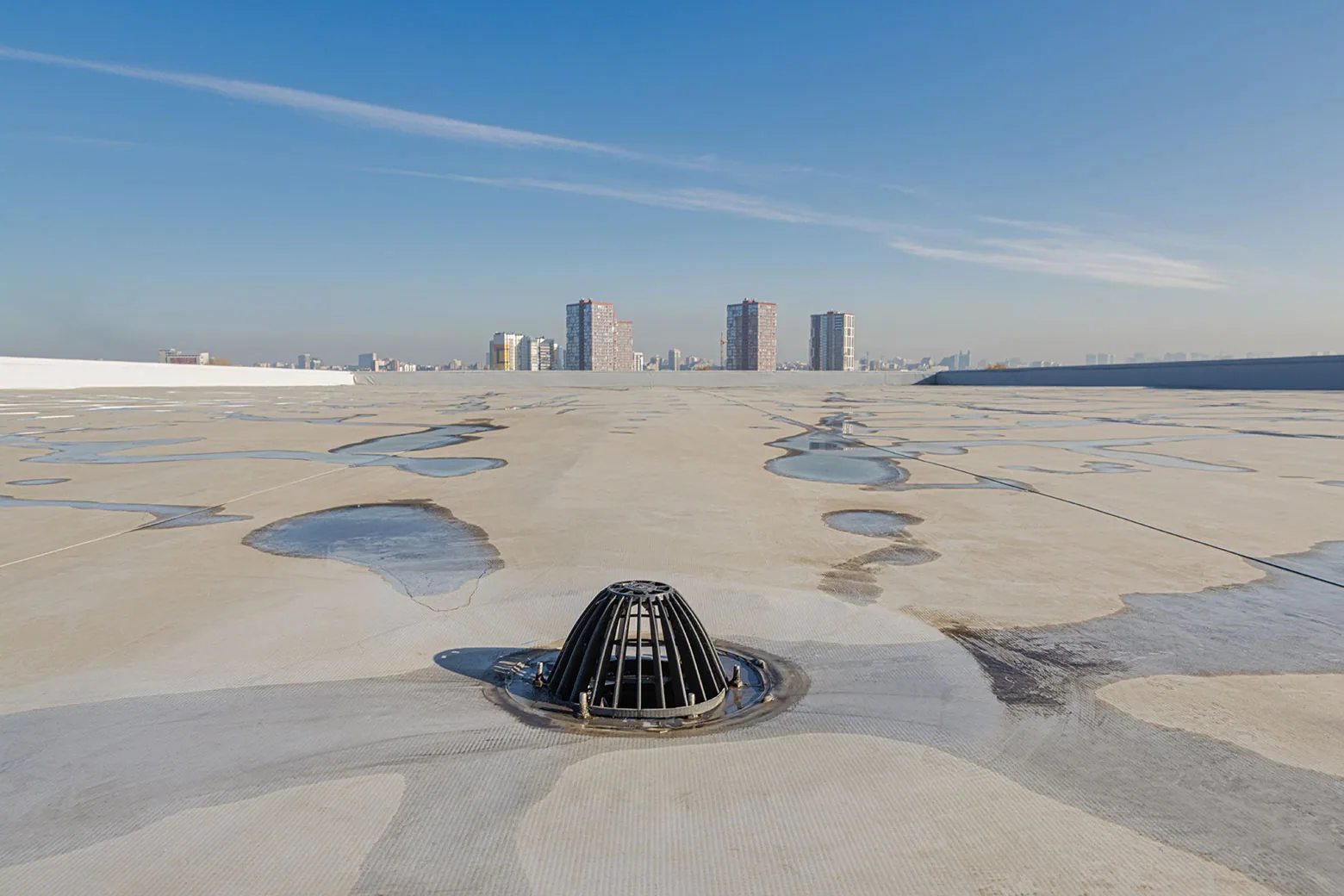
Winter precipitation and freeze-thaw make drains and low areas useful maintenance checkpoints. We look for obstructions, standing water after outlets clear, separated laps, or signs that water has entered below the surface. Snow capacity depends on structural design and should not be inferred from a roof walk. A drainage check records outlet condition, while hail damage review distinguishes functional damage from marks. The maintenance record can then identify a repair, a follow-up test, or a condition to monitor.
Closeout notes: What helps the next decision?
Closeout records should show the roof zone, work completed, material used, photographs, and any limitation that affected the inspection. We list the tested section and results, plus areas that remained inaccessible. If temporary protection was installed, the record identifies its location and the planned permanent follow-up. The facility can then track unresolved work without confusing it with a completed repair. A work order should also identify who accepted the completed area and what date any temporary measure needs review.
For a healthcare portfolio, a consistent record helps compare urgency across buildings while keeping each facility's scope independent. Stormont Vail Hospital is another of Topeka’s major healthcare sites. Visitors enter through the North Tower, reached at Ninth Avenue and Horne Street. A roof work plan for Stormont Vail Health Campus should use the access and release instructions confirmed by that facility. A downtown Office and Catalyst District inspection also requires its own route and operating plan. For the St. Francis Campus, we leave the owner with marked findings and a next action tied to the inspected roof. The work file can preserve contact names, access approvals, and the responsible person for follow-up. Each party receives the same closeout record.
Commercial Roofing Questions
Does the transit destination listing show how a roofing crew should enter?
No. It confirms St. Francis Campus is a named destination, not a contractor entrance or delivery route. The campus contact confirms check-in, escort, staging, roof access, and restricted areas. We put those approved details into the work plan before mobilization.
How do you keep a repair scope from expanding without approval?
The estimate marks the confirmed repair boundary and identifies concealed conditions that could change quantity. If opening the assembly reveals wet insulation or deck damage, we document it and contact the authorized representative before adding non-emergency work. Temporary steps needed to protect the facility are recorded separately.
Can a roof condition report support capital planning?
Yes. The report can separate urgent repair, routine maintenance, additional testing, and longer-range replacement by roof area. It includes photographs, tested locations, and limitations so future budget decisions have a clear field basis.
What roof information should be assembled before the visit?
Useful items include roof plans, prior repair records, leak work orders, access requirements, and the facility contact who can approve testing. If some documents are unavailable, we note that and base the inspection on accessible conditions rather than assume what concealed layers contain.
Related Roofing Work
Occupied Commercial Building Reroofing
Commercial Roof Inspection
Commercial Roof Infrared Moisture Survey
Commercial Roof Repair
Commercial Roof Capital Planning
Commercial Roof Drains and Scuppers
Schedule a St. Francis roof review
Service Area
Topeka, Auburn, Silver Lake, Carbondale, Rossville and Shawnee County, KS
Quick Contact
Email: [email protected]
Phone: 555-555-5555
Request a Roof Assessment
Send the specific building or roof zone, current concern, campus access contact, and any roof records. We will confirm the approved route, field checks, protection needs, and work window.