
Commercial Roofing in NOTO River North Arts District, Topeka, KS
Home / Service Areas / NOTO River North Arts District
Shops, eateries, galleries, and event venues give NOTO a mix of occupied commercial spaces in North Topeka. The district also features more than 50 public-art pieces and recurring gallery and community activity. Those uses make access and timing part of the roof discussion. We confirm the building address and operating contact, inspect the roof details, and record which areas were reached. Great Overland Station and the former Hallmark building are identified among River North's defining properties, but their names alone do not establish roof construction. Each assembly and repair boundary comes from its records and field conditions.
Event coordination: How is roof access planned?
Before a visit, we ask who can release the roof, where a lift can stage, which entrance must remain open, and what hours are available. A district with galleries, shops, eateries, and recurring activity may need work coordinated around a property calendar. The owner or tenant contact confirms actual dates and restrictions. A phased work plan can separate roof zones and set daily protection, noise, and closeout steps without assuming every building follows the same schedule.
For an active leak, we first identify the affected room, contents at risk, and a safe path to the roof. An active leak can be managed outside standard hours: we contain interior exposure first, then schedule permanent work when access and roof conditions allow. We record the temporary material and the roof detail still requiring inspection. If the roof is wet or the building cannot be accessed during an event, we state the limit and schedule a return once the owner can release the area.
Work staging also needs a confirmed delivery route and space for tools or debris. The public-art and event setting describes district activity, not a staging area or a rule for one address. We coordinate with the facility representative and keep pedestrian access clear as directed. A short window may permit a leak trace, while a broad replacement needs advance access and a sequence agreed with the property contact.
Building review: What does the first roof walk establish?
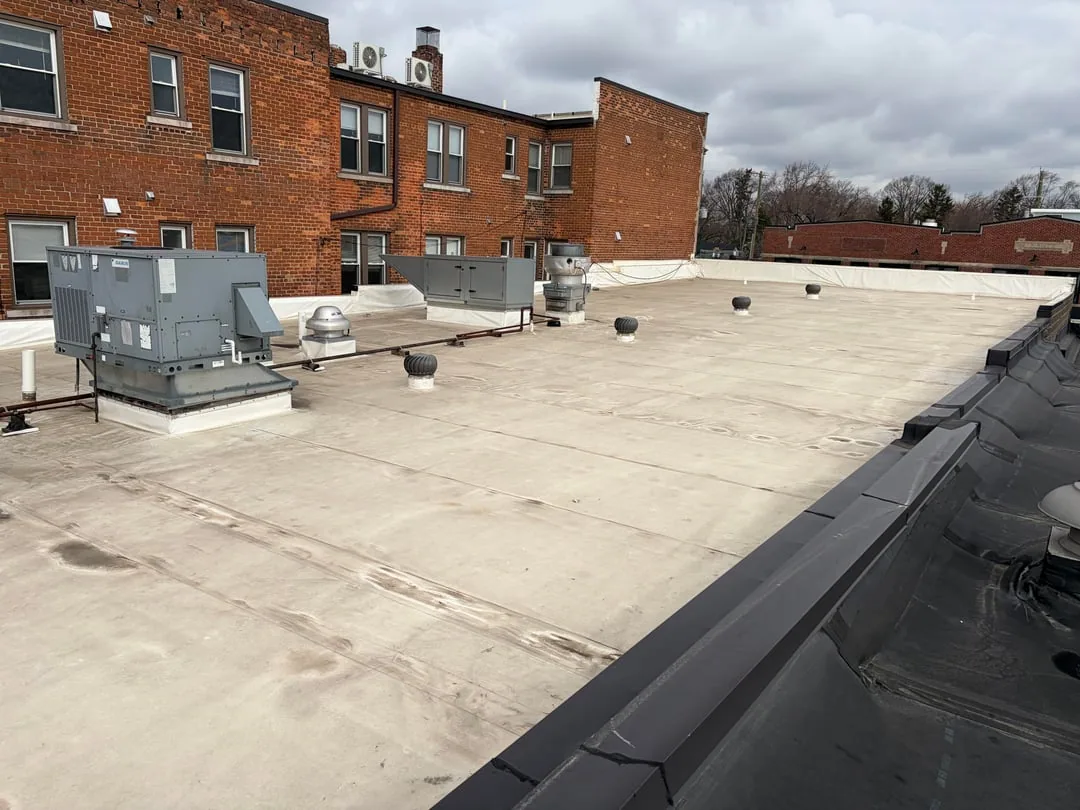
We inspect seams or metal laps, flashings, curbs, penetrations, drains, scuppers, edges, and previous repairs. Great Overland Station and the former Hallmark building are reference properties in the district plan; we do not infer their roofs from their names. For any building, the available submittal and visible details help identify membrane or metal type. A commercial roof inspection maps roof zones, visible defects, test locations, and areas we could not reach.
When a ceiling mark is reported, we compare it with the roof's water path. A ceiling mark may sit away from entry when moisture follows insulation joints or deck direction. A drain bowl, low area, seam, wall transition, or curb may be involved. We inspect the likely path, take context photographs, and identify any test opening that could change repair quantity. Moisture screening can help locate a test area when conditions support that method. The result applies to the tested section, not automatically to the full roof.
Topeka's annual precipitation averages about 36.5 inches, with summer thunderstorms and winter precipitation. We check drainage after an outlet clears and note low areas, blocked bowls, and nearby flashing. Hail and wind events are also documented in the regional weather archive. If a storm prompts inspection, we record impact or displacement evidence at the address and distinguish it from earlier repairs. The event record provides context; roof observations set the scope.
Repair decision: When is a local fix supportable?
A separated lap, puncture, or failed flashing may be repaired locally when the surrounding material and substrate remain suitable. We prepare the surface, restore the compatible detail, and photograph the measured boundary. Testing may show wet insulation extending past the visible defect; then the work can continue to dry material. A single dry test point covers only the location checked. We list each tested area and what remains concealed so the owner sees what could change after opening.
Repeated leaks, brittle material, attachment failure, or moisture in multiple zones may support comparison with recover or replacement. We inspect insulation, cover board, deck, slope, drainage, edges, and penetrations before recommending a broader project. A recover evaluation reviews existing layers and attachment. A repair estimate identifies preparation, material, access, closeout check, and any allowance tied to an untested condition.
River North is part of the broader downtown setting described alongside the River to Rail District and River South District. Those planning districts have their own place-specific facts. We use the actual address, roof plan, and building contact to set scope; nearby district names do not establish what roof materials or conditions are present at a NOTO property.
Schedule: What drives cost and timing?
Roof height, staging, access hours, repair size, moisture testing, drain work, and interior protection affect cost and timing. A gallery or event schedule may narrow an access window if the owner confirms that restriction. Rain can stop work on a wet surface, and wind can affect membrane handling. Winter precipitation may make a roof unsafe to walk. We explain weather-sensitive steps and note whether a return visit is needed for testing or permanent repair.
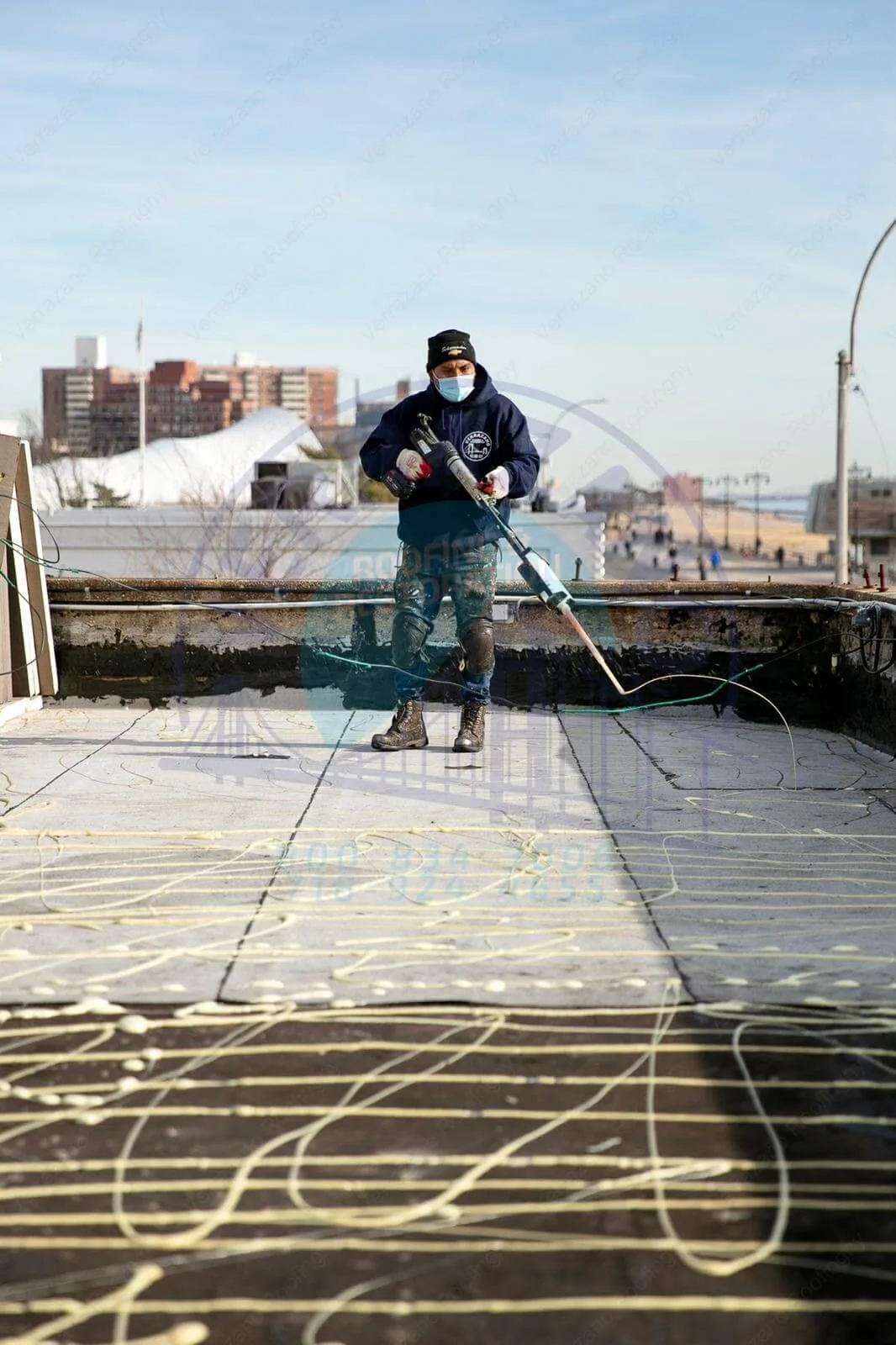
If the building is occupied, we confirm entrances, delivery paths, noise periods, barriers, cleanup, and daily dry-in. For a test cut, we agree on location and closeout before opening the assembly. If a test reveals deck or insulation damage, the crew pauses for owner direction at the agreed boundary. Known work and concealed conditions stay in separate quantities. That lets the owner compare the confirmed repair with the cost of added investigation or a broader project.
Recurring district activity makes maintenance timing worth coordination with the site contact. A maintenance visit can inspect drains, seams, flashings, and previous repairs before seasonal weather. A dated condition report preserves photos, test locations, and open questions for the next review.
Owner file: What should stay with the roof record?
Keep the address, roof map, inspection date, system notes, photos, tests, repair dimensions, and access contact together. Separate emergency protection from permanent work. Label uninspected zones and the access needed to reach them. If another leak appears during a public event, the facility team can compare its location with the prior report and arrange a suitable roof window without treating an old repair as proof of the current cause.
A claim-support record can preserve dates and observations when the owner reports storm damage. It does not determine coverage. For multiple downtown properties, a roof asset file can keep each building's inspection and repair history separate. The owner should retain current closeout photos so later staff can locate seams, penetrations, and tested sections without relying on a general district description.
For roofing service in NOTO, send the building address, current roof concern, contact who can arrange access, event or tenant constraints, and available records. We will inspect the affected section and explain the tested repair boundary, work window, and remaining owner decision.
Commercial Roofing Questions
Can roof repairs be scheduled around a NOTO event?
The property contact confirms the calendar and access rules. We identify lift staging, entrances, noise periods, protection, and the work that fits each available window.
Do Great Overland Station or the former Hallmark building share a known roof system?
The district facts identify them as defining properties, not their roof assemblies. We inspect each address and use its records and exposed details to identify the system.
How do you keep public access safe during a roof visit?
We coordinate barriers, lift placement, delivery routes, and pedestrian access with the property representative. Any area that cannot be safely reached is listed as an inspection limit.
Does a severe-weather archive prove storm damage in NOTO?
It provides regional context. We inspect the roof for impact, displacement, punctures, open seams, and earlier repairs, then describe findings specific to the property.
What affects the cost of repairing an occupied district building?
Access timing, staging, interior protection, repair size, moisture testing, and weather affect scope. We separate confirmed quantities from concealed conditions that could change after opening.
Related Roofing Work
Occupied Commercial Building Reroofing
Commercial Roof Inspection
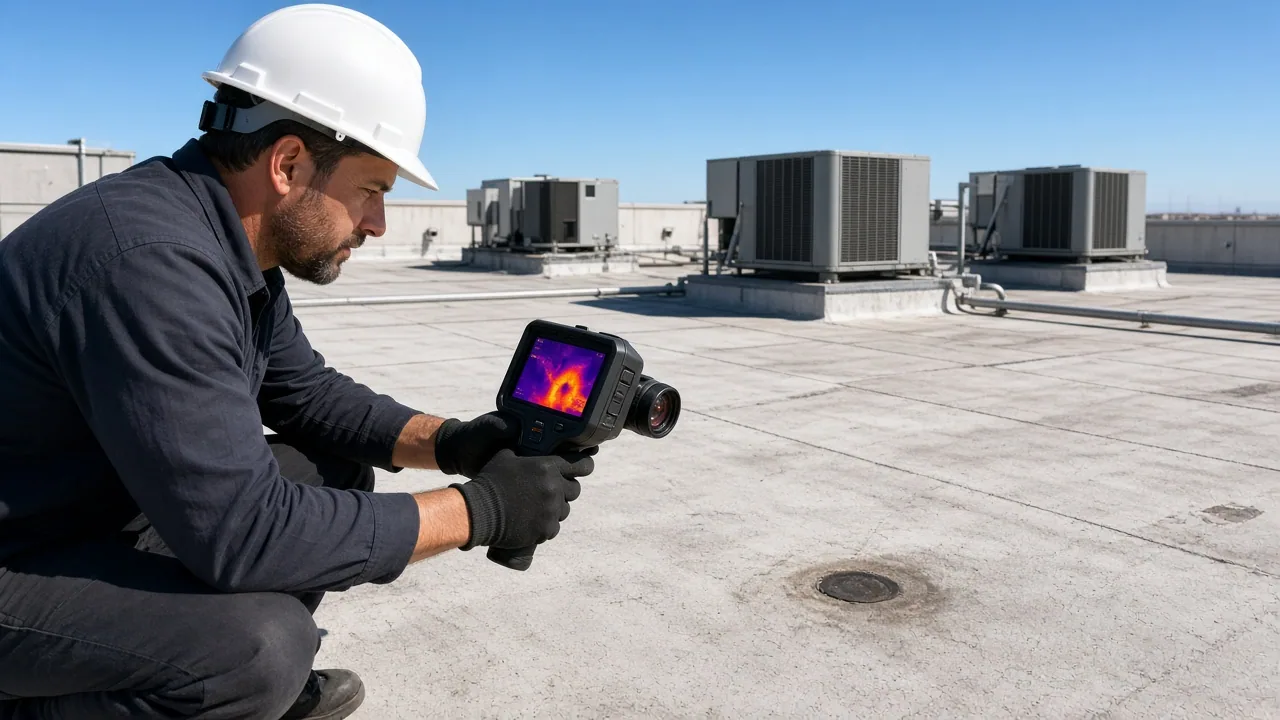
Commercial Roof Infrared Moisture Survey
Commercial Roof Recover Overlay
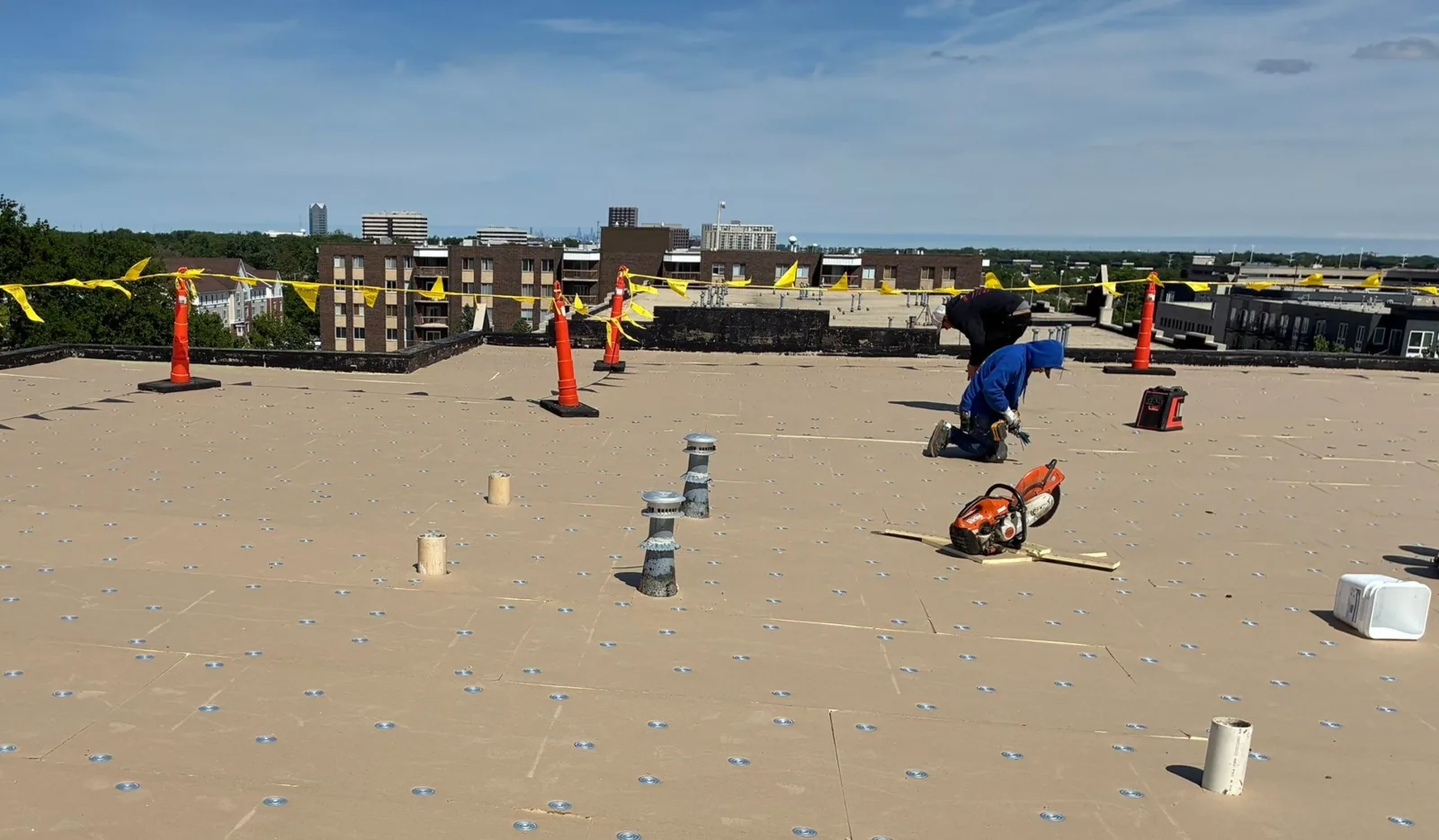
Commercial Roof Repair
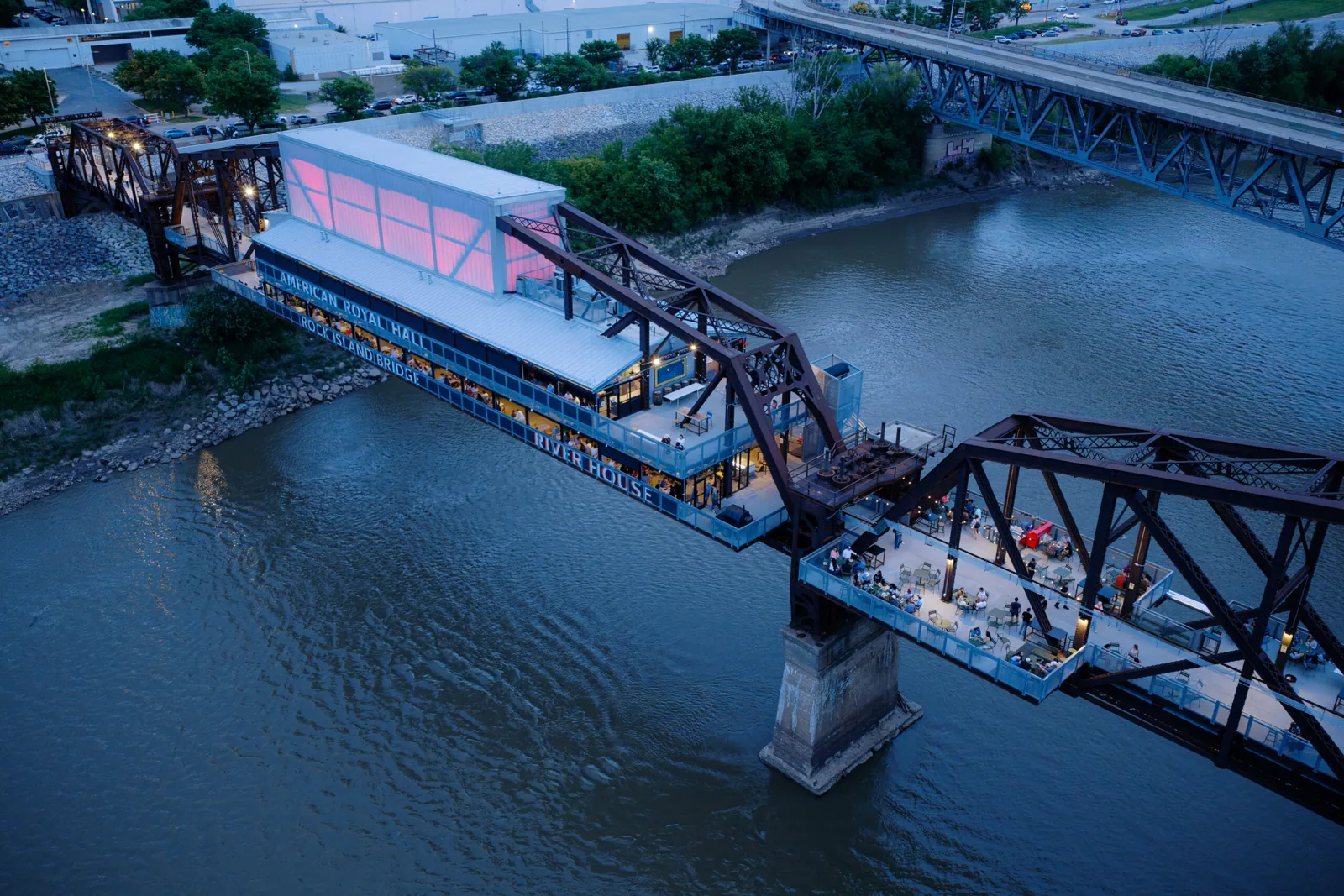
River to Rail District
Arrange a NOTO roof assessment
Service Area
Topeka, Auburn, Silver Lake, Carbondale, Rossville and Shawnee County, KS
Quick Contact
Email: [email protected]
Phone: 555-555-5555
Request a Roof Assessment
Share the property address, current concern, access contact, and any event or tenant restrictions. We will inspect the available roof section and document the repair boundary and testing needs.