
Commercial Roofing in West and Southwest Topeka, KS
Home / Service Areas / West and Southwest Topeka
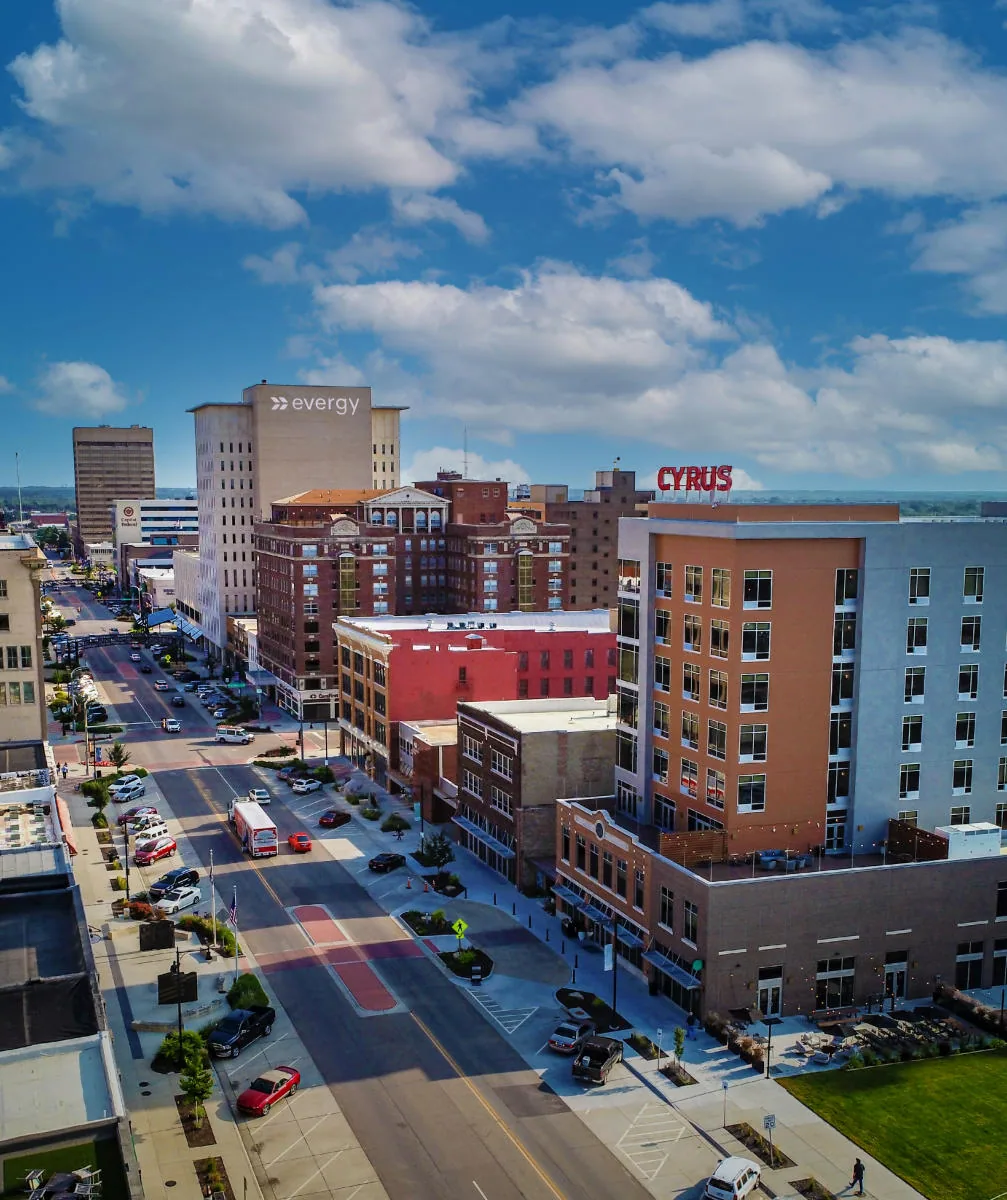
West and Southwest Topeka include commercial, institutional, public, and office properties that require building-specific roof review. The City’s neighborhood map identifies west and southwest areas within the municipality. We begin with the property and affected roof zone supplied by its authorized contact, inspect accessible details and drainage, and document what the evidence supports. An outdoor destination or public facility nearby can help orient a request but does not establish another building’s roof area, assembly, or condition.
Visitor routes: What needs protection below?
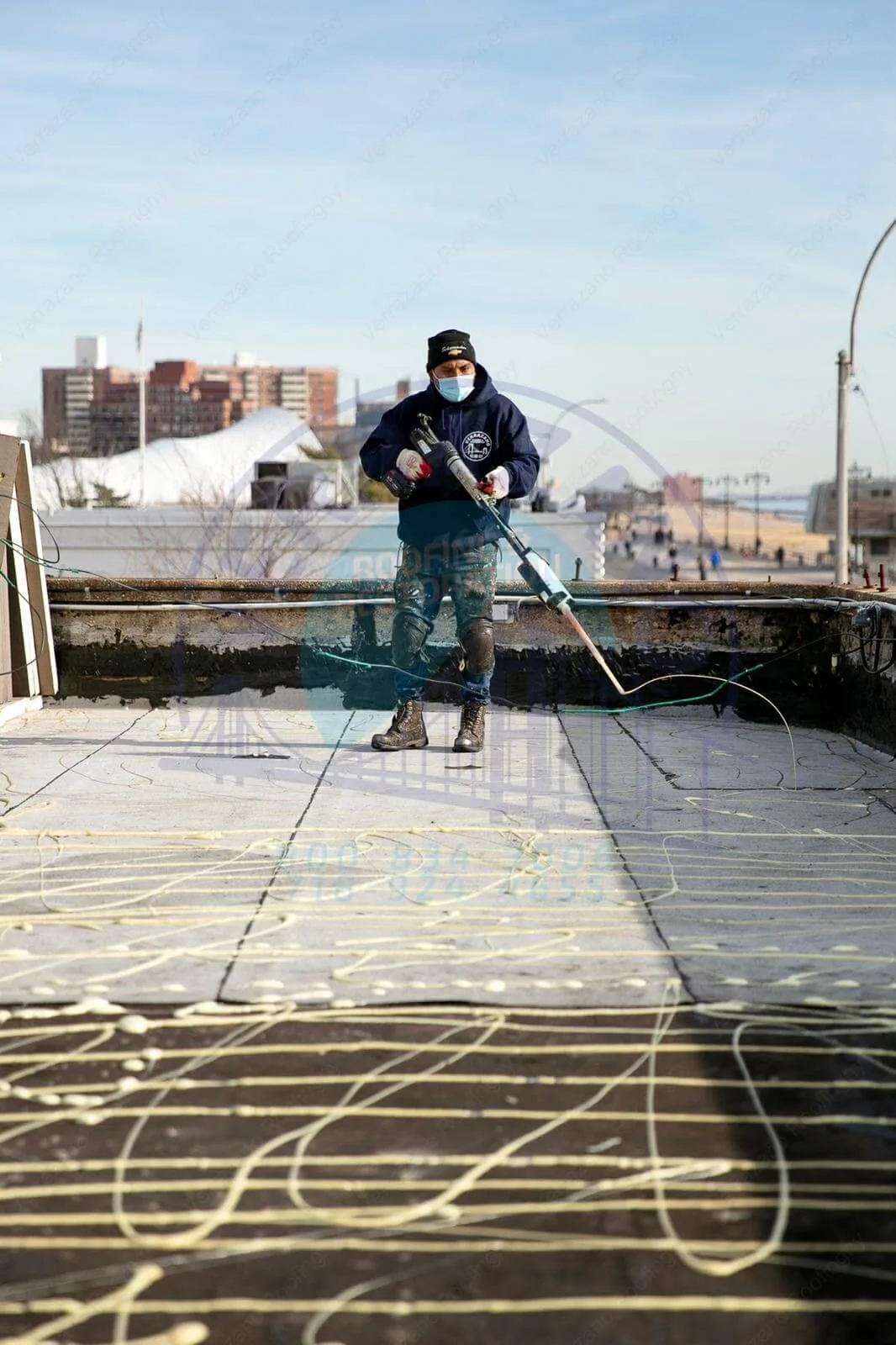
The property contact identifies operating hours, staff routes, occupied areas, and any spaces that must remain available during work. We confirm which entrance or service route contractors may use, where materials may be staged, and whether a lift or delivery needs a separate approval. Outdoor grounds do not establish where equipment can safely operate. The site representative approves barriers, signage, and any temporary path change before mobilization.
If a ceiling area is affected, we identify what must be covered, moved, or closed before testing or roof removal. The release step is recorded so staff know when the room can return to use. A phased occupied-building plan can keep the work inside a defined area and leave a watertight stop point at each shift. The schedule also names who receives a weather delay notice and who can authorize a revised work zone.
The City’s neighborhood map identifies western and southwest areas as part of Topeka’s broader neighborhood geography. Commercial and institutional properties in this part of the city have different operating hours, roof layouts, public routes, and equipment needs. We confirm each assigned property with its owner or facilities contact, then map the roof area and interior location associated with a reported leak or storm concern. A nearby school, public venue, or outdoor destination can help orient a service call but cannot stand in for a roof inspection. The work plan records approved access, public protection, staging, and the daily close-in boundary for the building being serviced.
Before pricing, identify rooms below the assigned area, the requested inspection window, and any access equipment needed to reach roof edges or raised sections. A follow-up visit should record the same zone so photographs, test results, and repair quantities can be compared accurately.
Roof walk: What can the first visit establish?
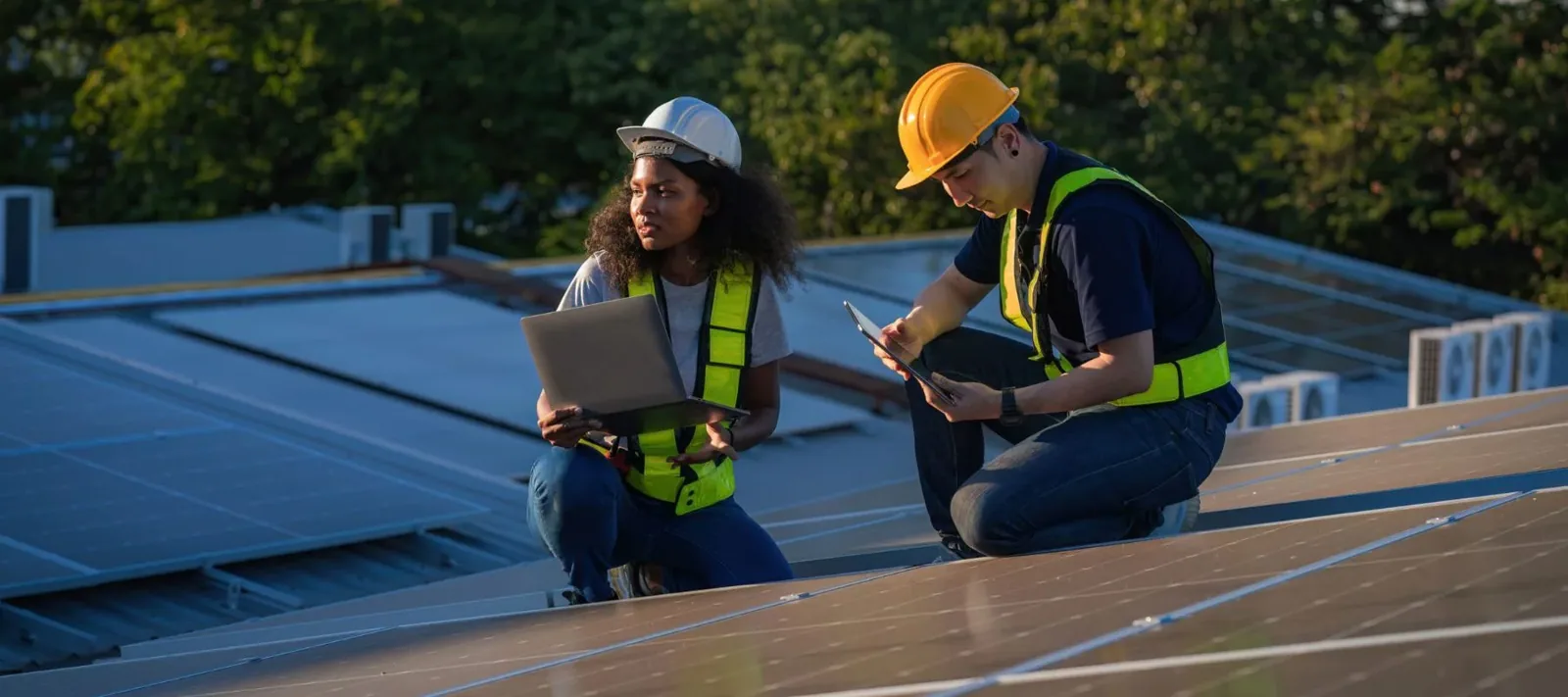
We connect the reported room or exhibit support space to the roof section above it, then inspect seams, flashings, curbs, penetrations, drains, and edges within the approved route. Photographs show the observed condition and its position. We record field dimensions and mark any moisture test location. A reading applies to that tested section alone. If access or a safety restriction prevents inspection, the report names that limit instead of treating the area as clear.
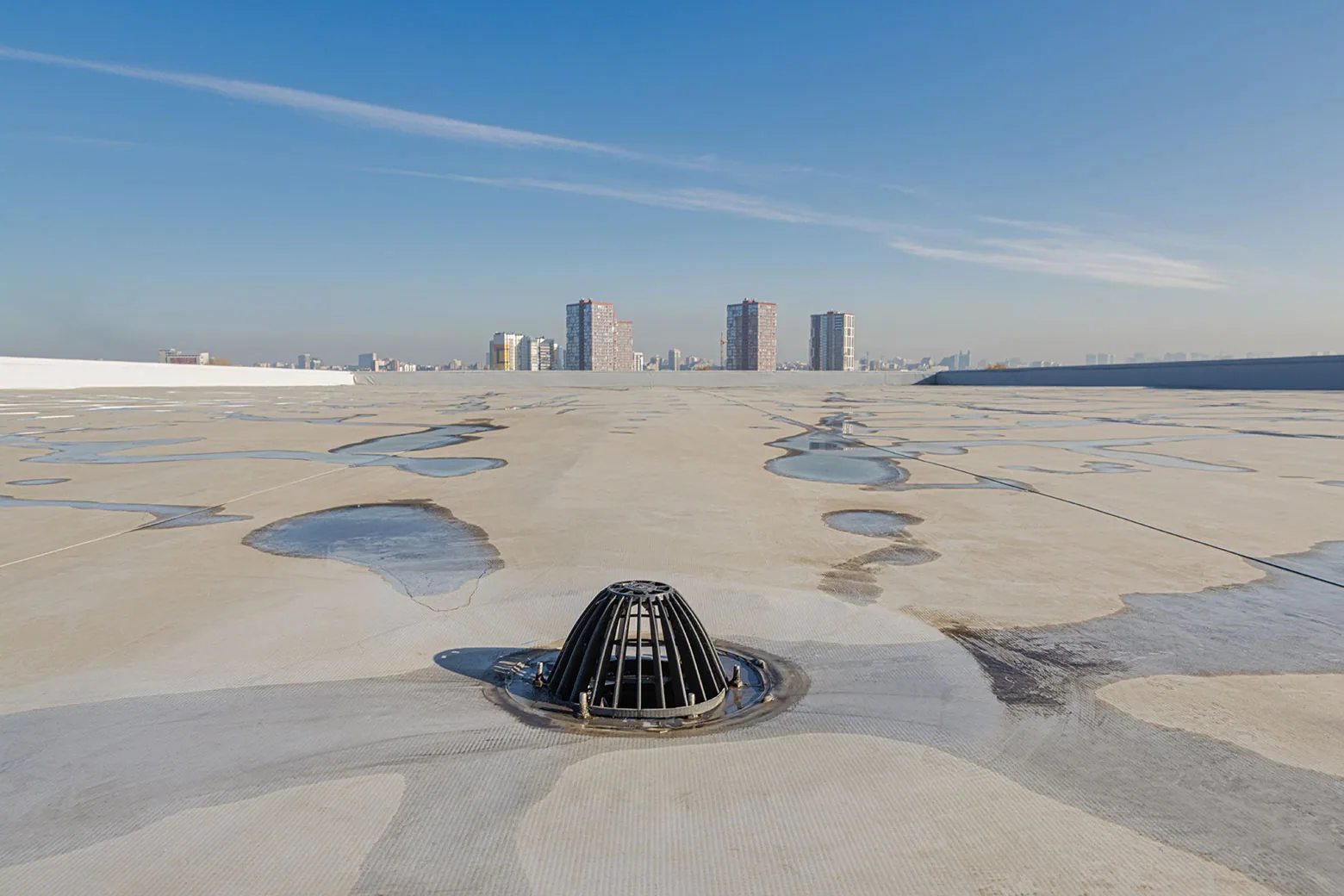
The Discovery Center's indoor galleries and outdoor grounds create distinct visitor and maintenance considerations, but do not establish a roof assembly. Topeka averages about 36.5 inches of precipitation each year, including summer storms and winter precipitation. That local cycle makes drains, low areas, and temporary cover part of the walk. A condition inspection can document findings by roof zone. If water tracks toward an outlet, a drain review checks the bowl and surrounding membrane before a repair is assigned.
Repair options: What supports the next step?
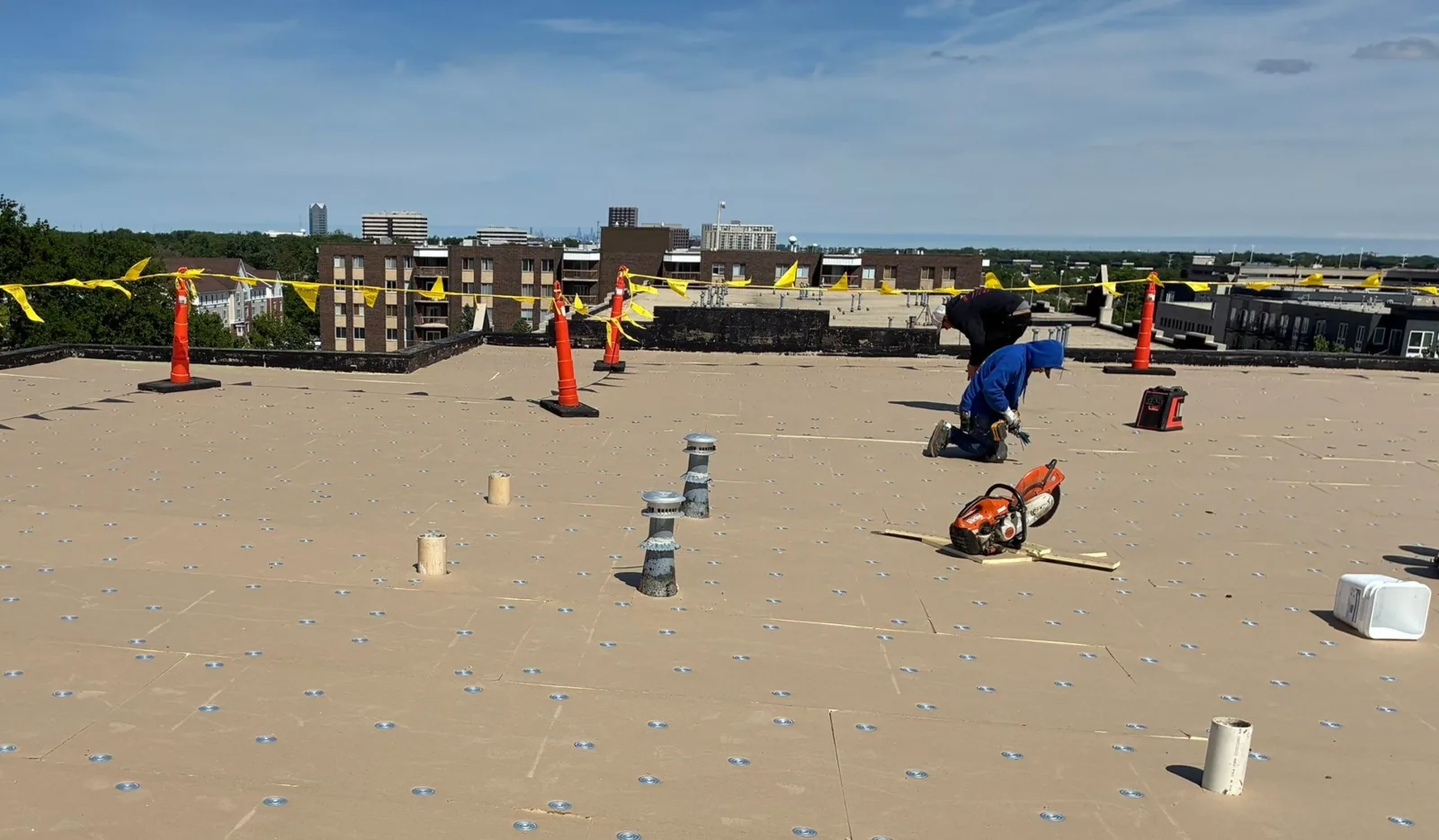
A localized flashing or seam repair may fit when the defect is isolated and nearby material is sound. We prepare the surface and tie compatible material into stable roofing. If an opening or moisture test finds wet insulation, we measure the confirmed limit and state how far removal may extend. The owner receives the evidence, quantity, and approval point before added non-emergency work proceeds.
When conditions cover multiple roof zones, we compare repair with recover or replacement after reviewing layers, deck, drainage, edges, and penetrations. The building's indoor square footage cannot substitute for roof measurements. A repair scope lists confirmed defects; a recover evaluation checks existing layers and drainage before an overlay is considered. Cost and timing also reflect interior protection, visitor access, testing, debris handling, and the number of watertight stops needed during the work window. We can separate an initial diagnostic visit from permanent repair when access or concealed conditions remain unresolved. That first scope states what can be inspected without opening the assembly and what finding would trigger a second owner decision.
Work window: How is the site released?
The operator supplies a calendar of public activity and identifies any time when rooms, paths, or outdoor areas must remain clear. We schedule roof access, deliveries, noise, and interior protection around those limits. A roof section is not left open because a visitor event runs long; the crew secures a temporary cover before leaving. If permanent work cannot be completed inside the approved window, we stop at the documented watertight point and arrange the next approved phase.
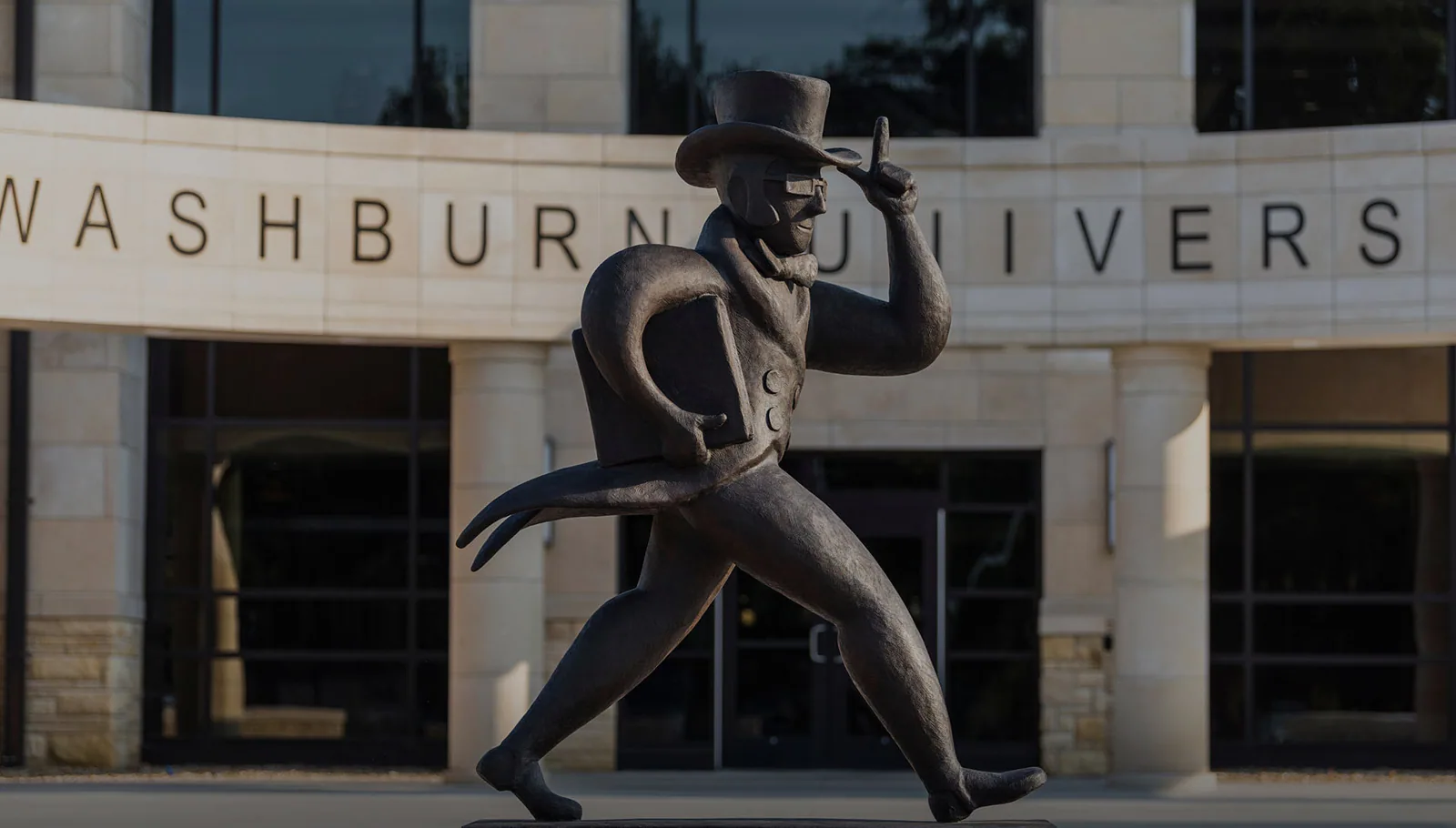
We assign one contact for the building, one for access, and one person with authority to approve added scope. That keeps a concealed condition from becoming an untracked change while the facility is in use. Washburn University is another Topeka institutional property; the 1966 tornado damaged or destroyed every building there. That city history is weather context, not evidence about the property. A tornado damage inspection still begins with the actual building, roof zone, and event evidence.
Closeout file: What should staff receive?
The final record includes dated roof photos, measured repair limits, materials used, test locations, and any section left unverified. Temporary protection and permanent repair are listed separately. If an interior room or outside route had a restriction, we note when it was released and who confirmed that step. Staff can keep the document with facilities records and use it to compare a later report with the same area.
The library at Topeka and Shawnee County is another named civic facility in Topeka, but its size and roof facts do not transfer to this property. Each property needs its own inspection and measurements. A condition report can carry open items into the maintenance file. For an estimate, provide the property address, affected room, current concern, access contact, visitor schedule, and available roof records. We return a scope that separates known conditions from testing or access still required.
Commercial Roofing Questions
Does the 30,000-square-foot indoor area tell you the roof area?
No. It describes indoor facility space, not roof measurements. We identify the assigned roof section from plans or field dimensions, then document what is accessible and tested. The estimate uses measured quantities rather than the building statistic.
Can visitor areas remain open while roof work proceeds?
The site operator approves the visitor route and any temporary separation. We plan access, protection below, noise, and a dry-in stop for each work stage. If the agreed boundary cannot be maintained, the crew stops at the secure point and reschedules.
Do outdoor exhibits affect where you can stage a lift?
The acreage alone does not establish a usable staging location. The center contact approves any equipment route and work area after site conditions are reviewed. We list the approved setup area and any visitor paths that must remain clear.
Does the 1966 Washburn tornado record prove damage here?
That event affected Washburn University and is documented as part of Topeka history. A current Discovery Center scope requires inspection of this building and evidence tied to the roof area. We keep city history separate from findings at the property.
What changes the estimate if moisture is found?
A verified wet area can change removal quantity and material needs. We mark the test location, measure the confirmed boundary, and identify concealed conditions that need an opening. The owner reviews any added non-emergency scope before work expands.
Related Roofing Work
Occupied Commercial Building Reroofing
Commercial Roof Inspection
Commercial Roof Drains and Scuppers
Commercial Roof Repair
Commercial Roof Recover Overlay
Washburn University
Schedule a Discovery Center roof inspection
Service Area
Topeka, Auburn, Silver Lake, Carbondale, Rossville and Shawnee County, KS
Quick Contact
Email: [email protected]
Phone: 555-555-5555
Request a Roof Assessment
Send the affected property, room, roof concern, access contact, preferred inspection window, and available records. We will return a measured inspection or repair scope.