Commercial Cool Roof Installation in Topeka, KS
Home / Commercial Roofing Services / Commercial Cool Roof Installation
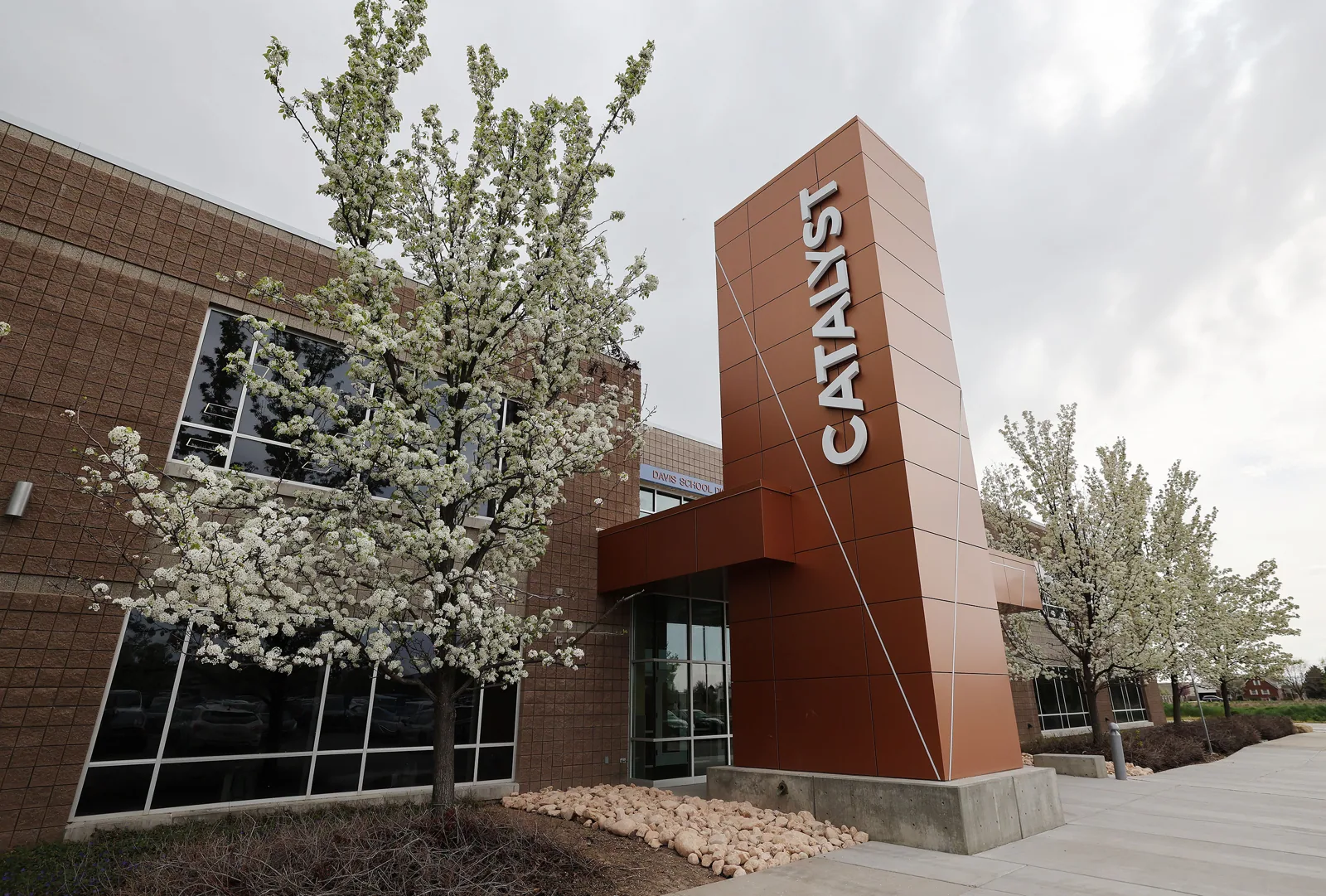
A roof’s surface temperature matters to the assembly, but a reflective finish alone does not establish an energy result. We inspect the existing membrane, insulation, drainage, and interior conditions before comparing a cool-roof option. Topeka sees hot summers as well as winter precipitation, so the roof must handle both solar exposure and seasonal water. Office buildings near the Office and Catalyst District and industrial properties by Harlan Industrial Park have different operations and roof assemblies. We define the target, test the condition, and state which factors remain outside the roofing scope.
Performance: What should a reflective surface change?
A light-colored or reflective roof surface can reduce solar absorption compared with a darker exposed surface, but the building’s energy use depends on insulation, air leakage, equipment, schedules, and controls. We separate the specified roof change from measured utility data before discussing savings. The owner can set a performance question, such as reducing surface heat exposure or preparing for a broader energy project; we identify which roof data can answer it. For a useful comparison, record building operating hours and cooling equipment settings before work. Those values help separate a roof change from adjustments to controls or occupancy.
Before recommending a finish, we inspect the membrane for adhesion, open seams, wet insulation, and repairs that could interrupt the new system. A coating restoration evaluation tests whether the existing roof is a candidate; a roof insulation assessment reviews layers that affect thermal performance. The work plan separates roofing observations from mechanical or energy-modeling questions that require other measurements. A reflective surface cannot correct a failed vapor retarder, poor curb flashing, or blocked drain. We list those repairs separately so the performance discussion does not hide a maintenance need.
System: Which roof option fits the building?
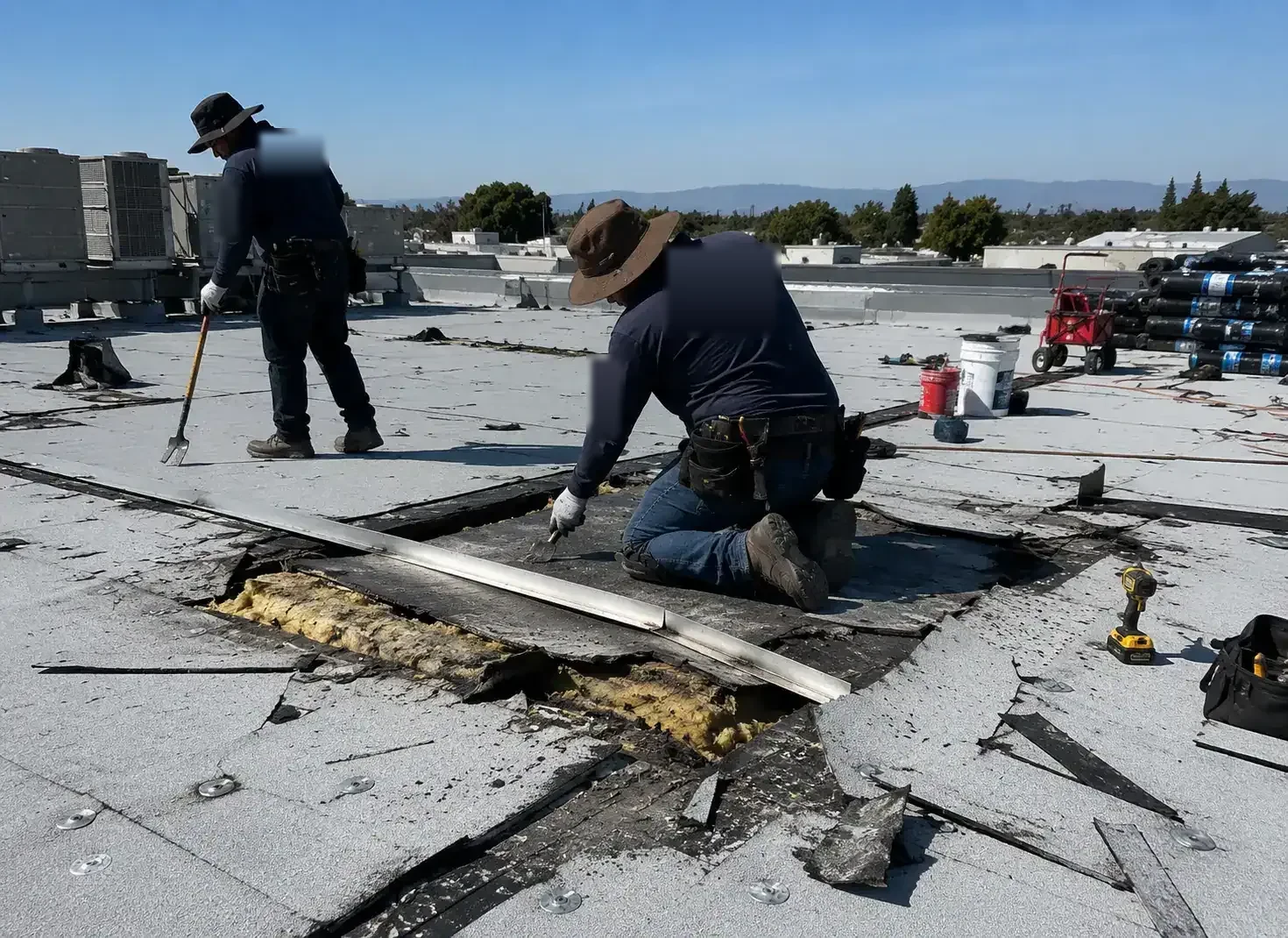
A reflective membrane, coating, or metal finish has distinct preparation and detail requirements. The system must remain compatible with the existing deck, insulation, fasteners, curbs, and drainage. A TPO roof has welded seams and membrane flashings; a silicone coating may suit a prepared roof that passes adhesion and moisture checks. We compare installation limits and service access before naming an assembly.
For a roof that needs replacement, insulation thickness, cover board, vapor control, edge height, and perimeter attachment are part of the design. At Central Crossing Commerce Park, distribution and manufacturing operations can influence staging, while the roof structure still determines allowable layers. We document the actual field dimensions and confirm which penetrations, drains, and equipment curbs need adjustment as the assembly changes.
A reflective finish is a surface specification, not a substitute for correcting loose seams, wet insulation, ponding, or failed attachment. We check whether the existing membrane accepts the selected coating or assembly and map areas that need removal or repair first. Product submittals establish primer, coverage, application temperature, cure, and maintenance requirements. Record baseline condition, selected product, repaired zones, and any test area before full application. After the work, compare installed limits and finish with the approved submittal; do not infer energy savings from color alone. The final walk confirms coverage at each approved transition.
Weather: How does Topeka exposure affect timing?
Annual precipitation in Topeka averages about 36.5 inches, split between summer thunderstorms and winter precipitation. A cool-roof installation still needs a dry, prepared substrate and a forecast that fits the system’s cure or weld requirements. We set the work window from surface conditions, wind, temperature, and the time needed to secure each shift. If weather interrupts, the plan names the point where the exposed roof can be closed safely.
Documented hail and wind events also make a condition check useful before applying a new surface. We inspect for punctures, displaced edges, and failed details that should be repaired first. A storm assessment can distinguish event-related observations from older wear. Near a major Topeka healthcare campus, occupied clinical operations may constrain access and interior protection, so the facility contact confirms those requirements before mobilization. We record interior areas that require temporary protection and agree on the route used to deliver materials.
Scope: What changes cost and scheduling?
Price follows measured roof area, removal or preparation, insulation, cover board, membrane type, edge details, drainage correction, equipment moves, and access. We list known quantities separately from concealed conditions that could appear during removal. If the goal includes energy measurement, the proposal identifies what the roofing work changes and which building systems remain outside that scope. A replacement evaluation can compare a new assembly with restoration by roof zone. We also compare access equipment and disposal separately, since these items can change when the existing surface needs more preparation than a visual review suggested.
Occupied properties may need lift scheduling, protected walkways, delivery coordination, and a sequence that keeps essential rooms in service. A phased reroof plan identifies zones, daily stop points, and temporary weather protection. We confirm the person responsible for interior access and equipment shutdowns. If the roof cannot be safely exposed within the approved work window, the sequence changes before the assembly is opened.
Verify: How should results be reviewed?
Closeout records materials installed, insulation and cover board where known, repaired details, roof zones, and photos of completed seams or coating areas. It also identifies exclusions and remaining tests. A condition report keeps that evidence with the roof plan and gives facilities staff a baseline for inspection. If the owner plans to compare energy use, preserve the building’s operating data and weather period separately from the roofing record. Note when thermostats, equipment, or occupancy schedules change during the measurement period.
After installation, we inspect the finish, transitions, drainage, and later penetrations. The roof file notes maintenance actions that may disturb the reflective layer and the point for a follow-up check. A reflective roof can be one part of a building strategy; measured energy performance also depends on equipment, schedules, occupancy, and controls. The owner receives the installed assembly, tested section, and limits of what the roof work established. If the finish is later punctured for mechanical work, the repair should use a compatible detail and appear in the same roof record. That preserves the basis for any later performance review.
Commercial Roofing Questions
Will a reflective roof lower my utility bills?
The roof finish can change solar absorption, but utility use also follows insulation, HVAC condition, controls, occupancy, and schedules. We specify the roof assembly and avoid promising a savings amount without building-level measurement.
Can a reflective coating go over the roof I have now?
We first check moisture, adhesion, seams, drainage, and material compatibility. If the assembly is not sound or the surface cannot accept the coating, we identify repair or replacement options instead.
Is a cool roof the same as a coating?
No. Reflective membranes, coatings, and metal finishes are different systems with separate substrate, fastening, and flashing details. We compare the existing assembly with the owner’s performance and service goals. The selected finish must also suit the roof’s drainage and access conditions.
What information helps evaluate a cool-roof project?
Provide roof plans, assembly records, utility data if available, equipment schedules, leak history, and access requirements. We can define roofing conditions while the owner’s energy consultant evaluates whole-building performance.
Can installation proceed while the building stays open?
Often the work can be sequenced, but access, noise, deliveries, interior exposure, and weather determine the plan. We divide the roof into zones and define how each area will be closed at shift end.
Related Roofing Work
Office and Catalyst District
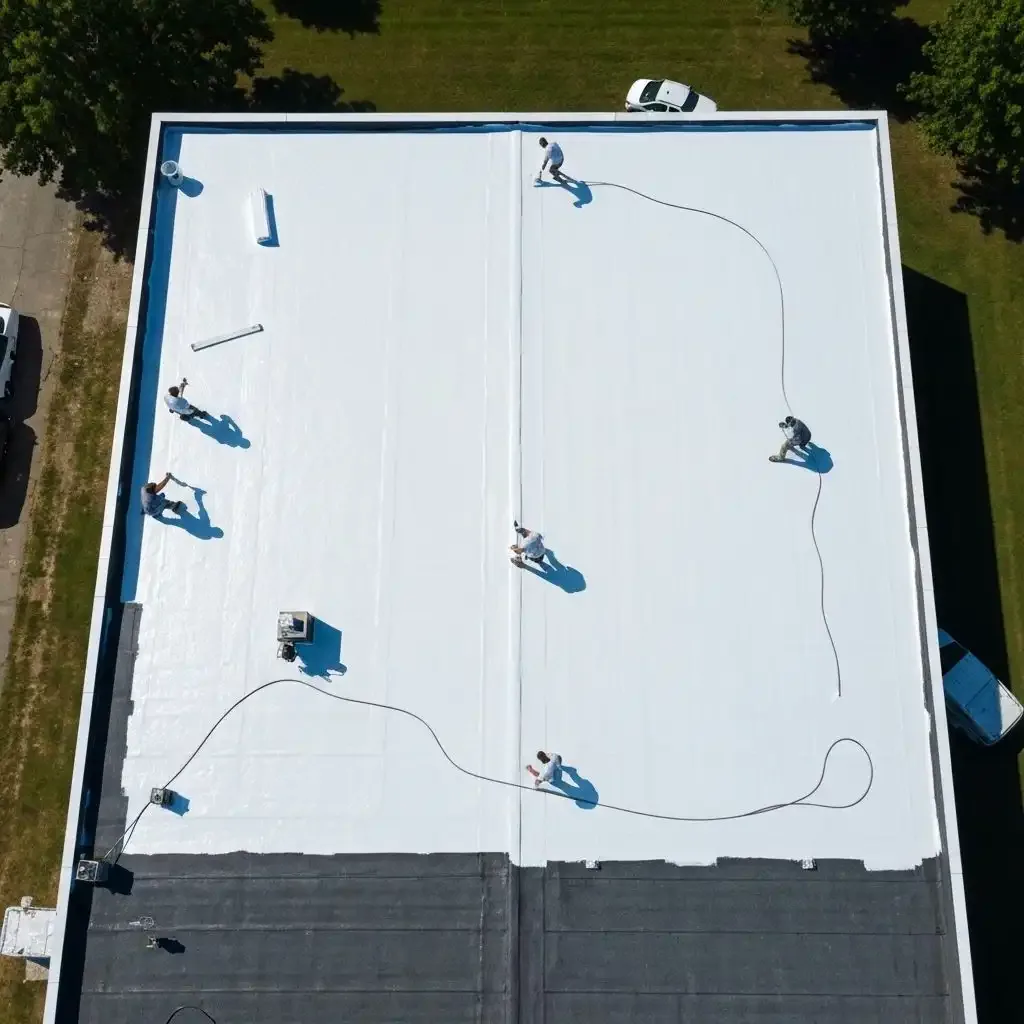
Commercial Roof Coating Restoration
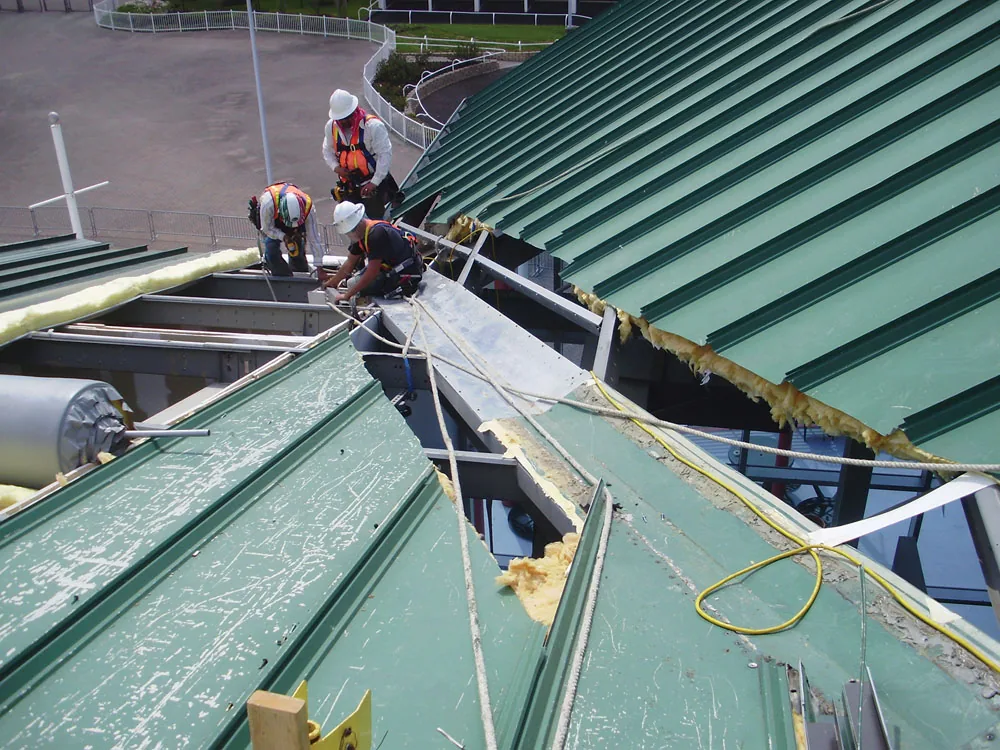
Commercial Roof Insulation and Cover Board
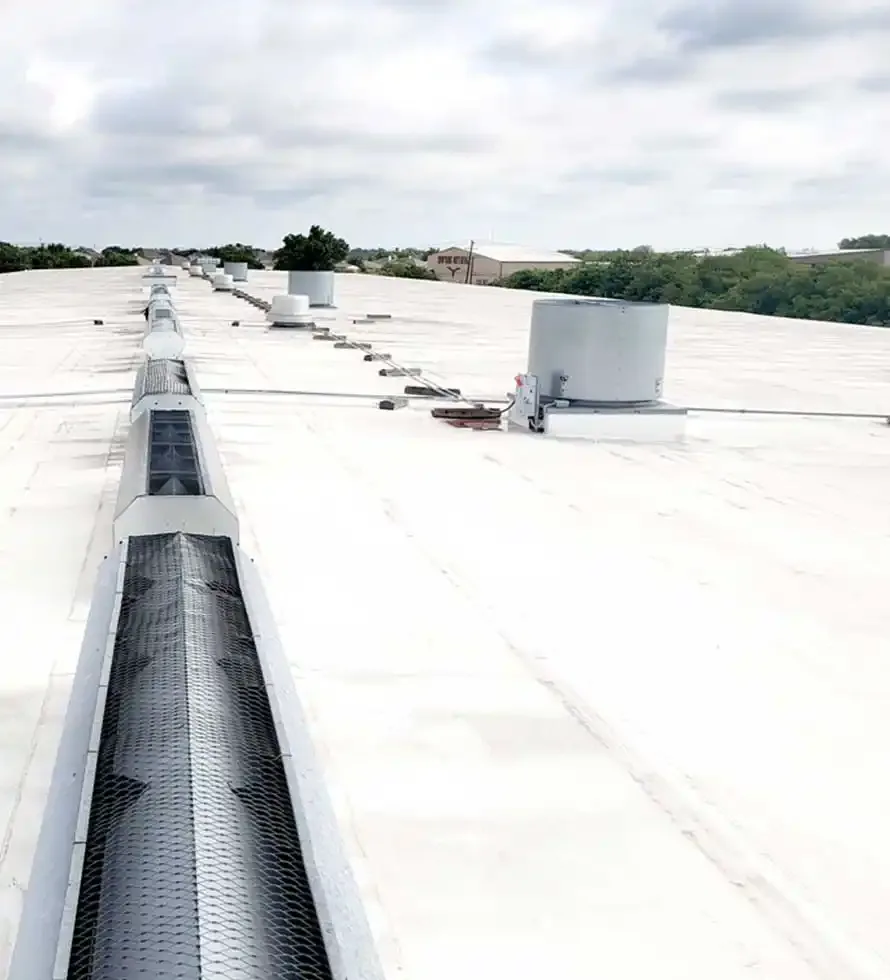
TPO Commercial Roofing
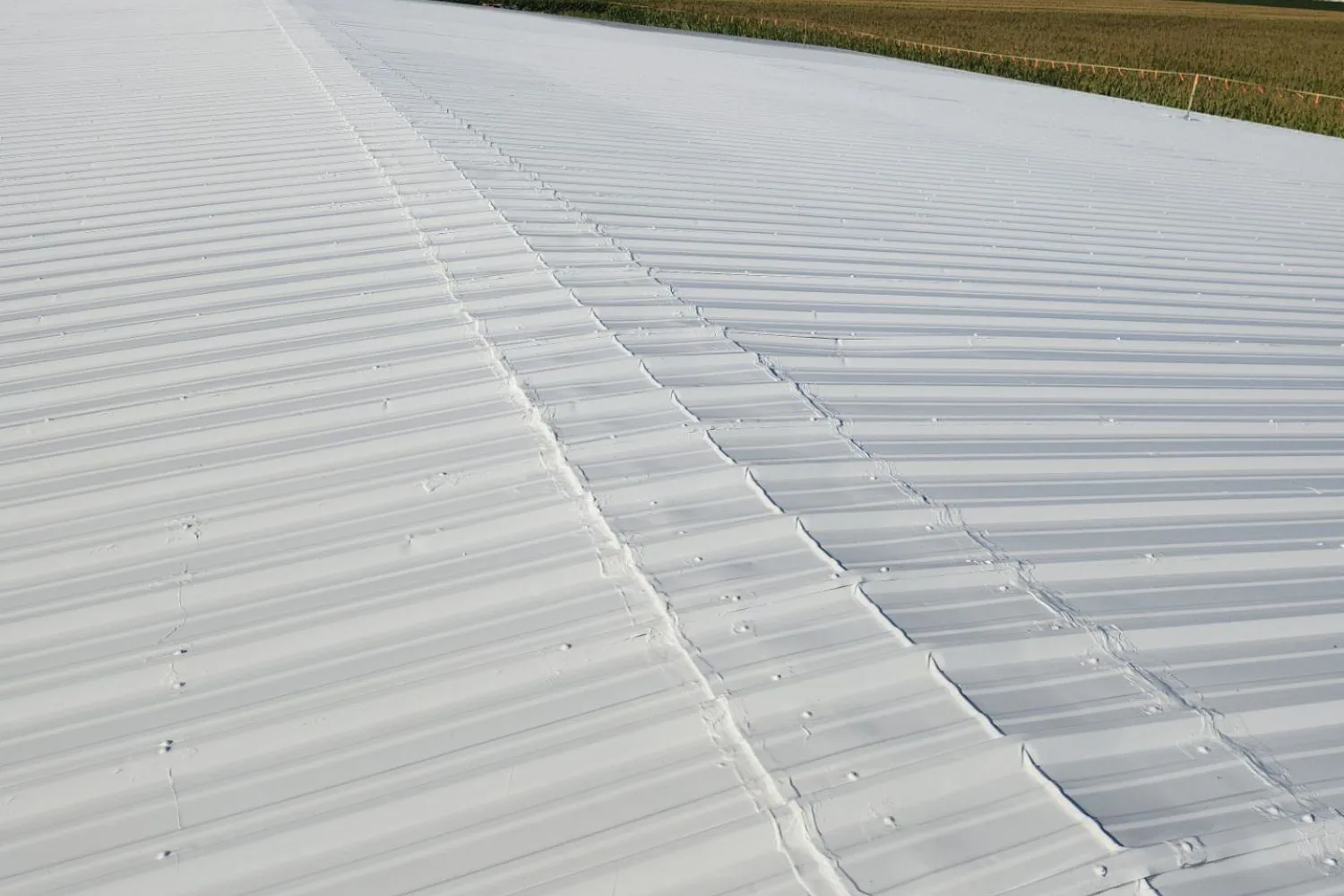
Silicone Roof Coatings for Commercial Buildings
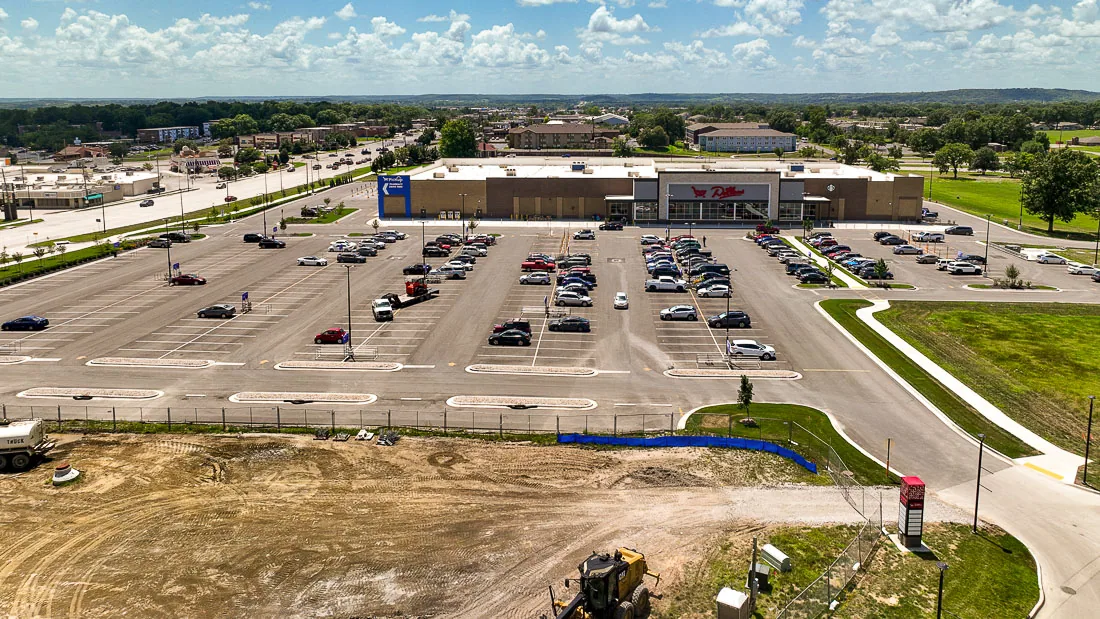
Central Crossing Commerce Park
Compare reflective roof options
Service Area
Topeka, Auburn, Silver Lake, Carbondale, Rossville and Shawnee County, KS
Quick Contact
Email: [email protected]
Phone: 555-555-5555
Request a Roof Assessment
Share the Topeka address, current assembly, energy or service goal, access contact, utility data if available, and prior roof records. We will inspect the roof and define the options supported by its condition.